
Goldfish Bowl Blues: 10 Persistent Goldfish Myths Debunked by Science
Hello fellow fish lovers! If you’ve ever felt overwhelmed by the conflicting advice about goldfish care, you’ve come to the right place. The old tales can make a simple hobby feel needlessly complicated, but clarity is just a few paragraphs away.
In this guide, we’re putting the most common goldfish fallacies to rest for good, covering everything from:
- The truth about goldfish bowl bans and minimum tank sizes.
- Why weekly 100% water changes are a dangerous mistake.
- Debunking the idea that goldfish only grow to the size of their container.
- The real story behind their three-second memory and supposed loneliness.
- And finally, setting the record straight on their potential 20+ year lifespan.
I’ve spent years running high-tech planted systems and breeding fish, learning these lessons firsthand through trial, error, and success.
The Truth About Goldfish and Their Home
Goldfish are not the low-maintenance pets many believe them to be; they require a thoughtfully planned environment to thrive. Creating a stable ecosystem with ample space, clean water, and proper filtration is non-negotiable for their health and happiness. From my years of keeping Goldie, my Oranda, I’ve seen how a spacious tank transforms their behavior—they forage more, interact with their surroundings, and display brighter colors. An ideal goldfish tank setup avoids common mistakes like undersized tanks, overstocking, and neglecting regular water changes.
- Goldfish produce a significant amount of waste, leading to rapid ammonia spikes in confined spaces.
- They are active swimmers that can grow over 6 inches, needing room to move freely.
- A balanced tank includes live plants, which help absorb nitrates and provide hiding spots.
Water quality hinges on more than just size; temperature stability between 65-75°F and a pH of 7.0-7.5 are vital. I always test my water weekly because even slight changes can stress fish like Goldie, making them prone to illness. The gentle hum of a quality filter and the shimmer of healthy scales in clear water are signs you’ve got it right.
Myth #1: A Small Bowl is a Cozy Home
Many people picture a goldfish contentedly swimming in a tiny bowl, but this image is far from reality. A small bowl is not cozy-it’s a hazardous environment that stunts growth and shortens lifespans. Goldfish exhale ammonia through their gills and produce waste constantly, which in a bowl, quickly turns the water toxic.
I learned this the hard way early on; a friend’s goldfish in a bowl lived only months, while Goldie has flourished for years in her 30-gallon tank. Bowls lack the surface area for proper gas exchange, starving fish of oxygen and leading to suffocation. The water often looks clear, but invisible toxins build up, causing fin rot or swim bladder issues.
Why Bowls Fail Goldfish
- Insufficient volume: Even one fancy goldfish needs at least 20 gallons to manage waste.
- No room for filtration: Most bowls can’t fit a filter, so beneficial bacteria can’t establish.
- Limited swimming space: Goldfish are natural explorers; confinement causes stress and erratic behavior.
Steps to Upgrade Their Home
- Select a rectangular tank-20 gallons or larger for one goldfish-to provide swimming length and stable water parameters.
- Add a powerful filter rated for twice the tank’s volume, like a hang-on-back or canister model, to handle their bioload.
- Cycle the tank fully before introducing your fish, using a liquid test kit to monitor ammonia, nitrite, and nitrate levels.
- Include decorations and plants, such as Java fern or Anubias, which offer enrichment and improve water quality.
Upgrading doesn’t have to be expensive; I’ve found secondhand tanks that work perfectly. Seeing Goldie dart through her planted tank, foraging and socializing, confirms that a proper home makes all the difference. If you’re planning a community tank, choose compatible fish with similar needs and temperaments. That careful selection helps keep the tank harmonious and easy to maintain. Trust me, your goldfish will thank you with vibrant health and years of companionship.
Myth #2: Goldfish Have a Three-Second Memory
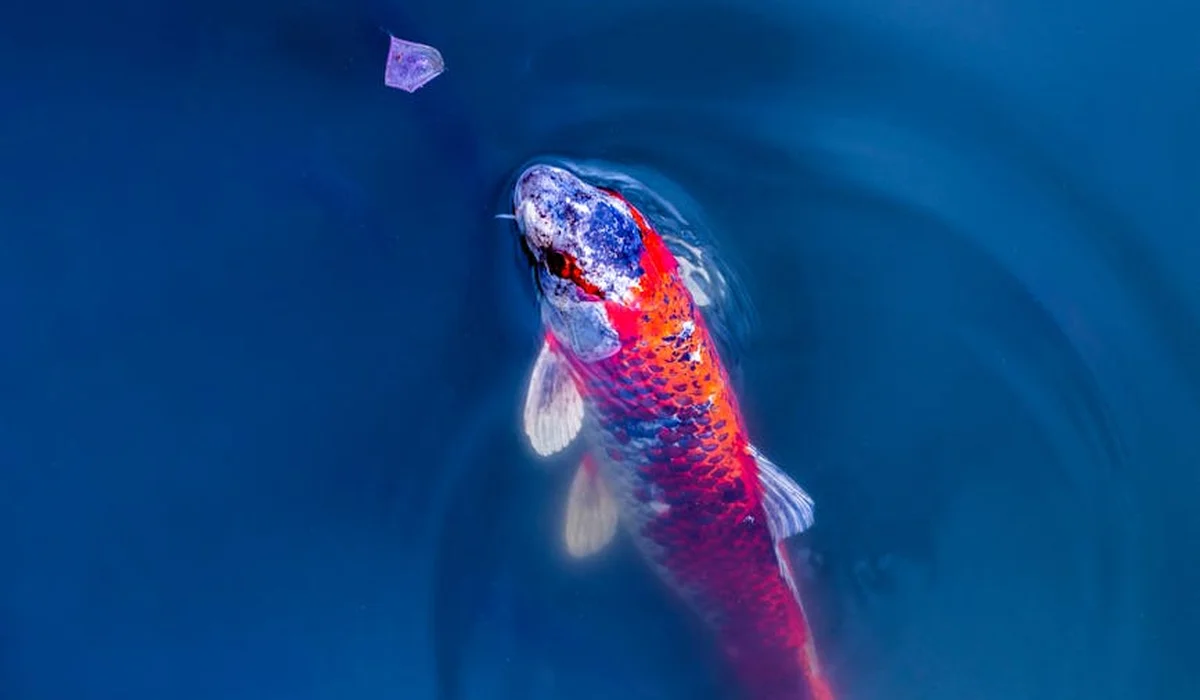
You’ve probably heard the old tale that goldfish forget everything in just three seconds, but that’s far from the truth. Goldfish can actually remember routines, faces, and even tricks for months, not mere seconds. From my own tank, Goldie always perks up and swims to the front when she sees me, because she associates my shape with feeding time.
Their memory helps them navigate their environment and avoid danger. I’ve watched goldfish learn to push a lever for food and recall the location weeks later. This isn’t just a neat trick-it shows they’re smarter than many give them credit for.
To see this in your own aquarium, try these simple observations:
- Feed at the same time each day and note if they gather eagerly.
- Tap the glass gently before feeding; they’ll soon connect the sound with meals.
- Add a new decoration and watch how they explore and remember safe paths.
This myth likely started because people kept them in bare bowls with no stimulation. Providing plants, hiding spots, and variety in their diet encourages natural behaviors and sharpens their memory. A enriched tank means a happier, smarter fish.
Myth #3: They Thrive in Cold, Unfiltered Water
Many believe goldfish are fine in a chilly, stagnant bowl, but that setup is a recipe for stress and sickness. Goldfish produce a lot of waste, leading to toxic ammonia spikes that harm their health in unfiltered water. The hum of a filter isn’t just noise-it’s a lifeline that keeps the water clear and safe.
While they can tolerate cooler temps, they do best in stable environments. I keep my goldfish tank between 68°F and 74°F with a pH of 7.0 to 7.5 for optimal health. Sudden chills can slow their digestion and weaken their immune system.
Here’s why cold, unfiltered water is dangerous:
- Ammonia buildup burns gills and causes gasping at the surface.
- Without filtration, harmful bacteria multiply, raising disease risk.
- Temperature swings lead to stress, making fish prone to infections.
For a healthy setup, aim for at least 20 gallons per goldfish with a reliable filter. A simple sponge filter is an affordable DIY option that provides biological filtration without strong currents. Pair it with weekly 25% water changes to maintain that crystal-clear water your fish deserve.
Remember, goldfish aren’t low-maintenance; they thrive in a balanced ecosystem. Investing in proper filtration and temperature control can double their lifespan and bring out their vibrant colors. Your goldfish will thank you with energetic swimming and that familiar shimmer of scales.
Myth #4: Goldfish are Loners or Need a Large Group
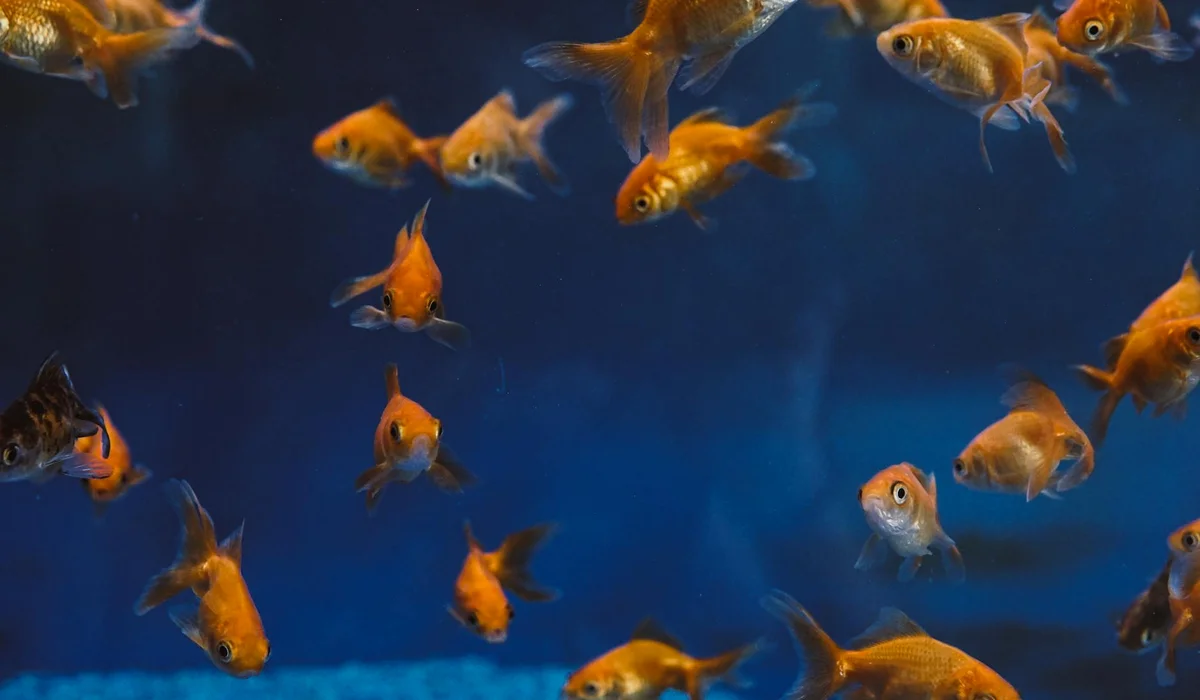
The truth about goldfish social lives is far more nuanced than a simple “loner” or “needs a crowd” label. Goldfish are social creatures that benefit from the company of their own kind, but they are not schooling fish that must move in a tight, synchronized group.
Keeping a single goldfish is perfectly acceptable, but you might notice it appears less active or curious. I’ve seen my own Goldie become visibly more engaged and playful after I introduced a second goldfish. They’ll often forage together and display interesting social behaviors. The real limitation isn’t their desire for friends, but your tank’s capacity and choosing the right tank mates to reduce stress and aggression.
Here’s a quick guide to help you decide:
- One Goldfish: A fine choice, especially in a smaller setup. You become its main source of interaction.
- Two or Three Goldfish: The sweet spot for most hobbyists. They provide company for each other without creating a massive waste load.
- Large Groups: Only feasible in very large tanks or ponds, as goldfish are messy and produce a lot of waste.
The key is matching the group size to your filtration and water volume. Overcrowding is a faster route to poor health than any perceived loneliness.
| Situation | Recommendation |
|---|---|
| Tank under 40 gallons | One goldfish is best |
| 40-75 gallon tank | A pair of goldfish will thrive |
| 75+ gallon tank or pond | You can consider a small group |
Myth #5: They Can Survive on Scrabs and Bread
This old wives’ tale is not just incorrect; it’s a death sentence for your fish. Feeding human food scraps like bread, peas, or crackers to goldfish is like feeding a toddler a diet of only candy-it fills them up with zero nutritional value and causes serious internal damage.
Bread and similar starches swell in their digestive tracts, leading to potentially fatal blockages and swim bladder disease. I learned this the hard way years ago with a fancy goldfish that struggled to stay upright after a well-meaning family member fed it a piece of a cracker.
Goldfish are omnivores and need a specific, balanced diet. Here’s what you should and should not feed them:
- Staple Diet: High-quality sinking pellets or gel food formulated for goldfish.
- Healthy Treats: Blanched spinach, deshelled peas, bloodworms, or daphnia.
- Never Feed: Bread, crackers, cereal, processed human food, or raw potatoes.
A proper diet leads to vibrant colors, strong immune systems, and clear water. Their waste will be less messy and your filter won’t have to work as hard to process the excess waste from a poor diet. Think of their food as the foundation for the entire tank’s health.
| Good Food Choices | Harmful Food Choices |
|---|---|
| Sinking Goldfish Pellets | Bread & Crackers |
| Gel Food (Repashy) | Processed Cereal |
| Blanched Zucchini | Raw Meats |
| Frozen Brine Shrimp | Butter or Oily Foods |
Myth #6: Goldfish Purr or Change Color from Light
Let’s clear the water on this one. Goldfish do not purr, chirp, or make any vocal sounds of contentment. What you might be hearing is the sound of them grinding their pharyngeal teeth in the back of their throat as they crush food, which can sometimes carry through the water and tank glass. It’s a feeding sound, not a happy-cat sound.
The idea that light changes their color is only partially true, and it’s often misunderstood. Direct sunlight won’t magically turn a goldfish from black to orange. The real culprits behind color shifts are almost always diet and water quality.
- Diet is King: The pigments in their food, like carotenoids found in shrimp and spirulina, directly enhance reds, oranges, and yellows.
- Water Quality Matters: Consistently poor water conditions can stress a fish, causing its colors to fade and look washed out.
- Genetics are Final: Many goldfish are genetically programmed to change color as they mature, a process called metachrosis. A black moor may naturally lose its black and turn orange over time, regardless of its lighting.
I once had a beautiful shubunkin that started losing its brilliant blue speckling. I initially blamed the light, but after testing the water, I found elevated nitrates. A series of large water changes and a diet rich in color-enhancing foods brought its stunning mosaic pattern back to life within weeks. Focus on what goes into them and their water, not just the light above them.
Myth #7: They are Short-Lived “Starter Pets”
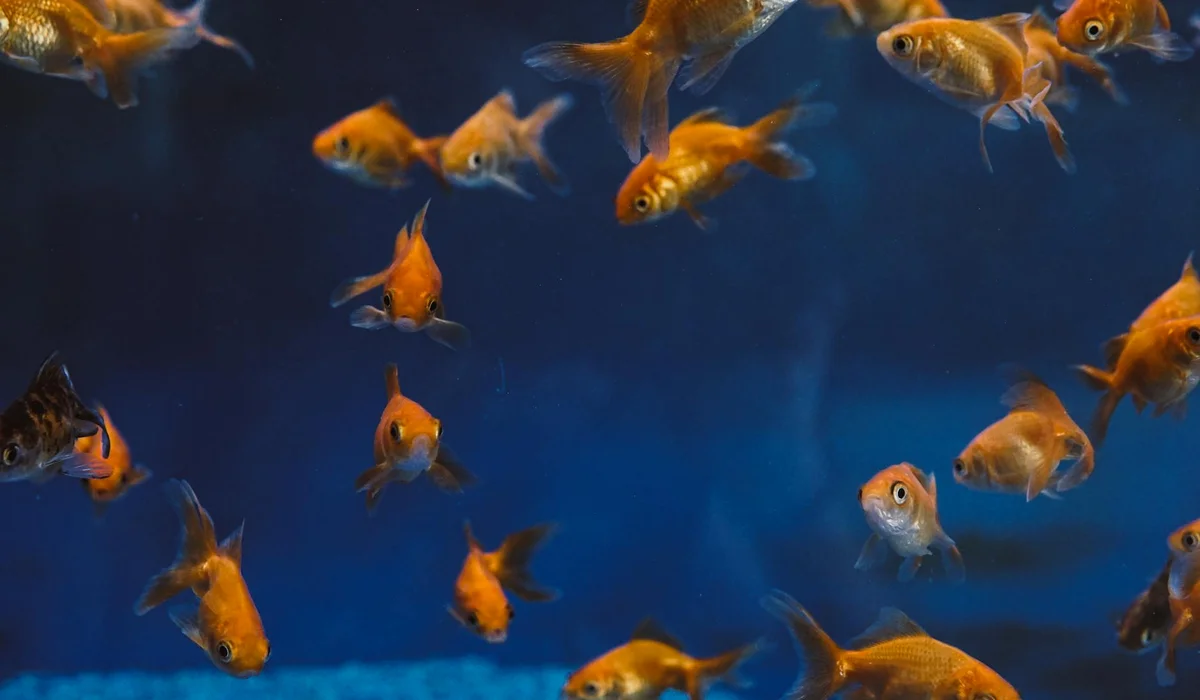
This is perhaps the most heartbreaking myth. The idea that a goldfish’s life is meant to be brief is a self-fulfilling prophecy caused by improper care. Calling them a “starter pet” severely underestimates their needs and their potential. Unlike some starter saltwater fish, goldfish often live much longer when provided with proper care.
A goldfish living in a proper environment is not a short-term commitment. With excellent care, their lifespan is astounding. Understanding aquarium fish lifespan helps you plan for the long care duration ahead. With steady maintenance, goldfish can thrive for many years.
- Common Goldfish & Comets: Regularly live 10-15 years, with many reaching over 20.
- Fancy Goldfish: Can comfortably live 10+ years with optimal tank conditions and good genetics.
- The Record Holders: The oldest recorded goldfish lived to be 43 years old. While that’s exceptional, it shows their true biological potential.
The “starter pet” label comes from their ability to survive initial poor conditions, not thrive in them. That survival, often in a small, unfiltered bowl, is a slow-motion decline that artificially shortens their life, creating the falsehood that they are naturally short-lived. They are not disposable.
Think of it this way:
| In a Bowl (“Starter Pet” Myth) | In a Proper Tank (Reality) |
|---|---|
| Lifespan of a few weeks to a year due to ammonia poisoning and stunting. | Lifespan of a decade or more, growing to their full, magnificent size. |
| Stressed, lethargic, and prone to disease. | Active, social, and displaying vibrant natural behaviors. |
| A temporary, often sad, novelty. | A long-term, rewarding family member. |
My oranda, Goldie, is four years old and is only just reaching her prime, with her wen (head growth) becoming more pronounced and her personality shining. Committing to a goldfish means committing to a pet that could be with your child through elementary school, high school, and beyond. They are not a trial run; they are a responsibility for years to come.
Common Questions
Can goldfish live with other fish?
Goldfish can live with other fish, but it requires careful selection. They are cold-water fish that produce a lot of waste, making them incompatible with most common tropical species. Suitable tank mates are other similarly-sized, peaceful goldfish or cold-water species like dojo loaches that can handle the same water conditions. Learn more about which fish can live peacefully with goldfish.
Do goldfish need a large tank to thrive?
Yes, goldfish absolutely need a large tank to thrive and reach their full lifespan. A single fancy goldfish requires a minimum of 20 gallons, with an additional 10-20 gallons for each additional fish. This space is necessary to manage their high waste output and accommodate their active, exploratory nature. When choosing a tank, consult a size and capacity guide to ensure it meets the needs of your goldfish.
Do goldfish need filtration and aeration?
Filtration is non-negotiable for goldfish due to the high amount of ammonia they produce. A powerful filter rated for twice the tank’s volume is essential to maintain water quality. While good surface agitation from the filter often provides enough oxygen, additional aeration from an air stone is beneficial, especially in warmer water or heavily stocked tanks.
Can goldfish survive on bread or human food?
No, goldfish cannot survive on bread or human food scraps. These items swell in their digestive tract, causing blockages and swim bladder disease. Goldfish require a balanced diet of high-quality sinking pellets or gel food formulated specifically for their nutritional needs, supplemented with occasional treats like blanched vegetables.
Your Goldfish Thrives on Truth
Forget the tiny bowls and embrace a filtered, spacious tank that lets your goldfish grow and explore. Proper filtration, a varied diet, and regular water changes are the non-negotiable foundations for a thriving goldfish. Improving water quality in your tank keeps your fish healthy and stress-free. Monitor ammonia, nitrite, nitrate, and pH to stay on track.
Your journey as a fish keeper is one of constant, rewarding learning about water chemistry and fish behavior. Committing to this ongoing education is the most responsible and loving gift you can give your aquatic pets. A big part of that journey is understanding how fish establish and defend territory in a tank. This is where the ultimate guide to aquarium territorial behavior comes in, helping you plan tank setups, compatible species, and stocking levels to minimize aggression.
Further Reading & Sources
- Goldfish Myths Debunked | Tropical Fish Hobbyist Magazine
- Advice & welfare: Debunking goldfish myths • SPCA New Zealand
- Goldfish Myths and Facts
- Common goldfish myths debunked
- Do Goldfish Grow to the Size of their Tank? 3 Myths Debunked | Hepper Pet Resources
Lia is an expert in aquarium and pet fish care. Having worked in the marine industry and having cared for multiple pet fish, she has acquired first hand expertise on aquarium care, maintenance and setup. She always brings her practical expertise and science to help solve any aquarium related queries.
Fish Species