
Online Fish Store vs. Local Pet Shop: The Real Scoop on Where to Buy Your Fish
Hello fellow fish keepers! Staring at your empty tank and wondering if you should click “add to cart” online or drive to the pet shop down the street? I’ve wrestled with that exact choice more times than I can count, and it’s a decision that impacts everything from your wallet to your fish’s health.
This guide breaks down the key aspects to help you choose wisely, covering:
- Cost and hidden fees
- Fish health and survival rates
- Selection variety and rarity
- Shipping stress vs. immediate pickup
- Expert support and after-purchase care
I’ve run high-tech planted tanks and bred fish for years, so I’m sharing hard-earned lessons to steer you right.
Diving Into Your Fish-Buying Options
Exploring the World of Online Fish Stores
What to Expect From an Online Fish Store
An online fish store operates much like any other e-commerce site, but with a crucial, living component. You’ll browse digital galleries of fish, often with detailed filters for species, size, and color morph. The best sites provide extensive care sheets, high-resolution photos, and sometimes even videos of the actual fish you’re considering. Your selected fish are carefully bagged, placed in an insulated box with a heat or cool pack, and shipped via overnight courier directly to your door.
Inventory is a major differentiator. You might find a common Neon Tetra at dozens of sites, but what about a specific line-bred Betta or a rare wild-caught Apistogramma? Online stores often have access to massive wholesale networks and specialized breeders that a local shop simply can’t match, giving you a near-endless selection. I’ve personally acquired fish online that I’d never seen in a local store after years of searching.
Benefits of Shopping for Fish Online
The advantages of buying fish online are significant and often game-changing for serious hobbyists.
- Unbeatable Variety: Your local options are limited by physical space. Online, you can find thousands of species, from the most common Guppy to exotic stingrays.
- Competitive Pricing: Reduced overhead often means lower prices on both fish and equipment. You can easily compare prices across multiple vendors from your couch.
- Convenience and Accessibility: This is a huge win if you live far from a quality fish store. Your new pets arrive at your home, saving you a long drive.
- Health Guarantees: Reputable online sellers stand behind their livestock. They typically offer a 14-day guarantee, promising a refund or replacement if your fish arrives dead or dies shortly after.
- Expert Specialization: Many online stores focus on a single type of fish, like Discus or Shrimp. You are buying from a dedicated expert who knows the specific needs and genetics of their stock, which is invaluable.
Challenges With Online Fish Purchases
For all their perks, online fish purchases come with a unique set of hurdles you must be prepared for.
- Shipping Stress: This is the biggest concern. The fish endure a journey through sorting facilities and courier trucks. Even with perfect packaging, it’s a stressful event that can weaken their immune systems.
- You Can’t Inspect the Fish: You’re buying based on a photo or a description. You can’t watch the fish swim to check for clamped fins, erratic movement, or signs of bullying from tank mates.
- The Acclimation Process is Critical: When the box arrives, you can’t just dump the fish in. A slow, careful drip acclimation over an hour or more is non-negotiable to help them adjust to your tank’s specific water parameters.
- Shipping Costs Add Up: Overnight shipping is expensive, sometimes costing more than the fish themselves. This often negates any per-fish savings unless you’re placing a large order.
- Timing is Everything: You must be home to receive the package immediately. Leaving a box of live fish on your porch for hours is a recipe for disaster.
Navigating Your Local Pet Shop for Fish
What Makes a Local Pet Shop Great
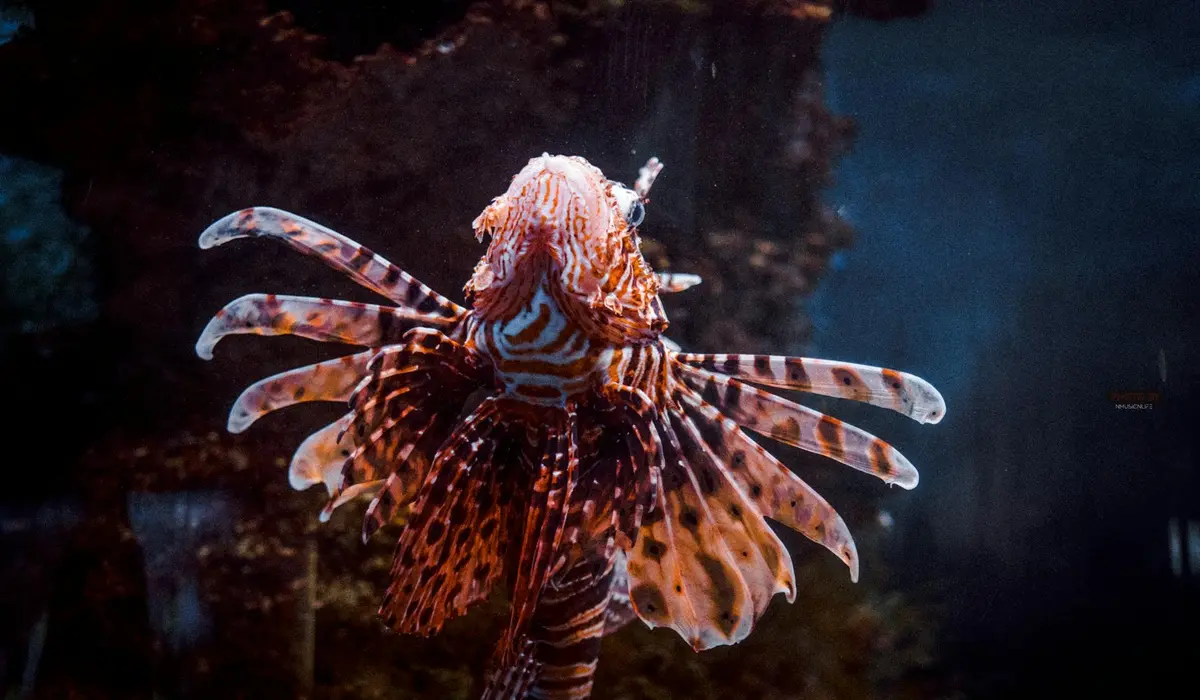
Walking into a good local fish store is a sensory experience-the gentle hum of filtration, the vibrant colors of healthy fish, and the immediate access to expert advice. You can see the exact individual fish you’re bringing home, inspecting its fins and activity level up close. The ability to personally select your fish and get instant, face-to-face guidance is a massive advantage that online stores simply cannot replicate.
Many local shops are run by passionate aquarists who live and breathe the hobby. I’ve gotten some of my best aquascaping tips simply by chatting with the owner while browsing their plant selection. They often have a wealth of localized knowledge about water chemistry in your specific area. Building a relationship with a knowledgeable local store owner can be like having a free, on-call aquarium coach.
You also get the benefit of zero shipping stress for your new pets. The fish go straight from their stable tank to your car and into your aquarium, avoiding the potential trauma of a multi-day journey in a dark box. This immediate transfer drastically reduces the risk of temperature shock and transport-related illness for your new aquatic friends.
Potential Downsides of Local Fish Shopping
The biggest limitation is often selection. A physical store has finite space, so you might not find that specific type of Apistogramma or rare stem plant you saw online. Their inventory is what you see on the day you visit. Your choices are confined to the store’s current stock, which can be frustrating if you have your heart set on a particular species.
Pricing can also be higher than online, as local shops have significant overhead costs like rent and utilities that online warehouses do not. I’ve noticed common fish like Neon Tetras or Corydoras can sometimes be double the online price. You are often paying a premium for the convenience and immediate availability that a local store provides.
Be a sharp observer. Not all local shops maintain pristine conditions. Look for cloudy water, multiple tanks with sick or dead fish, or overcrowded displays. A store’s general cleanliness is a direct reflection of their fish care standards. If you see consistent signs of neglect, it’s a major red flag about the health of the fish you’re considering.
Comparing Fish Health and Quality
How to Assess Fish Health in Any Setting
Whether you’re online or in a store, a healthy fish shares common traits. Look for clear, bright eyes without any cloudiness. Their fins should be fully open and undamaged, not clamped tightly to their body. Clear eyes and erect fins are two of the most reliable indicators of a fish in good condition. These signs help you distinguish healthy vs unhealthy fish at a glance. Unhealthy fish may show cloudiness, damaged fins, or pale coloration.
Watch how the fish breathes. Gills should move at a steady, calm rhythm, not rapidly or laboriously. Pay close attention to their swimming posture; they should be able to maintain their position in the water column without listing to one side or struggling. Erratic swimming or rapid gill movement can be early signs of parasitic infection or poor water quality.
Don’t just look at the fish you want. Scan the other fish in the same tank for any spots, fuzzy patches, or red streaks. Disease spreads quickly in a shared system. A single sick tankmate is a warning sign for the entire tank. Always assess the health of the entire community in a tank, not just the single fish that catches your eye.
Quarantine Practices and Why They Matter
This is the single most critical factor for preventing disaster in your main tank. Quarantine is a mandatory isolation period for new fish, typically in a separate, bare-bottom tank for 2-4 weeks. Proper quarantine for new fish is your best defense against introducing invisible parasites or bacteria into your established aquarium. To do this properly, set up a dedicated quarantine tank and monitor each new fish for signs of disease during the full quarantine period. Only after a successful quarantine should you introduce healthy new fish to the main display to prevent disease spread.
Reputable online stores often have centralized, professional quarantine systems before sale. A high-quality local store will also quarantine their incoming shipments. Don’t be afraid to ask a store about their process! I always ask, “How long have these fish been in your system?” A confident answer about a 1-2 week holding period is a very good sign of a responsible retailer.
If you buy from a source with no quarantine, the responsibility falls entirely on you. A simple 10-gallon tank with a heater and sponge filter is a perfect hospital tank. This allows you to observe and, if needed, treat new arrivals without risking your other fish. Setting up a basic quarantine tank is one of the smartest investments you can make in this hobby, saving you from potential heartache and costly treatments later.
Weighing Costs and Convenience

Price Comparison: Online vs. Local
Online stores often list fish at lower base prices because they operate with reduced overhead. You might find a stunning Crowntail Betta like my Captain Fin for a few dollars less on a website. Always factor in shipping costs, which can double your total if you need expedited delivery to ensure fish health.
Local pet shops usually have higher sticker prices to cover rent and staff, but you avoid shipping fees. For common species, the final cost might be similar. I once compared prices for Corydoras catfish; online was cheaper per fish, but buying a group locally saved me on shipping and let me hand-pick active ones like Shadow.
- Online Pros: Frequent sales, bulk discounts on supplies, access to rare breeds.
- Online Cons: Shipping stress on fish, potential for hidden costs like heat packs in winter.
- Local Pros: No shipping wait, ability to inspect water clarity and fish behavior before purchase.
- Local Cons: Limited inventory, possible higher prices for specialty items.
Convenience Factors in Fish Buying
Shopping online lets you browse hundreds of species from your couch at any hour. The convenience is undeniable when you need a specific pH-adjusted fish or hard-to-find plants. Nothing beats clicking a button and having a new aquarium resident arrive at your door, though the wait can test your patience.
Local stores offer instant gratification. You can see the iridescent blue of a Betta’s scales under the light and watch it respond to your finger. This immediate connection helps you gauge personality and health, something I valued when selecting Goldie, my social Oranda goldfish.
- Delivery Time: Online may take 2-5 days; local is same-day.
- Selection: Online has vast variety; local may require special orders.
- Support: Local staff often give tailored advice; online relies on FAQs and email.
Making Your Decision: Tips for a Smart Choice
Key Questions to Ask Before Buying
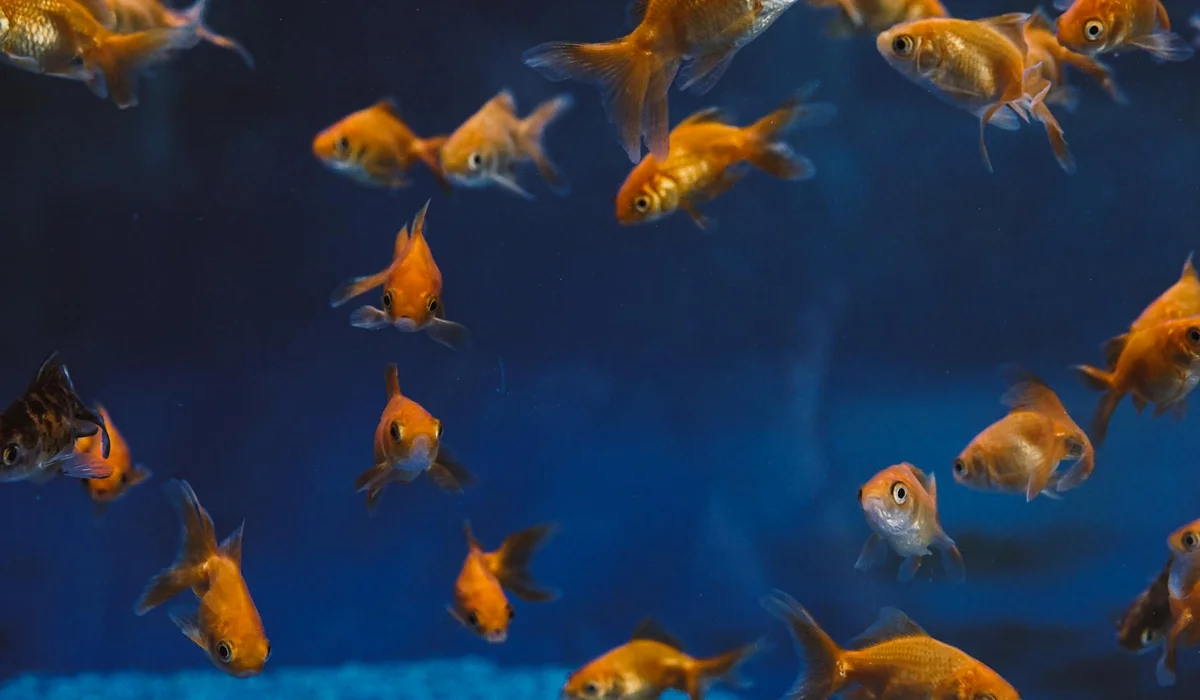
Before spending any money, grill the seller-whether online or in-person-to protect your aquarium’s balance. Your fish’s life depends on the answers. Start by asking about their quarantine process to avoid introducing diseases that could wipe out your tank. Also, confirm you have the right quarantine equipment. Have a dedicated quarantine tank with a heater, filter, and test kits ready before bringing new fish home.
- How long have you had this fish in stock? (Indicates acclimation time.)
- What are your water parameters, and do you match them to mine? (Crucial for reducing shock.)
- What is your live arrival guarantee and return policy? (Online must-have.)
- Can I see the fish eat? (Local shop test for health.)
Matching Your Purchase to Your Aquarium Needs
Your tank’s setup should dictate where you buy. A high-tech planted aquarium with precise water chemistry might benefit from online specialists who ship pH-stable fish. I learned this the hard way when a local purchase messed up my tank’s cycle; now I source sensitive species from trusted online breeders who ensure the pH is appropriate for the fish.
For community tanks, local shops let you observe compatibility firsthand. Watch how fish interact in their displays—it saved me from putting a feisty Betta with peaceful bottom dwellers. If you have a goldfish like Goldie, local bulk food buys prevent shipping delays that could impact their constant foraging. When choosing fish for a community tank, look for compatible temperaments and similar care needs to reduce stress and aggression. Picking compatible tank mates from the start helps your whole aquarium thrive.
- Small Tanks (Under 10 gallons): Local for Bettas; online for specific plant bundles.
- Large Tanks (Over 50 gallons): Online for cost-effective school fish orders.
- Specialty Setups: Online for custom aquascaping materials and rare shrimp.
FAQs
Do any online fish stores quarantine their fish before shipping?
Yes, many reputable online fish stores have quarantine protocols in place to ensure fish health before sale. You can typically find this information on their website under FAQs or by directly contacting their customer service. However, introducing multiple new fish—whether purchased together or separately—carries a risk of cross-infection if one is carrying a latent illness. Best practices are to quarantine new fish individually (or in separate, clearly separated tanks) for a few weeks and observe for symptoms before combining them or adding them to your main display tank. Opting for a store that quarantines fish helps minimize the risk of disease introduction to your tank.
Which online fish stores offer free shipping?
Some online fish stores provide free shipping on orders that meet a minimum purchase amount, often around $100 or more. Be sure to review their shipping policies, as free options might use standard delivery, which could increase stress on the fish. Always confirm any restrictions, such as seasonal exclusions or geographic limitations, before placing an order.
How can I find online fish stores that ship to specific locations like Gwinn, MI or Marquette, MI?
To locate online fish stores that deliver to your area, use targeted search terms like “online fish stores shipping to [your city]” or check store websites for their shipping coverage maps. Many national retailers ship to Michigan, but verify delivery times to ensure overnight or expedited options are available. Additionally, local aquarium groups on social media can provide recommendations based on community experiences.
What should I look for in an online fish store tailored to aquarium needs?
Prioritize stores with a diverse inventory of fish and supplies, clear health guarantees, and positive customer feedback. Ensure they provide detailed care sheets and responsive support for species-specific advice. Stores specializing in aquariums often feature filters for tank compatibility, making it easier to match fish to your setup, including aquarium filters.
Where to Buy: Your Quick Guide
Online stores offer incredible variety and convenience, but local shops provide hands-on inspection and personalized support. Mixing both sources—grabbing common fish locally and ordering unique species online—often gives you the healthiest, happiest tank residents. If you’re considering used aquariums or gear, this complete guide shows how to buy safely. It covers crack checks, leak tests, stand stability, and proper sanitization before setup.
Your fish’s well-being hinges on your dedication to learning and adapting to their needs over time. Embrace the journey of understanding water parameters and fish behavior to create a vibrant, stable home they’ll love.
Further Reading & Sources
- LiveAquaria | Quality Aquarium Fish, Supplies & Equipment
- r/aquarium on Reddit: Best place to order freshwater fish online?
- What’s The Best Place To Buy Fish Online? Here’s My Top 15
- What’s the best online fish store?? | Reef2Reef
- 10 Places to Buy Freshwater Aquarium Fish Online
Lia is an expert in aquarium and pet fish care. Having worked in the marine industry and having cared for multiple pet fish, she has acquired first hand expertise on aquarium care, maintenance and setup. She always brings her practical expertise and science to help solve any aquarium related queries.
Fish Species