
5 Overstocking Mistakes That Sabotage Your Aquarium (And How to Fix Them)
Hello fellow aquarists! That nagging worry about having too many fish in your tank is not just in your head. You’re right to be concerned, and I’ve been there too, watching the water cloud and stress levels rise.
This guide will help you spot and solve the most common stocking errors. We’ll cover:
- The “Inch-Per-Gallon” rule and why it fails modern tanks
- Ignoring your fish’s adult size versus their store size
- Overlooking the biological load of messy fish
- Forgetting about territorial needs and swimming zones
- Relying solely on technology instead of stable biology
I’ve learned these lessons through years of maintaining high-tech planted tanks and breeding sensitive fish.
The Silent Strain: Recognizing an Overstocked Tank
You might notice your tank water looks a bit hazy, even after a recent change. That murkiness is a classic red flag. Cloudy water often means your beneficial bacteria are overwhelmed by excess waste from too many fish. I’ve seen this in my own setups when I got overeager with new additions. This is a classic case of new tank syndrome. To fix it, avoid adding more fish, cut back on feeding, and run small, regular water changes while the tank catches up.
Watch your fish closely. Are they gasping at the surface or hiding more than usual? My corydoras, Shadow, used to dart for cover constantly in a crowded tank. Stressed fish exhibit erratic swimming, clamped fins, or loss of vibrant color. These are among the most common signs of stress in aquarium fish. By recognizing them early, you can take steps to improve their environment. It’s their way of crying for help.
Check your filter and test your water weekly. If ammonia or nitrite levels spike between water changes, that’s a loud signal. Frequent algae blooms and a lingering foul smell indicate an unbalanced ecosystem struggling to cope. Your tank should hum with life, not stress.
Five Common Fish Stock Miscalculations
Miscalculation 1: Poor Demand Forecasting for Adult Fish Size
Many beginners pick fish based on their cute, tiny size in the store. I made this error with Goldie, my oranda goldfish, who outgrew her first home fast. Always research the full adult size of a species before buying, as juveniles can quadruple in length. A common goldfish needs at least 30 gallons, not the bowl many assume.
- Neon tetras stay small, around 1.5 inches, perfect for 10-gallon tanks.
- Oscar cichlids grow to 12 inches and require 75 gallons or more.
- Bala sharks reach over a foot long and need 150-gallon setups.
Miscalculation 2: Ignoring Your System’s Replenishment Capacity
Your filter and water change routine must match your fish load. A small hang-on-back filter won’t cut it for a heavily stocked 55-gallon tank. Your filtration should turn over the tank volume 4-6 times per hour to handle waste effectively. I learned this after upgrading my system for Captain Fin’s tank.
Test your water parameters every week. If nitrates climb above 20 ppm before your next water change, you’re pushing the limits. Schedule partial water changes of 25-30% weekly to replenish minerals and dilute toxins. This keeps the water crystal clear and fish healthy.
Miscalculation 3: Failing at SKU Rationalization and Compatibility
Mixing incompatible fish is like throwing a party where guests don’t get along. My betta, Captain Fin, is feisty and needs calm tank mates. Group fish with similar temperaments and environmental needs to reduce aggression and stress. Avoid pairing fin-nippers with long-finned species.
- Peaceful community fish: neon tetras, corydoras, and guppies.
- Semi-aggressive choices: tiger barbs or dwarf cichlids, best kept in species-only tanks.
- Bottom dwellers like Shadow prefer sandy substrates and hiding spots.
Miscalculation 4: Inaccurate Bioload and Carrying Costs Calculation
Bioload isn’t just about fish count; it’s about waste production. A single goldfish like Goldie produces more ammonia than a school of small tetras. Use the inch-per-gallon rule as a starting point, but adjust for fish type-high-waste species need extra space. For example, cichlids have a heavier bioload than danios of the same size.
Calculate ongoing costs like food, filter media, and electricity. Overstocking increases maintenance frequency, raising your time and money investment significantly. I track my tank’s bioload with a simple log to avoid surprises.
Miscalculation 5: Underestimating Lead Time and Growth Rate
Fish grow faster than you think, and planning for their future size is crucial. Many species reach adult size in under a year. Choose a tank that accommodates the fish’s full size from the start, not just its current juvenile form. I’ve seen angelfish outgrow small tanks in months, causing health issues.
- Fast growers: plecos can add several inches in a year.
- Slow growers: some tetras take years to reach maximum size.
- Monitor growth with monthly measurements and adjust stocking early.
Your Safe Stocking Protocol: A Step-by-Step Guide
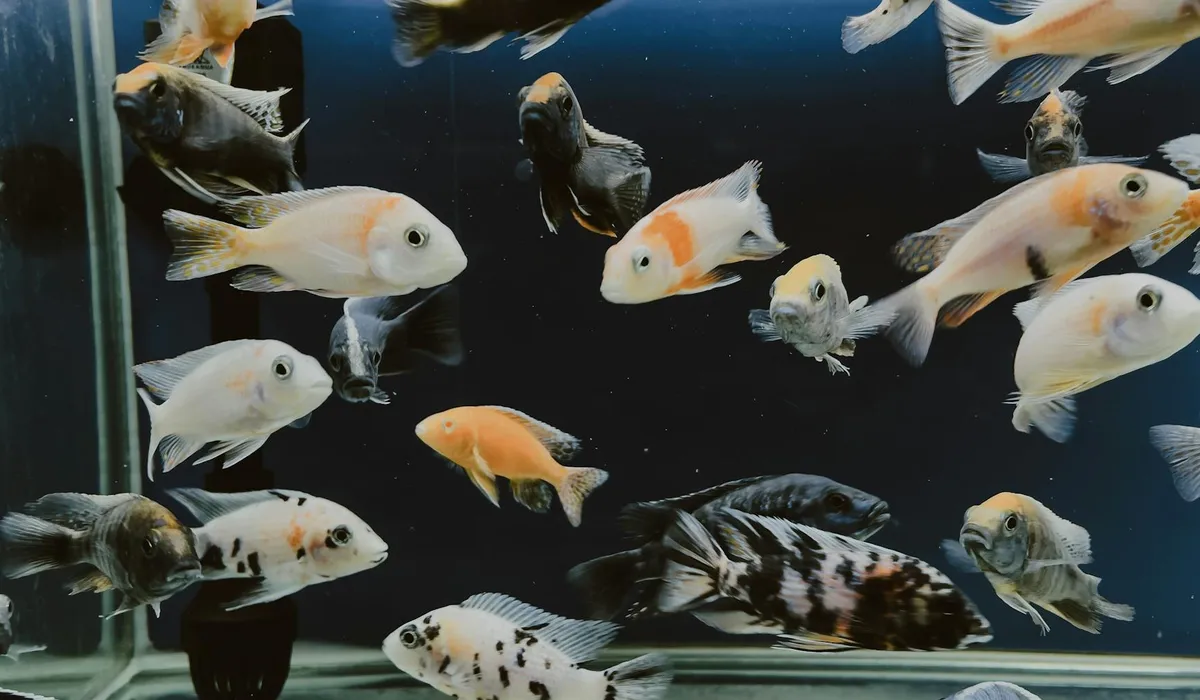
- Conduct a Tank Inventory Audit
Start by writing down every fish in your tank, their adult size, and their current behavior. I learned this the hard way when I assumed my Crowntail Betta, Captain Fin, would stay small, but he grew and his feisty personality meant I had to rethink his tank mates. Keeping a simple log helps you spot overstocking before water quality drops. Note any signs of stress, like hiding or fin nipping, which can signal overcrowding.
- Calculate Your True Bioload Capacity
Forget the old “one inch per gallon” rule-it fails with messy fish like goldfish. Goldie, my Oranda, produces waste equal to three neon tetras. Instead, use online bioload calculators that factor in fish type, feeding habits, and filtration. Aim for a bioload that keeps ammonia and nitrites at zero, with nitrates below 20 ppm for most communities. For a 20-gallon tank, that might mean two small schooling fish and a bottom feeder, not five large fish.
- Research and Plan for Perfect Compatibility
Match fish by temperament, water needs, and swimming zones. Captain Fin’s iridescent blue and red colors are stunning, but his feisty nature means he can’t live with flashy fin-nippers. Shadow, my Corydoras, thrives with peaceful mid-water fish because he’s a shy bottom dweller. Check temperature and pH overlaps-for example, bettas prefer 78-80°F and pH 6.5-7.5, while goldfish need cooler water around 68-74°F. A mismatch causes constant stress.
- Add New Fish in Small, Monitored Batches
Introduce no more than 2-3 fish at a time, spaced two weeks apart, to let your filter bacteria adjust. I always quarantine new arrivals in a separate tank for a week to watch for illness. Acclimate fish to new parameters slowly by floating their bag and adding tank water every 10 minutes to prevent shock from parameter shifts. Before releasing, ensure the bag’s temperature and pH are close to the tank’s values to minimize parameter differences. Make changes gradually during acclimation to help fish adjust to the new water parameters. After adding, test water daily for a week—any ammonia spike means you added too many too fast.
Advanced Stock Control: Optimizing Your Aquatic Warehouse
Boosting Your Filtration and Turnover Rate
Upgrade to a filter that processes all tank water at least 6-10 times per hour for stocked tanks. I use a canister filter with mechanical, chemical, and biological media to handle Goldie’s waste. A high turnover rate, like 800 gallons per hour in a 75-gallon tank, keeps water crystal clear and reduces toxin buildup. Clean filter media in old tank water during changes to preserve beneficial bacteria-never under tap water, which kills them.
Mastering Water Change Replenishment
Change 25-30% of water weekly, or 50% if nitrates creep above 40 ppm. Use a gravel vacuum to siphon waste from substrate, which I do while Shadow forages in the stirred-up debris. Always treat new water with a dechlorinator and match temperature within 2°F to avoid stressing fish. For replenishment, I mix in a mineral supplement for hard water species to maintain stable GH and KH levels.
The Live Plant Safety Buffer
Add fast-growing plants like hornwort or java fern-they absorb nitrates and provide hiding spots, which calms shy fish like Shadow. In my tank, plants consume up to 30% of the bioload, letting me stock slightly heavier safely. Rooted plants in nutrient-rich substrate also oxygenate water and reduce algae by competing for nutrients. Prune them regularly to prevent decay, which can spike ammonia if left unchecked.
Rescuing an Overstocked Tank: Your Action Plan
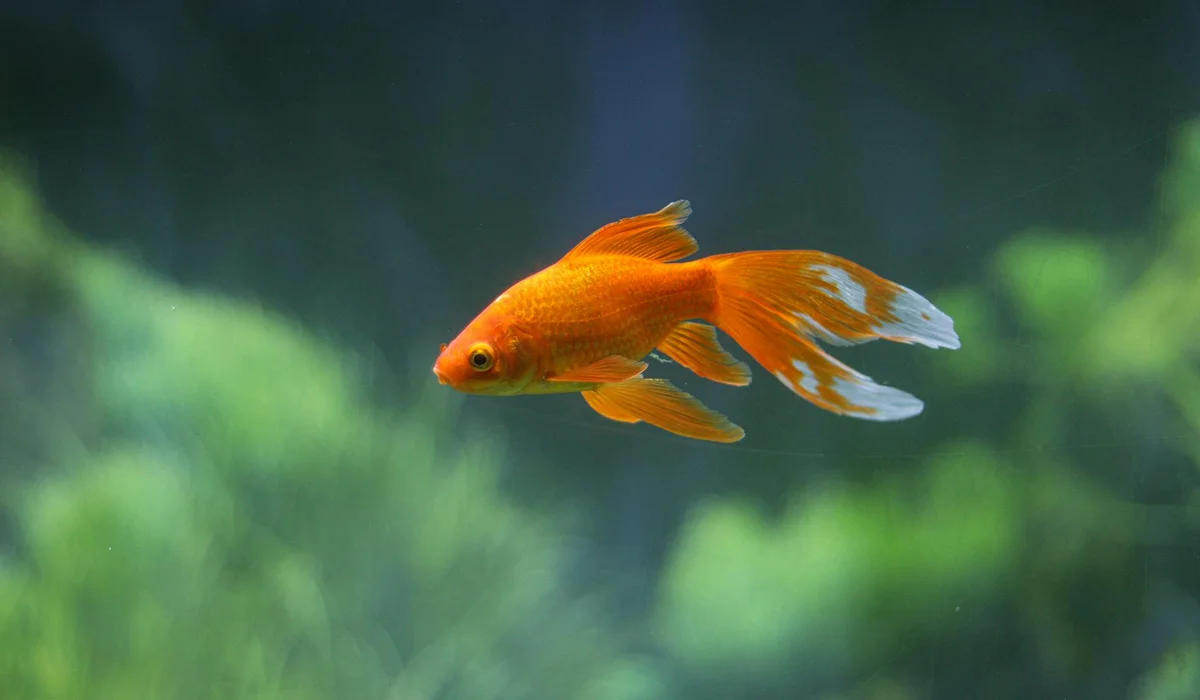
Realizing your tank is overstocked can feel overwhelming, but taking swift, calm action can turn things around for your fish. Your first priority is stabilizing the environment to prevent stress and illness, starting with water quality.
Step 1: Perform an Immediate Partial Water Change
Overstocking spikes ammonia and nitrite levels fast, so a 25-30% water change is your best first move. Using a fish tank siphon makes a water change quick and clean. It helps you achieve a near-perfect water change by removing debris from the substrate while you refill with conditioned water. Use a gravel vacuum to siphon waste from the substrate, which helps remove decaying matter that fuels bad bacteria. Always treat new water with a dechlorinator and match the temperature to your tank within 1-2 degrees to avoid shocking your fish. I do this weekly for Goldie, my Oranda, who produces more waste than my entire community tank combined.
Step 2: Test Your Water and Boost Filtration
Grab your liquid test kit and check ammonia, nitrite, nitrate, and pH right after the water change. If ammonia is above 0.25 ppm, you need to act fast. Adding a sponge filter or increasing flow in your current filter provides more surface area for beneficial bacteria to colonize and process toxins. For a quick DIY hack, I sometimes add an extra filter sponge from an established tank to seed good bacteria instantly.
- Ammonia and nitrite must be at 0 ppm; any reading signals danger.
- Nitrate should stay below 20 ppm for most freshwater fish.
- pH stability matters more than a perfect number; sudden shifts harm fish.
Step 3: Evaluate Your Fish and Rehome Aggressors or Incompatible Species
Look for signs of stress like clamped fins, gasping at the surface, or excessive hiding. Incompatible fish, like a feisty Betta with fast swimmers, will escalate stress in a crowded tank, so rehoming the bullies or misfits is kinder than forcing them to coexist. I learned this when Captain Fin, my Crowntail Betta, kept flaring at tankmates; moving him to his own space saved everyone’s sanity. In a single aggressive fish community tank, quick action—removing the bully or relocating it—often keeps the peace. When the aggressor is removed, the rest can settle in without constant fear or stress.
- List all fish species, their adult sizes, and temperaments.
- Identify any that need different water parameters (e.g., goldfish prefer 65-72°F, while tropical fish like 75-80°F).
- Contact local fish stores or aquarium clubs for rehoming options-many will take healthy fish.
Step 4: Increase Oxygen and Reduce Feeding Temporarily
Overstocked tanks have lower oxygen levels, especially at night when plants consume it. Adding an air stone or adjusting your filter output to create surface agitation boosts oxygen exchange, giving your fish relief from labored breathing. This is a key method you’ll find in the Oxygen Levels in Your Aquarium: A Complete Guide. Following the guide’s tips can help you optimize oxygenation alongside lighting, filtration, and feeding routines. Cut back feeding to once every other day with small portions; this reduces waste buildup while your tank recovers. Shadow, my Corydoras, does fine with less food for a short period, as he scavenges algae and leftovers.
Step 5: Plan a Long-Term Solution-Upgrade or Rescape
Once the crisis is managed, decide if you need a larger tank or a rescape to improve swimming space. Do choose the right aquarium size for your fish species from the start. Different species have different space needs, so tailor tank size to the adult size and activity level. A good rule is 1 gallon of water per inch of adult fish, but factor in fish behavior—active swimmers need more room than bottom dwellers. For example, Goldie requires at least 20 gallons for one goldfish, plus 10 more for each additional one, due to their high waste output. Rearranging decor to create open areas and hiding spots can make a smaller tank feel larger without buying new equipment.
FAQs
How does overstocking affect the nitrogen cycle in my aquarium?
Overstocking overwhelms the beneficial bacteria that convert toxic ammonia into nitrites and nitrates, leading to dangerous spikes in ammonia levels. This can cause fish stress, illness, or even death if not addressed quickly. Regularly testing water parameters helps you catch imbalances before they harm your aquatic pets. When you test ammonia, your numbers tell you if the cycle is handling waste or if a precautionary water change is needed. Understanding what [those results mean](https://finandflux.com/how-to-test-for-ammonia-in-your-aquarium-and-what-the-results-mean) helps you take quick, targeted steps to keep your fish safe.
What are some common mistakes when using the inch-per-gallon rule?
Many aquarists apply the inch-per-gallon rule without considering fish shape, waste production, or activity level, which can lead to overcrowding. For example, a 10-inch slender fish like a danio has a lower bioload than a 10-inch round-bodied goldfish. Always adjust this rule based on species-specific needs and use it as a rough guideline rather than a strict measure. Understanding aquarium stocking bioload beyond the inch-per-gallon rule is crucial for maintaining a healthy environment.
How can I monitor my fish’s behavior to detect overstocking early?
Watch for signs like frequent gasping at the surface, hiding, or clamped fins, which indicate stress from poor water quality or lack of space. Aggressive chasing or fin nipping can also signal territorial disputes in a crowded tank. Keeping a behavior log alongside water tests helps you spot issues before they escalate.
What equipment upgrades can help prevent overstocking issues?
Upgrading to a filter with a higher flow rate, such as a canister model, improves waste processing and oxygen levels in a stocked tank. Adding an air stone or surface skimmer boosts oxygenation, reducing stress on fish. Regularly maintaining equipment and using live plants as a natural buffer can also support a healthier environment.
Your Blueprint for a Thriving Tank
Always base your stocking decisions on the adult size and social needs of your fish, not their juvenile appearance. Regular water testing and consistent maintenance are your best tools for preventing the stress and illness that overstocking causes.
Being a dedicated fish keeper means committing to the well-being of every creature in your care. Stay curious, keep learning about aquatic life, and your aquarium will reward you with years of beauty and balance.
Further Reading & Sources
- r/Aquariums on Reddit: tips on maintaining an overstocked tank?
- The Impact of Overstocking a Saltwater Tank and How to Avoid it | Artistic Oceans
- Overstocked aquarium- why less fish is better?
- 18.5. Maintenance of a Heavily Stocked Aquarium
- Is My Aquarium Overstocked? (9 Signs To Keep An Eye On)
Lia is an expert in aquarium and pet fish care. Having worked in the marine industry and having cared for multiple pet fish, she has acquired first hand expertise on aquarium care, maintenance and setup. She always brings her practical expertise and science to help solve any aquarium related queries.
Water Quality