
Betta Fish Myths Debunked: The Truth About Their Real Needs
Hello fellow fish lovers. You’ve probably heard a dozen different pieces of advice about Betta care, maybe even from a well-meaning pet store employee. It can be incredibly confusing to figure out what’s best for your vibrant, feisty friend.
This guide cuts through the noise to give you the real facts, covering:
- The truth about small bowls and proper tank size.
- The surprising role of bubbles and filters.
- Which fish can actually be safe tank mates.
I’ve learned this through years of hands-on experience keeping thriving aquariums and breeding fish like my own Crowntail Betta, Captain Fin.
The Bowl Myth: Why Small Tanks Harm Your Betta
Minimum Tank Size for Betta Health
I see so many bettas languishing in tiny containers, and it always breaks my heart. A proper home for a single betta starts at 5 gallons, with 10 gallons being the sweet spot for creating a stable, thriving environment. This isn’t just about swimming space; it’s about water chemistry. A larger volume of water dilutes waste products like ammonia and nitrite, making the environment much safer and more stable for your fish. In a 5-gallon tank, you have a fighting chance against parameter swings, but in anything smaller, a single missed water change can be a death sentence.
Think of it this way: would you rather live in a spacious, well-ventilated room or be locked in a tiny closet? That extra gallonage gives you room for a gentle filter, a proper heater, and even some live plants, which all contribute to a healthier, less stressed fish. My own betta, Captain Fin, went from a dull, listless existence in a small tank to a vibrant, active showpiece after I upgraded him to a 10-gallon. The difference was night and day.
Dangers of Fish Bowls
Beyond just being too small, the classic fish bowl is a deathtrap in disguise. The rounded glass distorts a betta’s vision, causing constant stress as the outside world appears warped and threatening. This chronic stress weakens their immune system, leaving them wide open to diseases like fin rot and ich. The small surface area also severely limits gas exchange, leading to dangerously low oxygen levels in the water, which can suffocate your fish.
Here’s a quick list of why bowls fail bettas:
- Unstable water temperature due to lack of space for a reliable heater.
- Rapid buildup of toxic ammonia from fish waste.
- Inadequate space for a filter, leading to poor water quality.
- Lack of swimming room, causing fin clamping and lethargy.
Ditch the bowl and opt for a standard rectangular tank; your betta will thank you with brighter colors and more energetic behavior.
Bubbles and Filtration: What Bettas Really Need
Understanding Bubble Nests
One of the biggest misconceptions is that a bubble nest means your betta is “happy.” In reality, a bubble nest is simply a sign of sexual maturity; it’s an instinct to prepare for potential offspring, not a wellness report card. I’ve seen bettas build elaborate nests in awful conditions. A male betta will blow a raft of bubbles at the water’s surface, using his saliva to make them more durable. It’s fascinating to watch, but it doesn’t mean his water is clean or his tank is large enough.
While it’s a healthy natural behavior, focus on the real indicators of betta health: vibrant colors, full and flowing fins, and a strong appetite. Captain Fin builds nests regardless of whether I’ve just done a water change or if it’s been a week, proving it’s more about hormones than habitat perfection.
Choosing the Right Filter
All bettas need a filter, but not just any filter will do. Their long, delicate fins are like flowing silk, and a strong current will batter them, leading to stress and fin damage. You need a gentle filter that provides biological filtration without creating a whirlpool in the tank. The beneficial bacteria that grow in the filter media are your number one defense against toxic ammonia, making a filter non-negotiable for a healthy ecosystem.
Let’s compare the best filter options for a betta tank:
- Sponge Filters: My top choice. They are gentle, affordable, and provide excellent biological filtration. The bubbles even add a minor amount of surface agitation.
- Hang-on-Back (HOB) Filters: A great option if you can baffle the output. You can easily do this by placing a pre-filter sponge over the outflow or directing it towards the tank wall.
- Internal Filters: Some can be adjusted for flow. Look for ones with a spray bar or adjustable output to soften the current.
The gentle hum of a properly sized filter is the sound of a stable, healthy aquarium, and it’s far more important for your betta’s well-being than the presence of a bubble nest.
Betta Buddies: The Truth About Tank Mates
Safe Betta Compatibility Choices
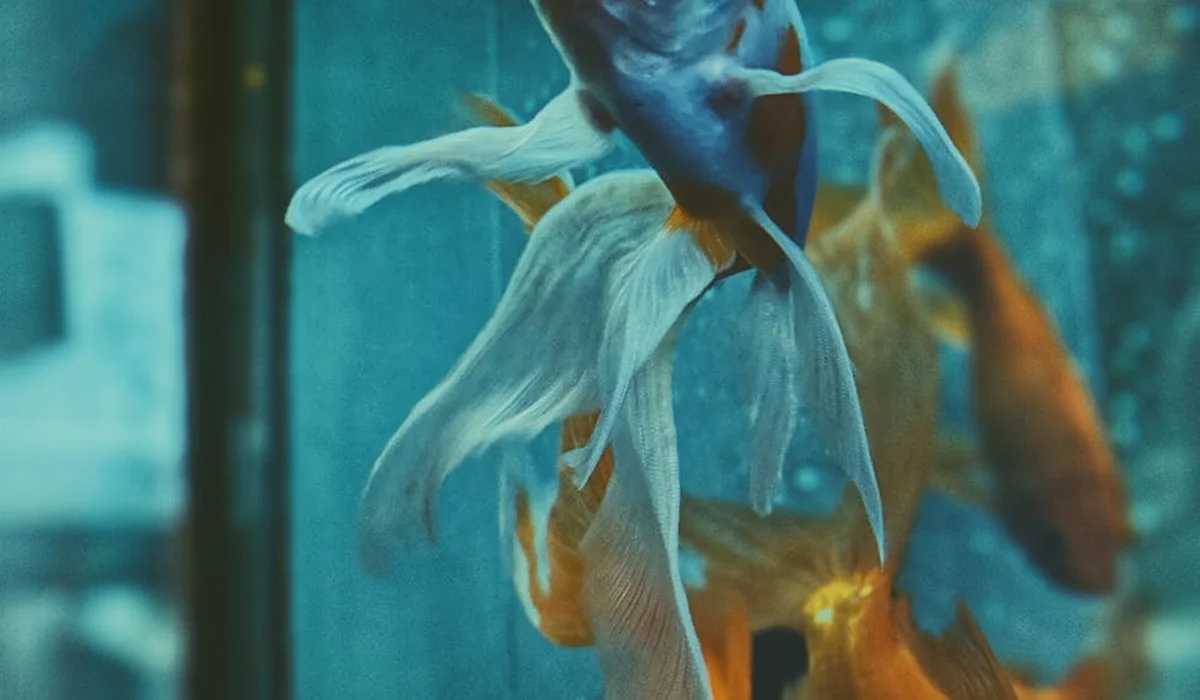
Many people think bettas must live alone, but with careful selection, they can thrive with certain tank mates. I’ve kept my betta, Captain Fin, with peaceful bottom-dwellers like Corydoras catfish, and it’s reduced his territorial behavior. The key is picking fish that inhabit different water layers and have calm temperaments. To simplify planning, check a betta fish safe compatibility list to guide your selections. Such lists highlight species that coexist peacefully and share compatible water conditions.
Here are some reliable tank mate options that have worked well in my setups:
- Corydoras Catfish: These bottom-feeders, like my Shadow, are active yet non-threatening, helping clean up leftover food.
- Snails (e.g., Nerite or Mystery Snails): They slowly graze on algae and rarely bother bettas, making them ideal for community tanks.
- Small Schooling Fish: Ember tetras or harlequin rasboras stay in mid-water and can distract bettas from focusing on one target.
- Amano Shrimp: They’re efficient algae eaters and fast enough to avoid curious bettas, though larger shrimp are safer.
Always introduce tank mates in a well-planted tank with hiding spots to minimize stress. I’ve found that a 10-gallon or larger tank gives everyone enough space to establish territories without conflict.
Signs of Aggression to Watch For
Even with compatible mates, bettas can show aggression, so monitor their behavior closely after introductions. Captain Fin once flared at a new snail, but it passed once he got used to it. Look for rapid gill flaring, where the betta puffs out its gill covers to appear larger-this is a clear warning sign.
Other red flags include:
- Chasing or Nipping: If your betta relentlessly pursues another fish, it’s time to intervene.
- Color Changes: Darkening or intense coloration can indicate stress or readiness to fight.
- Hiding or Cowering: Tank mates that hide constantly might be bullied, affecting their health.
If you spot these signs, try rearranging tank decorations to break territories or remove the aggressive betta temporarily. In my experience, early intervention prevents injuries and keeps the tank harmonious.
Setting Up a Healthy Betta Tank
Heating and Water Temperature Control
Bettas are tropical fish, and without proper heating, they become sluggish and prone to disease. I keep Captain Fin’s tank at a steady 78-80°F using an adjustable heater. Sudden temperature drops below 75°F can weaken their immune system, leading to fin rot or other issues.
Use a submersible heater with a built-in thermostat for accuracy, and place it near water flow for even distribution. I check the temperature daily with a reliable aquarium thermometer to avoid fluctuations that stress fish, especially when it’s crucial to maintain stable water temperature.
For smaller tanks, a 25-50 watt heater works well, but larger setups might need 100 watts or more. Consistent warmth mimics their natural habitat, encouraging vibrant colors and active behavior.
Cycling Your Tank Properly
Cycling establishes beneficial bacteria that break down harmful waste, and skipping this step is a common mistake. Think of it like building a foundation for a house-without it, everything collapses. A fully cycled tank converts toxic ammonia from fish waste into safer nitrates through the nitrogen cycle.
Here’s how I cycle a new tank step by step:
- Add an Ammonia Source: Use fish food or pure ammonia to reach 2-4 ppm ammonia levels, feeding the bacteria.
- Test Water Regularly: With a liquid test kit, monitor ammonia, nitrite, and nitrate daily until ammonia and nitrite read zero.
- Wait for Nitrate Rise: This shows bacteria are processing waste, which usually takes 4-6 weeks.
- Partial Water Changes: Once cycled, do a 25% water change to reduce nitrates before adding your betta.
You can speed up cycling by borrowing filter media from an established tank or using bacterial starters. I never add fish until the cycle is complete—it’s the best way to ensure their long-term health and avoid “new tank syndrome.” Here’s a cycle fish tank properly step-by-step guide to keep you on track. It outlines safe, incremental steps to establish beneficial bacteria before adding fish.
Betta Care Basics: Feeding and Maintenance
Proper Betta Feeding Practices
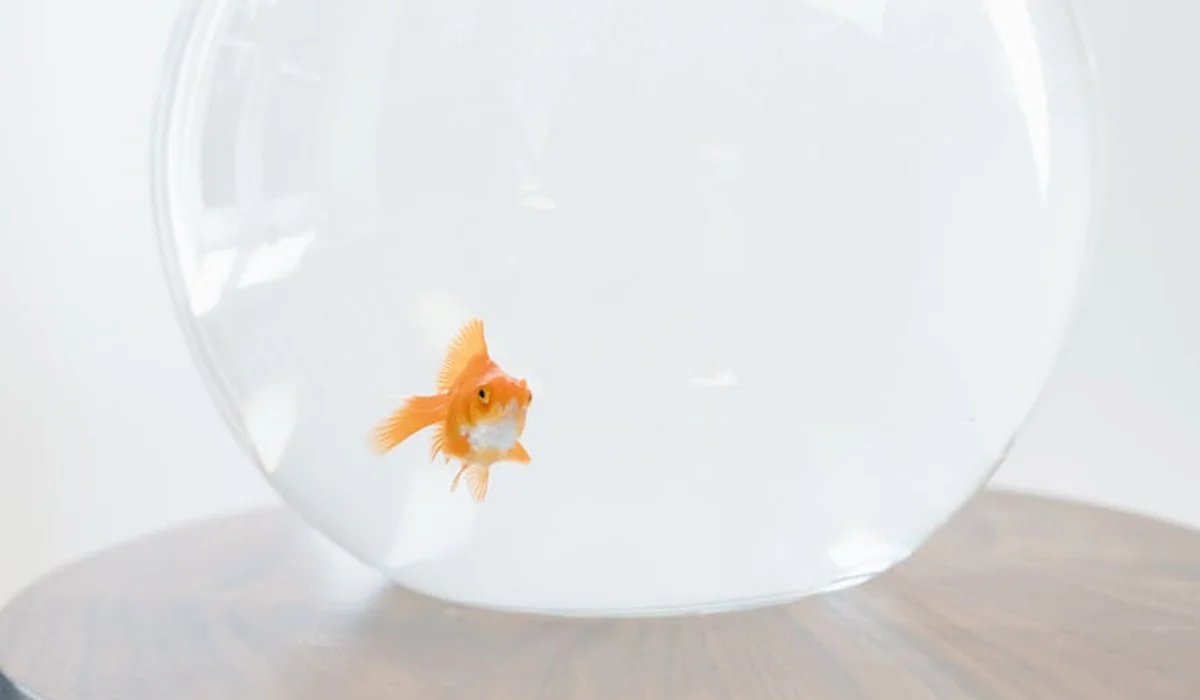
Feeding your betta correctly is one of the most direct ways you impact their health and color. I see so many new owners make the same simple mistakes. Also, in a community tank, bottom feeders like plecos and corydoras need proper sinking foods to stay healthy. Taking their feeding into account helps keep the whole tank balanced.
Offer a varied diet of high-quality betta pellets, frozen or live foods like brine shrimp, and the occasional treat. This variety ensures they get all the necessary nutrients and keeps them excited for mealtime, much like my betta, Captain Fin. For a complete feeding guide, you’ll also find tips on portion sizes and feeding frequency to keep your betta healthy, and on balancing protein with other nutrients. This additional guidance helps ensure long-term health and vibrant colors in your fish.
Portion control is absolutely critical. A betta’s stomach is about the size of its eye.
- Feed 2-3 pellets, twice a day.
- Soak dry pellets in a small cup of tank water for a minute before feeding. This prevents them from expanding in your fish’s stomach and causing bloating.
- Fast your betta for one day each week. This gives their digestive system a break and helps prevent constipation.
Remove any uneaten food after five minutes. Letting it decay will spike ammonia levels and cloud your water.
Routine Tank Maintenance
A clean tank is a healthy tank, but you don’t need to scrub it spotless every week. The goal is stability, not sterility.
Perform a 25-30% water change every single week without fail, using a gravel vacuum to siphon waste from the substrate. Use a fish tank siphon to make the change smooth and precise. A good siphon helps pull out dirty water from the substrate while minimizing disturbance to your beneficial bacteria. This simple habit is the single best thing you can do for your fish’s long-term health.
I use a simple checklist to make sure I don’t miss anything:
- Unplug your heater and filter.
- Use your gravel vacuum to remove water and debris from the substrate.
- Wipe the inside glass with a dedicated algae magnet or pad.
- Pour in dechlorinated water that is close to your tank’s current temperature.
- Plug your equipment back in.
Never replace filter media unless it is literally falling apart. Just rinse the filter sponge or cartridge in the old tank water you removed during a water change. This preserves the beneficial bacteria that keep your tank’s ecosystem safe. Learn how often you should replace your aquarium filter media.
Understanding Betta Behavior and Health
Decoding Betta Fish Personality
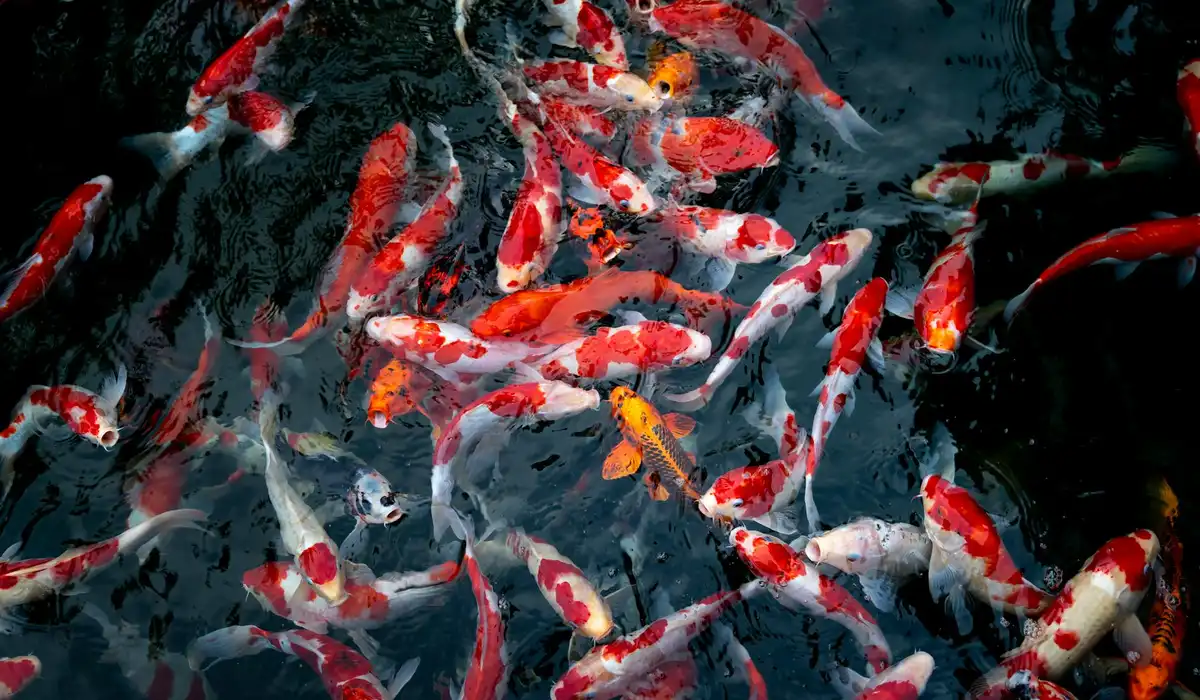
Bettas are not just decorative objects; they have huge, individual personalities. Learning to read their behavior is incredibly rewarding.
Flaring, where they puff out their gill covers, is a display of aggression or territory. Occasional, brief flaring at their own reflection is normal exercise, but constant flaring from seeing another betta is stressful and must be prevented.
Some bettas, like Shadow the Corydoras, are shy and prefer dense plant cover. Others are bold and will follow your finger. Captain Fin knows it’s feeding time and will swim to the front of the tank the moment I walk in the room.
Look for these signs of a happy, curious betta:
- Active swimming and exploring all levels of the tank.
- Building bubble nests at the water’s surface (a sign of maturity and contentment).
- A strong, eager response to feeding time.
- Smooth, unclamped fins that flow behind them as they swim.
Preventing Common Health Issues
Most betta health problems are directly linked to their environment. Prevention is always easier than treatment.
Fin rot often starts with poor water quality, causing the edges of the fins to look ragged, dark, or like they are melting away. The fix is almost always a series of clean, warm water changes, not medication.
Swim Bladder Disease makes it hard for your betta to stay upright. They may float sideways or struggle to swim down.
- This is frequently caused by overfeeding or constipation.
- Try fasting for 2-3 days, then offering a de-shelled, cooked pea.
- Ensure your water temperature is a steady 78-80°F, as cooler water slows their digestion.
Ich appears as tiny white salt-like spots peppered over their body and fins. It’s a parasite that thrives when a fish is stressed from poor conditions. You must treat the entire tank with a reputable ich medication and slowly raise the temperature to 82-86°F to speed up the parasite’s life cycle. This is part of treating ich white spot disease. Also, maintain consistent water quality and quarantine new fish to prevent reinfection.
The best medicine is always a pristine habitat. A stable, cycled, and heated tank is your betta’s best defense against disease.
FAQs
Where do the myths about betta fish being low-maintenance come from?
The myth of bettas being low-maintenance stems from their ability to breathe atmospheric air and survive in puddles. This survival adaptation was misinterpreted as them thriving in small, unfiltered bowls. Their beautiful, hardy nature also led to their mass marketing in tiny containers, which perpetuated the misconception that they don’t need much space or equipment.
Is there any truth to the Siamese Fighting Fish mythology?
Yes, the name “Siamese Fighting Fish” is rooted in historical fact. They were originally bred in Southeast Asia (modern-day Thailand) for aggression and fighting matches, much like cockfighting. This history is why male bettas are so territorial and must be housed separately from each other, but it does not mean they enjoy or benefit from fighting.
What is a common myth about female betta fish?
A prevalent myth is that female bettas are always peaceful and can be kept together easily. While they can sometimes live in groups called “sororities,” this requires a very large, heavily planted tank and careful monitoring. Females can be just as aggressive as males, and sororities often fail, leading to stress, injury, or death without expert-level care and setup.
Is it good to use a mirror to exercise my betta fish?
While a betta will flare at its reflection, this is a stressful act of aggression, not healthy exercise. Chronic exposure to a mirror can lead to constant stress, a weakened immune system, and exhaustion. For enrichment, it is far better to provide a larger tank with plants and decorations to explore, or occasionally move a laser pointer for them to follow.
Your Happy, Healthy Betta Awaits
Ditch the tiny bowl for a filtered, heated five-gallon tank and you’ll see your betta’s true personality—and vibrant colors—blossom. Choose tank mates like peaceful corydoras or snails carefully, and always prioritize calm water over disruptive bubbles. Test and maintain proper water parameters in your aquarium to keep your betta healthy and stress-free. Regular checks for ammonia, nitrite, nitrate, pH, and temperature will help ensure a stable environment.
Keeping a betta is a rewarding journey of observation and learning, not a one-time setup. Your commitment to understanding their specific needs is what transforms basic fish-keeping into a thriving, beautiful underwater ecosystem.
Further Reading & Sources
- 5 Common Betta Fish Myths, Mistakes, and Misconceptions – PetHelpful
- Betta Fish Myths Debunked: Separating Fact from Fiction – Pet Safety Crusader
- 7 Betta Fish Myths and Misconceptions Debunked: Vet-Approved Facts | PangoVet
- 9 Common Betta Fish Myths – Did you know | Tank Facts
- 10 Myths You Might Believe About Betta Fish – DustinsFishtanks
Lia is an expert in aquarium and pet fish care. Having worked in the marine industry and having cared for multiple pet fish, she has acquired first hand expertise on aquarium care, maintenance and setup. She always brings her practical expertise and science to help solve any aquarium related queries.
Fish Species