
Fish Compatibility Catastrophes: 9 Tank Mate Mistakes That Can Ruin Your Aquarium
Hello fellow fish keepers! Have you ever added a new fish to your tank, only to see fin-nipping, hiding, or worse within hours? That sinking feeling is all too common, but this guide is here to turn your tank turmoil into a peaceful, thriving community.
We’ll break down the top errors that lead to disaster, so you can sidestep them with confidence. You’ll learn how to avoid pitfalls like:
- Mixing fish with wildly different temperaments
- Ignoring adult size and growth rates
- Overlooking specific water parameter needs
- Forgetting about territorial behaviors
- Choosing tank mates based on looks alone
With years of experience running high-tech planted tanks and breeding fish like bettas and corydoras, I’ve seen these mistakes firsthand and can help you prevent them.
Why Fish Compatibility Matters in Your Aquarium
Think of your aquarium as a tiny, glass-enclosed world. Every creature you add changes the balance of that world. Getting compatibility right is the single biggest factor that separates a thriving, peaceful tank from a stressful, costly disaster. It’s not just about preventing fights; it’s about creating an environment where every fish can express its natural behaviors without fear. Choosing the right tank mates is essential for reducing stress and aggression. When species are compatible, the tank stays calmer and fish display natural behaviors more readily.
When fish are compatible, you see the true magic of the hobby. Your Corydoras will happily sift through the sand, your tetras will school tightly, and even a feisty betta like my Captain Fin can coexist without turning the tank into his personal battlefield. A harmonious tank means less stress on the fish, which directly translates to stronger immune systems and far fewer health problems for you to manage. The gentle hum of the filter becomes the soundtrack to a serene underwater community, not a war zone.
Mistakes in Research and Fish Selection
This is where most new aquarists trip up. A quick glance at a fish’s color in the store isn’t enough. Proper research is your first and best line of defense against a tank catastrophe. You need to become a detective, learning not just about one fish, but about how all the potential inhabitants will interact 24/7. The ultimate guide to aquarium territorial behavior shows how space, hierarchy, and signals drive aggression. With that, you can anticipate conflicts and plan a safer, more harmonious tank layout.
Not Quarantining New Fish
Bringing a new fish straight from the store bag into your main tank is like playing Russian roulette with your entire aquatic family. I learned this the hard way years ago. That shimmering new fish can carry invisible hitchhikers like ich or internal parasites that will quickly spread to your established, vulnerable fish. The stress of transport weakens their immunity, allowing latent diseases to bloom.
You need a simple, separate quarantine tank. It doesn’t need to be fancy—a basic 10-gallon tank with a filter and heater will do. When you bring in new fish, set up the quarantine tank in advance and keep them there for 2–4 weeks. This lets you monitor health and prevent pests from entering the main tank.
- Observe the new fish for any signs of illness like clamped fins, spots, or irregular swimming.
- This gives you a safe space to treat any issues without dosing your main tank with medications that can harm your beneficial bacteria or plants.
- A strict 2 to 4-week quarantine period is non-negotiable for protecting your investment and your peace of mind.
Choosing Overly Aggressive Species
Some fish are simply not community players. It’s in their nature. Mixing naturally aggressive species with peaceful ones is a recipe for nipped fins, constant hiding, and eventually, dead fish. My Crowntail Betta, Captain Fin, has a personality that just won’t tolerate other flashy fish in his space. He’s a solo artist, and that’s okay. If you’re curious about potential tank mates, a betta fish safe compatibility list can guide you to safe, compatible options. It’s better to tailor choices to each betta’s temperament, rather than assume all peaceful fish will get along.
You must look beyond the “semi-aggressive” label and understand the *type* of aggression.
- Fin-nippers like some Tiger Barbs will relentlessly harass slow-moving fish with long, flowing fins.
- Territorial cichlids may claim half the tank as their own, attacking any fish that wanders too close.
- Even some larger catfish can become bullies under the cover of darkness.
Always research the specific behavioral traits of a species, not just its water parameters. A fish’s temperament is just as important as its preferred pH. Understanding how they play, fight, and mate helps you anticipate social dynamics. This broader view of behavior is essential for responsible care and successful introductions.
Underestimating Adult Fish Size
This is the most common and heartbreaking mistake. That adorable, two-inch fish at the store might be a foot-long monster in the making. You are responsible for housing the adult-sized animal, not just the juvenile you fell in love with at the pet shop. A fish stunted by a small tank is a fish suffering from permanent organ damage.
Always research the maximum potential size of a species before you buy.
- Common Plecos are a classic example; they can easily surpass 12 inches and produce a staggering amount of waste, overwhelming most home aquariums.
- Goldfish, like my Goldie, are not bowl fish. They are large, messy creatures that require 20-30 gallons for the first fish and 10-20 more for each additional one.
- Even smaller fish like Angelfish need tall tanks to accommodate their impressive vertical finnage as they mature.
Planning for the full-grown fish ensures a healthy life and prevents the difficult task of rehoming a pet that has outgrown its home.
Mistakes in Tank Environment and Setup
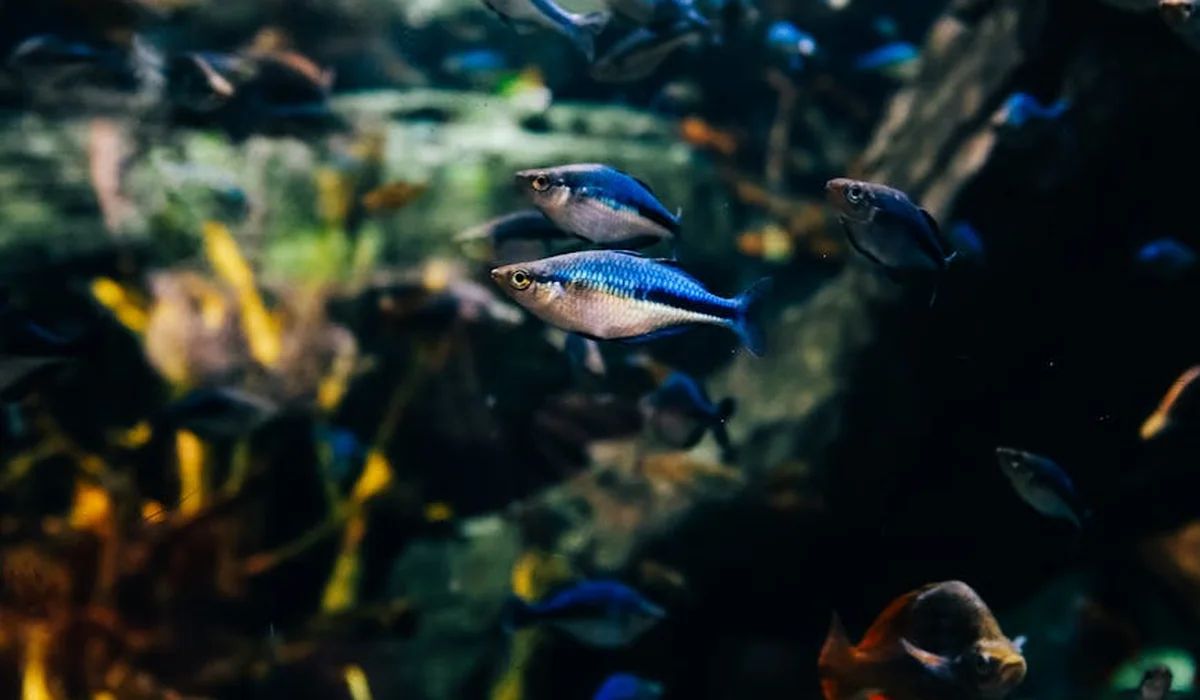
Mixing Coldwater and Tropical Fish
This is one of the most common and stressful mistakes I see. You cannot keep a goldfish like my Goldie happy in the same warm water a betta like Captain Fin thrives in. Goldfish are coldwater species, preferring temperatures between 65-72°F, while most tropical community fish need a steady 75-80°F to stay healthy and active. Forcing a coldwater fish to live in a warm tank speeds up its metabolism to an unhealthy degree, leading to organ stress and a shortened lifespan. The reverse is just as bad; tropical fish in cold water become lethargic, lose their appetite, and become vulnerable to disease.
Overcrowding the Aquarium
It’s tempting to add just one more beautiful fish, but overcrowding is a silent killer. More fish means more waste, which directly leads to toxic ammonia and nitrite spikes that your filter can’t handle. Overcrowding doesn’t just pollute the water; it also creates constant competition for food, space, and oxygen, leading to chronic stress and aggression. A good starting rule is one inch of adult fish per gallon of water, but you must also consider the fish’s full-grown size and waste production. A single common goldfish, for instance, really needs a 30-gallon tank or larger all by itself.
Mistakes in Behavior and Daily Care
Ignoring Breeding Habits
If you don’t account for a fish’s drive to reproduce, you can quickly lose control of your tank’s population and peace. Livebearers like guppies and platies are famous for this. I learned the hard way that a single female guppy can produce dozens of fry every month, turning a calm community tank into a cramped, overstocked nursery. Other species, like some cichlids, become fiercely territorial and aggressive when protecting their eggs or fry. Always research a fish’s breeding behavior before adding it to a shared home.
Pairing Carnivores with Peaceful Fish
This seems obvious, but many peaceful fish have flowing fins that look just like lunch to a predator. A feisty betta might see a small neon tetra as a snack, and a large Oscar will happily eat any tank mate that fits in its mouth. You must match predator and prey based on size and temperament, not just hope for the best. Even if the carnivore doesn’t eat the other fish, the constant chasing and stress will weaken the prey fish’s immune system, making them susceptible to illness.
Creating Social Imbalances
Fish have complex social needs that are easy to overlook. Many common species, like tetras and Corydoras catfish, are schooling fish. Keeping a single schooling fish, like my Shadow the Corydoras, is incredibly stressful for them; they feel vulnerable and exposed without the safety of a group. You should always keep them in groups of six or more. Conversely, some fish are territorial and need to be alone or in specific male-to-female ratios. Putting two male bettas together, for example, will always result in a fight to the death.
Not Adapting Feeding Routines
Feeding one type of flake to every fish in the tank is a recipe for trouble. Surface feeders like bettas will get all the food, while bottom dwellers like catfish will slowly starve. You need a varied feeding strategy that ensures every fish in the water column gets the right nutrition. I use a combination of floating pellets for my top feeders, slow-sinking granules for mid-water fish, and heavy algae wafers that make it all the way down to my Corydoras. This prevents competition and keeps everyone well-fed and healthy.
How to Prevent Fish Compatibility Issues
You can sidestep most compatibility disasters with a bit of foresight. Planning your community tank is like casting a play; you need characters that won’t fight for the spotlight or have wildly different needs. A peaceful aquarium isn’t just luck—it’s built, especially when you choose compatible fish for your community tank.
Research Before You Buy
This is your most powerful tool. Never buy a fish on impulse because it looks pretty at the store.
- Verify the adult size. That tiny shark or cute catfish might outgrow your tank in a year.
- Understand temperament labels. “Semi-aggressive” often means “will bully your smaller fish.”
- Cross-reference water parameters. A fish that thrives in soft, acidic water will struggle in the hard, alkaline water another species needs.
- Observe tank mates in the store. Are they housed with similar fish, or are they alone for a reason?
I always spend at least an hour researching a new species online and in my trusted fish-keeping books before even considering a purchase. It saves money, heartache, and fish lives.
Set Up Your Tank for Success
Your aquarium’s layout can make or break peace among its inhabitants.
- Create distinct territories. Use rocks, driftwood, and dense plantings to break up sightlines and give shy fish like Shadow places to retreat.
- Include plenty of hiding spots. Caves, PVC pipes, and heavy foliage reduce stress for bottom dwellers and potential targets.
- Consider the current. Some fish, like bettas, hate strong flow, while others need it. Position filters and decor accordingly.
- Ensure your tank is the right size. Overcrowding is a primary trigger for aggression and poor health.
A well-structured tank provides escape routes and private spaces, which dramatically lowers the chances of fin-nipping and constant chasing. It’s like giving every fish its own room.
Monitor and Adjust
Your job isn’t over once the fish are in the tank. The first 48 hours are critical.
- Watch for bullying. Is one fish relentlessly chasing another? Are fins being torn?
- Check that everyone is eating. A bullied fish will often hide and miss meals.
- Look for signs of severe stress, like clamped fins, rapid gill movement, or hiding for days on end.
Be prepared with a backup plan, like a temporary tank divider or a cycled quarantine tank, to separate fish immediately if serious aggression occurs. Sometimes, even with the best research, individual fish personalities clash. In our aggressive vs peaceful fish guide for community tanks, recognizing these personalities helps with compatible stocking and proactive conflict prevention.
## Common Questions
How can I test if new fish will be compatible before adding them to my main tank?
A quarantine tank is your best tool for safely observing new fish. You can monitor their health and behavior without risking your established community. This period allows you to see if the new fish shows any signs of aggression or illness that weren’t apparent in the store. During quarantine, look for clear disease signs such as rapid breathing, white spots, blotchy fins, or lethargy. Catching these early helps you decide the right next steps.
What should I do if I realize I’ve made a tank mate mistake and fish are fighting?
Your immediate priority is to separate the aggressor or the victim using a tank divider or by moving one to a quarantine tank. Be prepared to rehome one of the fish if the aggression is severe, as constant stress will lead to health issues or death for the bullied fish. Remember, managing a single aggressive fish in a community tank requires careful attention and intervention.
Can I keep a single schooling fish, like a tetra or corydora, if my tank is too small for a group?
No, you should not keep a single schooling fish. These fish experience significant stress when alone, which weakens their immune system and prevents them from displaying natural, confident behaviors. If your tank is too small for a proper school of six or more, you should choose a different species that is comfortable living alone or in pairs.
My bottom feeder isn’t getting enough food. How can I ensure all my fish are fed properly?
You need to implement a targeted feeding strategy. Use sinking pellets or algae wafers specifically for bottom dwellers, and consider feeding them after lights-out when other fish are less active. This ensures your catfish and loaches get the nutrition they need without competing with faster, top-feeding fish.
Your Blueprint for a Thriving Community Tank
Always research a fish’s adult size, temperament, and preferred water parameters before introducing it to your aquarium to sidestep the most common compatibility errors. Observing your fish’s daily behavior and making swift, informed adjustments when you spot tension is your best defense against a tank meltdown. Regularly test key water-quality parameters—ammonia, nitrite, nitrate, pH, temperature, and alkalinity—to monitor your tank’s health. This data-driven approach complements daily behavior checks to prevent stress and a tank meltdown. For detailed guidelines, you can learn how to regularly test key water-quality parameters.
Remember that fishkeeping is a journey of continuous learning and compassionate responsibility for the lives in your care. Embrace the process, stay engaged with the community, and let your growing expertise guide you toward a healthier, more beautiful underwater world.
Further Reading & Sources
- 10 Safe Betta Fish Tank Mates & Companions | Bettafish.org
- Tank Mates and Fish Community Creator Tool – Check Fish Compatibility Stocking Levels and More
- The Betta Fish Tank Mate Guide: What Works and What Doesn’t – Tropicflow
- Fish Compatibility: How to Build a Peaceful Community Fish Tank
- Tank mate suggestions? : r/Aquariums
Lia is an expert in aquarium and pet fish care. Having worked in the marine industry and having cared for multiple pet fish, she has acquired first hand expertise on aquarium care, maintenance and setup. She always brings her practical expertise and science to help solve any aquarium related queries.
Fish Species