
Do You Really Need a Fish Tank Filter? The Straight Answer for Healthy Aquariums
Hello fellow aquarists! If you’re staring at an empty tank and wondering if you can skip the filter to save cash or aim for a more natural look, I’ve been there too. That initial setup confusion is totally normal, and getting this decision right can mean the difference between a thriving ecosystem and a constant battle with murky water.
This guide breaks down the filter debate into clear, actionable parts so you can confidently choose what’s best for your finned friends. We’ll cover:
- How filters work to keep your water pristine and safe
- The main types of filters and which one fits your tank size
- Rare cases where a filter might not be necessary
- Simple steps to maintain water quality if you go filter-free
I’ve spent years running planted tanks and breeding fish like bettas and corydoras, so I’m sharing from hands-on trial and error.
- ✓
- ✓
- ✓
- ✓
- ✓
- ✓

Why a Fish Tank Filter is Your Aquarium’s Best Friend
The Silent Work of Beneficial Bacteria
Think of your aquarium not just as a box of water, but as a living, breathing ecosystem. The true magic happens on a microscopic level, and it’s all thanks to beneficial bacteria. This invisible workforce is your primary defense against toxic fish waste, tirelessly converting harmful ammonia into safer substances. Without them, your fish would essentially be swimming in their own poison. I’ve seen tanks crash overnight because this bacterial balance was disrupted.
How Filters Host Your Biofilter Army
A filter is far more than a water polisher; it’s a five-star hotel for your beneficial bacteria. These microbes need surface area to cling to and a constant flow of oxygenated, waste-filled water to feast on.
- Porous Power: Filter media like sponges, ceramic rings, and bio-balls are incredibly porous, creating a massive surface area for bacteria to colonize in a small space.
- Constant Buffet: The filter’s flow pulls ammonia and nitrites directly to the bacteria, ensuring they are always well-fed and active.
- Oxygen Delivery: The water movement provides the oxygen these bacteria need to efficiently process waste.
When you look at that humming filter, you’re looking at the biological heart of your entire aquarium setup. This is why you should never replace all your filter media at once-you’d be evicting your entire biofilter army in one go.
Exploring the World of Aquarium Filters
Sponge Filters: Gentle and Budget-Friendly
Powered by a simple air pump, the sponge filter is a humble yet incredibly effective choice. I use these in all my fry rearing tanks and shrimp colonies. The gentle flow is perfect for bettas, baby fish, and other creatures that hate strong currents. They provide outstanding biological filtration as the sponge becomes packed with bacteria. They are also incredibly affordable and easy to clean-just squeeze them out in some old tank water during a water change. Basically, the air pump pushes bubbles through the sponge, pulling water through the porous material where beneficial bacteria grow. With a simple tubing hookup and the sponge positioned correctly, the setup is quick and easy to maintain.
Hang-On-Back Filters: The All-Rounder Choice
If you have a standard community tank, a Hang-On-Back (HOB) filter is likely your best bet. It clips onto the back of your aquarium and uses an impeller to draw water up and through various media trays. HOBs offer fantastic versatility, allowing you to customize the filter media to your tank’s exact needs, from chemical filtration with carbon to polishing with filter floss. The waterfall output helps to agitate the water surface, promoting vital gas exchange. For a 20 to 55-gallon tank, this is my go-to recommendation for its balance of power, price, and simplicity.
Canister Filters: Powerhouses for Larger Tanks
When you graduate to a larger aquarium-think 75 gallons and up-or have a heavily stocked tank, a canister filter is the undisputed champion. Sitting discreetly inside your stand, it holds a tremendous amount of filter media. The sheer volume of biological media in a canister filter creates an incredibly stable and resilient ecosystem, capable of handling significant bioloads from large fish like goldfish. They offer superior mechanical filtration, polishing the water to a crystal-clear shine. While they are an investment and require a bit more effort to clean, the water quality results are unmatched. To set up a canister filter in your aquarium, place the unit under the tank, route the hoses neatly, and prime it before turning on. Then connect the intake and return lines and check for leaks and proper flow.
Matching the Right Filter to Your Tank Size
Filters for Small Tanks and Nano Aquariums
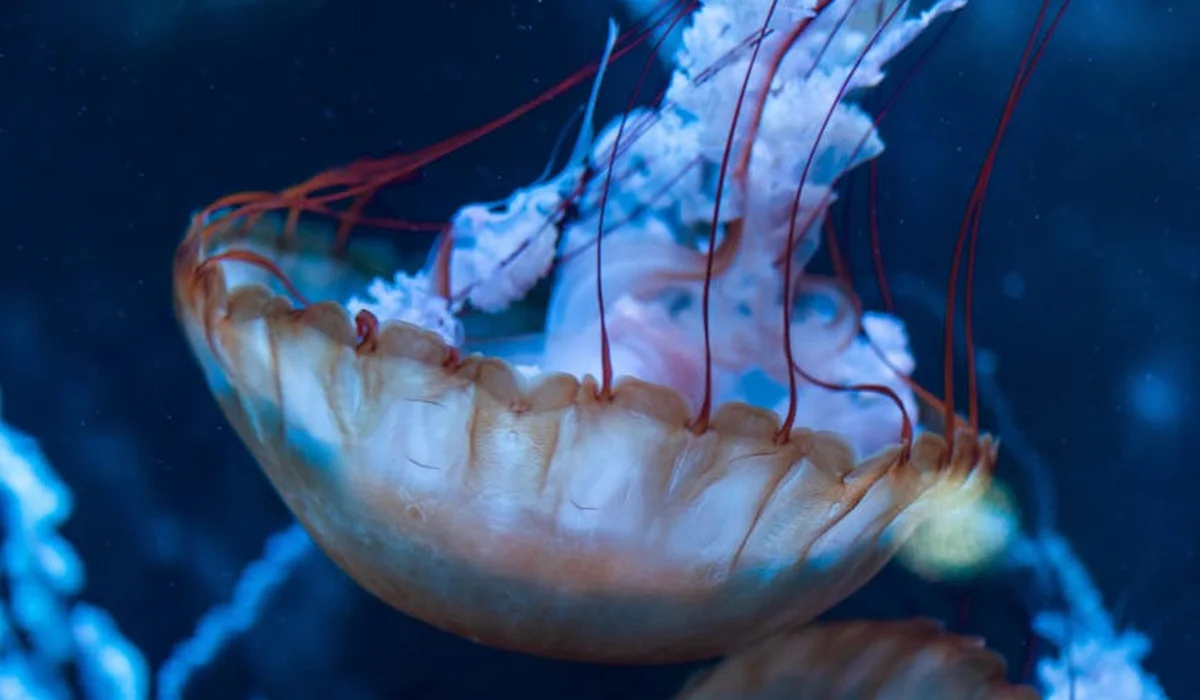
Choosing a filter for a small tank under 10 gallons is a delicate balancing act. You need effective filtration without creating a whirlpool for your fish. For tanks under 5 gallons, a simple sponge filter powered by an air pump is often your best and safest choice. The gentle flow is perfect for bettas like my Captain Fin, whose long fins can be battered by stronger currents. The key is choosing the right aquarium filter for your tank size. Match the filter’s flow and capacity to your gallons to keep the balance.
For slightly larger nano tanks, small hang-on-back (HOB) filters or internal power filters are fantastic options. Look for models with an adjustable flow rate. I’ve found that stuffing a pre-filter sponge on the intake tube of a HOB filter makes it even safer for tiny shrimp and fry. An adjustable internal filter gives you the versatility to tweak the water movement until it’s just a soft hum, not a raging torrent.
- Sponge Filters: Excellent biological filtration, gentle flow, and inexpensive. Ideal for shrimp tanks, betta tanks, and hospital tanks.
- Small Hang-On-Back (HOB) Filters: Provide all three types of filtration (mechanical, chemical, biological). Great for tanks from 5 to 20 gallons.
- Internal Power Filters: Sit inside the tank, out of sight. Perfect for rimless nano aquariums where you want a clean look.
Setting Up Your Fish Tank Filter Successfully
Cycling Your Tank with a Filter
Your filter is the engine of your tank’s ecosystem, and cycling is the process of getting that engine started. This is where you cultivate colonies of beneficial bacteria inside your filter media. Think of your filter media as a bustling city where good bacteria move in to process fish waste. Without this city, toxic ammonia from fish poop and uneaten food quickly builds up.
To cycle your tank, you need to introduce an ammonia source. I prefer using a pinch of fish food every day to simulate a fish’s waste. As the food decays, it releases ammonia. You must test your water every couple of days with a liquid test kit to watch the cycle’s progress. You’ll see ammonia levels rise, then fall as nitrite appears, and finally, nitrite will fall as nitrate appears. It’s important to cycle your fish tank properly to ensure a healthy environment for your aquatic pets.
- Set up your tank and filter completely. Make sure the filter is running.
- Add an ammonia source-either a pinch of fish food daily or a dedicated liquid ammonia product.
- Test your water parameters every 48 hours for ammonia, nitrite, and nitrate.
- The cycle is complete when you can add your ammonia source and test 0 ppm ammonia and 0 ppm nitrite 24 hours later.
This process can take 4 to 8 weeks, so patience is your most important tool. Never rinse your filter media in tap water, as the chlorine will wipe out your hard-earned bacterial colony. Instead, gently swish it in a bucket of water you’ve removed from the tank during a water change.
Life Without a Filter: Is It Possible?
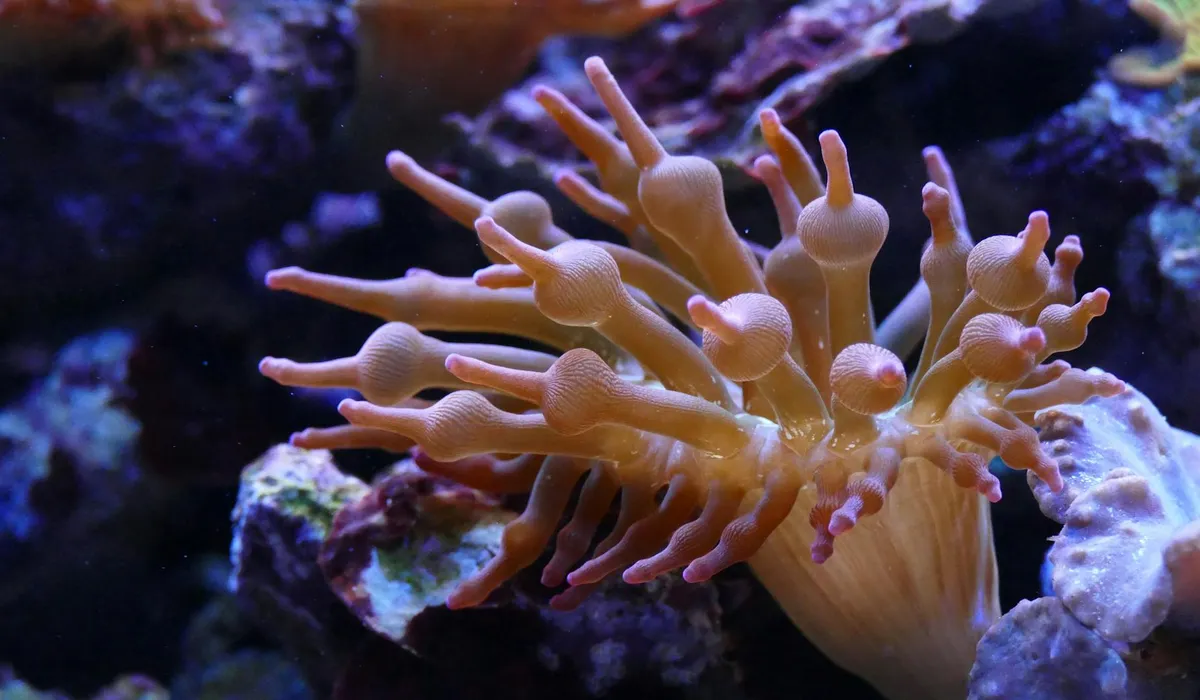
I’ve set up a few filterless tanks over the years, and let me tell you, it’s a completely different way of thinking about your aquarium. It’s not about just removing a piece of equipment; it’s about building a self-sustaining ecosystem where plants and bacteria do the heavy lifting. Going filterless requires a deep commitment to balancing biology, not just a tolerance for murky water.
Fish That Might Thrive in Filterless Tanks
Your choice of livestock is the single most important factor for a successful filterless setup. You need species that are hardy, produce minimal waste, and don’t mind calm, almost still water.
- Betta Fish: A single male betta in a heavily planted 5-gallon tank is a classic choice. Their labyrinth organ lets them breathe atmospheric air, so they aren’t stressed by low oxygen levels.
- Least Killifish: These are one of the smallest livebearers and are incredibly peaceful. They produce very little bioload and appreciate the dense plant cover of a natural tank.
- Shrimp: Neocaridina shrimp (like Cherry Shrimp) are fantastic. They are tiny waste producers and act as a cleanup crew, constantly grazing on biofilm and decaying plant matter.
- Snails: Nerite Snails or Malaysian Trumpet Snails are excellent additions. They help turn over the substrate and prevent gas pockets, which is crucial in a tank without water circulation.
You must resist the urge to overstock; even one extra fish can tip the delicate balance and lead to disaster.
Maintaining Water Quality Without a Filter
This is where your work really begins. Without a filter’s constant mechanical and biological filtration, you become the engine of the tank’s health. In this complete guide to setting up an aquarium filter, we’ll walk you through choosing, installing, and priming your filter for reliable performance. You’ll also get essential maintenance tips to keep the tank thriving.
- Heavy Planting is Non-Negotiable: Your plants are your filter. Fast-growing stem plants like Hornwort and Anacharis, along with floating plants like Frogbit, will aggressively consume the ammonia and nitrates that would otherwise poison your fish.
- Frequent, Small Water Changes: Forget the standard 25% weekly change. You’ll likely need to change 10-15% of the water two or three times a week to manually remove dissolved waste before it breaks down.
- Deep Substrate: Use a nutrient-rich planted tank substrate or a deep sand bed (at least 2-3 inches). This provides a massive surface area for beneficial anaerobic bacteria to colonize and helps process nitrates.
- Careful Feeding: You must feed sparingly. Any uneaten food will rot and foul the water almost instantly. I feed my filterless tanks tiny amounts once a day, and I even skip a day each week.
The crystal clarity of the water in a balanced filterless tank is a beautiful sight, but it’s earned through diligent, hands-on maintenance.
Keeping Your Filter Happy and Healthy
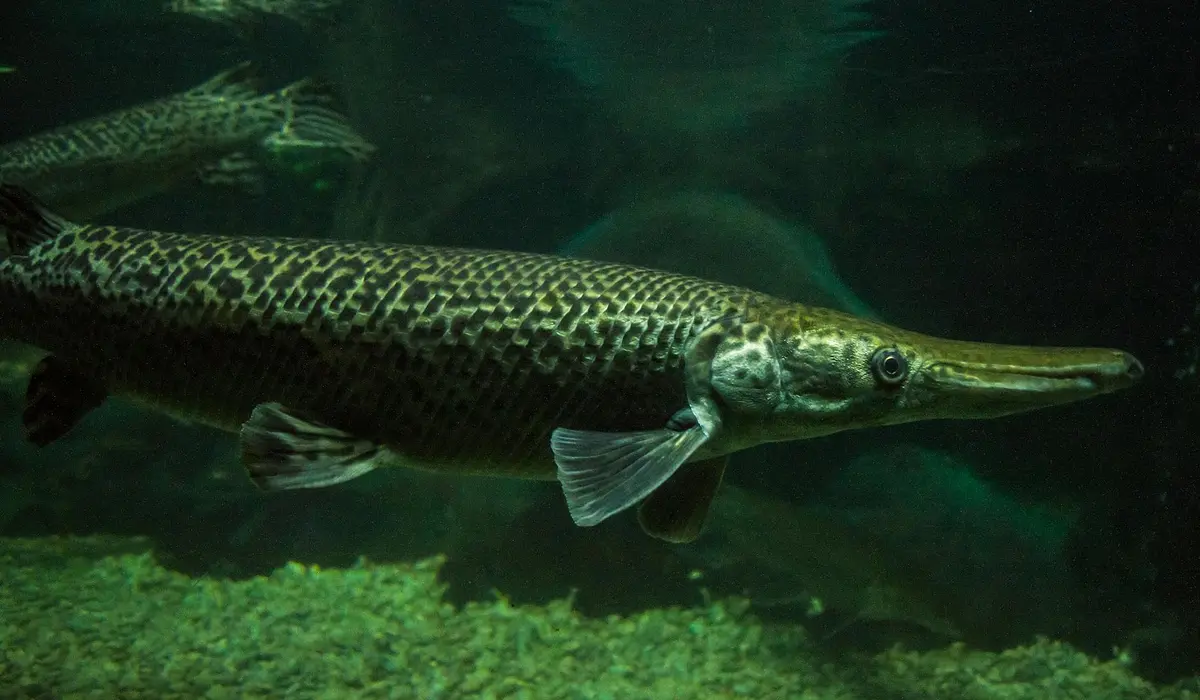
Think of your filter as the heart and lungs of your aquarium. Just like you, it needs a little care to perform at its best. A neglected filter can become a nitrate factory or even fail completely.
Your Filter Maintenance Routine
Consistency is far more important than intensity when cleaning your filter. A sudden, thorough scrub can crash your cycle by wiping out the beneficial bacteria.
- Schedule a Monthly Rinse: Once a month, when you do your water change, take the filter media (sponges, ceramic rings) and swish it vigorously in the bucket of old tank water you just removed.
- Never Use Tap Water: The chlorine in tap water will instantly kill the nitrifying bacteria you’ve worked so hard to cultivate. Always use dechlorinated or old tank water.
- Clean the Impeller: Every few months, take apart the filter pump and gently wipe the magnetic impeller. A clean impeller ensures strong, consistent water flow and prevents annoying humming noises.
- Replace Media Staggered, Not All at Once: If a filter sponge is falling apart, replace it. But if you have multiple types of media, only replace one type per month. This preserves the bulk of your bacteria colony.
Your filter media should look dirty-that brown gunk is a thriving city of beneficial bacteria that keeps your fish safe.
Common Filter Mistakes to Avoid
I’ve made some of these mistakes myself, so learn from my errors to keep your aquatic environment stable.
- Overcleaning: Scrubbing everything until it’s sparkling clean is one of the fastest ways to cause an ammonia spike. A quick rinse is all that’s needed.
- Using Cartridges as Directed: Many hang-on-back filters tell you to replace the cartridge monthly. This is a waste of money and bad for your tank. Instead, use reusable sponges and ceramic media that last for years.
- Ignoring Water Flow: If the water output from your filter becomes a trickle, it’s a sign the impeller is clogged or the media is too dirty. Address it promptly to maintain proper oxygenation.
- Forgetting the Intake Tube: Algae and biofilm can build up inside the intake tube, severely restricting flow. Use a long brush or a pipe cleaner to clear it out during your monthly maintenance.
A well-maintained filter hums along quietly in the background, providing the invisible, life-sustaining current your fish depend on.
Common Questions
How often should I replace my fish tank filter cartridge?
You should not replace filter cartridges on a strict monthly schedule as this removes your beneficial bacteria. Only replace a cartridge when it is literally falling apart and no longer holding its shape. For stable water quality, consider switching to reusable media like sponges and ceramic rings that you only rinse in old tank water. To learn exactly how often you should clean your aquarium filter, see our complete guide. It explains how to balance regular cleaning with preserving beneficial bacteria.
What is the proper schedule for fish tank filter replacements?
There is no single schedule for replacing all filter media. Mechanical media like filter floss should be replaced when it is clogged, while biological media like ceramic rings or bio-balls can last for years and should never be fully replaced. Always stagger the replacement of any media to preserve your tank’s vital bacterial colony. In practice, you’ll often replace the mechanical media when it becomes clogged or fouled. Biological media generally lasts longer and is not replaced on a fixed schedule; rely on regular water testing and manufacturer guidelines to time replacements.
What is the best fish tank filter for a 5 or 10-gallon tank?
For a 5-gallon tank, a sponge filter is an excellent choice due to its gentle flow, which is ideal for bettas or shrimp. For a 10-gallon tank, a small hang-on-back (HOB) filter or a compact internal filter offers more versatility and filtration power, suitable for a small community of fish.
What kind of filter do I need for a 50 or 100-gallon tank?
A powerful canister filter is the best choice for a 50-gallon tank, as it holds a large volume of media to handle the significant waste load. For a 100-gallon tank, a large canister filter or even two smaller canisters are recommended to ensure sufficient biological, mechanical, and chemical filtration for the entire water volume. Different filter types have different strengths. Therefore, the best choice depends on your setup.
Your Next Steps in Fishkeeping
A filter is not just an accessory; it is the cornerstone of a stable and healthy aquatic environment. For the vast majority of home aquariums, a quality filter is non-negotiable, working tirelessly to process waste and keep your water crystal clear for fish like the vibrant Captain Fin or the social Goldie.
Committing to a filtered tank is a commitment to the well-being of your aquatic pets, providing them with the clean home they deserve. The most successful aquarists are those who never stop learning, so continue to explore the fascinating worlds of water chemistry, fish behavior, and aquascaping.
Further Reading & Sources
- Fish Tank Filters: Which One Should You Get? | Aquarium Filters 101 – Aquarium Co-Op
- Choosing the Right Freshwater Aquarium Filter – From 4 Types
- Beginner’s Guide to Aquarium Filters and Types of Filtration – Buce Plant
- Freshwater Aquarium Set Up, Diagrams | Suggested Filters, Pumps
- How to Choose an Aquarium Filter System
Lia is an expert in aquarium and pet fish care. Having worked in the marine industry and having cared for multiple pet fish, she has acquired first hand expertise on aquarium care, maintenance and setup. She always brings her practical expertise and science to help solve any aquarium related queries.
Filtration Systems