
The Right Spot for Your Aquarium: Avoid These 3 Placement Mistakes
Published on: January 24, 2026 | Last Updated: January 24, 2026
Written By: Lia Annick
Hello fellow fish keepers! You’ve carefully chosen your fish and plants, but have you given the same thought to where your tank will live? That empty space against the wall might seem perfect, but it could be hiding problems that disrupt your entire aquatic ecosystem.
This guide will walk you through the critical factors for stable tank placement, focusing on the dangers of direct sunlight, the havoc caused by heating and AC vents, and how to spot and stop temperature-killing drafts. We’ll also explore the best locations for a stable, healthy environment.
My advice comes from years of running high-tech planted tanks and breeding sensitive fish, learning these lessons the hard way so you don’t have to.
Why Proper Aquarium Placement is Crucial
The Role of Temperature Stability
Fish rely on their environment to regulate body temperature since they cannot produce their own heat. Sudden shifts from drafts or vents force them into constant adjustment. A stable temperature within their preferred range keeps fish metabolism steady and reduces the risk of illness.
I learned this the hard way when a draft from an air conditioner caused my betta, Captain Fin, to become sluggish. His vibrant colors dulled until I moved the tank. For tropical species like bettas, aim for 78-80°F, while goldfish like Goldie thrive at 68-74°F.
- Place tanks away from heating vents, air conditioners, and frequently opened doors.
- Use a reliable aquarium heater with a built-in thermostat.
- Monitor daily with a digital thermometer to catch fluctuations early.
Impact on Fish Behavior and Health
Improper placement doesn’t just affect temperature-it directly stresses fish. Chronic stress weakens immune systems, making them prone to infections like ich or fin rot. You will notice changes in behavior, such as reduced appetite or unusual hiding, long before physical symptoms appear.
My corydoras, Shadow, used to dart for cover whenever a draft hit the tank. Once I relocated it to a calmer spot, he began exploring more and schooling with others. Stable environments encourage natural behaviors like foraging and social interaction.
- Observe your fish daily for signs of stress, like clamped fins or rapid gill movement.
- Ensure the tank is in a low-traffic area to minimize sudden vibrations or shadows.
- Test water parameters weekly, as stress can spike ammonia levels from excess waste.
The Sunlight Dilemma: Balancing Natural and Artificial Light
How Sunlight Fuels Algae Growth
Sunlight acts like a supercharger for algae, providing unlimited energy for photosynthesis. Even indirect light through a window can trigger green water or slimy coatings on surfaces. Algae blooms not only look unsightly but also compete with plants for nutrients, destabilizing your tank’s ecosystem.
I once placed a planted tank in a sunny corner, and within days, algae coated the glass and decor. It took weeks of manual removal and light adjustment to restore balance. Algae thrive on excess light and nutrients, so controlling both is key. In a planted aquarium, that means careful light management and balanced nutrients to keep algae in check. A well-tuned setup uses timers and proper fertilization to maintain plant health and curb blooms.
- Position tanks away from windows or use blackout curtains during peak sunlight hours.
- Perform regular water changes to reduce nitrates that algae feed on.
- Introduce algae-eating species, like nerite snails or otocinclus catfish, as a natural control method.
Choosing the Right Artificial Lighting
Artificial lights give you precise control over intensity and duration, which is vital for plant growth and fish well-being. LEDs are my top pick for their energy efficiency and customizable spectra. Selecting lighting that mimics natural day-night cycles helps regulate fish behavior and supports photosynthesis in live plants.
For low-tech setups, 6-8 hours of light daily prevents algae while encouraging plant health. In my tanks, I use full-spectrum LEDs to enhance the iridescent blue of Captain Fin and the bright orange of Goldie without risking algae overgrowth. Proper lighting duration is key for maintaining a healthy aquarium.
- Match light intensity to your plants’ needs-low light for anubias, high light for carpeting species.
- Use a timer to maintain consistent photoperiods and avoid human error.
- Adjust color temperature: 6500K mimics midday sun, ideal for plant growth, while warmer tones reduce algae risk.
Vents and Drafts: Hidden Threats to Temperature Stability
Identifying Sources of Cold Drafts and Heat
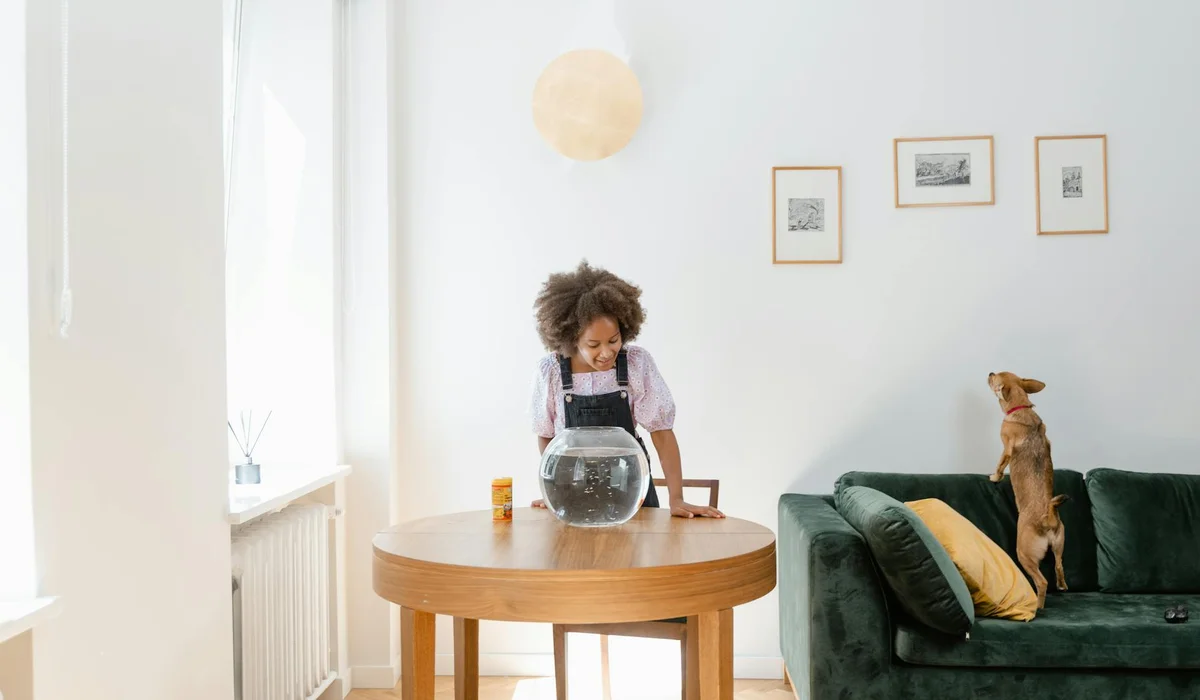
Your home’s climate control is your aquarium’s invisible enemy. I’ve seen more temperature-related stress from this than from a broken heater. You need to become a draft detective. Run your hand along windowsills and exterior walls; you’ll feel the chill. Stand near air vents and registers to sense the blast of heated or cooled air.
Common culprits include exterior doors, poorly sealed windows, floor vents that blow directly on the tank stand, and even ceiling-mounted air conditioning units. My betta, Captain Fin, once started clamping his fins, and it took me days to realize the floor vent under his stand was creating a constant 5-degree temperature swing every time the heat kicked on.
Maintaining Consistent Water Conditions
A stable temperature is non-negotiable for fish health. A fluctuating thermometer stresses their immune systems, making them prone to disease. It also disrupts the beneficial bacteria in your filter, putting your entire nitrogen cycle at risk.
Here is how to fight back against drafts and vents:
- Use a digital thermometer with a minimum/maximum memory function. This tells you the actual temperature range over 24 hours, not just the current reading.
- Deflect air from vents using magnetic vent covers or simple DIY plastic baffles. You don’t need to block the airflow entirely, just redirect it away from the tank.
- Add a high-quality insulating background to the back of the aquarium, especially if it’s on an exterior wall. This creates a dead air space that buffers against temperature changes.
- For tanks in drafty rooms, consider an aquarium hood instead of an open-top setup to trap more warmth at the water’s surface.
Your goal is to create a stable microclimate where the only thing changing the water temperature is your heater and your intentional care.
Choosing the Perfect Room and Spot
Room Selection Tips for Optimal Placement
Not all rooms are created equal for an aquarium. Think about your daily life and the room’s environment. A busy hallway or a chaotic playroom is a high-traffic zone; a sudden slam or vibration can startle fish constantly. In a bedroom, air quality and noise affect both your health and the fish’s. A quieter, better-ventilated space helps fish stay calm and you sleep more soundly.
The ideal room is one you spend quiet time in, like a living room or home office, where activity is calm and predictable. I keep my main display tank in my office, and my fish are so accustomed to my presence they swim to the front glass when I sit down at my desk.
Ask yourself these questions when picking a room:
- Is the room’s temperature fairly consistent day and night?
- Is it away from the noise of televisions, stereos, and slamming doors?
- Do you have enough space to walk around the tank for maintenance?
- Are there enough electrical outlets on a dedicated circuit to safely power the filter, heater, and lights?
A room used only occasionally, like a formal dining room, often leads to neglected tank maintenance because you simply aren’t there to notice small changes.
Ensuring a Stable and Level Foundation
This is the most critical physical step. A 50-gallon tank can weigh over 500 pounds. An uneven surface creates immense stress points on the glass or silicone seams, leading to catastrophic failure.
Before you even place the stand, get a carpenter’s level. Check the floor front-to-back and side-to-side. If you find a low spot, you can use shims designed for furniture under the stand’s legs to make it perfectly level. Never shim under the aquarium itself, only the stand. A level stand helps ensure level aquarium stand water distribution in the tank. It keeps the tank resting evenly and helps prevent leaks or stress on the seals.
Always place your aquarium on a stand specifically designed to hold its weight and size-never on a dresser, a standard bookshelf, or a flimsy side table. For very heavy tanks on suspended floors, try to position it perpendicular to the floor joists, ideally against a load-bearing wall, for the best structural support. Proper support is crucial for aquatic setups.
Safety and Accessibility in Aquarium Placement
Managing Cords and Outlets for Safety
Water and electricity are a dangerous mix, so managing your cords properly is non-negotiable for a safe aquarium. Always use a GFCI (Ground Fault Circuit Interrupter) outlet to prevent electrical shocks, as it cuts power instantly if moisture is detected. I learned this the hard way after a small splash from a water change nearly caused a short circuit. An aquarium electrical safety guide also emphasizes drip loops to keep water away from outlets. Pair that with GFCI outlets for added protection.
Organize all power cords with Velcro straps or cord organizers to keep them tidy and away from water sources. Create drip loops by letting cords sag slightly below the outlet, so any water drips down and away from the connection point. This simple habit has saved my equipment more than once.
- Use only aquarium-rated power strips with surge protection.
- Keep cords off the floor to avoid tripping and water contact.
- Route cords behind furniture or use cord covers for a clean look.
Place your tank away from high-traffic areas where cords could be pulled or kicked. I always test my setup with a dry run before adding water to spot any potential hazards.
Easy Access for Maintenance and Viewing
Position your aquarium where you can easily reach it for daily tasks like feeding and quick clean-ups. Leave at least 4-6 inches of space around the tank for your hands and tools to maneuver during water changes or algae scraping. My Corydoras, Shadow, often hides in plants, so good access lets me check on him without disturbing the decor. If you’re thinking about changing the tank size, keep maintenance in mind. Bigger tanks usually require stronger filtration and bigger water changes.
Set the tank at a height where the top is at or slightly below your eye level when seated for the best viewing experience. Avoid placing it too high or low, as straining to see can reduce your enjoyment and make maintenance a chore. I found that a stand around waist-height works perfectly for watching my Betta, Captain Fin, show off his colors.
- Ensure the stand is sturdy and level to support the tank’s weight long-term.
- Keep a clear path to a water source and drain for efficient water changes.
- Consider room lighting; ambient light is better than harsh overheads for reducing glare.
Think about how often you’ll interact with the tank-easy access encourages regular care. Placing it in a spot you pass daily helps you notice small issues before they become big problems.
Your Step-by-Step Aquarium Placement Checklist
Pre-Placement Assessment Steps
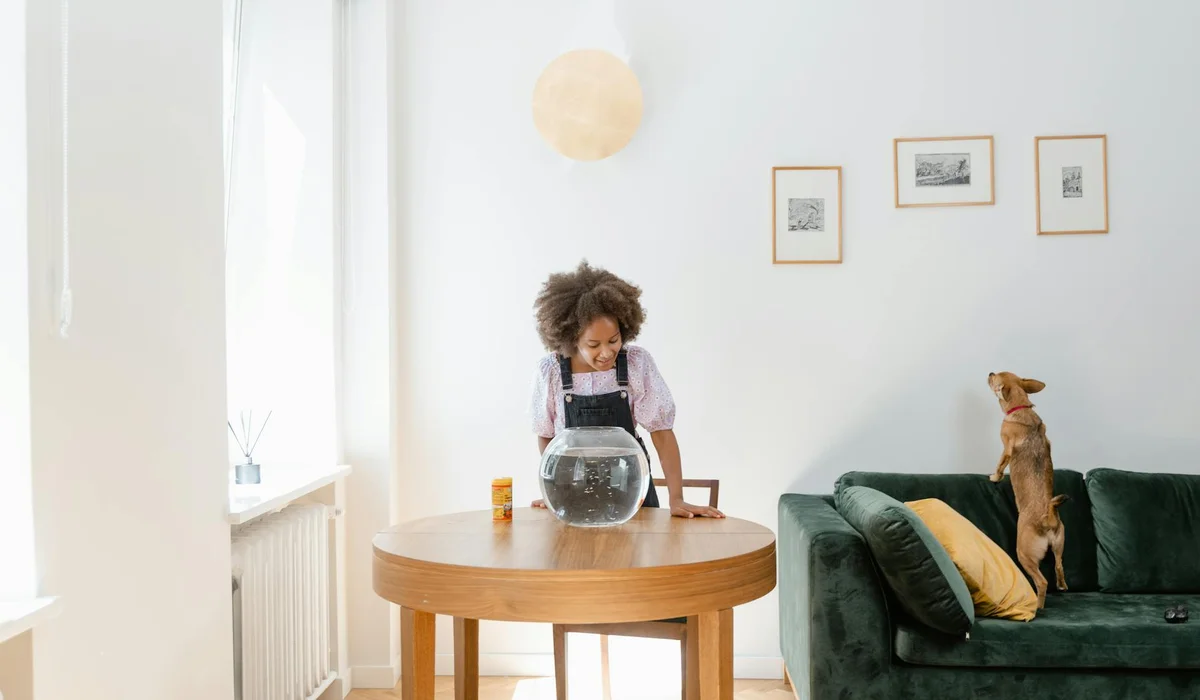
Before you even lift the tank, take these steps to ensure a solid foundation. Start by checking your floor’s load capacity; most homes can handle 10-20 gallons, but larger tanks may need reinforcement. I once had to move a 55-gallon tank because the floor sagged-it was a messy lesson!
- Measure the intended space for the tank, stand, and equipment, adding extra room for cords and hoses.
- Use a level to confirm the surface is flat; even a slight tilt can stress the tank seams over time.
- Test the area for temperature stability, avoiding spots near heaters or air conditioners that cause swings.
- Check for nearby vents or windows that could introduce drafts or direct sunlight.
- Plan your water change routine by ensuring a sink or drain is within hose reach.
Involve everyone in your household to agree on the location-it prevents future disputes. Taking these pre-placement steps saves you from costly mistakes and stressful moves later on.
Final Checks Before Filling the Tank
Once the tank is in place, do these final checks to catch any oversights. Verify that the stand is perfectly level and doesn’t wobble by gently shaking it; stability is key to preventing leaks or cracks. I always double-check this with my goldfish tank, as Goldie’s active foraging can make water slosh.
- Inspect all cords for damage and secure them with drip loops away from water paths.
- Place a background on the tank if desired, as it’s harder to add once filled.
- Do a “dry run” by sitting nearby for an hour to spot drafts, noise, or lighting issues.
- Ensure all equipment like filters and heaters are installed and accessible for adjustments.
- Have your water conditioner and test kit ready nearby for the initial fill.
Take a moment to visualize your daily routine-can you feed the fish and clean the glass easily? This final review ensures your aquarium is both a safe haven for your fish and a joy for you to maintain.
FAQs
How can I test for drafts around a potential aquarium spot before setting up?
Use a digital thermometer to track temperature changes over 24 hours, noting any sudden drops or rises. You can also light a candle and watch for flickering flames, which indicate air movement from hidden sources like windows or doors. This proactive approach helps you avoid unstable environments that stress fish.
What if the only available space is near a heating or cooling vent?
Redirect airflow away from the tank using a magnetic vent cover or a DIY baffle to minimize temperature swings. Ensure your aquarium heater is high-quality and set to the correct range for your fish species. Regularly monitor with a thermometer to catch and address any fluctuations early. This is part of a complete aquarium temperature control guide for stable water. Maintaining a steady temperature reduces stress on your fish and other tank inhabitants.
Are there any fish species more tolerant of minor temperature changes?
Hardy fish like goldfish or white cloud mountain minnows can handle slight variations better than sensitive tropical species. However, all fish thrive best in stable conditions, so prioritize consistent placement over relying on tolerance. Always research your specific fish’s requirements to ensure their well-being.
How does aquarium placement impact water evaporation and humidity levels?
Placing a tank in a dry or drafty area accelerates evaporation, which may require more frequent top-offs to maintain water levels. This can concentrate waste and disrupt water parameters, necessitating additional maintenance. Using a hood or cover helps reduce evaporation and stabilizes humidity for a healthier ecosystem.
Your Tank’s Happy Place
Choose a stable spot away from direct sun to prevent algae and avoid vents and drafts to protect your fish from harmful temperature swings. A consistent environment is the single greatest gift you can give your aquarium’s inhabitants. Regular water testing and proper filtration help improve water quality for a healthier aquarium. Small, regular partial water changes also keep conditions stable for healthy fish.
Making these thoughtful placement choices shows a deep commitment to responsible pet ownership. Your dedication to learning is what transforms a simple glass box into a thriving, living ecosystem.
Further Reading & Sources
- How to Choose the Right Aquarium: Avoid Common & Costly Mistakes
- 9 Beginner Planted Aquarium Mistakes (Tips & Tricks) | Aqua Shack
- Where Should I Put My Aquarium? – ATI North America
- r/Aquariums on Reddit: Aquarium placement advice? Details in comments
- Avoid These Common Mistakes When Setting Up Your Aquarium – Fish Tanks Direct
Lia is an expert in aquarium and pet fish care. Having worked in the marine industry and having cared for multiple pet fish, she has acquired first hand expertise on aquarium care, maintenance and setup. She always brings her practical expertise and science to help solve any aquarium related queries.
Lighting Options