
Your Aquarium Cycle Crashed? Here’s How to Fix It Fast
Hello fellow fish keepers. You’re staring at a cloudy tank, your fish are gasping at the surface, and that test kit is showing ammonia where it shouldn’t be. I know that sinking feeling, and I’m here to tell you that your tank can recover.
This guide will walk you through exactly what to do, covering:
Identifying the clear signs of a crashed cycle, taking immediate emergency steps to protect your fish, effectively testing your water to track progress, and replenishing your beneficial bacteria to stability.
I’ve stabilized countless tanks over years of breeding sensitive fish and maintaining complex planted systems.
Understanding an Aquarium Cycle Crash
An aquarium cycle crash happens when the colony of beneficial bacteria in your filter and substrate suddenly dies off or can’t keep up. This bacterial die-off means ammonia and nitrites can spike rapidly, turning your safe habitat into a toxic environment for fish like my betta, Captain Fin. Think of it like the engine in your car stalling; everything stops working smoothly, and you need a quick restart. Even if you’re aware of how the nitrogen cycle works, these crashes can still catch you off guard.
Common causes include over-cleaning your filter media, using antibiotics or certain water conditioners incorrectly, or a power outage that halts filtration for hours. I learned this the hard way when a well-meaning deep clean of Goldie’s tank wiped out the bacteria, causing a mini-crisis. Even adding too many new fish at once can overwhelm the system, as the existing bacteria can’t handle the extra waste load.
- Over-cleaning or replacing filter media too aggressively
- Introduction of medications like antibiotics that kill beneficial bacteria
- Power failures longer than 4-6 hours, especially in warmer tanks around 78°F
- Sudden large water changes with chlorinated tap water that isn’t treated
- Adding a big group of new fish, which spikes the bioload unexpectedly
Water chemistry shifts, such as a pH drop below 6.0, can also stall the cycle because nitrifying bacteria become less active. Regular testing with a liquid kit is your best defense, as it lets you catch instability before it escalates. For goldfish like Goldie, who produce a lot of waste, maintaining a stable cycle in a tank of at least 20 gallons is non-negotiable for their health.
Spotting the Signs of a Crashed Cycle
Your fish will often tell you something is wrong before your test kit does. Watch for behavioral changes like lethargy, loss of appetite, or fish gasping at the water’s surface, which indicates low oxygen or high toxins. When Captain Fin, usually feisty at feeding time, started ignoring his food and hovering near the bottom, I knew to check the water immediately.
Cloudy water that appears milky or hazy overnight is a classic red flag, often signaling a bacterial bloom as the system tries to rebalance. Testing for ammonia and nitrites is crucial; any reading above 0.25 ppm is a warning sign that demands action. In my experience, a sudden algae outbreak can also hint at nutrient imbalances from a crash.
- Fish gasping for air at the surface or near filter outlets
- Lethargic behavior, such as reduced swimming or hiding more than usual
- Cloudy water with a white or gray tint, not just green from algae
- Ammonia levels rising above 0 ppm, or nitrites detectable in tests
- Fish showing signs of stress like clamped fins or rapid gill movement
Don’t ignore subtle cues, like Shadow, my corydoras, spending extra time buried in plants-it could mean he’s avoiding poor water conditions. Immediate water testing and a partial water change can buy you time to address the root cause and prevent fish loss. Keep your test kit handy and check parameters weekly, especially in densely stocked tanks or after any major change.
Emergency Response: Your First 24-Hour Action Plan

-
Step 1: Perform a large, immediate water change. Grab your siphon and replace at least 50% of the tank water right now to dilute those toxic ammonia and nitrite spikes. I always do this the moment I see my fish acting lethargic or gasping; it bought Captain Fin precious time during his last scare.
-
Step 2: Use a water conditioner and ammonia detoxifier. Treat the new tap water with a conditioner to neutralize chlorine, and add an ammonia detoxifier like Seachem Prime to temporarily bind ammonia into a less harmful form. This one-two punch protects your fish’s gills and gives you a safety window while you fix the cycle and tackle the underlying ammonia spike.
-
Step 3: Increase aeration and oxygen levels. Crank up your air pump or add an extra air stone because high ammonia reduces oxygen in the water. The steady hum and bubbles not only oxygenate the tank but also calm stressed fish-I’ve watched Shadow become less skittish with improved surface agitation.
-
Step 4: Assess if fish need to be moved to a quarantine tank. Look for signs like rapid gill movement, clamped fins, or fish hovering near the filter outflow. During quarantine, these signs of disease during quarantine indicate potential disease or stress and should be noted and acted on promptly. Early detection helps prevent spread to other fish. If you have a spare tank or container, move the most affected fish there with conditioned water. I once moved Goldie to a hospital tank overnight, and her vibrant color returned by morning.
Restarting Your Beneficial Bacteria
Dosing with Bacteria Boosters
Pour in a quality bottled bacteria product like Tetra SafeStart or API Quick Start directly into the filter media where water flow is highest. These boosters introduce live nitrifying bacteria to recolonize your tank faster. Shake the bottle well and dose according to the label-I’ve cut cycling time in half using this method after a crash. Consistency is key; add it daily for the first week to build a robust bacterial base.
Feeding the Cycle: The Role of Ammonia
Your beneficial bacteria need ammonia as food to multiply, so if your tank is fishless, add a pure ammonia source or a pinch of fish food to generate 1-2 ppm of ammonia. Test daily with a liquid kit to maintain this level until nitrites appear and then drop. Think of ammonia as the starter fuel that reignites the biological engine of your aquarium. In a tank with fish, their waste provides ammonia, but monitor closely to avoid overloading the system again.
Daily Monitoring and The Recovery Timeline
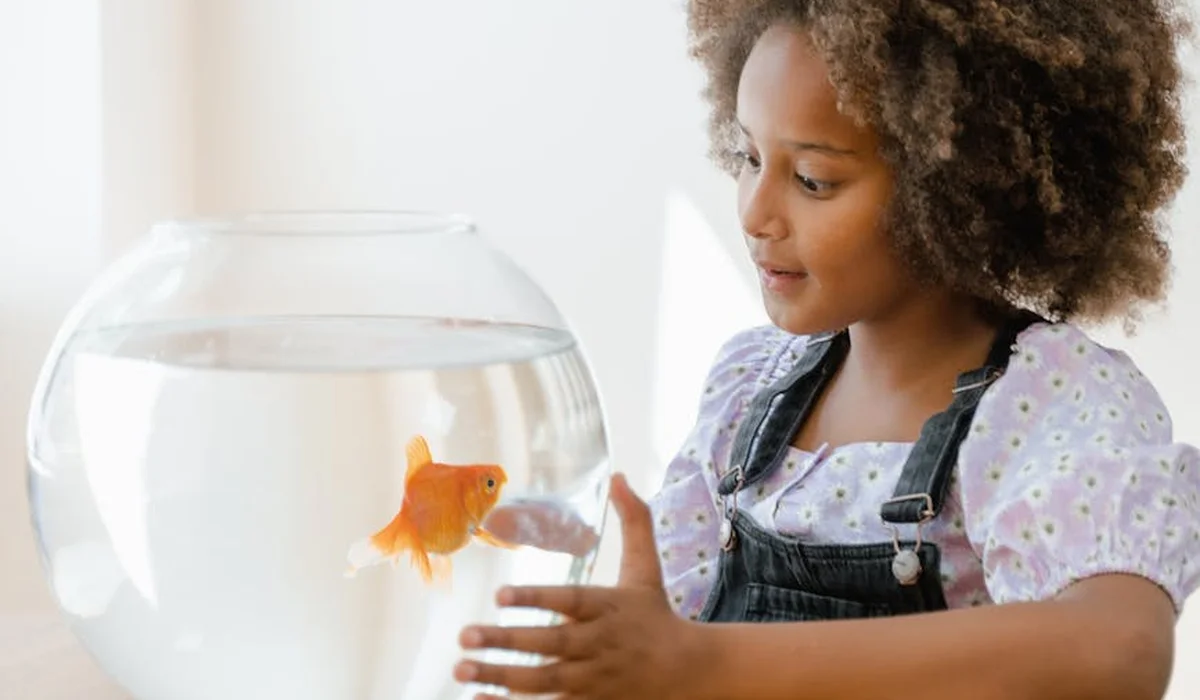
You need to check your tank every single day after a cycle crash. I keep a small notebook by my tanks to jot down readings and fish behavior. Daily testing is non-negotiable; it tells you exactly what’s happening in your water so you can act fast. I also monitor the essential parameters—pH, ammonia, nitrite, nitrate, and temperature—using a test kit. Regular checks on these water-quality metrics help you catch problems early. The hum of the filter should be a comforting sound, not a reminder of trouble.
What to Check Every Day
- Ammonia and Nitrite Levels: Use a liquid test kit. Any reading above 0.25 ppm means you should do a partial water change immediately.
- Nitrate Levels: This shows your cycle is trying to work. You want to see nitrates rise as ammonia and nitrite fall.
- Fish Behavior: Watch for gasping at the surface, clamped fins, or loss of color. In my tank, Captain Fin gets lethargic when ammonia is high.
- Water Clarity: Cloudy water can signal a bacterial bloom, which is actually a good sign of bacteria repopulating.
I test my water at the same time each morning, right after I turn on the tank lights. Consistency is your best friend during this stressful period for both you and your fish. The shimmer of scales should return as your fish become more active.
Your Recovery Roadmap
Recovery isn’t instant. Think of it like healing a scraped knee-it needs time and care. Here’s a typical timeline based on my experience with a 20-gallon community tank.
- Days 1-3: Ammonia will likely spike. If it hits 1.0 ppm, perform a 25-50% water change. Your fish may hide more than usual.
- Days 4-10: Ammonia should start dropping, but nitrite will rise. This is the tricky part. Keep up with daily water changes if nitrite exceeds 0.25 ppm.
- Weeks 2-3: You should see nitrite fall and nitrate appear. This is when the good bacteria are establishing. Fish like Shadow, my corydoras, will start foraging again.
- Week 4 and Beyond: The cycle stabilizes. Ammonia and nitrite hold at zero, and nitrates climb slowly. You can reduce testing to twice a week.
In my tanks, a full recovery usually takes three to five weeks. Patience pays off when you finally see that crystal-clear water and active, happy fish. If you’ve just moved the tank, you’ll want to wait even longer—often six to eight weeks—before reintroducing fish, to let the cycle re-establish. Moving a tank disrupts water balance, so a longer wait is wise. Don’t rush it; adding too many fish at once can set you back to square one.
Preventing Future Cycle Crashes
- Avoid overcleaning filter media. Rinse it in old tank water during water changes, not tap water, to preserve beneficial bacteria.
- Quarantine new fish and plants for at least two weeks in a separate tank to prevent introducing diseases or pests.
- Be cautious with medications. Some antibiotics can wipe out your filter bacteria; always remove chemical filtration like carbon when dosing.
- Maintain stable water parameters. Sudden pH swings or temperature drops of more than 2°F can shock the system. For most tropical fish, keep pH between 6.5-7.5 and temperature at 76-80°F.
- Do not overstock the tank. A good rule is one inch of fish per gallon, but for messy fish like Goldie, my oranda, I allow even more space.
Helpful Products for Crash Recovery
When your cycle crashes, the right tools can make the difference between a quick fix and a prolonged battle. I always keep a recovery kit on hand for these exact emergencies.
Bottled Beneficial Bacteria
These products are your first line of defense, introducing a cavalry of live nitrifying bacteria directly into your tank. Adding a quality bottled bacteria product gives your filter a massive head start in repopulating its beneficial colonies. Look for brands that list live bacteria strains, not just dormant spores, for the fastest action.
- My Go-To: I’ve had the most consistent results with Seachem Stability and Tetra SafeStart. They work quickly and seem to handle a wide range of water conditions.
- How to Use: Shake the bottle vigorously and dose directly into the filter box or in high-flow areas for maximum distribution.
- Pro Tip: Don’t just dose once. Follow the bottle’s instructions for a multi-day treatment to ensure the bacteria establish themselves properly.
Water Conditioners & Ammonia Detoxifiers
While you’re waiting for bacteria to multiply, you need to protect your fish from toxic ammonia and chloramines. A good water conditioner that detoxifies ammonia is non-negotiable during a cycle crash; it temporarily neutralizes the threat without removing the food source for your new bacteria.
- Seachem Prime: This is the gold standard. It detoxifies ammonia, nitrite, and nitrate for up to 48 hours and also removes chlorine.
- API Stress Coat: This does double duty. It removes chlorine and also contains aloe vera to help repair your fish’s stressed slime coat.
- Application: Use these with every single water change during the recovery period to maintain a safe environment.
Liquid Test Kits
You cannot manage what you do not measure. Guessing at your water parameters is a recipe for disaster. Reliable test kits are your eyes and ears, allowing you to track the recovery progress with precision and adjust your strategy accordingly. The hum of the filter might sound normal, but only the test results tell the true story.
- API Freshwater Master Test Kit: I consider this essential. The liquid reagent tests for ammonia, nitrite, nitrate, and pH are far more accurate than test strips.
- Testing Frequency: During a crash, test your water at least once, if not twice, a day. You need to see that ammonia and nitrite are dropping to zero and nitrate is rising.
- Record Keeping: Jot your results down in a notebook. Seeing the numbers trend in the right direction is incredibly motivating and confirms your efforts are working.
Sponge Filters for a Quick Boost
If you know another aquarist with a healthy, established tank, this is a powerful trick. Begging a pre-seeded sponge filter from a friend’s healthy tank is like getting a fully-staffed biological filtration unit delivered to your door. It’s teeming with the exact bacteria you need. Once you have it, simply install the sponge in your filter and start the pump. As water flows through the porous material, it begins biofiltration and helps your tank establish its cycle.
- How it Works: You simply place the “dirty” sponge filter from their tank into yours, either as a supplement or a temporary replacement.
- Alternative: If you can’t get a whole filter, ask for a handful of their filter media (sponge, ceramic rings, or floss) and place it in your own filter.
- Warning: Only do this if you are 100% certain their tank is disease-free and has no history of pests like planaria or hydra.
FAQs
Can a water change cause an aquarium cycle to crash?
Yes, a large or improperly executed water change can crash your cycle if chlorinated tap water is used without a conditioner, as chlorine kills beneficial bacteria. Sudden shifts in water parameters, like temperature or pH, during the change can also stress the bacterial colony. Always treat new water with a conditioner and match the temperature to your tank to minimize risks.
What are the most common symptoms of a crashed aquarium cycle?
Key symptoms include fish gasping at the surface, lethargy, loss of appetite, and cloudy or milky water. You might also notice clamped fins or rapid gill movement due to ammonia or nitrite spikes. Testing your water regularly helps confirm these signs early for prompt action. Additionally, recognizing common signs of stress in aquarium fish can further aid in maintaining a healthy environment.
How long does it typically take to recover from a crashed aquarium cycle?
Recovery usually takes 3 to 5 weeks, but it varies based on tank size and severity. The first week often involves daily water changes and monitoring, while bacteria recolonize over the following weeks. Patience and consistent testing are essential to track progress toward stability.
What is the best treatment approach for a crashed aquarium cycle?
Begin with immediate steps like a 50% water change and using an ammonia detoxifier to protect fish. To avoid stressing fish, add the new water slowly and match temperature and parameters. Then, dose bottled beneficial bacteria into the filter to speed up recolonization. A slow, gradual change helps prevent shock. Daily testing and partial water changes as needed will help maintain safe conditions until the cycle stabilizes.
Moving Forward with Confidence
When your cycle crashes, your immediate game plan is to test the water daily and perform small, frequent water changes to keep ammonia and nitrite levels safe. Adding a quality bottled bacteria supplement can dramatically speed up the process of re-establishing your tank’s biological army.
Experiencing a cycle crash is a powerful lesson in the delicate biology of your underwater world. Embrace it as a chance to deepen your knowledge, ensuring you can provide a consistently healthy home for your aquatic pets for years to come.
Further Reading & Sources
- r/Aquariums on Reddit: Cycle Crashed- Not Sure What to Do
- Cycle Recovery
- What to do when your fish tank cycle crashed – Aquarium Blueprints
- Aquarium Crash: The Delicate Balance – Fish Geeks
- My cycle crashed! Help | Aquarium Nitrogen Cycle Forum
Lia is an expert in aquarium and pet fish care. Having worked in the marine industry and having cared for multiple pet fish, she has acquired first hand expertise on aquarium care, maintenance and setup. She always brings her practical expertise and science to help solve any aquarium related queries.
Water Quality