
Beyond the Shell: Your Guide to Uninvited Aquarium Guests (That Aren’t Snails)
Published on: February 18, 2026 | Last Updated: February 18, 2026
Written By: Lia Annick
Hello fellow aquarists. You’ve spotted something skittering across the glass or noticed a strange blob on your driftwood, and your first thought wasn’t “snail.” Welcome to the fascinating, and sometimes frustrating, world of other aquarium hitchhikers.
This guide will help you navigate this hidden ecosystem, covering:
How to accurately identify common non-snail stowaways, from tiny worms to stubborn algae.
Understanding which ones are friends, foes, or just freeloaders in your aquatic balance.
Practical, step-by-step methods to manage any unwelcome populations without harming your fish.
I’ve managed these surprise guests in my own tanks for years, learning which ones demand action and which are simply part of a healthy, living ecosystem.
What Are Aquarium Hitchhikers and How Do They Sneak In?
Think of your aquarium as a carefully planned gathering, and hitchhikers are the unexpected guests who arrive without an invitation. These tiny stowaways are microorganisms or small creatures that sneak into your tank alongside new additions, often going unnoticed until they multiply. To keep these hitchhikers from multiplying, it’s essential to challenge common aquarium myths. A closer look at 11 dangerous aquarium myths explains what really keeps fish safe and helps you spot trouble before it starts.
- On new plants: Eggs or adults cling to leaves, roots, or in tiny pockets of water.
- Through substrate transfer: Gravel, sand, or decor from an established tank can harbor hidden populations.
- During fish acclimation: They hitch a ride in the water from pet store bags or on the fish themselves.
Before you panic, remember that many hitchhikers are actually helpful. Some species work as natural cleaners, munching on leftover food and algae, which can boost your tank’s ecosystem health. To understand their impact, consider the roles of freshwater cleanup crews in freshwater tanks. Knowing which species do what helps you maintain balance and choose the right crew for your setup.
Common Freshwater Hitchhikers You Might Spot
- Planaria: Flat, worm-like bodies that glide smoothly on surfaces. While they look harmless, a population boom can threaten shrimp or fish eggs.
- Hydra: Tiny, tentacled creatures that resemble floating sea anemones. Their stinging cells can irritate small fish or baby shrimp, so keep an eye out.
- Bryozoans: Gelatinous, mossy colonies that cling to decor or plants. These filter feeders are generally harmless and can even improve water clarity.
- Detritus worms: Thin, white worms that wriggle in the substrate or swim in open water. They’re usually beneficial, breaking down organic waste without causing harm.
- Nematodes: Microscopic roundworms that may appear as tiny, wiggling threads. Most are harmless decomposers, but some parasitic types can affect fish health.
- Copepods: Minute crustaceans that dart through the water like specks of dust. I love seeing these in my tanks-they’re fantastic algae eaters and indicate a balanced environment.
- Ostracods: Seed shrimp with a tiny, clam-like shell that scuttle along surfaces. These little guys are peaceful scavengers and won’t bother your fish.
- Amphipods: Scud-like critters that curl up when disturbed. They help clean up detritus and are a sign of a mature, healthy aquarium.
- Isopods: Armored, pill-bug relatives that crawl on plants and substrate. In my experience, they’re efficient cleaners and rarely cause issues.
How to Identify Different Hitchhiker Species
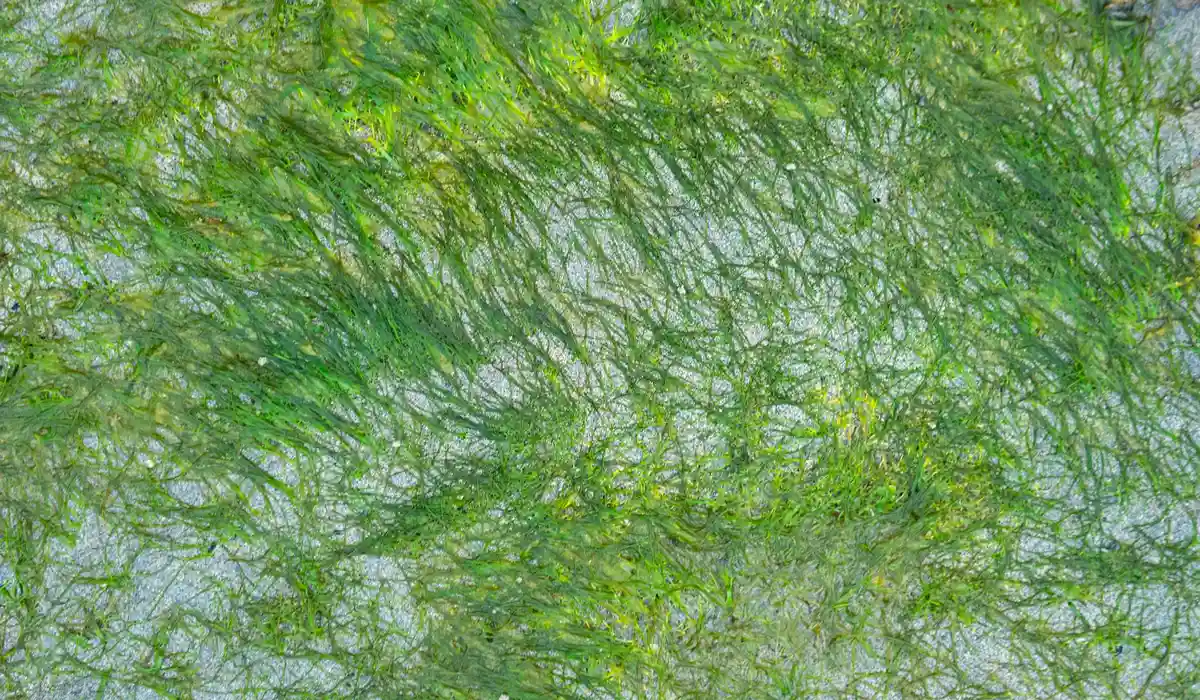
- Observe their size, shape, and movement. Detritus worms perform a squirming, thread-like dance in the water column or substrate. Hydra, in contrast, are stationary, anchoring themselves to glass or plant leaves with a sticky foot and extending their tentacles.
- Look for distinct visual cues. Copepods are tiny, oval-shaped and dart in quick, jerky motions. Planaria have a distinct arrowhead-shaped body and two dark eye spots that make them look cross-eyed. Body shape and locomotion are your fastest clues to a proper identification.
- Use a magnifying glass for a closer inspection. This lets you count legs on small crustaceans or see the stinging cells of a hydra. Snap a photo through the magnifier and compare it to reputable online forums or guides; the aquarium community is fantastic at helping with IDs.
Are These Hitchhikers Helpful or Harmful?
- Many hitchhikers are beneficial cleanup crew members. Copepods and amphipods (often called scuds) tirelessly consume fish waste, leftover food, and decaying plant matter. These tiny crustaceans form a vital part of the tank’s clean-up crew and provide a live, nutritious snack for your fish.
- Some organisms pose a real threat to your aquarium’s inhabitants. Planaria are flatworms that can prey on baby shrimp and vulnerable shrimp eggs. Leeches are parasitic and will attach to fish, draining their bodily fluids. Always research a new organism before deciding its fate; a quick ID can save your livestock.
- Assess their impact by monitoring population size and tank behavior. A few detritus worms are normal, but a population explosion signals overfeeding. If you see a sudden swarm of any organism, it’s a red flag that your tank’s ecosystem is out of balance, usually from excess nutrients.
Step-by-Step Guide to Removing Unwanted Hitchhikers
When hitchhikers like hydra or detritus worms pop up, a methodical approach saves your tank’s balance. I’ve found that acting quickly but calmly prevents small issues from becoming big headaches.
-
Manual removal is your first line of defense. Use a fine net or a gravel vacuum during water changes to physically scoop or siphon out pests. For hydra on glass, I gently scrape them off with a razor blade, being careful not to harm the silicone seals. If duckweed is also blooming, remove excess plants by hand or with a fine net during maintenance. Regularly checking for both hydra and duckweed helps keep the aquarium balanced.
-
Chemical treatments can be effective but require precision. Fenbendazole works well for planaria, and copper-based meds target certain worms, but always remove sensitive invertebrates first. Overdosing can crash your cycle, so I test water parameters daily during treatment.
-
Biological controls introduce natural predators. Amano shrimp devour hydra, and loaches like zebra or clown types hunt flatworms. In my community tank, Captain Fin’s feisty nature makes him a surprisingly good hunter of small pests, but monitor fish compatibility closely. For pest snails, assassin snails are often cited as among the best natural predators. They prey on snails and can help keep populations in check while leaving other tank mates largely undisturbed.
-
Adjust tank conditions to cut off hitchhiker food sources. Reduce feeding to once daily and vacuum the substrate weekly. Improving filtration flow discourages stagnant areas where pests like to breed.
Prevention Strategies to Keep Hitchhikers Out
Stopping hitchhikers before they start is way easier than evicting them later. A strict quarantine routine has saved my tanks from countless infestations over the years.
-
Quarantine new plants and decorations in a separate tank for at least two weeks. This waiting period lets you spot any stowaways without risking your main aquarium’s health. When you add new fish, use a dedicated quarantine tank. Monitor them there before introducing them to the main tank.
-
For snail-free plant introductions, rinse them under cool tap water and use a bleach dip. Mix one part bleach with twenty parts water, soak plants for two minutes, then rinse thoroughly with dechlorinator—this kills eggs without harming most plants. These are pest snail removal methods gardeners rely on to prevent infestations. Always quarantine treated plants and check for eggs before introducing them to your beds.
-
Maintain good tank hygiene with weekly 25% water changes and monthly substrate vacuuming. Shadow’s love for hiding in plants reminds me to clean under decorations where debris accumulates.
Ongoing Monitoring and Maintenance for Hitchhiker Control
- Set up a routine check: weekly inspections for unusual critters during water changes.
- Monitor water parameters to prevent outbreaks linked to poor quality, like high nitrates encouraging worm populations.
- Keep a journal or log to track hitchhiker appearances and management successes.
FAQs
What should I do immediately after spotting an unknown hitchhiker?
First, observe its appearance and behavior closely without disturbing your tank. Use a magnifying glass or take a clear photo to aid in identification through online forums or guides. Avoid immediate removal until you determine if it’s harmful or beneficial to prevent disrupting your aquarium’s balance. If you suspect it might be hydra, proceed with caution as they can be particularly problematic.
Can hitchhikers be beneficial for my aquarium’s ecosystem?
Yes, many hitchhikers like copepods and ostracods serve as efficient cleaners by consuming algae, detritus, and leftover food. They contribute to a stable ecosystem and can provide a natural, live food source for your fish, enhancing overall tank health. Additionally, fish and shrimp are often touted as among the best cleaners for aquarium algae, grazing on surfaces to help keep the tank neat and algae growth under control.
What are the risks of using chemical treatments for hitchhiker removal?
Chemical treatments can harm sensitive fish, shrimp, or beneficial bacteria if not dosed accurately. They may disrupt the nitrogen cycle, leading to water quality issues or tank crashes. Always follow product instructions, remove vulnerable species beforehand, and monitor parameters closely during use.
How can I monitor and control hitchhiker populations long-term?
Establish a routine of weekly visual inspections during water changes to catch new hitchhikers early. Maintain tank hygiene by vacuuming substrate and avoiding overfeeding to limit their food supply. Introduce compatible predator species, like certain loaches or shrimp, to naturally keep populations in check.
Your Clean, Balanced Tank Awaits
Start by identifying any new organism before taking action, as many are harmless or even beneficial. This is the mindset of an integrated pest management for aquariums, emphasizing proactive monitoring and prevention. Then, choose a management strategy from manual removal to introducing a natural predator that fits your specific tank ecosystem.
Responsible fishkeeping means being the guardian of your entire aquatic world, not just the fish you intentionally bought. Stay curious, keep researching, and your knowledge will be the most powerful filter you own. But does a fish tank really work as a balanced ecosystem? We’ll show you how to tell when it’s thriving.
Further Reading & Sources
- 7 Unwelcome Aquarium Hitchhikers – Maryland Aquarium Design, Installation, and Maintenance
- Common Saltwater Aquarium Hitchhikers – Reefco Aquariums
- Reef Tank Hitchhiker Guides: ID These Uninvited Guests
- Top 5 Saltwater Hitchhikers (Bad Guys) – First Time Fish Keeper
- Hitchhikers Archives – Maryland Aquarium Design, Installation, and Maintenance
Lia is an expert in aquarium and pet fish care. Having worked in the marine industry and having cared for multiple pet fish, she has acquired first hand expertise on aquarium care, maintenance and setup. She always brings her practical expertise and science to help solve any aquarium related queries.
Aquatic Invertebrates