
Aquarium Plants in Gravel: A Practical Guide to Lush Growth
Published on: February 14, 2026 | Last Updated: February 14, 2026
Written By: Lia Annick
Hello fellow aquarists, are you staring at that bag of inert gravel and wondering if a vibrant, planted tank is just a dream? You’ve likely heard that gravel is a barren wasteland for roots, but I’m here to tell you that’s only half the story.
This guide will walk you through everything you need to turn that simple gravel into a thriving garden. We will cover:
- Choosing the right beginner-friendly plants that actually thrive in gravel.
- The secret to fertilizing gravel substrates with root tabs and liquid nutrients.
- Balancing your light and CO2 to match your plant selection.
- Simple maintenance routines to keep your gravel bed healthy and clean.
I’ve cultivated stunning aquascapes in plain gravel for years, learning these techniques through trial, error, and a lot of happy, growing plants.
Understanding Gravel as a Planted Aquarium Substrate
What Exactly is Gravel Substrate?
Gravel is simply small, loose rocks, typically between 2mm and 5mm in size, that form the bottom layer of your aquarium. Unlike fine sand, gravel has enough space between the pieces for water to flow through, which is a double-edged sword for your plants. This water flow can bring nutrients to roots but also wash them away if you’re not careful.
Gravel’s Role in Your Planted Tank
Gravel acts as an anchor, holding your plants firmly in place so they don’t float away. It also serves as a home for beneficial bacteria that help process fish waste. Think of your gravel bed as a bustling biological city where waste is broken down into plant food. This process is vital for a healthy, balanced ecosystem.
How Gravel Influences Plant Root Growth
Plant roots need to breathe and expand, and gravel’s structure directly impacts this. If the gravel is too large and chunky, delicate roots can’t get a good grip and may struggle to establish. The ideal gravel allows roots to weave through it comfortably, creating a strong foundation for your plants to grow upwards towards the light. I’ve found that a slightly finer gravel encourages a much denser and healthier root system over time.
Gravel vs. Soil Substrate: A Simple Comparison
| Gravel | Soil |
|---|---|
| Inert, doesn’t alter water chemistry | Releases nutrients and can lower pH |
| Easy to clean with a vacuum | Messy to clean, can cloud water |
| Requires root tabs for heavy feeders | Naturally nutrient-rich |
| Long-lasting, doesn’t break down | Compacts and degrades over years |
Choosing gravel means you have full control over the nutrients, while soil provides them automatically but can be messy. For low-tech tanks with hardy plants, I often prefer the predictability of gravel.
Choosing the Right Gravel and Plants for Success
Selecting the Best Grain Size for Planted Tanks
The perfect grain size is a small pea gravel, around 3-4mm. This size is a fantastic middle ground. Gravel that’s 3-4mm in diameter is small enough for roots to anchor securely but large enough to prevent compacting and allow for water circulation. Avoid anything much larger, as it creates too many empty, dead zones where waste can accumulate away from plant roots.
Aquarium Plants That Thrive in Gravel Substrate
Success in a gravel tank comes down to picking the right plants. You want species that are either light feeders or have strong, adventurous root systems.
Top Root Feeding Plants for Gravel
These plants will do wonderfully in gravel, especially if you use root tabs. Their roots are powerful enough to spread and seek out nutrients.
- Amazon Swords: A classic, hardy plant with a massive root structure.
- Cryptocorynes: They come in many colors and are surprisingly tough once established.
- Vallisneria: Sends out runners and can create a beautiful underwater meadow.
- Dwarf Sagittaria: A shorter grass-like plant that carpets nicely over time.
With a root tab placed near their base every three months, these plants will grow as lushly in gravel as in any specialized substrate.
Easy Stem Plants for Gravel Beginners
Stem plants mostly feed through their leaves, making them ideal for gravel setups. You can simply plant the stems directly into the gravel.
- Anacharis: Grows incredibly fast and helps consume excess nutrients.
- Hornwort: A floating plant that can also be planted; it’s nearly indestructible.
- Water Wisteria: Has beautiful, lacy leaves and adapts to many conditions.
- Bacopa Caroliniana: A slower-growing stem with rounded, bright green leaves.
These stem plants are your best friends when starting a planted gravel tank because they are forgiving and show you quick results. Seeing that new growth is a huge confidence booster.
Is Decorative Gravel Suitable for Plant Rooting?
You need to be selective with decorative gravel. Many brightly colored or painted gravels have sharp, unnatural edges that can damage delicate roots. Always feel the gravel before you buy it; if it feels sharp to your fingers, it will be harsh on your plant’s roots. Natural, tumbled gravels in neutral tones are almost always a safer and more effective choice for a thriving planted aquarium.
Setting Up Your Gravel Substrate for Lush Growth
Determining the Perfect Substrate Depth
Getting the depth right is your first step to a thriving planted tank. For most rooted plants, you want a gravel bed between 2 to 3 inches deep. This gives roots ample space to spread out and anchor firmly. A shallow layer of one inch or less will starve your plants and lead to a weak, unstable root system. For larger plants like Amazon Swords, consider a deeper area of 4 inches to support their massive root structures.
Step-by-Step: Preparing Your Gravel for Planting
Don’t just dump gravel in and hope for the best. A little prep prevents cloudy water and gives your plants a clean start.
- Thoroughly rinse your new gravel in a bucket using a hose or faucet. Agitate it with your hands until the water runs completely clear.
- Place the clean gravel into your dry, empty aquarium. Use your hand or a card to slope it, creating a deeper section at the back for visual depth.
- Slowly fill the tank with water by pouring it onto a small plate or saucer sitting on the gravel. This prevents the gravel from being disturbed and clouding your water.
- Now you’re ready to plant. I find using long aquascaping tweezers makes this process incredibly easy and precise.
Taking these few extra minutes during setup saves you hours of cleaning and frustration later on.
How to Securely Plant Stem Plants in Gravel
Stem plants like Hornwort or Rotala can be tricky in gravel because they have no strong root structure to begin with. The key is all in the technique.
- Use aquascaping tweezers to grip the very end of the stem’s base.
- Push the plant straight down into the gravel at a 90-degree angle, aiming for a depth of about 1 to 1.5 inches.
- As you release the tweezers, gently pull them straight up while using a finger to hold the gravel in place around the stem.
If you simply push and release, the gravel often springs back and pushes the plant out. That gentle pull-back motion is the secret to locking them in place. Plant stems in small groups for a fuller, more natural look.
Creating a Layered Substrate with Sand and Gravel
This is my favorite hack for getting the best of both worlds. A layered substrate gives you the aesthetic of gravel with the nutrient-holding power of soil, without the mess.
- First, create a thin, one-inch base layer of aquarium soil or laterite. This acts as a long-term nutrient reservoir.
- Next, cap that nutrient layer with a 2-inch thick cap of your chosen aquarium gravel.
- The gravel cap keeps the soil contained, preventing it from leaching into your water column and causing algae issues.
This method supercharges root growth while keeping your tank water crystal clear. It’s perfect for heavy root feeders and creates a stunning, professional-looking aquascape.
Essential Nutrition for Gravel-Grown Aquarium Plants
Why Gravel Needs a Fertilization Plan
Plain gravel is inert, meaning it contains zero nutrients for your plants. It’s like trying to grow a tomato in a pot filled with marbles. Your plants will slowly starve, showing signs of deficiency like yellowing leaves and stunted growth, if you rely on gravel alone. In a natural environment, soil provides a constant supply of food. In your tank, you must become the provider.
Using Root Tabs for Targeted Root Feeding
Root tabs are small, pressed fertilizer pellets that you push down into the gravel near your plant’s roots. They are the single most effective way to feed plants in an inert substrate.
I consider root tabs non-negotiable for any rooted plant living in gravel. They deliver a concentrated dose of macro-nutrients like iron, potassium, and nitrogen directly to the root zone where plants absorb them best.
How to Properly Place Root Tabs
- Push a root tab about halfway down into the gravel, roughly 1.5 to 2 inches deep.
- Place it within a 2-inch radius of the plant’s base, being careful not to damage the main root ball.
- For larger plants, use two or three tabs placed in a circle around the base.
- For a carpeting plant, place tabs every 4 to 6 inches in a grid pattern beneath the carpet.
Proper placement ensures the nutrients are in the perfect spot for the roots to find them as they grow. Replace root tabs every 3 to 6 months, as directed by the brand you choose.
Liquid Fertilizer: Delivering Micronutrients and Macronutrients
While root tabs feed the roots, liquid fertilizer feeds the leaves. Stem plants and floating plants with access to the water column absorb most of their nutrition directly through their leaves and stems.
Think of liquid fertilizer as a daily vitamin supplement for your entire aquarium garden. It provides a balanced mix of essential micronutrients like manganese, copper, and boron that root tabs may not supply in sufficient quantities. A well-fertilized plant has vibrant, strong leaves that resist melting and algae growth. In a guide to fertilizing aquarium plants, you’ll also compare liquid fertilizers with root tabs to decide which delivery method fits your tank best. Understanding the differences helps you tailor dosing to your plants and substrate.
Creating a Simple Fertilization Schedule
Consistency is more important than complexity. Here is a straightforward schedule that has never failed me.
- Root Tabs: Replace all root tabs every 4 months. I do this on the first day of January, May, and September so I never forget.
- Liquid Fertilizer: Dose according to the bottle’s instructions, but always after your weekly water change. This replenishes nutrients you’ve just removed.
- Observation: Watch your plants. If new leaves are pale, you may need to increase your liquid fertilizer dose slightly. If you see algae blooms, you might be overdoing it.
Sticking to a simple, repeatable schedule takes the guesswork out of plant nutrition and leads to consistent, lush growth. Your plants will reward you for your diligence.
Lighting and CO2 for Your Gravel Planted Aquarium
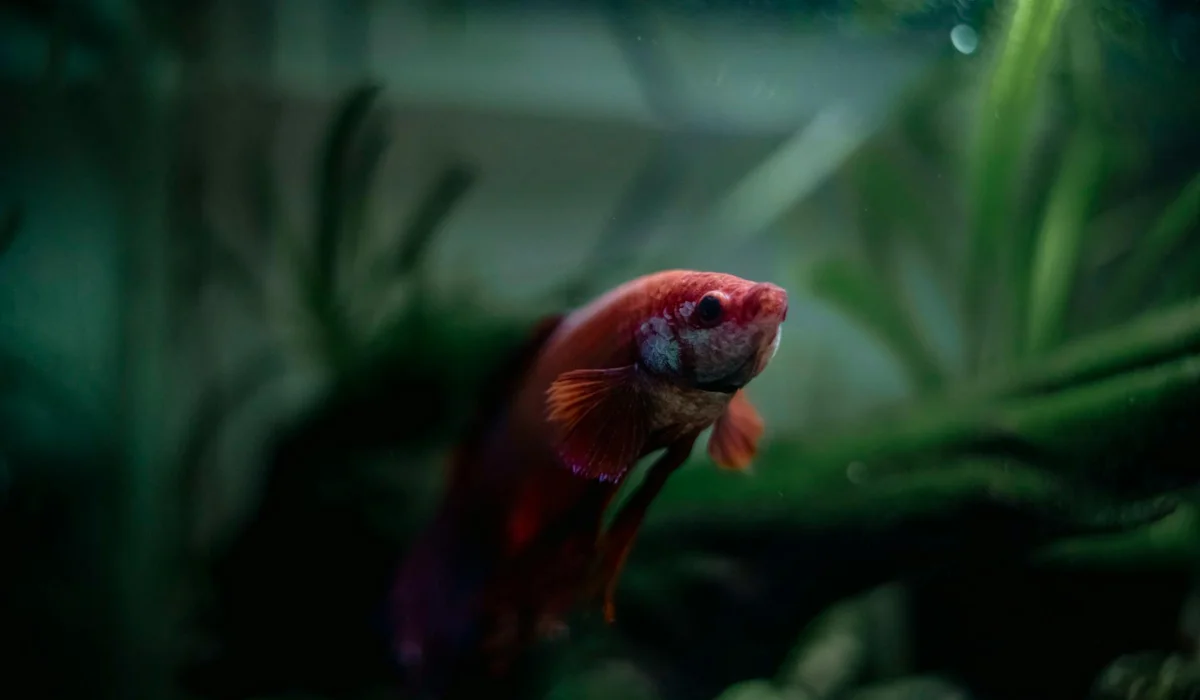
Finding the Right Light Intensity and Duration
You want your plants to glow with health, not struggle in the shadows. For gravel tanks, I stick with full-spectrum LED lights because they are energy-efficient and don’t overheat the water. Match your light intensity to the plants you choose; low-light varieties like Java Fern need less than 20 PAR, while high-light carpeting plants demand over 50 PAR to thrive. If you’re new to this, a beginner’s guide to understanding aquarium light PAR spectrum helps you read those numbers. It explains what PAR means and how spectrum affects plant health. I use a simple phone app to get a rough PAR estimate—it’s not lab-perfect, but it gives you a solid starting point.
Set your lights on a timer for 6 to 8 hours daily. Any longer, and you invite algae to the party. In my own tank, I’ve found that a consistent photoperiod prevents stress and keeps fish colors vibrant. If your plants stretch toward the light or look pale, they’re begging for more intensity. Rotate them during water changes if they start leaning. Determining the correct photoperiod is crucial for both fish and plants.
- Low-light plants: Anubias, Java Fern, Cryptocoryne – 6 hours of light is plenty.
- Medium to high-light: Dwarf Hairgrass, Rotala – 8 hours with higher PAR.
- Use a timer to automate the schedule and mimic natural day cycles.
Do Gravel Tanks Need CO2 Injection?
CO2 injection isn’t a must for every gravel tank, but it supercharges plant growth. If you’re aiming for a lush, fast-growing aquascape, adding CO2 can make the difference between okay and outstanding. So, is CO2 injection necessary for planted tanks? In many setups it’s not essential, but it often becomes worthwhile in high-light, densely planted tanks where growth and competition matter. In my low-tech setups with easy plants, I skip it and still get good results by using liquid carbon supplements like glutaraldehyde.
High-light tanks almost always need extra CO2 to avoid algae outbreaks. Without enough carbon, plants can’t use the bright light and excess nutrients, leaving algae to gobble them up. If you’re into DIY CO2 for Aquariums, a simple yeast-and-sugar setup is a budget-friendly way to produce CO2. It’s easy to start and tune for small tanks. I run a simple DIY yeast-based CO2 system on my smaller tanks—it’s budget-friendly and effective for beginners.
- Start without CO2 if you have low-light plants and gravel.
- Add CO2 injection when upgrading to high-light plants or if growth stalls.
- Monitor fish for gasping at the surface-a sign of too much CO2.
Balancing High Light with Nutrient Availability
High light speeds up photosynthesis, but your plants will starve without enough food. In gravel substrates, which hold minimal nutrients, you must supplement with liquid fertilizers to keep plants healthy. I dose a comprehensive liquid fertilizer weekly, right after water changes, to ensure even distribution.
Think of light, CO2, and nutrients as a three-legged stool-if one is short, the whole system wobbles. When I increased light on my gravel tank, I had to boost both CO2 and fertilizers to prevent melt and algae. Test your water weekly; if nitrates drop to zero, your plants are consuming them rapidly and need more food.
- Use root tabs for heavy root feeders like Amazon Swords in gravel.
- Liquid fertilizers work best for water column feeders like Anacharis.
- Adjust dosing based on plant growth and water test results.
Maintaining Your Gravel Substrate Planted Tank
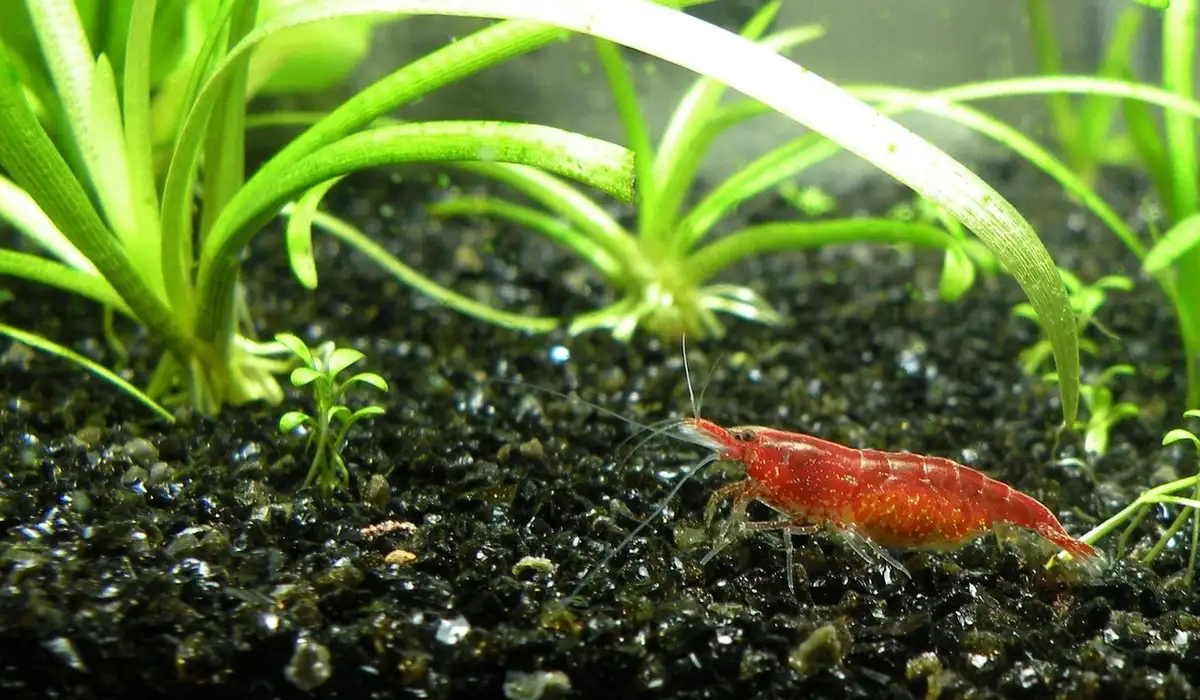
Regular Maintenance Tasks for Healthy Plants
Consistency is your best friend in planted tank care. I perform a 25% water change every week, using a gravel vacuum to siphon debris without disturbing plant roots. The gentle hum of the filter and clear water afterward always feels rewarding. Trim dead leaves promptly to redirect energy to new growth.
Clean your filter monthly, but rinse media in tank water to preserve beneficial bacteria. For a complete guide on how often you should clean your aquarium filter, check our detailed article. It breaks down cleaning frequency by tank size, filter type, and bioload. Over-cleaning can crash your cycle, so I only do a partial clean when flow slows down. Wipe algae off the glass with a magnetic cleaner during water changes—it takes just a minute.
- Weekly: Water change, gravel vacuum, leaf inspection.
- Monthly: Filter maintenance, plant trimming, equipment check.
- As needed: Top off evaporated water with dechlorinated tap water.
Monitoring Water Parameters and pH Stability
Your water tells the story of your tank’s health. I test for ammonia, nitrite, nitrate, and pH every week using a liquid test kit—strips can be unreliable. Regular testing helps you catch spikes before they harm your fish. This routine is essential to maintaining proper water parameters in your aquarium. Aim for 0 ppm ammonia, 0 ppm nitrite, and 5-20 ppm nitrate for most planted tanks. pH should stay between 6.5 and 7.5; gravel is usually inert, so it won’t alter pH much.
Sudden pH swings harm fish and plants more than a slightly off value. If your pH drifts, use crushed coral in the filter or add driftwood to buffer it gently over time. In my experience, stable parameters prevent melt and keep fish like Captain Fin vibrant and active. During water changes, abrupt pH shifts can shock fish. Pre-buffer or match the replacement water to your tank’s pH, and add it slowly.
| Parameter | Ideal Range |
|---|---|
| pH | 6.5 – 7.5 |
| Ammonia | 0 ppm |
| Nitrite | 0 ppm |
| Nitrate | 5 – 20 ppm |
Troubleshooting Common Plant Growth Issues
Identifying Nutrient Deficiencies
Yellow leaves or stunted growth scream nutrient lack. If older leaves turn yellow, it’s often a nitrogen deficiency-boost with a nitrogen-rich fertilizer. New leaves with yellow veins point to iron shortage; I add an iron supplement every two weeks. Holes in leaves? That’s potassium-a common issue in gravel tanks.
From my trials, deficiencies show up fast in gravel because it doesn’t store nutrients. Keep a log of symptoms and treatments to spot patterns over time. For quick fixes, root tabs placed near affected plants deliver nutrients directly to the roots.
- Nitrogen deficiency: Yellowing starts on older leaves.
- Iron deficiency: New growth is pale or yellow between veins.
- Potassium deficiency: Pin-sized holes in leaves.
Addressing Algae Challenges
Algae thrives on imbalance—too much light, excess nutrients, or low CO2. When green dust algae coats my glass, I reduce light duration by an hour and increase water changes. Regular water changes help prevent algae by diluting excess nutrients and maintaining stable water parameters. Brown diatoms often appear in new tanks and fade as the system matures; they’re harmless but unsightly.
For stubborn algae, add algae eaters like Amano shrimp or Otocinclus catfish. I’ve found that a diverse clean-up crew keeps algae in check without chemicals. Fish and shrimp are among the best cleaners for aquarium algae, and Amano shrimp are especially effective. Avoid algaecides; they can harm plants and fish. Instead, manually remove algae during maintenance and balance your light and nutrients.
- Green algae: Reduce light and nitrate levels.
- Brown algae: Common in new tanks; wipe off and wait.
- Blue-green algae (cyanobacteria): Increase water flow and vacuum thoroughly.
Quick Answers
Can you use decorative gravel for plant rooting?
You can use decorative gravel, but it must be chosen carefully. Avoid gravel with sharp, painted, or coated pieces, as these can damage delicate plant roots. Opt for natural, smooth-edged gravel to provide a safe and stable environment for root development.
Can you combine gravel substrate with sand for enhanced planting?
Yes, combining gravel with sand can be very effective. A popular method is to use a nutrient-rich soil as a base layer and cap it with gravel to keep it contained. You can also create separate zones, using sand in the foreground for a clean look and gravel in areas for larger root-feeding plants.
Which water parameters influence gravel substrate plant growth?
The key water parameters are nitrate levels and pH stability. Since gravel is inert, it’s crucial to maintain a consistent nitrate level (5-20 ppm) through fertilization to fuel plant growth. A stable pH between 6.5 and 7.5 is also vital, as large swings can stress plants and hinder nutrient absorption.
What maintenance is required for gravel substrate in planted tanks?
Regular maintenance involves weekly water changes using a gravel vacuum to remove debris from the substrate surface without deeply disturbing plant roots. You must also consistently replenish root tabs every 3-4 months and dose liquid fertilizers, as the inert gravel itself provides no nutrients for the plants.
Your Thriving Planted Tank Awaits
Focus on pairing robust, gravel-friendly plants with consistent root fertilization and stable water parameters to create a vibrant, low-maintenance aquascape. Your dedication to this simple routine will reward you with lush growth and a healthier ecosystem for your fish.
Caring for an aquarium is a joyful responsibility that deepens with every new thing you learn about your fish and their environment. Stay engaged with the hobby, ask questions, and watch how your knowledge transforms your tank into a living masterpiece.
Further Reading & Sources
- Which aquarium plants grow in gravel? – Aqua Essentials
- Planted Aquarium Substrate: Soil, Gravel, and Sand – Buce Plant
- Top 7 Aquarium Plants That Grow In Tanks with Gravel or Sand | Shrimp and Snail Breeder
- Growing Plants in gravel? | Aquarium Plants Forum
- Complete planted aquarium substrate guide
Lia is an expert in aquarium and pet fish care. Having worked in the marine industry and having cared for multiple pet fish, she has acquired first hand expertise on aquarium care, maintenance and setup. She always brings her practical expertise and science to help solve any aquarium related queries.
Aquatic Plants