
Spotting the Signs: Your Guide to a Thriving vs. Struggling Aquarium
Published on: February 7, 2026 | Last Updated: February 7, 2026
Written By: Lia Annick
Hello fellow fish keepers. Ever peer into your tank and wonder if that hazy water or that oddly still fish is a minor hiccup or a five-alarm fire? Knowing the difference between a healthy habitat and one in distress is the superpower that separates a good aquarist from a great one.
This guide will walk you through the clear indicators, covering everything from your water’s condition to your fish’s behavior. We’ll break down the key aspects of a truly healthy tank, including: crystal clear water chemistry, active and vibrant fish behavior, lush, growing plants, and quietly humming, efficient equipment.
I’ve spent years running high-tech planted systems and breeding fish, learning these signs through both triumph and trial.
What Makes an Aquarium Truly Healthy?
A truly healthy aquarium is more than just clean water; it’s a balanced, self-sustaining ecosystem. The ultimate sign of health is stability, where the water chemistry, fish behavior, and plant growth remain consistent day after day without your constant intervention. It’s a living environment that feels alive, from the gentle hum of the filter to the confident, shimmering movements of your fish.
The Clear Signs of a Thriving Aquarium
Vibrant and Active Fish Behavior
Your fish are the best indicators of your tank’s overall well-being. Watch them closely for these positive signals.
- Eager Appetites: Healthy fish are hungry fish. My Betta, Captain Fin, darts to the front glass the moment he sees me, ready for his meal. A consistent, enthusiastic response to feeding is a fantastic sign.
- Exploration and Play: Fish should use the entire tank. Goldie, my Oranda, is constantly sifting through the sand and investigating plant leaves. Active swimming and curious exploration show your fish are stress-free and comfortable in their home.
- Natural Social Dynamics: Schooling fish should stick together, while territorial fish like bettas will patrol their chosen area. Even my shy Corydoras, Shadow, emerges with his group at dusk for a coordinated forage.
- Bright, Unblemished Fins and Scales: Colors should be vivid, not faded or washed out. Fins must be held erect and fully open, with no rips, tears, or clumping.
Ideal Water and Tank Conditions
The environment itself tells a silent but powerful story. Here’s what to look for in a high-quality setup.
- Crystal Clear Water: The water should have a brilliant, polished-glass clarity. A slight yellowish tint can indicate dissolved organics from waste, signaling it’s time for a water change.
- Stable, Ideal Water Parameters: Test your water weekly. For a community tropical tank, you’re aiming for:
- Ammonia: 0 ppm
- Nitrite: 0 ppm
- Nitrate: Below 20 ppm
- pH: Stable and appropriate for your species (e.g., 6.5-7.5 for many community fish)
- Temperature: Consistent within a 1-2 degree range of your target
- Active Surface Movement: You should see a gentle ripple on the water’s surface. This surface agitation is critical for gas exchange, allowing carbon dioxide to escape and vital oxygen to dissolve into the water.
- Steady, Quiet Equipment: Your filter should have a consistent, low hum and a strong water flow. The heater’s indicator light should cycle on and off periodically, maintaining a steady temperature.
- Controlled Algae Growth: A tiny dusting of green algae on the glass is normal and even beneficial. It becomes a problem only when it grows out of control, covering plants and decorations in thick, slimy mats.
Warning Signals of an Unhealthy Aquarium

An unhealthy tank often announces itself long before a major crisis hits. Learning this language of distress is your best defense.
Troubling Fish Symptoms
Your fish are your most honest water quality sensors. Watch them closely for these red flags.
- Clamped Fins: Fins held tight against the body, like my Betta Captain Fin does when he’s stressed, signal discomfort or the early stages of disease.
- Rapid Gill Movement (Gilling): Fish gasping at the surface or showing fast gill motion are struggling to get oxygen, often due to ammonia or poor water circulation.
- Lethargy and Hiding: A fish that stops interacting, like my usually busy Goldie just hovering in a corner, is a major sign that something is off in its environment.
- Loss of Appetite: A fish refusing food for more than a day or two is a universal signal of stress or illness.
- Visible Parasites or Fungus: Watch for white spots (like salt grains), fuzzy patches, or red streaks on fins and body.
- Erratic Swimming: Darting, flashing (rubbing against objects), or spinning are clear cries for help.
Trust your gut-if a fish looks “off,” it usually is, and testing your water is the first thing you should do.
Problematic Tank Environment
The tank itself will show you visual and olfactory clues that the ecosystem is out of balance.
- Cloudy Water: A white, hazy cloud is often a bacterial bloom, while green water points to a free-for-all algae party fueled by excess light or nutrients.
- Persistent Algae Growth: While some algae is normal, hair algae covering your plants or thick slime on the glass indicates an imbalance in nutrients (nitrates/phosphates) and light.
- Foul Odors: A healthy tank smells fresh and clean, like rain or a garden pond. A rotten egg or swampy smell points to decaying waste and a lack of oxygen, often in the substrate.
- Sluggish Filter Flow: A weakened output often means the filter media is clogged with debris, reducing its ability to host beneficial bacteria and clear the water.
- Bubbles that Persist on the Surface: A foamy, soap-like scum on the water’s surface can be a sign of dissolved organic waste from overfeeding or fish waste.
A pristine tank should have the crystal clarity of a mountain stream, not the murky haze of a stagnant pond.
How Water Parameters Reveal Tank Health
Water chemistry tells the hidden story of your aquarium. The numbers don’t lie, and they explain the “why” behind the symptoms you see. To uncover these details, follow a step-by-step guide to testing your aquarium water properly. It shows you how to test accurately and interpret the results.
Testing for Stability and Balance
I test my tanks every single week without fail. It’s the cheapest form of preventative medicine you can buy.
- Ammonia and Nitrite: These should always read ZERO. Any detectable amount is toxic and will burn fish gills, suffocate them, and compromise their immune systems.
- Nitrate: This is the final product of the nitrogen cycle. You want to keep it below 20 ppm (parts per million) for most fish. High nitrates cause long-term stress and fuel algae blooms.
- pH: A stable pH is more critical than a “perfect” one. Wild swings are deadly. Know the natural pH of your tap water and choose fish that thrive in it.
- General Hardness (GH) and Carbonate Hardness (KH): GH measures calcium and magnesium (important for fish bones and plant cells). KH is your pH’s stability buffer-low KH leads to unpredictable pH crashes.
- Temperature: Consistency is key. A heater that allows the temperature to fluctuate more than 2-3 degrees throughout the day is a major stressor for your fish.
Think of your test kit as a medical lab report; it gives you the data you need to diagnose and treat the root cause, not just the symptoms.
Common Causes of Aquarium Health Issues
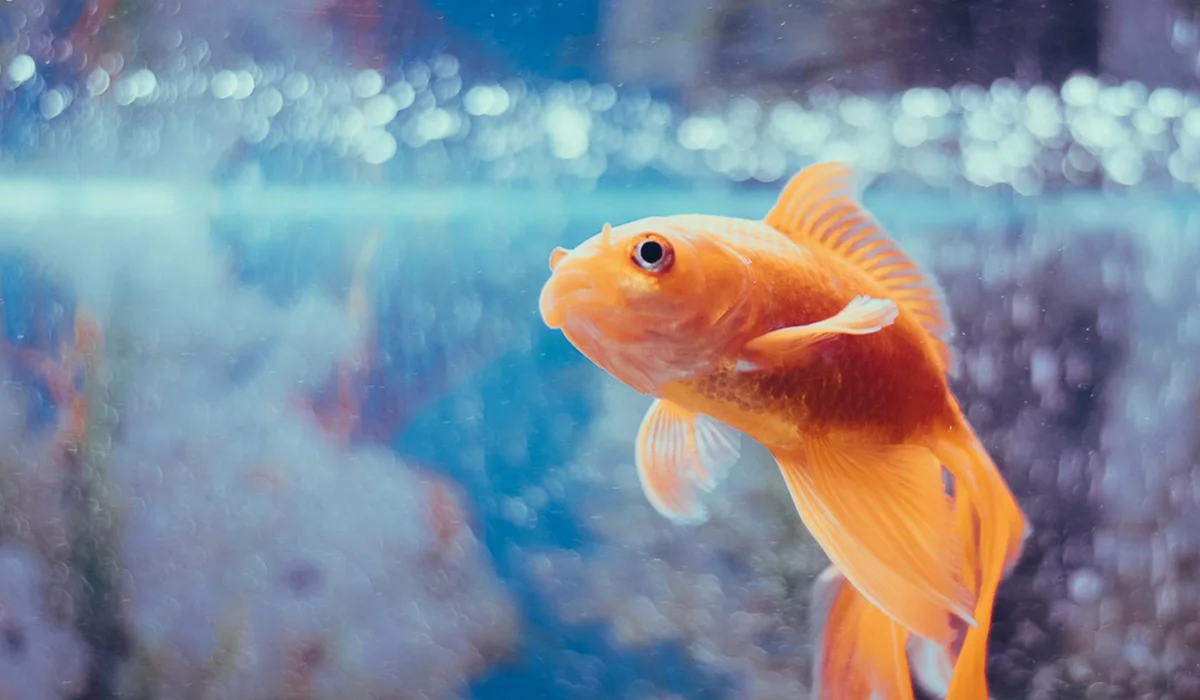
Many aquarium problems start small but can quickly spiral if you miss the early warning signs. Staying observant and proactive helps you catch issues before they harm your fish or disrupt the tank’s balance. Let’s break down some frequent culprits.
The Impact of Overfeeding
I’ve seen too many tanks suffer from well-meaning owners who drop in extra flakes. Overfeeding is one of the fastest ways to throw your water chemistry out of whack. Uneaten food decays, releasing ammonia that can poison your fish and fuel algae blooms. Your fish’s stomach is about the size of their eye, so they really don’t need much.
Watch for these signs that you’re feeding too much:
- Cloudy water or a filmy surface scum
- Excessive waste on the substrate
- Algae rapidly coating the glass and decorations
- Fish appearing bloated or ignoring food
From my experience with Captain Fin, his feisty nature made him beg for food constantly, but I learned to feed a tiny pinch once or twice a day, only what he can consume in two minutes. Sticking to a measured schedule prevents waste and keeps your water crystal clear.
Filtration and Lighting Roles
A good filter does more than just clear debris; it’s the heart of your tank’s ecosystem. The steady hum of a quality filter means beneficial bacteria are breaking down toxins. Without proper filtration, ammonia and nitrites build up, stressing your fish and leading to disease. Choose a filter rated for your tank size and clean the media in old tank water monthly to preserve those vital bacteria.
Lighting isn’t just for show – it affects everything from plant growth to fish behavior. Too much light encourages algae, while too little stunts plant health and can dull your fish’s vibrant colors. Aim for 6-8 hours of light daily for a planted tank, and use a timer for consistency. So how long should aquarium lights be on for fish and plants? In most setups with live plants, about 8 hours per day is a solid baseline, with adjustments based on plant growth and algae presence.
Key roles they play:
- Filtration removes physical waste and hosts bacteria for biological filtration
- Lighting drives photosynthesis in plants, which oxygenates water and consumes nitrates
- Both help maintain stable temperature and reduce stress on fish like Shadow, who prefers dimmer spots
I once neglected a filter change and saw Goldie’s usually bright orange fade-a reminder that equipment upkeep is non-negotiable. Balancing filtration and lighting creates an environment where fish thrive and plants flourish.
Routine Care to Keep Your Aquarium Healthy
Consistency is your best friend in fishkeeping. Establishing a simple weekly routine prevents most common issues and keeps your aquarium looking pristine. Even small, regular tasks make a huge difference over time. Which tasks are truly essential and how often should you perform them? Understanding the right frequency helps you tailor that routine to your tank.
Cycling a New Tank for Health
Cycling your tank before adding fish is like building a foundation for a house-it supports everything that comes after. This process establishes colonies of beneficial bacteria that convert toxic ammonia into safer nitrates. Skipping it is the top reason new tanks crash, leading to sick or lost fish. If you are new to this process, check out our How to cycle a fish tank properly – A step-by-step guide.
Here’s how to cycle a new tank properly:
- Set up your tank with substrate, decor, and a working filter.
- Add an ammonia source, like a pinch of fish food or pure ammonia, to reach 2-4 ppm.
- Test water daily with a liquid test kit; you’ll see ammonia drop as nitrites appear, then nitrates.
- Once ammonia and nitrites read zero, and nitrates are present, your tank is cycled-this takes 4-6 weeks.
I learned this the hard way with my first community tank; impatience caused a spike that stressed my corydoras. Using a bacterial starter can speed things up, but nothing replaces patience and regular testing. Keep the water temperature around 78-82°F during cycling to help bacteria grow faster.
After cycling, add fish slowly to avoid overloading the system. How can you tell when it’s fully cycled? Look for stable ammonia and nitrite at zero and a steady nitrate level. A well-cycled tank means your fish will shimmer with health, and you’ll spend less time fighting water quality problems.
Steps to Rescue an Unhealthy Aquarium
Finding your aquarium in distress can feel overwhelming, but I’ve rescued many tanks over the years, and you can too. Your quick, calm response is the most powerful tool you have to nurse your aquatic friends back to health.
-
Test Your Water Parameters Immediately
Grab a reliable liquid test kit and check for ammonia, nitrite, nitrate, and pH levels. Accurate water testing reveals invisible threats that could be harming your fish, like an ammonia spike from overfeeding. When my betta Captain Fin became lethargic, a simple test showed nitrates had crept too high, prompting a swift fix. It’s crucial to test for ammonia regularly to ensure a healthy environment.
- Ammonia and nitrite should always read 0 ppm; any trace signals danger.
- Nitrate is safer but keep it under 20 ppm for most community tanks.
- pH varies by species; for many tropical fish, aim for 6.5 to 7.5.
-
Perform a Targeted Water Change
Replace 25-50% of the tank water using a gravel vacuum to siphon waste from the substrate. Using a fish tank siphon makes this water change easier and helps you achieve a more precise water change. It also helps remove debris from the substrate without stressing the fish. A partial water change instantly dilutes toxins and adds fresh, oxygen-rich water that can revive stressed fish. Always treat new water with a dechlorinator to neutralize harmful chemicals.
- For a 10-gallon tank, change 2.5 to 5 gallons; match temperature to avoid shock.
- Focus on areas with visible debris, like near Goldie’s favorite foraging spots.
-
Inspect and Refresh Your Filtration System
Check that your filter is running smoothly and gently rinse the media in a bucket of tank water. Cleaning your filter properly preserves beneficial bacteria while removing clogs that reduce flow. I once fixed a cloudy tank by simply unclogging the filter intake, restoring that gentle hum that keeps the ecosystem balanced.
- Replace chemical filter media like carbon if it’s exhausted, typically every 4 weeks.
- For hang-on-back filters, ensure the impeller isn’t stuck or noisy.
-
Observe Fish for Signs of Disease or Stress
Watch each fish closely for clamped fins, rapid gill movement, or unusual hiding. Early detection of symptoms like these lets you address illnesses before they spread. When Shadow the corydoras stayed hidden for days, I spotted faint redness on his fins-a clue to treat for a bacterial issue.
- Isolate severely affected fish in a hospital tank if possible.
- Note changes in appetite; skipping meals often points to water quality problems.
-
Address Root Causes with Specific Actions
Based on your tests and observations, apply targeted solutions. Tailoring your approach to the exact issue-like high ammonia or algae blooms-saves time and prevents guesswork. For example, if algae coats the glass, reduce lighting to 6 hours daily and scrub surfaces during water changes.
- High ammonia? Reduce feeding and add a bacterial booster.
- Low oxygen? Increase surface agitation with an air stone or adjust filter output.
-
Stabilize with Consistent Monitoring
Test water daily for a week and adjust feeding, lighting, and maintenance as needed. Regular checks help you catch fluctuations early, building a resilient aquarium that thrives long-term. After rescuing Goldie from a pH crash, I now test weekly to avoid repeats.
- Keep a log of parameters and fish behavior to spot patterns.
- Feed sparingly-once a day, only what fish eat in two minutes.
FAQs
How does overfeeding affect aquarium health?
Overfeeding is a primary cause of poor water quality. Uneaten food decays and releases toxic ammonia into the water, which can poison your fish. This excess waste also fuels algae blooms, leading to unsightly green water and surfaces.
Why is proper filtration important for health?
Proper filtration is the life support of your aquarium. It removes physical debris and, more importantly, provides a home for beneficial bacteria that break down toxic fish waste. Without an efficient filter, ammonia and nitrite levels can rise, causing severe stress and disease in your fish. So, does a fish tank filter work? Yes, when properly sized and maintained, it keeps water clean and safe for your aquatic inhabitants.
How does lighting affect aquarium health?
Lighting has a direct impact on the balance of your tank’s ecosystem. Too much light promotes excessive algae growth, while too little can stunt plant growth and dull your fish’s colors. Using a timer to provide a consistent photoperiod of 6-8 hours helps maintain a stable environment for all inhabitants. It’s also important to understand how much light different aquarium plants require to thrive.
How can you prevent algae problems in a healthy aquarium?
Preventing algae is about managing light and nutrients. Limit your tank’s light exposure to 6-8 hours per day and perform regular water changes to keep nitrate levels low. Avoid overfeeding, as excess nutrients are the primary food source for algae outbreaks. In planted tanks, balancing nutrients supports healthy plant growth and helps prevent algae. Healthy plants outcompete algae for nutrients.
Your Healthy Aquarium Journey
Ultimately, a thriving tank is a balanced one, where crystal-clear water, active fish, and quiet, dependable equipment all tell the same happy story. Keep a close watch on your fish’s daily behavior and your water test results, as these are your most honest indicators of your aquarium’s true condition.
Remember, you are the steward of a living ecosystem, and your attentive care makes all the difference for your aquatic pets. Stay curious, keep learning, and never hesitate to seek advice from fellow hobbyists when you need it.
Further Reading & Sources
- 5 Ways to Know Your Fish Are Happy and Healthy
- r/Aquariums on Reddit: How do I know if my fish are happy?
- Signs of Healthy Fish | Freshwater Aquarium Discussion Forum
- 6 Signs of Happy, Healthy Fish | Aqua-Tech
- 4 Signs That Aquarium Plants Are Healthy | Kings Of The Aquarium
Lia is an expert in aquarium and pet fish care. Having worked in the marine industry and having cared for multiple pet fish, she has acquired first hand expertise on aquarium care, maintenance and setup. She always brings her practical expertise and science to help solve any aquarium related queries.
Health & Disease