
10-Gallon Tank Triumph: Your Guide to Thriving Beginner Fish
Hello fellow aquarists! That brand new 10-gallon tank is exciting, but figuring out which fish to call it home can feel overwhelming. You want a vibrant, healthy aquarium, not a disappointing mess.
This guide walks you through creating a stunning small-scale ecosystem. We will cover:
- Top beginner-friendly fish choices perfect for your setup.
- How many fish your 10-gallon can truly support to prevent overstocking.
- The critical role of water quality and filtration in a smaller tank.
- Creating a beautiful aquascape that your fish will love.
I’ve spent years running everything from nano tanks to large-scale breeding setups, learning these lessons firsthand.
Top Fish Choices for Your 10-Gallon Tank
Betta Fish – The Solo Showstopper
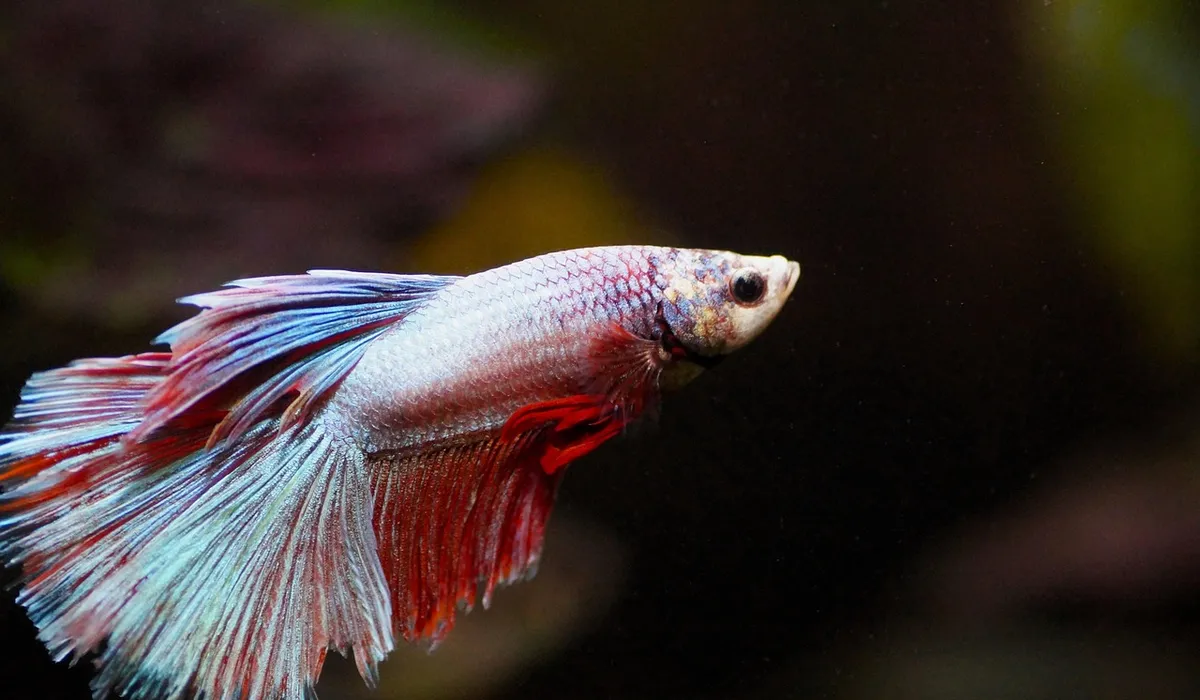
With their flowing fins and vibrant personalities, a single betta makes a perfect centerpiece for a small aquarium. They truly thrive when they don’t have to share their space. Keeping a betta alone prevents stress from territorial disputes and allows their full personality to shine. My own betta, Captain Fin, would flare at his reflection but was otherwise a calm, interactive fish who recognized feeding time.
Provide plenty of places to rest near the surface, like broad-leaf plants or a special betta hammock. Avoid strong filter currents, as their long fins make swimming a chore. A gentle sponge filter is your best bet. They do best in warmer water, so aim for a stable temperature between 78-80°F.
Guppies – The Colorful Crowd-Pleasers
If you want constant movement and a kaleidoscope of color, guppies are a fantastic choice. Their endless energy and friendly nature make them a joy to watch. You can comfortably keep a small group of 4-6 guppies in a 10-gallon setup, but be prepared for the possibility of babies if you mix males and females.
They are not picky eaters and will eagerly accept high-quality flake food. To maintain their dazzling colors, supplement their diet with frozen or live brine shrimp. Guppies appreciate a well-planted tank with some open swimming space. They are hardy and can adapt to a wide pH range, but stability is key.
Neon Tetras – A Glimmering School
Nothing compares to the sight of a tight school of neon tetras, their electric blue and red stripes flashing like tiny underwater lightning bolts. To see their true, confident behavior, you must keep them in a group of at least six individuals. A smaller number will cause them to hide and appear skittish.
They prefer soft, slightly acidic water and a dimly lit tank filled with floating plants. The dark substrate in my own tank really makes their colors pop. They are peaceful fish but can sometimes be seen playfully nipping at each other within their school, which is completely normal social behavior.
Ember Tetras and Zebra Danios – Energetic Additions
For smaller, fiery color, consider the ember tetra. Their glowing orange-red bodies create a stunning visual against a backdrop of green plants. They are shy and should be kept in schools of 8-10. Zebra danios are nearly indestructible and perfect for a beginner. Their hyperactive, zipping behavior is best suited for a single-species tank or with other very fast-moving fish.
Danios are surface dwellers and might outcompete slower, shyer fish for food. They thrive in slightly cooler water, around 70-75°F. I often recommend them for a first-time aquarium because of their incredible hardiness and non-stop activity.
Corydoras Catfish – The Bottom Dwellers
No community tank is complete without a cleanup crew, and corydoras catfish are the best in the business. These peaceful bottom-feeders spend their days sifting through the sand for leftover food. Like my cory Shadow, they are social animals that must be kept in groups of at least four to feel secure. When stocking a community tank, choose compatible fish that share similar water needs and peaceful temperaments. Avoid tankmates that may harass or outcompete them for food.
They have delicate barbels (whisker-like feelers) around their mouths, so a soft sand substrate is ideal to prevent injury. While they eat leftovers, you must supplement their diet with sinking algae wafers or specialized bottom-feeder pellets to keep them healthy and active.
Building a Peaceful Community Tank
Ideal Fish Pairings for Harmony
Mixing species in a small tank requires careful planning to avoid stress and aggression. The goal is to choose fish that occupy different levels of the water column.
- The Trio Classic: One centerpiece fish (like a betta), a mid-water school (6 ember tetras), and a bottom crew (4 pygmy corydoras).
- The Nano Schooler Tank: A single-species tank with 8-10 small tetras, like neons or embers, creates a breathtaking, low-stress display.
- The Livebearer Community: A small group of male-only guppies (to prevent breeding) with a group of 6-8 chili rasboras and some shrimp.
Always introduce the least aggressive fish first. This allows them to establish territory before a more dominant fish, like a betta, is added last.
Species to Avoid in Small Tanks
Some fish are commonly sold for small tanks but will suffer in a 10-gallon environment. Avoiding these species is a critical step for a healthy aquarium. When planning your tank, do choose the right aquarium size for your fish species. Verify the minimum volume each species needs.
- Common Goldfish and Comets: They produce an immense amount of waste and can grow over a foot long. They require ponds or very large tanks.
- Plecos (except the tiniest species): Common plecos grow massive. Even smaller varieties like bristlenose plecos produce a lot of waste for a 10-gallon.
- Angelfish and Tiger Barbs: Angels get too large and tall. Tiger barbs are prolific fin-nippers and need much larger groups and swimming space.
- Cichlids (most types): They are generally too territorial and aggressive for a small, peaceful community.
The biggest mistake I see is overstocking; more fish does not mean a better tank. A lightly stocked tank is easier to maintain, has stable water parameters, and is a less stressful environment for your aquatic pets.
Adding Invertebrates and Clean-Up Crews
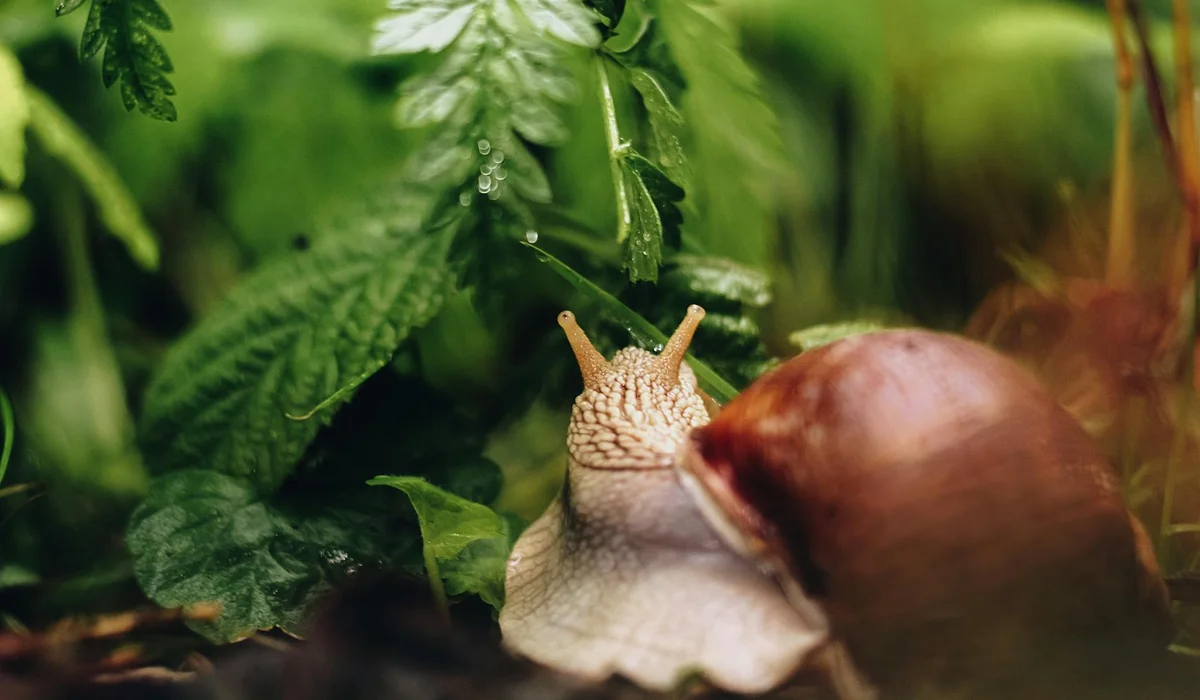
Your fish are the stars of the show, but a thriving tank often has a hardworking supporting cast. Invertebrates are fantastic for a 10-gallon, adding movement and performing vital cleanup duties.
Cherry Shrimp – Tiny Tank Helpers
I adore a colony of Cherry Shrimp in my small tanks. Their constant, grazing activity is mesmerizing. These little crustaceans are not just decorative; they are efficient detritus consumers, munching on leftover food and biofilm.
Keeping them happy is simple: provide plenty of hiding spots like mosses and cholla wood, and ensure your water parameters are stable. They are sensitive to ammonia and nitrite, so a fully cycled tank is non-negotiable.
Be mindful of their tank mates. Small, peaceful fish like Ember Tetras are usually fine, but any larger or aggressive fish will see your shrimp as a very expensive snack.
Snails – Nature’s Algae Eaters
If you struggle with algae film on your glass or decorations, snails are your best friends. They are the janitorial crew, working around the clock.
For a 10-gallon, I recommend Nerite Snails. They are prolific algae eaters and, crucially, their eggs will not hatch in freshwater. This prevents a population explosion. Another great option is the Trumpet Snail, which burrows into the substrate and helps to aerate it, preventing dangerous gas pockets.
Remember, snails are living creatures that produce waste, so don’t overstock. One or two Nerites is plenty for a 10-gallon tank. They won’t eliminate a major algae problem, but they are excellent for ongoing maintenance. Are snails good or bad for your aquarium? In moderation, they offer benefits like algae control and cleanup, but overstocking negates them.
Setting Up Your 10-Gallon Aquarium
A successful aquarium is built from the ground up. Rushing this process is the most common mistake I see. Taking your time here saves you from heartache later.
Essential Equipment Checklist
Before you add a single drop of water, gather these items. This is your foundation.
- Filter: A gentle hang-on-back or internal sponge filter is perfect. Sponge filters are my top pick for shrimp and fry tanks as they are safe and provide excellent biological filtration.
- Heater: A reliable, adjustable heater rated for 10-20 gallons. Most tropical fish need a steady 76-80°F. Never trust a pre-set heater.
- Lighting: A basic LED light on a timer works wonders. It supports plant growth and establishes a consistent day/night cycle for your fish, reducing stress.
- Water Conditioner: This instantly neutralizes chlorine and chloramines from tap water. This is not optional; you must use it with every water change.
- Test Kit: A liquid-based master test kit is your crystal ball. It lets you see the invisible water chemistry that dictates your fishes’ health.
Cycling Your Tank – The Foundation of Health
This is the most critical step, and you cannot skip it. Cycling is the process of growing beneficial bacteria in your filter that convert toxic fish waste (ammonia) into less harmful nitrate.
Think of it like building the immune system for your tank before you add any fish. Without it, your fish will be swimming in their own poison.
- Set up your tank with the filter and heater running.
- Add an ammonia source, like a pinch of fish food or pure ammonia from a bottle.
- Test your water daily. You will first see ammonia spike, then nitrite, and finally nitrate.
- The cycle is complete when your tests read 0 ppm ammonia, 0 ppm nitrite, and some level of nitrate. This process can take 4-8 weeks.
Patience here is the ultimate virtue. A fishless cycle is the kindest, most responsible way to start.
Choosing Substrate and Live Plants
Your substrate is more than just decoration; it’s the bedrock of your miniature ecosystem. A fine-grained substrate, like sand or small gravel, is ideal for most community fish and plant roots.
I am a huge advocate for using live plants from day one. They compete with algae for nutrients, provide shelter for shy fish and shrimp, and help improve water quality by absorbing nitrates. Of course, there are pros and cons to a planted aquarium. It’s worth considering potential downsides like higher lighting and maintenance requirements.
You don’t need a green thumb to succeed. Start with easy, hardy species.
- Java Fern and Anubias: These are my go-to recommendations. You don’t even plant them in the substrate; just attach their roots to a piece of driftwood or a rock with super glue gel or thread.
- Vallisneria: This grass-like plant sends out runners and creates a beautiful background jungle.
- Floating Plants: Plants like Frogbit or Salvinia have roots that dangle down, providing fantastic cover for fish and are phenomenal nitrate sponges.
A planted tank feels more natural, looks more beautiful, and creates a healthier, more stable environment for all your aquatic residents. Live plants provide several key benefits for your aquatic inhabitants.
Maintaining Water Quality and Fish Health
Testing Water Parameters Made Simple
Think of your tank’s water like the air you breathe—clean and balanced means happy, healthy fish. I test my water every week without fail, and it only takes a few minutes. Keeping an eye on the essential parameters—pH, ammonia, nitrite, nitrate, and temperature—helps you stay on top of water quality. Regular testing catches problems before they stress your fish, giving you peace of mind. Start with a liquid test kit; it’s more accurate than strips and lasts longer.
Focus on these key parameters for a 10-gallon setup:
- Ammonia: Aim for 0 ppm-any reading above this can harm gills and cause lethargy.
- Nitrite: Keep it at 0 ppm to prevent oxygen deprivation in fish like my corydoras, Shadow.
- Nitrate: Below 20 ppm is ideal; higher levels can lead to algae blooms.
- pH: Most beginner fish thrive between 6.5 and 7.5, but stability matters more than the exact number.
If you see a spike, don’t panic. A 25% water change often fixes it. I’ve learned that consistency in testing is what keeps my betta, Captain Fin, vibrant and active. Write down your results to spot trends over time-it makes troubleshooting a breeze.
Feeding and Care Routines
Feeding your fish should be a joy, not a chore. I feed my crew small portions twice a day, and they gobble it up in under two minutes. Overfeeding is the top cause of cloudy water and algae, so stick to a schedule. For variety, I rotate between high-quality flakes, sinking pellets for bottom dwellers, and occasional frozen brine shrimp.
Here’s a simple weekly routine I follow:
- Monday: Test water parameters and feed as usual.
- Wednesday: Scrape algae off the glass with a magnetic cleaner.
- Friday: Change 15-20% of the water and vacuum the substrate.
- Sunday: Check filter media; rinse it in old tank water if it’s clogged.
Goldie, my oranda goldfish, is always foraging, so I make sure any uneaten food gets siphoned out. A clean tank with a steady routine reduces stress and keeps fish colors bright. Listen to the gentle hum of your filter-it’s a sign everything is running smoothly.
Common Challenges and Easy Solutions
Managing Algae and Cloudy Water
Algae and cloudy water are common in small tanks, but they’re easy to tackle. I had a green haze appear once, and it turned out I was leaving the light on too long. Cutting back light to 6-8 hours a day and reducing feedings can clear up most algae issues fast. In a planted aquarium, healthy plants compete with algae for nutrients and light, helping keep the tank clear. For persistent algae, add a nerite snail or amano shrimp—their safe for 10-gallon tanks and work tirelessly.
Cloudy water often stems from bacterial blooms or debris. Try these fixes:
- White cloudiness: Usually a new tank cycle; wait it out or add beneficial bacteria.
- Green water: Too much light or nutrients; use a UV sterilizer or blackout for a day.
- Brown tint: Could be tannins from driftwood; it’s harmless but do a water change if you dislike the look.
Regular water changes are your best defense. I aim for crystal-clear water that lets me admire the shimmer of Captain Fin’s scales from across the room. Keep your filter clean, but never replace all the media at once-it houses helpful bacteria.
Ensuring Your Fish Thrive
Thriving fish are active, eat well, and show vibrant colors. In my 10-gallon, I watch for signs like clamped fins or hiding, which can signal stress. Providing plenty of plants and decor gives shy fish like Shadow places to retreat and feel secure. Live plants like java fern or anubias also help absorb excess nutrients and oxygenate the water.
Monitor behavior closely:
- If fish are gasping at the surface, check oxygen levels or ammonia.
- Lethargy might mean water temperature is off-keep it steady between 72-78°F for most community fish.
- Aggression can happen in tight spaces; rehome bullies or add more hiding spots.
I’ve found that a balanced ecosystem with compatible tank mates prevents most issues. Choosing the right tank mates is essential to reduce stress and curb aggression. Observe temperament and compatibility when stocking. Stable water conditions and attentive care turn a simple tank into a thriving underwater world. Trust your observations—you know your fish best!
FAQs
What are the best fish for a shallow 10-gallon tank?
Shallow tanks, often with less vertical height, suit fish that prefer swimming in the upper or middle water columns. Ideal choices include guppies, zebra danios, or ember tetras, as they are active and don’t require deep water. Ensure the tank has ample horizontal swimming space and stable water conditions to support their behavior.
What fish do Reddit users often recommend for a 10-gallon tank?
On Reddit communities, popular picks for a 10-gallon tank often include betta fish, neon tetras, and cherry shrimp due to their hardiness and ease of care. Users emphasize starting with a single species or small groups to avoid overstocking. Always research user experiences and tank logs for practical tips tailored to your setup.
Are all recommended fish for a 10-gallon tank freshwater species?
Yes, all commonly suggested fish for a 10-gallon aquarium are freshwater species, as saltwater setups require more complex equipment and expertise. Freshwater options like bettas, guppies, and corydoras are ideal for beginners due to their adaptability. Always confirm water parameters match the specific needs of your chosen fish. Check out these easy freshwater fish for beginners to ensure a successful start.
What fish are suitable for a 10-gallon aquaponics system?
In a small aquaponics setup, fish that produce sufficient waste for plant growth, such as guppies or mollies, are practical choices. Avoid large, waste-heavy fish like goldfish, as they can overwhelm the system. Ensure proper filtration and plant selection to maintain a balanced ecosystem for both fish and plants.
Your 10-Gallon Aquarium Journey Starts Here
Stick to a few small, peaceful fish like bettas or nano species, and always test your water weekly to keep parameters stable. Proper research on fish compatibility and tank maintenance will save you from common beginner pitfalls and ensure a healthy ecosystem.
Remember, owning an aquarium is a rewarding responsibility that grows with your knowledge and dedication. Stay curious, ask questions, and enjoy the process of learning more about your fish and their underwater world.
Further Reading & Sources
- Best Beginner Fish by Tank Size
- 22 Best Fish for a 10 Gallon Aquarium
- r/Aquariums on Reddit: What fish would you recommend for a beginners 10 gallon tank?
- The 15 Best Fish For 10 Gallon Tanks (And How Many) – AquariumStoreDepot
- Top 10 Freshwater Fish for a 10-Gallon Aquarium | Fish Stocking Ideas – Aquarium Co-Op
Lia is an expert in aquarium and pet fish care. Having worked in the marine industry and having cared for multiple pet fish, she has acquired first hand expertise on aquarium care, maintenance and setup. She always brings her practical expertise and science to help solve any aquarium related queries.
Fish Species