
Are Water Clarifiers Actually Safe for Your Fish? The Clear Answer
Hello fellow aquarists. You’re staring into your aquarium, and instead of crystal-clear water, you see a hazy, murky world that hides your beautiful fish. You’ve found a bottle of water clarifier, but you’re hesitating, wondering if this quick fix could harm your finned friends.
This guide cuts through the confusion and gives you the straight facts. We will cover:
How water clarifiers actually work inside your tank’s ecosystem, the real safety concerns and potential risks for different types of fish, a honest look at the pros and cons of using them, and finally, my top recommended, fish-safe products that I personally trust.
I’ve been running high-tech planted tanks and breeding sensitive fish for years, so I’ve seen what works and what doesn’t. For those just getting started, understanding the basics of fish tanks is crucial.
What Are Water Clarifiers and How Do They Work?
Water clarifiers are chemical treatments designed to tackle cloudy aquarium water by grouping tiny, suspended particles together.
They work by causing a microscopic “snowstorm” inside your tank, where invisible debris clumps into particles large enough for your filter to physically remove. In addition to managing particulate matter, it’s crucial to understand how filters function to maintain water quality.
Think of a clarifier as a helper that makes your filter’s job easier by handing it bigger pieces to catch.
The Science of Flocculation
Flocculation is the technical term for the clumping process these products trigger.
In a healthy but hazy tank, countless microscopic particles—like fish waste, uneaten food, and plant matter—are too small to be trapped by your filter media. These particles can fuel bacterial blooms and chemical changes that cause cloudy, discolored water, often stemming from overfeeding, poor filtration, or decaying debris.
They float endlessly in the water column, scattering light and creating that persistent murkiness.
Flocculation is the elegant solution that clears the haze without a massive water change.
Role of Polymers in Clarification
Most clarifiers use synthetic, water-soluble polymers to get the job done.
These long-chain molecules have a positive electrical charge, which attracts the typically negatively-charged particles causing the cloudiness.
As the polymer chains drift through the water, they grab onto these particles, linking them together into larger masses called flocs.
The key is using the right amount of polymer to create filterable clumps without creating a sticky, problematic mess.
Are Water Clarifiers Safe for Your Fish?
When used exactly as directed on the label, most commercial water clarifiers are considered safe for fish, shrimp, and plants.
I have used them in my own community tanks with species like Corydoras without any observable stress or harm.
The real danger lies in misuse, such as drastic overdosing, which can overwhelm your tank’s biology and chemistry.
Proper dosing is non-negotiable; always measure based on your tank’s actual water volume, not its total size.
Evaluating Risks and Safety Measures
While generally safe, there are specific risks you need to manage. The polymers can potentially coat delicate gill tissues if the concentration is too high, making it harder for fish to breathe.
Invertebrates like shrimp and snails can be more sensitive to these chemical changes than most fish.
I never add a clarifier to a tank that is already showing signs of stress from ammonia or nitrite spikes.
Always address the root cause of the cloudiness-often a bacterial bloom or overfeeding-instead of just repeatedly treating the symptom.
Here is my personal safety checklist before using any clarifier:
- Test your water parameters to rule out an ammonia or nitrite problem.
- Calculate the correct dose using a syringe or measuring cap for precision.
- Ensure your filter is clean and has fresh mechanical media to catch the newly formed clumps.
- Turn off UV sterilizers and protein skimmers for at least 24-48 hours, as they can break down the clarifier before it works.
- Observe your fish closely for the next few hours for any signs of labored breathing or erratic swimming.
Pros and Cons of Using Water Clarifiers
Benefits of Clear Water
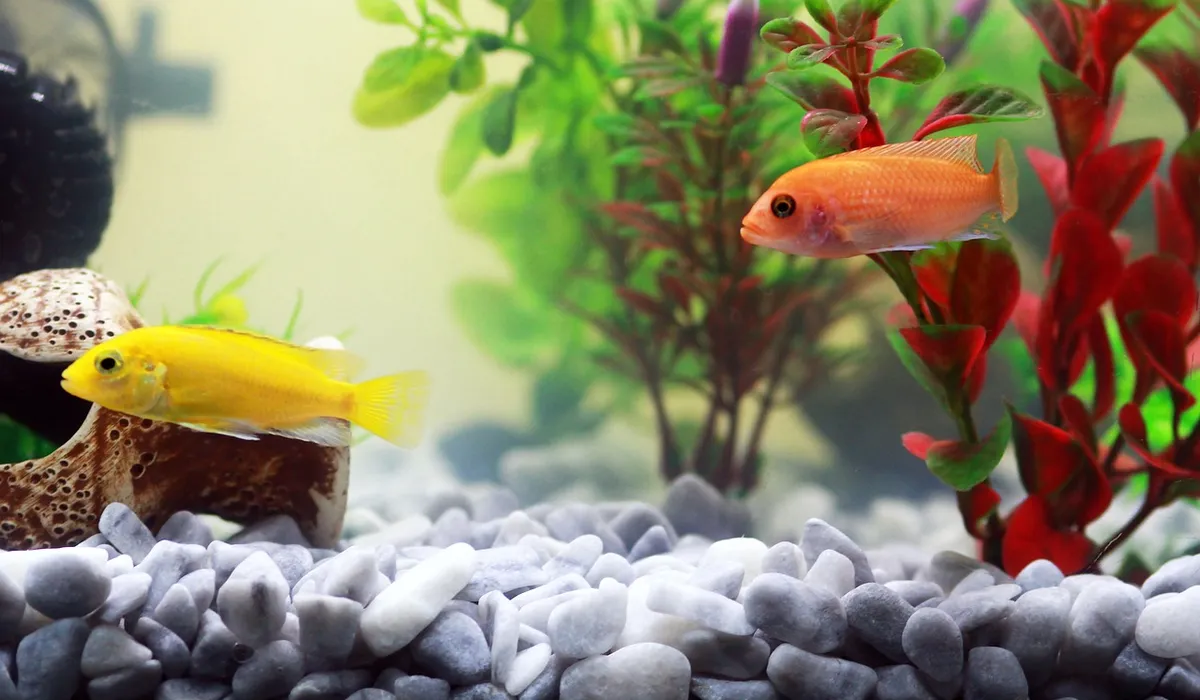
Seeing your fish thrive in crystal-clear water is one of the most rewarding parts of the hobby. When the water is transparent, you can easily watch Captain Fin’s vibrant blue and red scales catch the light as he swims. Clear water lets you spot early signs of illness, like clamped fins or unusual spots, before they become serious problems. To keep water crystal-clear, regularly test and monitor essential parameters—ammonia, nitrite, nitrate, pH, temperature, and dissolved oxygen. Doing so helps prevent hidden problems and keeps Captain Fin thriving. It also makes feeding time more enjoyable, as you can ensure every fish, from social Goldie to shy Shadow, gets their share without food getting lost in cloudy water.
Beyond just looking good, pristine water supports a balanced ecosystem. Here are the key advantages:
- Enhanced fish monitoring for health and behavior changes
- Improved light penetration for live plant growth, which benefits bottom dwellers like Shadow
- Reduced stress on fish, leading to more natural activity and coloration
- Easier detection of uneaten food or waste, helping maintain water quality
In my own tank, I’ve noticed that clear water encourages Goldie to forage more actively and reduces hiding in Shadow. A clean environment mimics their natural habitat, promoting overall well-being.
Drawbacks and Limitations
Water clarifiers aren’t a magic fix, and they come with risks if misused. Synthetic clarifiers can sometimes clump particles too aggressively, potentially irritating delicate gills or fins. Overusing clarifiers might mask underlying issues like overfeeding or inadequate filtration, which are the real culprits behind cloudy water. To improve water quality in your aquarium for healthy, thriving fish, prioritize good filtration and regular maintenance. I learned this the hard way when a quick clarifier application didn’t solve the recurring cloudiness in my betta’s tank, and I had to address the filter media instead.
Consider these limitations before reaching for a clarifier:
- Potential chemical sensitivity in species like bettas or corydoras, causing stress or respiratory issues
- Risk of harming beneficial bacteria if dosed incorrectly, disrupting the nitrogen cycle
- Cost adds up over time, especially for larger tanks over 20 gallons
- Not effective against all types of cloudiness, such as bacterial blooms or algae overgrowth
From my experience, Shadow the Corydoras showed signs of discomfort after a synthetic clarifier was used, reminding me to always test water parameters first. Always check your pH and ammonia levels-aim for a pH of 6.5-7.5 and 0 ppm ammonia to avoid shocking your fish.
Types of Water Clarifiers for Aquariums
Natural vs. Synthetic Clarifiers
Choosing between natural and synthetic clarifiers depends on your tank’s needs and your fish’s sensitivity. Natural options, like adding fine-filter floss or using UV sterilizers, work by physically trapping particles or disrupting microorganisms. I often rely on natural methods for my community tank because they’re gentler on sensitive fish like Captain Fin and Shadow. UV sterilizers are particularly effective against bacteria and algae. Synthetic clarifiers, on the other hand, use chemicals like polymers to bind suspended debris, making it easier for filters to remove them.
Here’s a quick comparison to help you decide:
- Natural clarifiers: Slower acting, safer for most fish, and support long-term balance; examples include activated carbon or increasing water flow
- Synthetic clarifiers: Fast results, but can cause pH swings if over-applied; best for emergency use in established tanks
In my setups, I’ve found that natural clarifiers reduce algae without risks, while synthetics are a last resort for sudden cloudiness. For tanks with goldfish like Goldie, who produce more waste, natural methods paired with weekly 25% water changes work best to maintain clarity. Many hobbyists find natural algae control preferable for ongoing balance, since it’s gentler on fish and beneficial bacteria. Chemical treatments can work fast in a pinch but carry risks to your tank’s stability if used repeatedly. Always monitor temperature—keep it stable between 72-82°F depending on your fish species—to avoid stressing them during treatment.
How to Use Water Clarifiers Safely and Effectively

Using a water clarifier correctly is the difference between a sparkling tank and a stressed-out ecosystem. Always treat your clarifier with the same respect you would any medication, because in many ways, that’s exactly what it is for your water column.
Step-by-Step Dosing Guide
- Test your water parameters first. Never add a clarifier to water with high ammonia or nitrite levels.
- Turn off your UV sterilizer if you have one. The clarifier will clump particles the UV light is meant to kill, rendering it less effective.
- Shake the clarifier bottle vigorously for at least 30 seconds. The active ingredients can settle.
- Measure the dose precisely using a syringe or the bottle’s cap. I always start with a half dose in my sensitive shrimp tank to be safe.
- Add the measured dose directly into an area of high water flow, like in front of your filter outlet.
- Let your filter run continuously. The filter is what will actually trap the clumped particles.
- Expect to see improvement within a few hours, with maximum clarity in about 24-48 hours.
- Wait at least 48 hours before considering a second dose. More is not better.
Patience is your most valuable tool here; the clarifier needs time to work its way through the entire system and be processed by the filter.
Common Mistakes to Avoid
- Overdosing: This is the number one error. It can shock your fish, damage their gills, and clog your filter media irreversibly.
- Using with certain inverts: Many clarifiers are not safe for delicate shrimp and snails. Always check the label twice.
- Pouring it into a dead zone: Dosing away from filter flow means the product won’t circulate properly, leading to uneven results.
- Ignoring the root cause: A clarifier is a temporary fix. If your water is constantly cloudy, you have an underlying issue with overfeeding, overstocking, or insufficient filtration.
- Mixing with chemical filtration: If you run chemical media like activated carbon or Purigen, remove it for 24-48 hours after dosing, or it will absorb the clarifier before it can work.
Using a clarifier to mask a persistent problem is like putting a bandage on a leaky pipe-you might not see the water for a bit, but the damage is still happening behind the scenes.
Selecting the Best Water Clarifiers for Your Tank
Not all water clarifiers are created equal. The right choice depends entirely on your tank’s inhabitants and the specific type of cloudiness you’re battling. My personal rule is to choose the gentlest product that will get the job done, saving the heavy-duty options for true emergencies.
Key Features to Look For
- Shrimp and Snail Safe Formulation: This is non-negotiable for any tank housing invertebrates. Look for brands that are explicitly marketed as safe for them.
- Natural Ingredients: Some of the best clarifiers use chitosan, a derivative from shellfish shells, which is very effective and tends to be gentler than synthetic polymers.
- Concentration: A more concentrated product often means you use less per dose, making it more economical and reducing the risk of accidental overdose.
- Clarity vs. Slime Coat: Read the fine print. Some products clarify water by binding to particles, while others may also include additives like aloe vera for fish slime coat protection, which can be a nice bonus.
- Brand Reputation: Stick with well-known, reputable brands in the aquarium industry. I’ve found their customer support and product consistency to be far superior.
The goal is to restore that glassy, pristine appearance to your water without disrupting the delicate biological balance your fish rely on.
FAQs
Can water clarifiers be used in saltwater aquariums?
Many water clarifiers are safe for both freshwater and saltwater setups, but always check the product label for marine compatibility. Saltwater tanks often house sensitive corals and invertebrates, so opt for clarifiers specifically designed for saltwater to avoid harming them. Using a clarifier not formulated for marine environments could disrupt water chemistry or affect delicate organisms.
What should I consider when buying water clarifiers on Amazon?
When shopping on Amazon, prioritize products with detailed descriptions that confirm safety for your fish species and tank type. Read customer reviews to gauge real-world effectiveness and any reported issues with fish health or water parameters. Look for reputable aquarium brands and ensure the seller has reliable shipping to maintain product integrity. Being cautious is especially important when purchasing used tanks or equipment; check out this guide to buying a used aquarium safely.
How often is it safe to use a water clarifier in my aquarium?
Water clarifiers should only be used as needed for sudden cloudiness, not as part of routine maintenance. Overusing them can lead to chemical accumulation, stressing fish and potentially harming beneficial bacteria. Always identify and fix the underlying cause, like overfeeding or poor filtration, to minimize reliance on clarifiers.
Are there effective natural alternatives to chemical water clarifiers?
Yes, natural methods like adding fine-filter floss to your filter or increasing water flow can help clear particles without chemicals. Some aquarists use boiled peat moss or Indian almond leaves, which gently bind debris over time. These options are safer for sensitive fish but may take longer to show results compared to synthetic clarifiers.
Your Path to Pristine Water
Use water clarifiers only as a temporary fix for sudden cloudiness, and always follow the dosage instructions precisely to protect your fish. Focus on consistent tank maintenance like regular water changes and proper filtration to prevent issues before they start, and make sure to test and maintain proper water parameters regularly.
Being a responsible fish keeper means always seeking to learn more about water chemistry and your pets’ specific needs. Your dedication to ongoing education will create a healthier, more beautiful home for your aquatic friends. Part of that education is understanding which maintenance tasks are essential and how often they should be performed. Keeping a regular maintenance schedule helps ensure stable water quality and happier fish.
Further Reading & Sources
- WaterClarifier
- Seachem – Clarity
- API® | ACCU-CLEAR™
- Water Clarifier, 16 oz.
- r/Aquariums on Reddit: Are there any consequences with adding water clarifier every other day?
Lia is an expert in aquarium and pet fish care. Having worked in the marine industry and having cared for multiple pet fish, she has acquired first hand expertise on aquarium care, maintenance and setup. She always brings her practical expertise and science to help solve any aquarium related queries.
Water Quality