
Test Your Tank Water Like a Pro: A Simple Guide to Key Quality Parameters
Hello fellow aquarium enthusiasts, If you’ve ever seen your fish gasping at the surface or noticed algae taking over, imbalanced water parameters are likely the cause. Getting a grip on testing doesn’t have to be complicated, and it’s the fastest way to a vibrant, healthy tank.
I’ll break down the process into easy steps you can start today. This guide will walk you through the most critical aspects of water quality management, including:
- Ammonia, nitrite, and nitrate levels and their role in the nitrogen cycle
- pH and general hardness for stable aquatic environments
- Temperature monitoring to prevent stress in your fish
- Using test kits correctly for accurate readings every time
- Setting a testing schedule that keeps your ecosystem in check
With years of hands-on experience maintaining high-tech planted tanks and successfully breeding fish, I’ve navigated every water quality challenge to share what truly works.
Why Your Aquarium’s Water Quality is a Big Deal
Think of your aquarium’s water as the air your fish breathe. You wouldn’t want to live in a room filled with smoke and dust, and your fish can’t thrive in water filled with invisible waste. Every single thing that happens in your tank-from eating to breathing-is directly impacted by the quality of the water they live in.
When the water is clean and balanced, you’ll see it in your fish. Their colors will be vibrant, their fins will be held high, and they’ll be active and eager to eat. My Betta, Captain Fin, does a little “wiggle dance” at feeding time when his water is pristine. Ignoring regular water tests is like driving a car with a blindfold on; you might be okay for a little while, but a crash is almost guaranteed.
The consequences of poor water quality aren’t pretty. Cloudy water is a common warning sign of underlying issues that can harm fish health and even kill your fish. Understanding why it happens helps explain the health risks involved. You’ll see stressed fish, which leads to a suppressed immune system and outbreaks of disease like ich or fin rot. In the worst cases, you can experience sudden, unexplained fish loss.
The Essential Water Parameters You Need to Know
The Nitrogen Cycle Trio: Ammonia, Nitrite, and Nitrate
This is the cornerstone of aquarium keeping. Fish waste and leftover food decompose into ammonia, which is highly toxic. Beneficial bacteria then convert that ammonia into nitrite, which is also very toxic. A second set of bacteria finally converts the nitrite into nitrate, which is far less harmful in smaller quantities.
- Ammonia (NH3): The primary fish waste product. The ideal level is always 0 ppm (parts per million). Any reading above 0.25 ppm is cause for immediate concern and a partial water change.
- Nitrite (NO2): The second stage of the cycle. Like ammonia, your target is a steady 0 ppm. Levels above 0.5 ppm will suffocate your fish by binding to their blood cells.
- Nitrate (NO3): The final product. A reading between 5-20 ppm is generally safe for most community fish. You control nitrate through regular water changes, which is why they are non-negotiable for a healthy tank.
Acidity and Hardness: pH, KH, and GH
These parameters measure the “personality” of your water. pH tells you how acidic or basic your water is. KH (Carbonate Hardness) is your pH’s stability buffer—it prevents sudden, dangerous pH swings. GH (General Hardness) measures the dissolved calcium and magnesium, which is crucial for fish scales, bones, and snail shells. Understanding the differences between GH and KH is vital for maintaining a healthy aquarium environment.
- pH: Most tropical fish thrive in a range of 6.5 to 7.5. Sudden changes are more harmful than a slightly “off” but stable number.
- KH: Aim for a KH of 4-8 dKH (70-140 ppm). This provides a strong buffer to keep your pH from crashing.
- GH: A GH of 4-8 dGH (70-140 ppm) is good for many common livebearers and tetras. Soft water fish, like my Crowntail Betta, prefer a lower GH, while African Cichlids need very hard water.
Other Key Factors: Temperature and More
While the chemical parameters are vital, don’t forget these physical ones. A reliable aquarium heater is a must for tropical species.
- Temperature: Stability is key. A sudden drop of just a few degrees can stress fish. Most community tanks do well at 76-80°F (24-27°C).
- Dissolved Oxygen: This is driven by surface agitation from your filter output or an air stone. Warm water holds less oxygen, so good water movement is critical.
- Chlorine/Chloramine: Always treat tap water with a dechlorinator. These chemicals are added to municipal water to make it safe for us but will kill your tank’s beneficial bacteria and fish.
Chasing a “perfect” number on a chart is less important than maintaining stable, consistent parameters that match your specific fish’s needs. Your fish would much rather live in a stable environment than a perfect but fluctuating one.
Choosing the Right Tools for Water Testing
Liquid Test Kits vs. Test Strips
-
Compare accuracy, cost, and ease of use
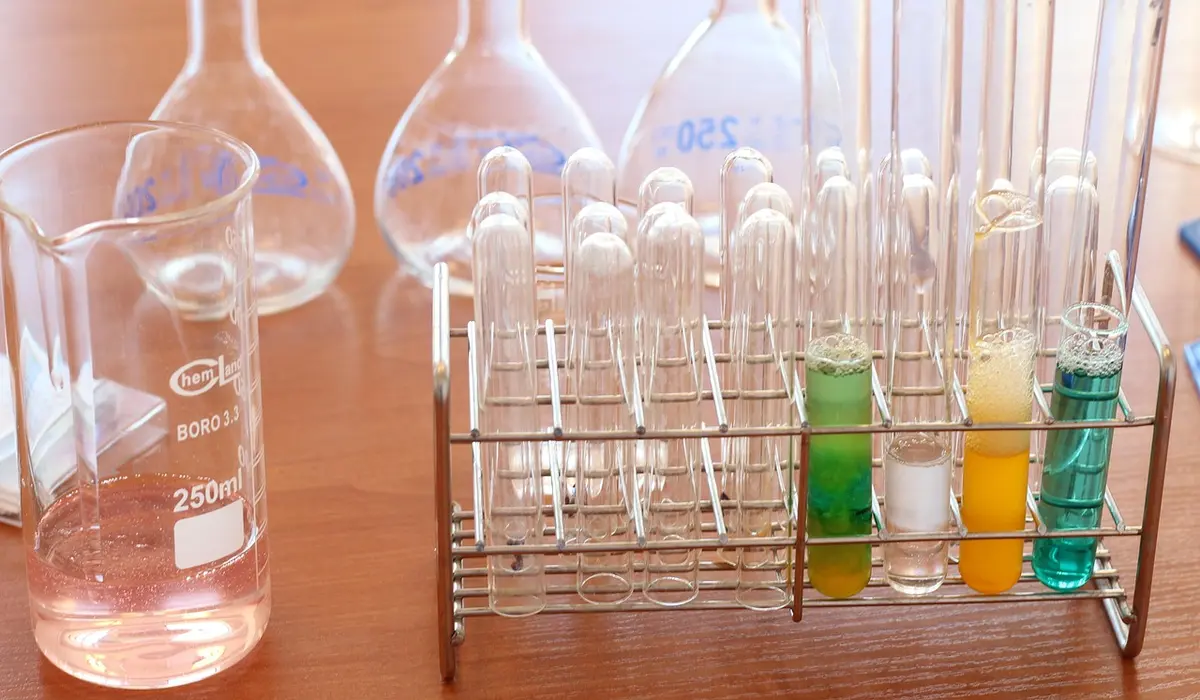
Liquid test kits, also called reagent kits, use chemical drops you count into a water sample. I find them far more precise than strips. The color change is distinct and easy to match on the provided chart. A master kit costs more upfront but gives you hundreds of tests.
Test strips are the speed demons of water testing. You just dip and read. They are wonderfully affordable for a quick check. Their downside is subtle color blocks that can be tricky to interpret, and they can lose accuracy if the bottle isn’t sealed tightly.
-
Discuss pros and cons for beginners and experts
For a beginner, test strips offer a low-stress way to start monitoring your tank. They build the vital habit of regular testing without overwhelming you with steps. The trade-off is you might not get the pinpoint accuracy needed to troubleshoot a delicate tank. To learn more, read a beginner’s guide to reading and using aquarium test strips. It explains how to read the color chart and what actions to take based on the results.
Experienced aquarists, especially those with sensitive shrimp or complex planted tanks, almost universally prefer liquid kits. I switched years ago and won’t go back. The control and reliability are worth the extra minute it takes. You get a definitive number for parameters like ammonia, not a vague color range.
Digital Meters and Specialized Equipment
-
Mention pH meters, TDS testers, and refractometers for salinity
Beyond basic kits, digital tools offer a new level of control. A good pH meter gives you an instant, exact reading, which is a lifesaver for breeding fish that need a specific pH. TDS (Total Dissolved Solids) meters are essential for keeping Caridina shrimp, telling you the overall mineral content of your water. For saltwater enthusiasts, a refractometer is non-negotiable for measuring salinity accurately; the cheap plastic hydrometers are just too unreliable.
-
Advise on when to upgrade from basic kits
You don’t need these tools on day one. Upgrade to specialized equipment when your hobby goals become more specific and demanding. If you start a crystal red shrimp colony, get a TDS meter. If you’re battling persistent pH swings in a discus tank, a digital pH pen is your best friend. Start with a reliable liquid master kit and expand your toolbox as your aquarium journey deepens.
How to Test Your Aquarium Water Step-by-Step
-
Gather your testing kit and a clean sample cup
First, get a dedicated cup you only use for aquarium testing. Rinse it a few times with the tank water you’re about to test, then fill it. Always take water from the middle of the tank, away from the filter output, for the most representative sample. Have your test kit, a timer, and a paper towel ready on a clean surface. This is the first step in our step-by-step guide to testing your aquarium water properly. In the next steps, you’ll learn how to run the test and interpret the results.
-
Follow specific instructions for each parameter test
Read the instructions for each test every single time. For liquid kits, hold the dropper bottles straight up and down to ensure consistent drop sizes. Cap the test tube and shake it vigorously for the exact time stated. I set a timer on my phone because guessing never works. Place the vial on the white part of the card in good, natural light to compare colors.
-
Record results immediately in a log
This is the most overlooked but most critical step. Write your numbers down right away in a notebook or a notes app on your phone. Keeping a log helps you spot trends and catch problems before they become emergencies. Note the date and anything unusual, like a water change or a new fish addition.
-
Clean up and store equipment properly
Rinse the test tubes and sample cup with tap water and let them air dry completely. Wipe the outside of your reagent bottles to prevent sticky residue. Store your entire kit in a cool, dark place, as heat and light can degrade the chemicals over time. Proper storage keeps your kit accurate for its full lifespan.
What Your Test Results Mean and When to Worry
Reading the Nitrogen Cycle Parameters
Think of your tank’s nitrogen cycle as a tiny, invisible clean-up crew. Your test results tell you how well that crew is working.
- Ammonia and Nitrite should always read zero in a cycled, healthy tank. Any amount above that is a red flag, like a fire alarm for your fish’s gills. Nitrate is the final product and is less toxic, but you want to keep it under 20-40 ppm for most community fish through regular water changes.
- An uncycled tank will show rising ammonia, followed by a spike in nitrite. Your fish might gasp at the surface, their fins may clamp, or they could develop red streaks. I call this the “new tank syndrome shuffle,” and it’s a race against time to re-establish that bacterial balance.
Balancing pH, KH, and GH
These three are best friends that work together. pH tells you if your water is acidic or basic. KH (Carbonate Hardness) is the stability guard-it prevents pH from crashing. GH (General Hardness) measures dissolved minerals. Both KH and GH contribute to water hardness and alkalinity in aquariums.
- KH acts like a sponge, soaking up acids that try to change the pH. A high KH means a very stable pH; a low KH means your pH can swing wildly, which is more dangerous to fish than a stable “wrong” pH.
- For common fish, aim for these ranges: Most tropical community fish (like tetras and gouramis) prefer a pH of 6.5-7.5 and soft to moderately hard water. African Cichlids thrive in a harder, more alkaline environment with a pH of 7.8-8.5. Goldfish are adaptable but do best in a pH near 7.5.
Simple Fixes for Common Water Quality Issues
Addressing High Ammonia, Nitrite, or Nitrate
- Your first and best move is always a partial water change of 25-50%. This instantly dilutes the toxins, giving your fish immediate relief and you some breathing room to find the root cause.
- Check that your filter is running and the media isn’t clogged or overly cleaned. Look at your tank stocking-are you overfeeding or is the tank overpopulated? An overcrowded tank produces waste faster than the bacteria can handle.
- Use a water conditioner that detoxifies ammonia and nitrite for 24-48 hours. A beneficial bacteria supplement can also give your biological filter a quick boost to help it catch up.
Adjusting pH and Hardness
- For a lower, more acidic pH, I naturally add Indian Almond Leaves or driftwood-they release tannins that gently acidify the water. To raise pH and increase KH/GH, a bag of crushed coral in your filter is a slow, steady, and effective method.
- Never use chemical pH adjusters in a single large dose. A rapid pH shift is incredibly stressful and can send fish into shock. Always make changes gradually over several days, testing frequently along the way.
Setting Up a Easy Water Testing Routine
Tailoring Frequency to Your Tank’s Life Stage
Your testing schedule should adapt to whether your aquarium is brand-new or well-established. For a new tank that’s still cycling, I test key parameters like ammonia and nitrite every single day to monitor for dangerous spikes. This intense focus helped me avoid disaster when introducing Captain Fin to his first home. Once your tank is stable-usually after 4-6 weeks-you can shift to a more relaxed routine. My established community tank with Shadow only needs a weekly check-in to ensure everything remains balanced.
A Practical Weekly and Monthly Testing Plan
Here is the simple schedule I use to keep my tanks healthy without feeling overwhelmed. Stick to this routine, and you will catch most issues before they affect your fish. This beginner’s guide to fish disease prevention and tank maintenance explains why these steps work. By following them, you’ll reduce disease risk and keep your tanks stable and healthy.
- Every Week: Test pH, ammonia, nitrite, and nitrate levels. I do this every Saturday morning while I enjoy my coffee.
- Every Month: Check general hardness (GH), carbonate hardness (KH), and phosphate. This monthly deep-dive gives me a complete picture of my water’s mineral content and potential for algae.
Writing your results in a small notebook creates a valuable log that helps you spot trends over time. I’ve tracked Goldie’s tank this way for years, and it makes adjusting water changes effortless.
Consistency Beats Perfection Every Time
Do not worry if you miss a test or your numbers are not exactly where you want them. Building a regular habit is far more impactful than achieving perfect parameters on every single test. The gentle rhythm of consistent care—listening to the filter hum while you check the water—becomes a soothing ritual that benefits both you and your fish. If life gets busy, just resume your routine as soon as you can; your aquarium is more resilient than you think. Over time you’ll learn which essential maintenance tasks to do and how often to do them. Knowing the right frequency of essential aquarium maintenance tasks like testing, partial water changes, and filter checks helps you keep the tank steady and your routine sustainable.
## FAQs
Are electronic aquarium water testers worth the investment?
Electronic testers, like digital pH or TDS meters, provide highly precise and instant readings, which is invaluable for sensitive setups like shrimp tanks or breeding projects. They are more expensive than basic kits and require regular calibration to maintain accuracy. For most hobbyists, a reliable liquid test kit is sufficient, but an electronic tester is a great upgrade for those needing laboratory-grade precision for specific parameters.
What is the most accurate type of aquarium water testing kit?
Liquid reagent-based test kits are widely considered the most accurate option for home aquarium testing, offering precise measurements for critical parameters like ammonia and nitrite. While test strips are convenient for a quick check, their color pads can be difficult to read and may be less reliable. For the most dependable results, especially when troubleshooting a problem, a master liquid test kit is the recommended choice.
Where can I find a local aquarium water testing service?
Many local fish stores (LFS) offer water testing services, often for free or a small fee, providing a helpful second opinion on your results. Some pet store chains also provide this service, though the expertise of the staff can vary. For a comprehensive analysis, you can send a sample to a specialized aquarium water testing lab, which will provide a detailed report on a wide range of parameters. Regular testing helps you maintain proper water parameters in your aquarium. Use the results to guide water changes and any necessary tweaks to filtration or additives.
What water parameters are most critical to test regularly?
The most critical parameters to test weekly are ammonia, nitrite, nitrate, and pH, as these directly impact fish health and indicate the stability of your nitrogen cycle. For a more complete picture, monthly tests for general hardness (GH) and carbonate hardness (KH) are also important to ensure a stable environment. A professional testing lab would check these and more, but for routine home monitoring, focusing on these key parameters will keep your tank healthy.
Your Journey to a Healthy Aquarium
Make testing for ammonia, nitrites, nitrates, and pH a regular part of your weekly routine to catch problems before they harm your fish. Always test water parameters before introducing new fish to prevent accidental shocks or toxic spikes. If readings are off, wait and retest before adding new tank mates. Consistent monitoring and small, frequent water adjustments are far more effective than reacting to a crisis.
Being a great fish keeper means committing to lifelong learning about water chemistry and the specific needs of your aquatic pets. The more you understand your tank’s unique ecosystem, the more rewarding and successful your hobby will become.
Further Reading & Sources
- Reef Tank Water Parameters – Bulk Reef Supply
- Proper Water Parameters for Home Aquariums
- 6 Parameters You Should Pay Attention to in Fish Tanks – Kactoily
- A guide to aquarium water parameters and chemistry
- Aquarium water parameters for a balanced fish tank
Lia is an expert in aquarium and pet fish care. Having worked in the marine industry and having cared for multiple pet fish, she has acquired first hand expertise on aquarium care, maintenance and setup. She always brings her practical expertise and science to help solve any aquarium related queries.
Water Quality