
The Safe Timeline for Reintroducing Fish After a Tank Move
Published on: December 31, 2025 | Last Updated: December 31, 2025
Written By: Lia Annick
Hello fellow fish keepers. I know that cloudy, unsettled water in a tank you just moved can make your heart sink, and the urge to get your fish back into their home is powerful.
This guide will walk you through the exact process to ensure your aquatic pals transition smoothly and safely. We will cover:
Why the nitrogen cycle is your top priority after a move,
The definitive water tests you must pass before adding a single fish, and
Step-by-step acclimation techniques to prevent shock.
I’ve stabilized dozens of moved tanks over the years, from delicate shrimp colonies to my own feisty betta, Captain Fin.
Why the Waiting Period is Crucial for Your Aquarium
Moving a tank is a massive shock to the entire ecosystem, not just a simple change of scenery for your fish. The gravel, filter media, and decorations are all packed with beneficial bacteria that process fish waste. Disturbing this delicate bacterial balance is the single biggest risk when you move a tank, and it’s why a waiting period isn’t just a suggestion-it’s a lifesaver, as detailed in how to safely move and transport a fish tank.
Think of your filter not as a machine, but as a living city of microscopic workers. When you move the tank, you shake that city to its foundations. Many bacteria die from being exposed to air or sudden temperature changes. If you add fish back immediately, their waste has no processing plant, and toxic ammonia spikes in hours. I learned this the hard way years ago with a hasty move that cost me a school of tetras. Understanding how your fish tank filter works is crucial to keeping a stable environment.
Beyond the bacteria, the water itself becomes unstable. Tiny particles of debris cloud the water and can clog fish gills. The temperature will fluctuate. The pH can swing. Your main goal is to allow the tank to settle, both physically and chemically, creating a stable, hospitable world before its inhabitants return. Rushing this process is the most common cause of New Tank Syndrome in an established aquarium. Cloudy water is a common sign of the syndrome as the tank cycles. The fix is to be patient, let beneficial bacteria establish, and perform small water tests and changes rather than rushing the setup.
Determining the Safe Waiting Time After a Tank Move
So, how long is long enough? There isn’t one universal number, but a safe range exists. For most freshwater community tanks, you should plan for a waiting period of at least 24 to 48 hours after the move before even considering a fish reintroduction. A full 7-day quarantine-style observation is the gold standard for ensuring stability.
Your most reliable tool isn’t a calendar, but a liquid test kit. You are waiting for these specific water parameter checkpoints:
- Ammonia: 0 ppm
- Nitrite: 0 ppm
- Nitrate: A readable level (e.g., 5-20 ppm)
- pH: Stable and matching its pre-move reading
- Water: Crystal clear with no floating debris
Never add your fish back until you have confirmed zero ammonia and zero nitrite for at least 24 consecutive hours. This is non-negotiable. Seeing a nitrate reading is actually a good sign-it means some of your bacterial colony survived and is processing waste.
Key Factors That Influence How Long You Wait
The exact timeline depends heavily on your specific moving process. Your choices during the move directly dictate the recovery time.
- Filter Media Handling: If you kept your filter media submerged in old tank water during the move, your bacterial colony is mostly intact. This can cut the wait down to the 24-48 hour range. If the media dried out or was rinsed with tap water, you’ve essentially started a new cycle and may be looking at a week or more.
- Substrate Disturbance: Did you deeply vacuum the gravel during the move or leave it largely untouched? A deep clean releases a lot of trapped waste into the water column, creating more work for the filter and extending the settling period.
- Tank Size: Smaller tanks (under 20 gallons) are less stable and can see parameter swings much faster. A larger volume of water in a big tank dilutes problems and can sometimes stabilize more predictably.
- Use of Seeding Material: Did you add a bottled bacterial booster or filter media from another healthy tank? These can significantly accelerate the re-stabilization process.
How you managed your filter is the most critical factor, as it holds the majority of your tank’s biological filtration power. Treat it with care, and your wait will be much shorter.
Freshwater vs Saltwater Aquarium Differences
The moving process and waiting period differ dramatically between freshwater and saltwater setups. The stakes are generally higher for marine tanks.
For freshwater aquariums, the primary concern is re-establishing the nitrogen cycle. The process I’ve described above applies directly. A well-handled freshwater move can often be safe in a couple of days. If you want a deeper dive, cycle your new aquarium nitrogen cycle explained walks you through the cycling steps, the tests to run, and the expected timelines.
Saltwater aquariums, especially reef tanks, are a different story. The live rock is the main bio-filter, and the life on it is incredibly sensitive. For a moved saltwater tank, you should anticipate a much longer waiting period, typically a minimum of one to two weeks. You are not only waiting for ammonia to zero out but also for the tank to fully clear itself of any die-off from the live rock and for salinity, alkalinity, and calcium to stabilize.
Corals and sensitive marine invertebrates should always be the last things you add back, only after the tank has shown perfect stability for an extended period. For a simple fish-only saltwater tank, you can follow a timeline closer to a freshwater tank, but always err on the side of more patience. The hum of the protein skimmer pulling out waste and the clear, salty water are your visual and auditory cues that the system is calming down.
Testing Water Conditions Before Reintroducing Fish
Monitoring Ammonia and Nitrite Levels
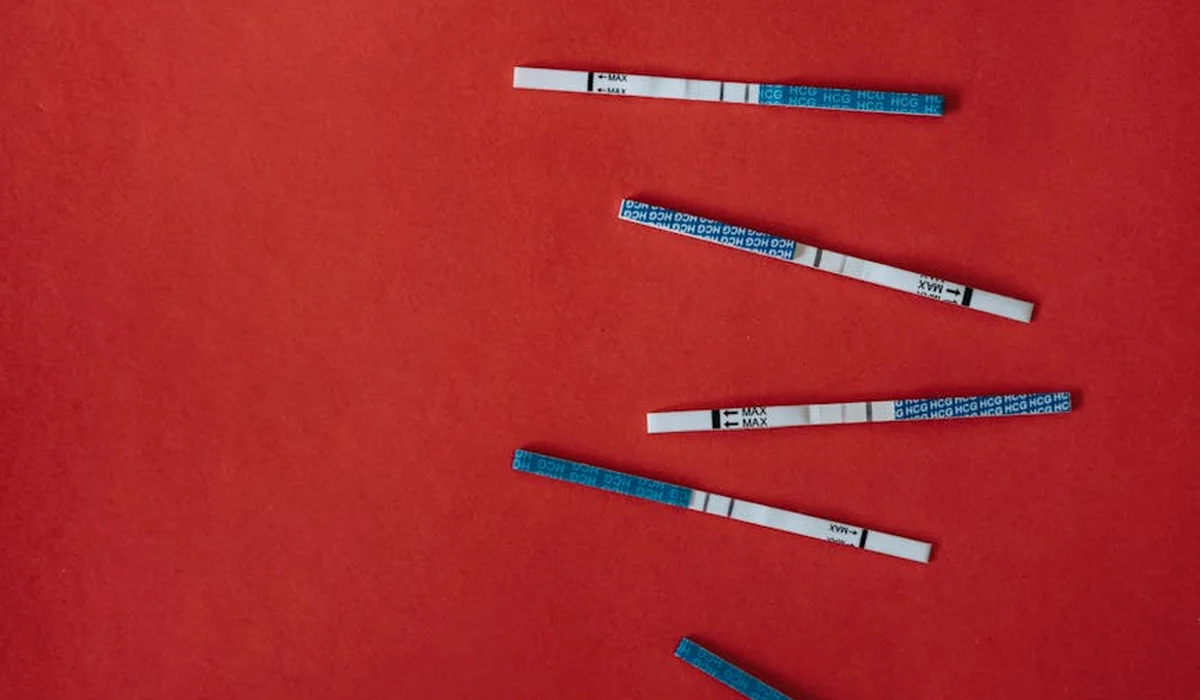
After moving your tank, you must check ammonia and nitrite levels daily with a liquid test kit. Ammonia spikes are common after a move because the beneficial bacteria in your filter can get disturbed, leading to a mini-cycle that harms fish. These are mistakes to avoid when moving a fish tank. Take your time to re-test water parameters and reintroduce fish only after the tank has settled. I learned this the hard way when I rushed to reintroduce Captain Fin, my Crowntail Betta, and saw him gasping at the surface due to invisible toxins.
Keep ammonia and nitrite at 0 ppm before even thinking about adding fish back. Before introducing new fish, verify all essential water parameters—pH, temperature, ammonia, nitrite, and nitrate—are within safe ranges. Use a reliable test kit and record results in a log to track trends over three to five days, ensuring stability. If levels rise, perform a 25% water change and wait another 24 hours to retest.
- Test water every morning for consistency.
- Aim for zero ammonia and nitrite readings.
- If levels exceed 0.25 ppm, delay fish reintroduction.
Nitrite is especially sneaky because it binds to fish blood, reducing oxygen uptake. I always double-check nitrite levels with a second test strip to avoid false readings that could stress sensitive fish like Shadow, my Corydoras.
Preparing Your Moved Tank for Fish Reintroduction
Boosting Beneficial Bacteria in Your Biofilter
Your biofilter houses beneficial bacteria that break down waste, and moving the tank can slash their numbers. To boost bacteria, add a quality bacterial supplement like a bottled starter culture directly into the filter media. After my last move, I used one and saw nitrates forming within days, a sign the ecosystem was rebooting.
Keep the filter running with existing media if possible, and avoid deep cleaning it right after the move. Introduce a small ammonia source, like a pinch of fish food, to feed the bacteria and accelerate colony growth without risking fish health. Monitor water parameters to confirm the bacteria are processing waste effectively.
- Add bacterial supplements according to package directions.
- Maintain water temperature between 76-80°F for optimal bacterial activity.
- Test daily until ammonia and nitrite hit zero consistently.
Beneficial bacteria thrive in oxygen-rich environments, so ensure good water flow. I often leave the tank empty for an extra day or two to let the bacteria fully establish, which saved Goldie, my Oranda, from potential stress during reintroduction.
How to Reintroduce Fish Safely to Your Moved Tank
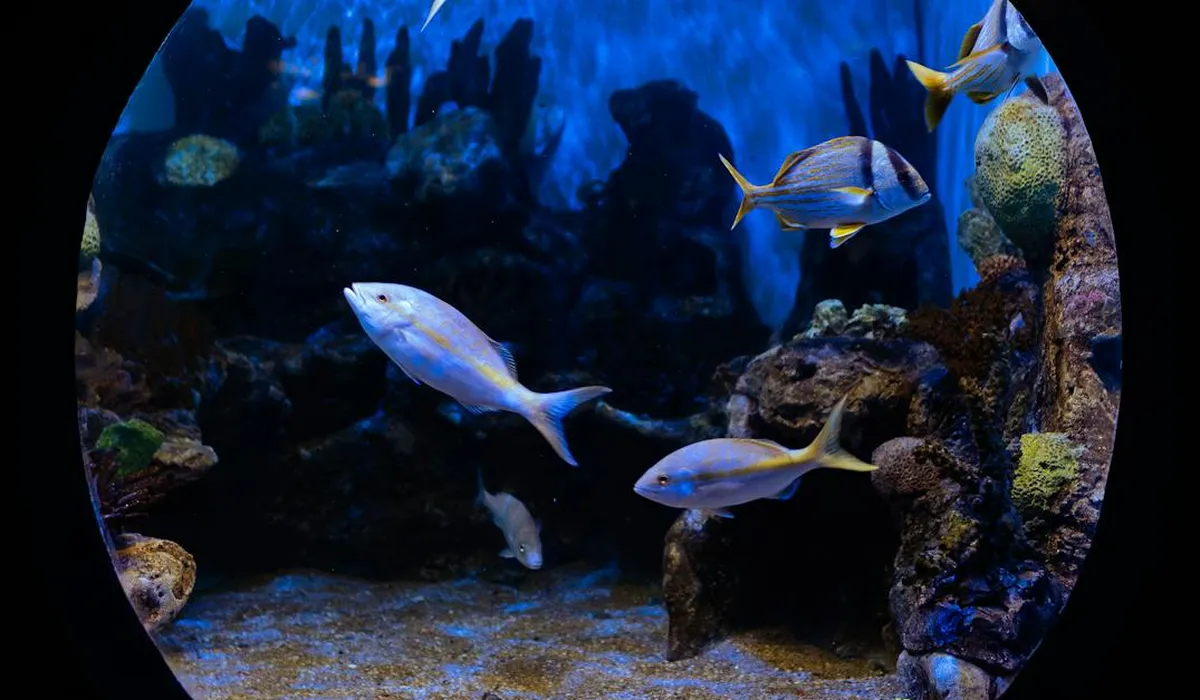
After moving your tank, reintroducing fish too quickly can shock their systems. I always wait until the water parameters stabilize, which typically takes 24 to 48 hours if you used existing tank water and filter media. Test for ammonia, nitrite, and nitrate to ensure levels are safe before even thinking about adding fish back. Setting up your tank properly after a move can make a big difference in how well your fish adjust.
Your fish have been through a lot, so gentle handling is key. Use a soft net and avoid sudden movements to prevent physical injury or extra stress. I’ve found that keeping fish in a darkened bucket during the move helps them stay calmer, similar to how Shadow, my Corydoras, prefers dim hiding spots.
Acclimation Techniques for a Smooth Transition
Acclimation helps fish adjust to any minor changes in water chemistry after a move. Drip acclimation is my go-to method because it slowly equalizes temperature and pH, reducing the risk of shock. For community tanks with mixed species like mine, this step is non-negotiable to keep everyone healthy.
Here’s a simple way to set up drip acclimation at home:
- Float the fish bag or container in the tank for 15 minutes to match temperatures.
- Use airline tubing with a knot to control flow, starting a siphon from the tank into the container.
- Adjust the drip to 2-4 drops per second, and let it run for 30-60 minutes.
- Gently net fish into the tank, avoiding pouring in the old water.
For hardy fish like Goldie, my Oranda, you might shorten this to 20 minutes, but delicate species like bettas need the full hour. Always monitor fish for signs of distress, such as rapid gill movement or lethargy, during acclimation.
Recognizing and Managing Fish Stress Post-Move
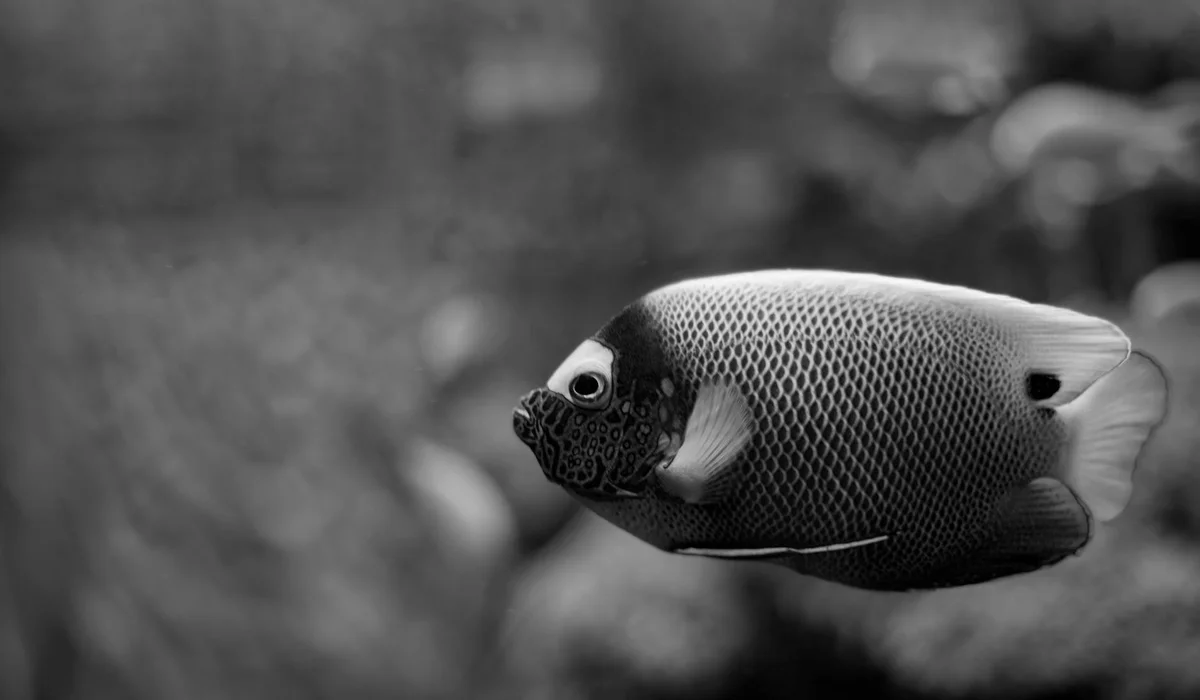
Stress signs can pop up quickly after a tank move, so watch closely. Common indicators include clamped fins, loss of appetite, or unusual hiding, which I’ve seen with Shadow after rearrangements. These are among the most common signs of stress in aquarium fish. Recognizing them early can help you take quick steps to reduce stress. If your fish are gasping at the surface or darting erratically, it could point to poor water quality or environmental shock.
Managing stress starts with water testing-aim for 0 ppm ammonia, 0 ppm nitrite, and under 20 ppm nitrate. Perform a 10-15% water change if parameters are off, using a dechlorinator to neutralize tap water contaminants. I keep a log of tests to spot trends early, especially after disruptions like a move.
Creating a Calm Environment for Your Fish
A peaceful tank setup speeds up recovery post-move. Dim the lights for the first day or two to mimic natural dusk and reduce stress, which works wonders for skittish fish. I often add Indian almond leaves or driftwood to release tannins, creating a soothing, slightly acidic environment that bettas like Captain Fin adore.
To foster calm, focus on these elements:
- Maintain a consistent temperature-for tropical fish, 76-80°F is ideal, while goldfish prefer 68-74°F.
- Use live plants like Java fern or Anubias to provide hiding spots and improve water quality.
- Position the tank away from high-traffic areas to minimize vibrations and noise.
I’ve noticed that a gentle filter flow, like from a sponge filter, prevents fish from being buffeted around. Adding a background to the tank can also make fish feel more secure by reducing reflections and external movements. Over time, these small tweaks help your aquarium hum back to life with minimal drama.
FAQs
How do fish typically behave after a tank move?
Fish often show signs of acclimation stress, such as hiding, clamped fins, or reduced appetite, due to the disruption of their environment. In new fish, these signals are commonly part of acclimation stress as they adjust to a new tank. This is normal and usually subsides as the tank stabilizes over 24-48 hours. Providing a calm, dimly lit space can help them adjust more quickly.
Do fish move after they die?
Yes, fish can exhibit movement after death due to nerve reflexes and muscle contractions, not conscious activity. These post-mortem twitches are common and can occur for a short time as the nervous system shuts down. It’s important to remove deceased fish promptly to maintain water quality.
Is muscle memory involved in fish movement after death?
No, muscle memory refers to learned behaviors from repetition, which doesn’t apply after death. Post-death movements are involuntary and caused by residual nerve impulses or chemical changes in the muscles. This is a biological response, not a sign of life or memory.
How does water affect post-mortem movement in fish?
Water can amplify post-mortem movements due to buoyancy and reduced friction, making twitches more visible. Decomposition gases may also cause floating or shifting, which can be mistaken for life. Always check for other signs of death, like lack of gill movement, to confirm.
Setting the Stage for Success
Give your moved tank a full 24 to 48 hours to settle, and always confirm with a test kit that ammonia and nitrite levels are at zero before your fish return. Rushing this process is the most common mistake, and a little patience here protects your fish from a dangerous, stressful environment.
Caring for an aquarium is a continuous journey of observation and learning, much like understanding the unique personalities of my own fish, Shadow and Captain Fin. Embrace the ongoing education about water chemistry and fish behavior; it’s what transforms a simple tank into a thriving, living ecosystem.
Further Reading & Sources
- Species Reintroduction – an overview | ScienceDirect Topics
- A community‐driven captive‐breeding and reintroduction program maintains genetic diversity in a threatened freshwater fish
- Recovery Through Reintroductions for California’s Central Valley Salmon | NOAA Fisheries
- First Reintroduced Salmon Return to California Rivers in a Critical Step Towards Recovery | NOAA Fisheries
- Species reintroduction – Wikipedia
Lia is an expert in aquarium and pet fish care. Having worked in the marine industry and having cared for multiple pet fish, she has acquired first hand expertise on aquarium care, maintenance and setup. She always brings her practical expertise and science to help solve any aquarium related queries.
Water Quality