
LED vs. Fluorescent vs. Halide: Cutting Through the Glare to Find Your Tank’s Perfect Glow
Published on: October 24, 2026 | Last Updated: October 24, 2026
Written By: Lia Annick
Hello fellow aquarists! If you’ve ever found yourself squinting at shelves of aquarium lights, paralyzed by choice, you’re not alone. Picking the right light feels huge-it shapes everything from plant vibrancy to fish behavior, and getting it wrong can leave your aquatic world looking washed out or unbalanced.
This guide breaks down the glare into clear, actionable light. We’ll compare the big three across the factors that truly matter for your setup:
- Energy efficiency and long-term cost: How your choice hits your wallet and the planet.
- Light spectrum and intensity: Why certain wavelengths make plants pop and fish colors shimmer.
- Heat output and tank temperature management: The often-overlooked impact on your water’s stability.
- Lifespan, durability, and real-world maintenance: Moving beyond hype to see what lasts.
I’ve made the mistakes and celebrated the wins over years of maintaining high-tech planted tanks and breeding sensitive fish, so you get advice soaked in actual tank water.
Why Your Aquarium Light Matters More Than You Think
Watch the way light plays over Captain Fin’s blue and red scales, creating a living jewel box in your room. That shimmer isn’t just pretty; it’s a sign of a healthy ecosystem where every element, from fish scales to plant leaves, is energized by the right light.
Light is the engine of your tank’s life. For plants and corals, it’s their kitchen, driving photosynthesis to create food and oxygen that your fish, like the always-foraging Goldie, depend on. That raises the question: do fish and aquarium plants need specialized lighting? In short, yes—plants thrive with lighting that provides the right spectrum and daylength to support photosynthesis and healthy growth.
It directly influences fish well-being and coloration. I’ve seen shy species like Shadow become more active and display richer patterns under a gentle, full-spectrum glow that mimics a peaceful dusk.
Get the light wrong, and the balance shatters. Too much or the wrong spectrum invites stringy green algae to smother your hardscape, while too little leaves plants languishing and fish colors faded. My first high-tech tank was an algae farm until I learned this lesson.
Decoding the Light Jargon: PAR, Spectrum, and Kelvin
Let’s translate the technical specs into plain talk. PAR (Photosynthetically Active Radiation) is simply the “yummy part” of light that your plants and corals actually eat to grow.
Spectrum is the light’s color recipe. A balanced spectrum, like a nutritious meal, provides all the colors needed for robust plant growth and makes fish pop without looking fake.
Kelvin (K) measures color temperature-how warm or cool the light feels. You’d use a 6500K light for a planted tank to replicate a sunny afternoon, but a 15000K light for a reef tank to simulate deep ocean blue.
CRI (Color Rendering Index) is about color truth. A high CRI score ensures Goldie’s orange looks naturally vibrant, not washed out or artificially neon.
Here is a quick guide to what these terms mean for you:
- High PAR Levels: Non-negotiable for carpeting plants or stony corals; it’s their main course.
- Full Spectrum: The ideal for most planted and community tanks, promoting health and natural beauty.
- Kelvin Rating: Aim for 5000K-7000K for freshwater plants, and 9000K-20000K for marine reefs.
- High CRI (90+): Vital for aquascaping contests or anyone who cherishes true-to-life color.
Your tank’s goal dictates your priority. A fish-only show tank lives on Kelvin and CRI, while a dense Dutch aquascape demands high PAR and a plant-friendly spectrum above all else. I use lights with adjustable spectrum to cater to both my betta’s colors and my stem plants’ needs. The water type matters. Freshwater vs saltwater aquarium lighting setups often prioritize plant-friendly spectra and PAR, while saltwater tanks—especially reefs—may require actinic-heavy light.
The Contenders: A Deep Dive into Each Lighting Type
LED Lighting: The Modern Powerhouse
Guiding Notes
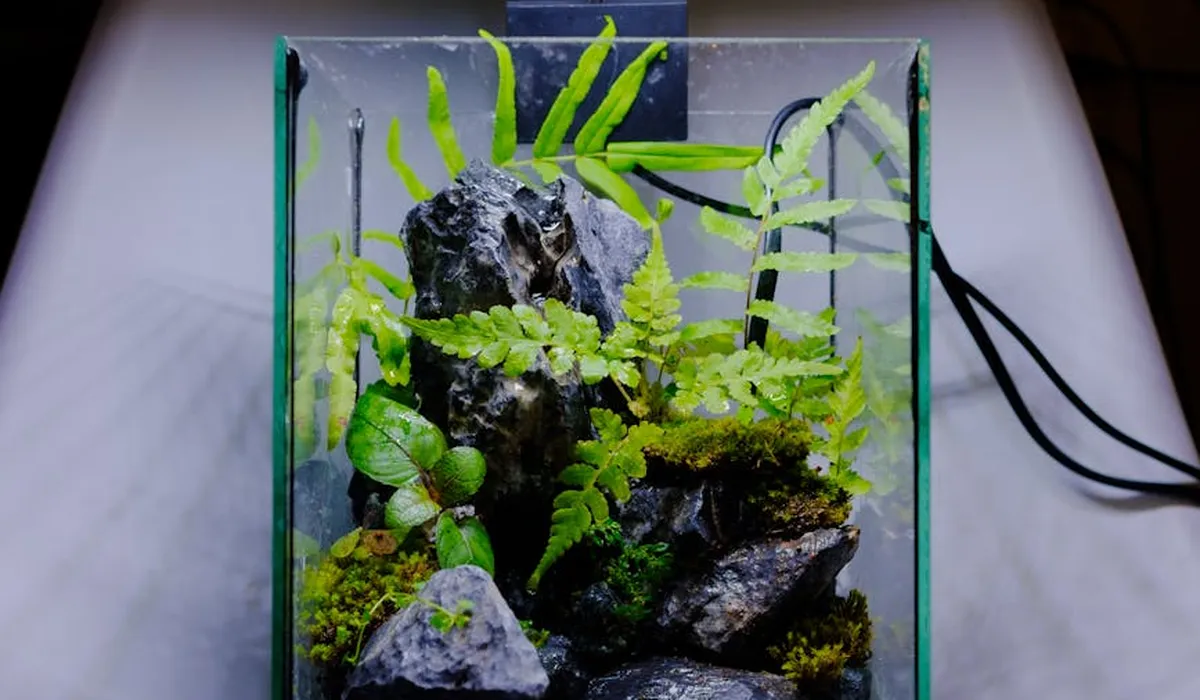
Stepping into the aquarium shop today, you’ll see LEDs dominating the shelves. They’ve earned their place by being incredibly stingy with electricity, often cutting your power bill by 60% compared to older lights. The technology inside these slim fixtures is a game-changer for control and longevity, especially when considering the electricity usage in home aquariums and fish tanks.
Let’s break down their key attributes:
- Energy efficiency: They produce more light per watt, so you get brilliance without the guilt.
- Lifespan: Expect 50,000 hours or more-that’s years of service before a dimming flicker.
- Low heat output: You can often touch the fixture without a burn, keeping tank temperatures stable.
- Fully dimmable and tunable spectrum: From your phone, you can dial in a dawn simulation or boost the blues for coral pop.
The pros make a compelling case for switching:
- Substantial long-term savings on energy and replacement bulbs.
- Programmable photoperiods that automate your day and night cycle.
- Actinic blue options that make corals and fish colors look electrifying.
- That captivating shimmer effect, like sunlight dancing on a pond.
But I have to give you the full picture. The main drawback is the initial sticker shock; a good LED system costs more upfront than a fluorescent hood. There’s another catch: all that power can fuel algae riots if you blast your tank with too much light for too long.
In my experience, LEDs are ideal for specific setups. They are the top choice for high-tech planted tanks where you’re injecting CO2 and demanding fast growth. For reef tanks packed with light-hungry SPS corals, modern LEDs deliver the PAR needed. Even for a standard community tank, a simple LED bar gives you clear, vibrant viewing.
Fluorescent Lighting (T5/T8): The Reliable Classic
Guiding Notes
Before LEDs, T5HO fluorescent tubes were the gold standard for planted and reef tanks. That gentle, even glow from a T5 fixture provides fantastic coverage without harsh shadows, which many plants love. The technology is straightforward: electricity excites gas inside the tube to produce light.
Here are the pros that keep them in the game:
- Even, shadow-free light spread perfect for growing carpets of plants.
- Excellent, proven spectrum bulbs for both freshwater and saltwater.
- A lower initial purchase cost than a comparable LED setup.
- Simple installation and operation with standard ballasts.
However, they come with baggage. Their energy use is higher over time, and you must remember to replace bulbs every 12 to 18 months as their output fades. They also produce more heat than LEDs, which might warm your water a few extra degrees.
I still use T5s over my low-tech planted tanks. They are perfectly suited for low-tech planted aquascapes where consistent, moderate light prevents algae. Freshwater frag tanks and some beginner reef setups also thrive under the reliable output of T5HO fluorescent lighting.
Metal Halide Lighting: The Sun Simulator
Guiding Notes
Metal Halide lights are the old-school heavy hitters. They create an intense, single-point light source that pierces deep into the water, casting dramatic shadows and a sparkling shimmer that’s unmatchable. It’s the closest thing to having a tiny sun over your aquarium.
The pros are all about raw power and effect:
- Unparalleled PAR penetration for tanks deeper than 24 inches.
- Historically legendary for promoting explosive coral growth.
- A natural, rippling shimmer effect that looks breathtaking.
- Proven performance in the most demanding applications.
But this power has major costs. The heat output is immense-you will almost certainly need a chiller to combat the temperature rise. They are the most energy-hungry option, and the bulbs require expensive replacement every 6 to 12 months.
You’ll mostly see these in specialized setups today. Metal halide is best reserved for traditional deep reef aquariums or large public display tanks where depth is a major factor. For the average home aquarist, the heat and cost are often deal-breakers.
Side-by-Side: A Quick-Reference Comparison Table
Guiding Notes
When you’re deciding, a direct comparison helps. This table cuts through the noise to show you how these lights differ at a glance. Use it to match the technology to your tank’s needs and your budget.
| Feature | LED | Fluorescent (T5HO) | Metal Halide |
|---|---|---|---|
| Initial Cost | High | Medium | Medium to High |
| Running Cost/Energy Use | Low | Medium | High |
| Heat Output | Low | Medium | Very High |
| Bulb Lifespan | 50,000+ hours | 12-18 months | 6-12 months |
| Intensity/PAR | High and adjustable | Good, even coverage | Very High, deep penetration |
| Spectrum Control | Fully tunable | Fixed per bulb, but good options | Fixed, often warm white |
| Best For (Tank Type) | High-tech planted, reef with SPS, community tanks | Low-tech planted, freshwater aquascapes, frag tanks | Deep reef tanks, large public displays |
Matching the Light to Your Aquatic World
For a Lush Planted Freshwater Tank
Getting the light right for plants is like feeding them a perfect diet—too little and they starve, too much and algae feasts instead. I group plants by their PAR needs, which is just a fancy way to measure how much usable light they get for photosynthesis. Low-light plants like Anubias or Java Fern are happy with PAR values under 30, while medium-light swords need 30-50 PAR, and high-light carpeting plants like Dwarf Baby Tears demand 50-100 PAR or more. In a planted tank, light, CO2, and nutrients work together. If you boost light, you usually need to increase CO2 and nutrients to keep plants healthy and algae in check.
For color temperature, I always lean toward 6500K LEDs-they mimic a sunny midday and make greens look vibrant without encouraging algae. Fluorescent T5 bulbs can handle low to medium needs, but metal halides are overkill unless your tank is deeper than 24 inches. On my 29-gallon planted tank, a single full-spectrum LED panel set 10 inches above the water grows everything from Amazon Swords to delicate mosses without shadows. In a successful planted aquarium, lighting is essential, but reliable filtration and proper nutrient management are equally important. With the right mix of lights, filters, and dosing, you’ll keep plants thriving and algae under control.
- Low-light setups: Use budget LEDs or T5 fluorescents with 6500K bulbs for 6-8 hours daily.
- Medium to high-light: Invest in programmable LEDs with adjustable intensity to dial in PAR precisely.
- Deep tank hack: Angle lights slightly or choose fixtures with reflectors to push light down to the substrate.
For a Vibrant Reef Tank with Corals
Reef lighting is a science, but it boils down to matching PAR to coral type. SPS corals are light-hungry and need PAR above 200, while LPS and soft corals thrive at 100-150 PAR. The actinic blue spectrum around 450nm is non-negotiable-it powers the zooxanthellae inside corals and makes their colors fluoresce like neon under moonlights.
Coverage matters just as much as intensity. For broad tanks, I use multiple LED units to avoid dark spots; for peninsula styles, hanging lights from above gives even spread. My reef runs on a hybrid LED-T5 setup that blends royal blue for growth with cool white for a natural shimmer, and the corals respond with explosive growth.
- SPS-dominated tanks: Choose high-output LEDs or metal halides with strong blue channels, and aim for 8-10 hours of light.
- LPS/soft coral tanks: Moderate LEDs with actinic supplementation work wonders-start with 7-9 hours to prevent bleaching.
- Peninsula tip: Suspend lights higher to cover the length, and use a PAR meter to check for consistency at all depths.
For a Fish-Only or Cichlid Display Tank
Here, lighting is about aesthetics-making those fish colors pop without turning the tank into an algae buffet. African cichlids, for instance, look stunning under 10,000K to 14,000K bulbs that cast a crisp, blue-white glow. You don’t need intense PAR for fish health, but a consistent photoperiod of 6-8 hours keeps algae in check better than dim lights ever could. For beginners, a quick guide to PAR spectrum explains what those numbers mean. It shows how usable wavelengths influence color rendering and tank balance.
I use simple LED strips with a color temperature around 12,000K for my cichlid tank; it highlights their orange and blue scales without promoting nuisance growth. If algae appears, shorten the light schedule before blaming the fixture-excessive duration is the usual culprit, not the light type.
- Color enhancement: Pick LEDs in the 10,000K+ range for African cichlids, or warmer 7,000K for South American species.
- Algae management: Set a timer for no more than 8 hours, and avoid placing the tank in direct sunlight.
- Budget option: Basic fluorescent tubes work fine for fish-only tanks, but LEDs last longer and save on electricity.
Beyond the Bulb: Setup, Schedule, and Savings
Finding the Perfect Photoperiod
Start with a baseline of 6 hours for planted tanks and 8 hours for reefs, then watch how your plants or corals respond over two weeks. I use an analog timer for simplicity, but programmable LEDs with sunrise/sunset ramping mimic natural cycles and reduce fish stress. Leaving lights on past 10 hours invites algae to take over, so err on the side of shorter periods and increase only if growth seems sluggish. Especially when dealing with sensitive fish and plants.
- Set your timer for a consistent daily schedule-say, 1 PM to 7 PM for planted tanks.
- If using LEDs with ramping, program a 30-minute gradual increase at dawn and decrease at dusk.
- Observe algae growth; if green film appears, cut the photoperiod by an hour and check water parameters.
Installation and Positioning for Optimal Coverage
Mounting height makes or breaks your light’s effectiveness. For LEDs, keep them 6 to 12 inches above the water surface to avoid splash damage and ensure even spread. In my deep 75-gallon, I angled two fixtures inward to eliminate shadows in the corners. A hanging kit or sturdy mounting arms give you flexibility to adjust as plants grow taller, preventing light burn on leaves near the surface.
- Shallow tanks (under 18 inches): Mount lights lower, around 6 inches up, for focused intensity.
- Deep tanks (over 24 inches): Choose lights with lenses or reflectors, and consider hanging them higher for better penetration.
- Safety check: Secure all cables and avoid placing fixtures where condensation can drip into electronics.
Calculating the Real Cost of Ownership
That cheap fluorescent fixture might seem like a steal, but factor in bulb replacements every 12 months and higher electricity bills. LEDs cost more upfront but use 50% less power and can last 5+ years. Over three years, a $200 LED often ends up cheaper than a $50 fluorescent due to savings on replacements and energy-the initial sting pays off in reliability.
Here’s a quick mental framework: add the purchase price to estimated yearly electricity costs and bulb changes. For example, a T5 setup might cost $80 upfront, $20 yearly for bulbs, and $15 in annual electricity, while an LED runs $150 upfront but only $5 in yearly electricity with no bulb swaps. Investing in quality LEDs upfront saves money and hassle, giving you more time to enjoy your tank’s shimmer.
Quick Answers
What is the best aquarium light for a deep planted tank?
For tanks deeper than 18 inches, you need a light with high PAR (Photosynthetically Active Radiation) to reach the substrate. Modern, high-output LED fixtures are the best choice as they offer intense, adjustable light that can penetrate deep water without excessive heat. Look for LEDs with focusing lenses or a strong, focused output to ensure your carpeting plants receive enough energy to thrive.
What are the best aquarium lights for a 29 or 30-gallon tank?
For a standard 29 or 30-gallon tank, a single full-spectrum LED light bar or panel is typically ideal. It provides efficient, even coverage for both plant growth and fish coloration without overheating the water. Choose a model with adjustable brightness or a 6500K spectrum for a planted setup, which offers great flexibility and control for this common tank size. Different aquarium plants have varying light requirements—from low to high. For a mixed plant setup, you may need to adjust intensity and photoperiod to accommodate the light-loving species.
What is the best light for an African cichlid aquarium?
The best light for an African cichlid display tank is one that enhances their vibrant blues and oranges without promoting algae. LEDs with a color temperature between 10,000K and 14,000K create a crisp, blue-white glow that makes these fish pop. Since plants are often minimal, high PAR is not a priority; focus instead on a consistent 6-8 hour photoperiod for aesthetics and algae management.
Are LED lights really the best overall choice for most aquariums?
For most hobbyists, modern LED lights are the best overall choice due to their energy efficiency, long lifespan, and incredible controllability. Their tunable spectrum and intensity allow you to cater to anything from a low-tech planted tank to a sophisticated reef. While the initial cost is higher, the long-term savings on energy and bulb replacements make them a superior investment for the vast majority of aquarium setups. In our complete set-up guide for aquarium lighting, we walk you through selecting the right LEDs, mounting height, and timers. We’ll also show how to dial in spectrum and photoperiods for your tank.
Illuminating Your Path Forward
Choose LED lighting for its unbeatable blend of energy efficiency, longevity, and customizable spectrum that makes both plants and fish pop with vitality. Different types of aquarium lights have different uses and benefits. Let your tank’s specific needs—like high light for a carpeting plant or gentle glow for a betta’s comfort—guide your final decision between fixture types.
Providing optimal light is a key act of responsible pet ownership, directly influencing the health and happiness of your aquatic community. Your education as an aquarist never truly ends; stay engaged with water testing, observe your pets’ behavior, and always be open to new techniques from trusted sources.
Further Reading & Sources
- The Best (And Worst) Planted Tank Aquarium Lights after testing 40+ Planted Tanks | Sunken Treasure Aquatics | Lush Aquariums… For Everyone!
- How to Pick the Best Light for Freshwater Planted Aquariums – Aquarium Co-Op
- How to Choose Aquarium Lighting: Comparison Chart – Simplicity Aquatics
- The best LED units for planted tanks in 2025 – The 2Hr Aquarist
- Guide to Aquarium Lighting: Beginner, Intermediate & Advanced – BRS Fresh
Lia is an expert in aquarium and pet fish care. Having worked in the marine industry and having cared for multiple pet fish, she has acquired first hand expertise on aquarium care, maintenance and setup. She always brings her practical expertise and science to help solve any aquarium related queries.
Lighting Options