
Your Post-Quarantine Fish Acclimation Guide: Stress-Free Transition to the Main Tank
Hello fellow fish keepers! You’ve successfully nursed your new fish through quarantine, but now the real test begins-moving them without shock or stress.
This guide breaks down the safe move into clear steps, covering:
- Setting up a slow drip acclimation system
- Precisely matching temperature and pH
- Monitoring fish behavior for stress signs
- Executing the final net-free transfer
My advice comes from years of hands-on experience running complex planted systems and breeding sensitive fish like bettas and corydoras.
Why Post-Quarantine Acclimation is a Gentle Must
Think of your fish coming out of quarantine like you recovering from a mild flu. You’re technically better, but you’re not ready to run a marathon. That quarantine tank is a sterile, stable hospital room. Your main display tank is a bustling, complex ecosystem with different water chemistry, resident fish, and currents that can overwhelm a recovering fish.
I learned this the hard way with my corydoras, Shadow. I once moved him too quickly and he spent days pressed against the filter, hiding from the flow and his new tank mates. Skipping this second acclimation risks shock, a compromised immune system, and can undo all the health progress made in quarantine.
This step isn’t about survival; it’s about letting your fish thrive from day one. It allows their bodies to gradually adjust to the new water’s mineral content (GH/KH), pH, and even temperature nuances. This gentle transition builds their resilience, letting them focus on exploring and settling in instead of fighting physiological stress.
Prepare the Main Tank Environment First
Before you even look at the quarantine tank, your main aquarium needs to be ready. This is about creating a welcoming reception, not just an empty space. Your goal is to ensure the main tank’s environment is as stable and non-threatening as possible for the new arrival. To minimize disease risk, quarantine new fish before introducing them to the main tank. Monitor for signs of illness during the quarantine period.
Do a partial water change of 15-20% a few hours prior. This freshens the water and removes any lingering pollutants. To perform the water change without shocking your fish, ensure the replacement water is conditioned and matches the tank’s temperature and pH, and add it slowly. Feed your existing fish lightly earlier in the day so they are less hyper and competitive when the newcomer arrives. Dim the tank lights for several hours to reduce stress for all fish during the introduction.
Matching Water Parameters for a Seamless Move
This is the most critical technical step. “Close enough” can cause osmotic shock, where a fish’s cells struggle to balance internal and external pressures. You need to test and compare the water in both tanks, focusing on three key areas.
- Temperature: This is the easiest to match. Float the sealed quarantine container in the main tank to equalize heat for 15-20 minutes.
- pH & Hardness (GH/KH): These are the silent stressors. Use your liquid test kit for both tanks. A difference greater than 0.2 in pH or 50 ppm in GH requires a slower drip acclimation.
- Total Dissolved Solids (TDS): If you have a meter, this is your best overall indicator. A difference over 50 ppm means go slow.
If parameters differ, you’ll use a drip line to slowly blend the waters. If they are nearly identical, the float-and-add method may suffice. Always prioritize matching the tank water over a fast move, even if it takes an extra hour. Your patience here is the direct key to seeing your fish swim confidently later. That careful process also ensures you properly acclimate the fish to the new water parameters. Take time to gradually match temperature, pH, and hardness before release.
Choose Your Post-Quarantine Acclimation Method
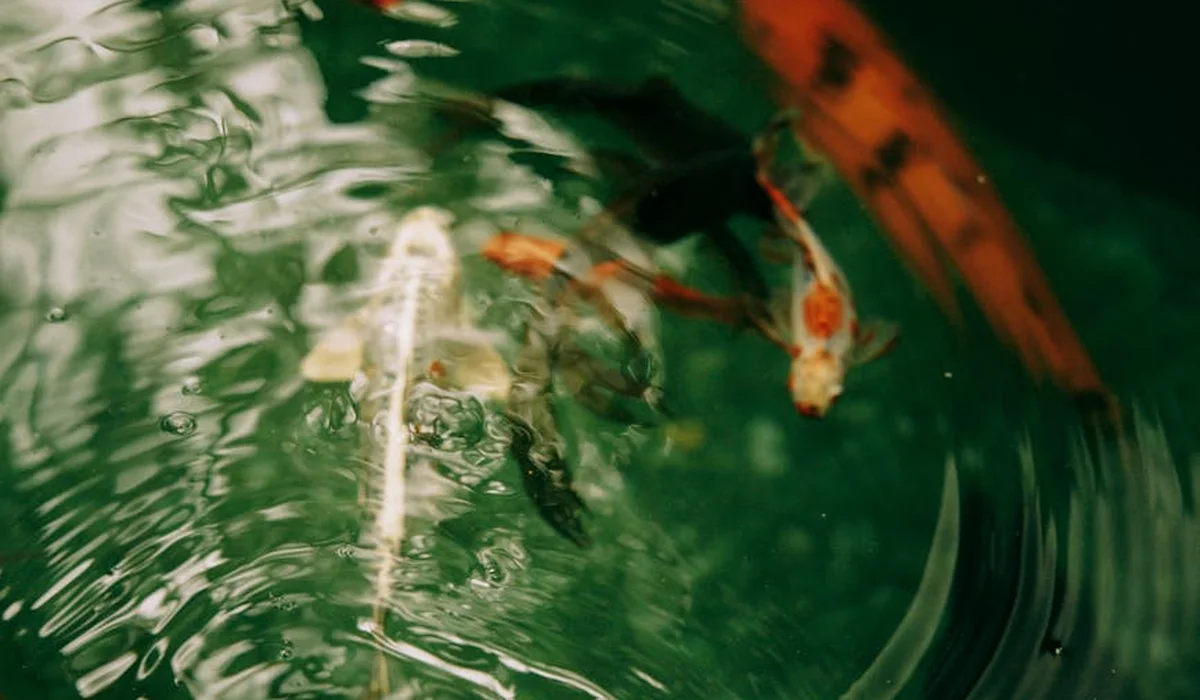
Now that quarantine is over, how you move your fish into their forever home makes a huge difference to their health. Rushing this final step can undo all your careful watching, so pick a method that matches your fish’s toughness. I always test the water in both tanks for pH, temperature, and hardness to see how big the gap is before I even start, especially when moving from a quarantine tank.
The Gentle Drip Method for Sensitive Species
This is my go-to for any fish that fusses over minor changes, like wild-caught species or delicate catfish. The slow, steady drip of tank water into their travel container is the kindest way to bridge the gap between water chemistries. You’ll need some airline tubing, a control valve, and a spare bucket or the quarantine tank itself. That same drip method helps when acclimating after a water change. Keep it running until the travel container’s water matches the tank’s chemistry and temperature.
- Place the fish, still in their quarantine water, into a clean bucket.
- Run a length of airline tubing from your main tank to the bucket, using the valve to start a siphon.
- Adjust the valve until you get a steady drip of about 2-4 drops per second.
- Let this continue until the water volume in the bucket has doubled, which usually takes an hour or more.
- Gently net the fish from the bucket and release them into the main tank, discarding the mixed water.
I used this for my Corydoras, Shadow, and watching his stress stripes fade as the water mingled confirmed it was worth the extra time. The hum of the filter and the shimmer of scales in clean water is your reward for this patience.
The Simplified Float-and-Release Method
For hardy fish where your tests show nearly identical water conditions, this faster method can work well. Float-and-release is straightforward, but never skip checking your parameters first, as assuming they match is a common mistake. Think of it for robust livebearers or some cichlids, but not for shrimp or scaleless fish.
- Turn off the main tank lights to reduce stress on both new and established fish.
- Float the sealed bag or container from quarantine in the main tank for 15 minutes to equalize temperature.
- Every 10 minutes, add a small cup of tank water into the floating container to slowly mix parameters.
- After about 30-40 minutes, gently net the fish from the container and let them swim free.
- Avoid pouring the quarantine water into your display tank to keep potential contaminants out.
This method worked for my Oranda, Goldie, but only because I keep my quarantine tank’s hardness and pH dialed in to match the display. That clarity of water in the main tank is a sign you’re ready for this simpler approach.
Special Considerations for Different Fish
Fish have unique needs based on their biology and personality. Treating every arrival the same is a fast track to problems, so tailor your final acclimation to who’s in the net. Listen to what your fish tell you through their behavior during this process.
For Delicate Scaleless Fish (like Corydoras)
Fish like Corydoras lack the protective scale layer, making them super vulnerable to sharp pH swings and irritating chemicals. I always use the drip method for my Corydoras, Shadow, and I make it extra slow, sometimes stretching it to two hours. Their delicate skin can easily develop infections from stress, so gentle handling is non-negotiable.
- Never use a net if you can avoid it; instead, guide them with a soft cup or your hand.
- Ensure your main tank substrate is smooth, as rough gravel can abrade their sensitive barbels.
- Dim the lights for the first few hours after release to let them find hiding spots in the plants.
That first cautious forage along the bottom, stirring up little puffs of sand, tells you they’ve settled in safely.
For Territorial Fish (like Bettas)
Introducing a fish like Captain Fin, my Crowntail Betta, is about managing space and ego. Even after quarantine, a betta sees a new tank as a kingdom to conquer, which can stress both the newcomer and existing fish. The goal is to make the entry feel less like an invasion.
- Rearrange a few decorations in the main tank before adding the betta to disrupt established territories.
- Use the drip method to minimize physical stress, which can reduce post-release aggression.
- Feed the other fish first to distract them, then release the betta in a quiet corner.
Watch for flared gills and dramatic displays; a little is normal, but persistent chasing means you might need a tank divider temporarily. Their feisty personality needs careful channeling during this transition.
For Sensitive Invertebrates (like Shrimp)
Shrimp and snails are often the most fragile creatures during water changes. Their exoskeletons can’t handle rapid osmotic shifts, making drip acclimation absolutely mandatory, not optional. I drip acclimate even the hardiest cherry shrimp for at least 90 minutes.
- Drip them directly into their final release container in a dim area, as light can shock them.
- Use a very slow drip rate-1-2 drops per second-to prevent any sudden chemical changes.
- After release, offer a blanched vegetable like zucchini to help them settle and reduce competition for food.
The sight of a shrimp calmly picking at biofilm, its tiny legs moving with purpose, is your signal that the slow drip did its job. Rushing this will almost always lead to losses.
The Transfer and First Hours in the New Tank
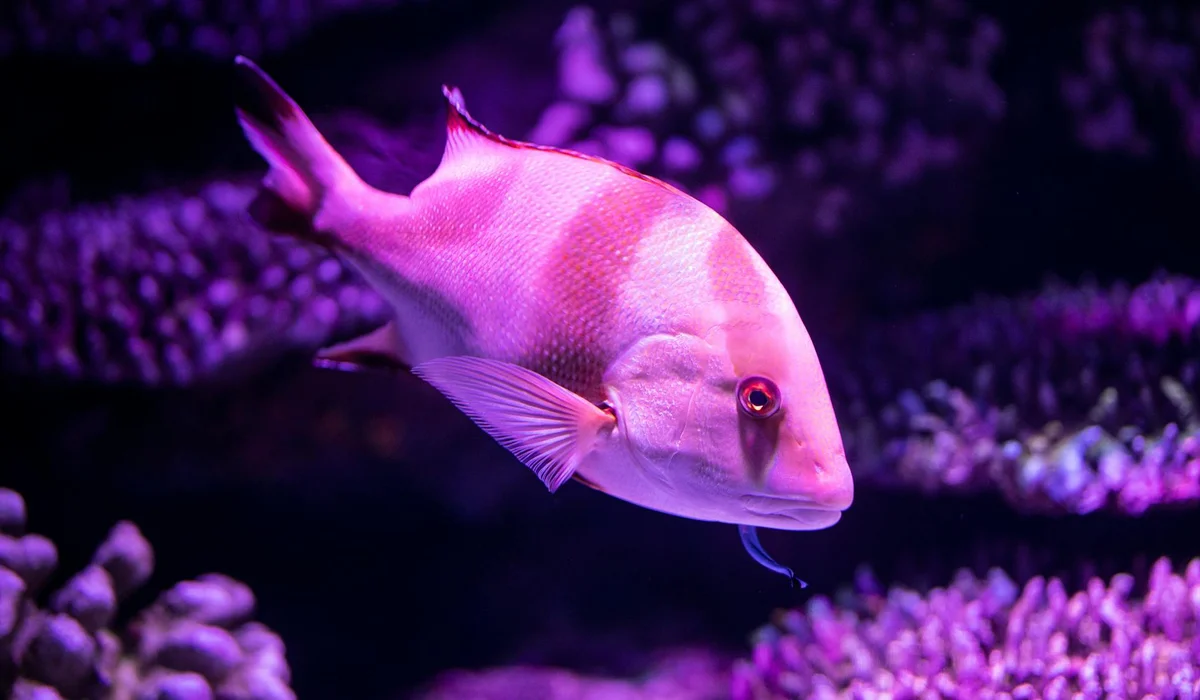
Now comes the moment you’ve patiently waited for-moving your fish from their quarantine space to the display aquarium. This transition must be gentle to avoid shock, as even small differences in water chemistry can stress your fish. I always dim the lights in the main tank for a few hours beforehand; it helps calm both the new arrivals and the existing residents.
Never just net a fish and plop it in. The most reliable method I use is to float the entire quarantine bag or container in the main tank for 15 minutes to equalize temperature. Then, over the next 30-45 minutes, I slowly add small cups of water from the display tank into their container. This drip-less method lets them adjust to the new pH and mineral content gradually.
- Turn off the main tank’s wave makers or powerful filters to create a calm flow.
- Gently net the fish from the quarantine container and lower the net into the main tank, allowing them to swim out.
- Avoid pouring the quarantine water into your established ecosystem to prevent any potential contaminants from entering.
Watch how they enter their new world. When I introduced Captain Fin, his iridescent blue and red fins flared cautiously as he darted behind a broad-leaf plant. Those first hours are about quiet observation, not feeding or fussing. The hum of the filter and the shimmer of scales in the dim light should be the only activity.
Your other fish will be curious. Goldie, my social Oranda, always swims over to inspect newcomers. Ensure your aquascape has plenty of hiding spots like caves, driftwood, or dense plant thickets where shy fish like Shadow can retreat. This structure prevents bullying and gives everyone a chance to establish territories peacefully.
Monitoring Fish Health in the Days That Follow
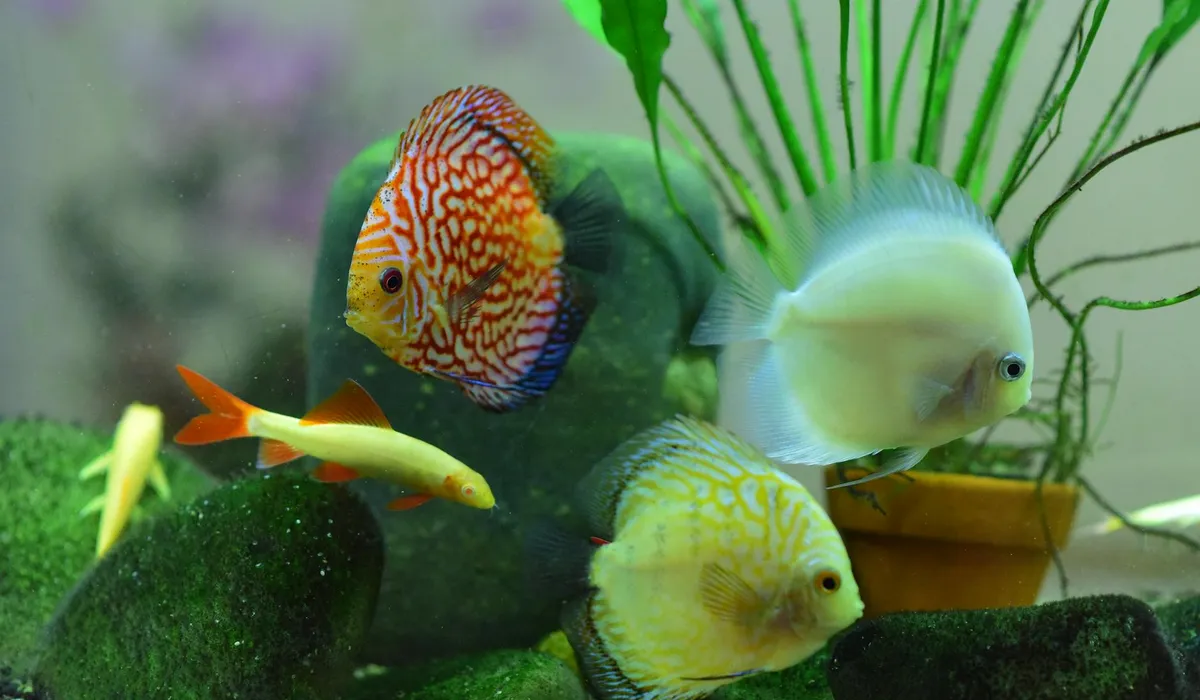
The real work begins after the transfer. Your primary goal for the next week is to spot subtle signs of stress or illness before they become major problems. I make it a habit to watch the tank for 10 minutes, twice a day, noting how each fish behaves and interacts.
Appetite is a brilliant health indicator. Offer a tiny pinch of food on the second day and see who comes eagerly to eat. A fish that ignores food, like a usually feisty betta or a foraging goldfish, might be feeling unwell. When Shadow refused his sinking wafers for two days, I knew to check my water parameters immediately.
- Daily Checks: Verify temperature stays within a tight range (e.g., 78-80°F for tropical communities) and look for clear, odorless water.
- Behavioral Red Flags: Clamped fins, rapid gill movement, scratching on decor, or unusual lethargy.
- Social Dynamics: Watch for persistent chasing or nipping that goes beyond initial curiosity.
Test your water chemistry every other day. A sudden spike in ammonia or nitrite, even in a cycled tank, can happen when new bioload is added. I keep a log for my tanks; noting a pH shift from 7.0 to 7.4 helped me solve why Goldie was listless last month.
Create a peaceful environment. Resist the urge to rearrange decorations or add new tank mates during this critical adjustment period. Stability lets your fish’s immune systems focus on adaptation, not constant environmental change. The clarity of the water and the steady rhythm of life in the tank are your best rewards for careful monitoring.
Troubleshooting Common Post-Transfer Problems
Even with a perfect acclimation, your new arrival might need a little extra help settling in. Observing your fish closely for the first 48 hours is your most powerful tool for catching small issues before they become big ones. Let’s walk through some common hiccups and how to gently correct course.
If a Fish Hides Excessively or Seems Stressed
Don’t panic if your new fish disappears into a cave or plant thicket for a day or two. This is a normal reaction to a huge environmental change. I’ve seen even my feisty betta, Captain Fin, lay low for a bit after a tank switch. Stress shows in rapid gill movement, clamped fins (held tight to the body), or lack of appetite. These are among the most common signs of stress in aquarium fish, so catching them early helps you troubleshoot. If you see them, check water quality, temperature, and hiding spots.
Your first actions should be environmental. Dim the tank lights for at least 24 hours to reduce perceived threats and encourage exploration in the softer glow. Ensure your water parameters are spot-on, as ammonia or nitrite spikes are a primary stressor. Test your aquarium water properly to confirm it’s safe.
- Double-check that your filter flow isn’t too strong; a gentle hum is good, a torrential current is not.
- Add more temporary hiding spots, like a clean terracotta pot or a cluster of PVC pipes, to boost their sense of security.
- Consider a mild, plant-safe stress coat product to replenish their protective slime layer, which can get worn down during netting and moving.
For a naturally shy fish like a Corydoras, consistent hiding is part of their charm. The goal is to see them venturing out at feeding time or during quieter periods.
If You Notice Signs of Disease After the Move
The stress of moving can sometimes weaken a fish’s immune system, allowing a latent illness to surface. Watch for fuzzy patches, rapid breathing, spots, sores, or erratic swimming. Your immediate response is critical.
The golden rule here is to never treat the main display tank with medication unless you are absolutely certain of the disease and that all inhabitants can tolerate the treatment. Many medications will harm your beneficial filter bacteria and delicate plants.
- If possible, gently move the affected fish back to the quarantine tank for targeted treatment. This is why keeping the QT running for a few extra days is a lifesaver.
- If moving them again is too risky, isolate them within the main tank using a clear breeder box or hang-on basket to prevent disease spread and allow for close observation.
- Research the specific symptoms. A white spot the size of a grain of salt is likely Ich, while a cotton-like tuft suggests a fungal issue-each requires a different medication.
- In the main tank, focus on pristine water quality. Perform small, daily water changes (10-15%) to dilute pathogens and support the health of all your fish.
If Aggression from Tank Mates Occurs
You introduced everyone slowly, but sometimes established fish get possessive. You might see chasing, nipping, or one fish monopolizing food. My Oranda, Goldie, can get pushy when she thinks the algae wafer is solely hers.
Rearranging the tank’s décor and rockwork right before the final introduction is a classic and effective trick to reset territorial boundaries. When everything looks “new,” no one fish has a claimed fortress.
- Break up lines of sight with tall plants or driftwood to create natural barriers and give the new fish escape routes.
- Ensure you are over-filtering the tank and that feeding zones are spread out. Competition for resources is a prime cause of squabbles.
- For persistent bullies, a temporary tank divider can give everyone a cooling-off period while still allowing water and scent exchange.
- Re-evaluate your stock. Some species are simply incompatible long-term, and rehoming may be the kindest solution for all.
Patience is your ally. Most community tanks find a new balance within a week as the social hierarchy re-establishes. Your calm observation and minor adjustments make all the difference.
## Common Questions
Why is a slow drip method often recommended over just floating the bag?
The drip method provides a much more gradual and precise adjustment of water chemistry than floating. Floating primarily equalizes temperature, but a slow drip meticulously blends the water, matching parameters like pH, GH, and TDS drop-by-drop. This is critical for preventing osmotic shock in sensitive species, ensuring their internal systems aren’t overwhelmed by a sudden change.
How long should I keep the main tank lights off after introducing the fish?
Keep the main tank lights dimmed or off for at least 4-6 hours post-introduction, and consider low light for the first full day. This reduces stress for the new arrival, who is already processing a massive environmental change, and helps calm existing tank mates. It encourages exploration during quieter, more natural periods and allows the fish to find hiding spots without feeling exposed. Once the acclimation period is over, you’ll also want to plan how long the aquarium lights should stay on for both fish and any live plants. A common approach is to run lights about 8-12 hours per day on a consistent schedule to support plant growth while limiting algae growth.
Is it better to use a net or a cup to transfer the fish for the final move?
For delicate, scaleless, or easily stressed fish like corydoras, a soft cup is strongly preferred to avoid removing their protective slime coat. For most other fish, a soft, fine-mesh net is perfectly suitable if used gently. The key is to avoid pouring the old quarantine water into your main tank, so transfer the fish alone, not the water they were acclimated in.
How soon after the transfer should I perform my first water quality check?
Test your main tank’s water parameters 24-48 hours after the new fish has been added. The introduction of a new bioload can temporarily disrupt the biological filter balance. Checking for ammonia or nitrite spikes at this stage allows for early intervention, such as a small water change, before water quality becomes a significant stressor for all inhabitants. It’s essential to test and monitor fish tank water quality regularly to maintain a healthy environment.
Setting the Stage for a Thriving Tank
Successfully moving your fish hinges on a patient, parameter-matched water exchange and a keen eye for their comfort in the new space. That moment you see them swimming calmly, investigating plants and tank mates, tells you the acclimation worked and their new chapter has begun.
True fish keeping is a continuous practice of observation and adaptation, where every challenge teaches you more about your aquatic ecosystem. Embrace the learning process, and you’ll build not just a tank, but a resilient, shimmering world for your finned friends.
Further Reading & Sources
- Quarantine Strategies & Protocols | Humble.Fish & Reef Community
- Acclimate fish when transferring them from my quarantine tank to my display tanks? | Freshwater Aquarium Quarantine Forum
- How long do most of you quarantine new fish? | The Planted Tank Forum
- Acclimation Guide – The Biota Group
- r/Aquariums on Reddit: How long do you typically quarantine new fish?
Lia is an expert in aquarium and pet fish care. Having worked in the marine industry and having cared for multiple pet fish, she has acquired first hand expertise on aquarium care, maintenance and setup. She always brings her practical expertise and science to help solve any aquarium related queries.
Water Quality