
Green Tank Water Got You Down? Let’s Diagnose and Clear It Up
Hello fellow fish keepers! That sudden green tint in your aquarium isn’t just unsightly-it’s a signal from your tank’s ecosystem. I know how frustrating it is when the shimmer of your fish’s scales gets lost in a murky haze.
This guide will cut through the confusion and give you a clear action plan. We’re going to cover the key reasons for green water and, more importantly, how to fix it for good.
Here’s exactly what we’ll tackle:
- Identifying the true cause: it’s not just “algae,” but a specific type of planktonic bloom.
- Immediate steps to clear the water, from UV sterilizers to strategic blackouts.
- Long-term fixes that address the root issues of light and nutrients.
With years of hands-on experience running complex planted systems and breeding everything from feisty bettas to shy corydoras, I’ve navigated this green water puzzle more times than I can count.
What Exactly is Green Water in Your Aquarium?
Defining the Green Cloud: Algae Bloom vs. Cyanobacteria
That murky pea soup in your tank is almost always a free-floating algae bloom. Think of millions of microscopic plants, called phytoplankton, having a non-stop party in your water column. This type of green water is technically a sign of a living, functioning ecosystem, but one that’s wildly out of balance. You can’t wipe it off the glass because the algae are suspended, drifting with every current.
It’s critical to distinguish this from cyanobacteria, often called blue-green algae, which is a slimy, sheet-like coating that smells musty. Cyanobacteria can be green, blue, or even reddish-purple and forms mats you can peel off. True green water algae blooms will make a glass of tank water look like green juice, while cyanobacteria coats surfaces like a gross blanket. We’re focusing on the suspended green type today, as the fixes differ.
How Green Water Affects Your Fish’s World
From your fish’s perspective, a green bloom is like living in a permanent, dense fog. For a visually-oriented fish like Captain Fin, my betta, it can be incredibly stressful as he can’t see his territory or locate his food easily, which amplifies his feisty nature. The reduced light penetration also causes live plants to struggle and potentially die, lowering oxygen levels.
It’s not just about sight. The algae cells consume oxygen at night, which can lead to dangerous dips for your fish. Bottom dwellers like Shadow, my corydoras, might cope slightly better visually, but he still suffers from the same potential oxygen swings and deteriorating water quality. While not directly toxic, chronic green water creates an unstable environment that weakens fish immune systems over time.
Uncovering the Root Causes: Why Algae Blooms Happen
The Light Factor: Too Much of a Good Thing
Light is algae’s breakfast, lunch, and dinner. The most common trigger is simply too much of it. I’ve seen tanks near sunny windows turn green in just a couple of days, as direct sunlight is far more potent than any aquarium light. But artificial light contributes too-leaving your tank light on for 12+ hours a day, using a light that’s too strong for your tank’s depth, or not having a consistent daily photoperiod.
Consider your tank’s purpose. A low-tech planted tank with easy species might only need 6-8 hours of light. If you’re wondering how long aquarium lights should stay on for fish and plants, the answer depends on the setup. A good starting point for many tanks is six to eight hours, with adjustments for plant growth and algae. Consistency is your secret weapon; use a simple timer to give your tank—and the algae—a reliable, limited day cycle. I run my planted tanks on a strict 7-hour schedule, and it made a world of difference.
Nutrient Imbalance: The Food Source for Green Water
Light provides the energy, but dissolved nutrients are the building blocks. The main culprits are phosphates (PO4) and nitrates (NO3), which are the final products of the nitrogen cycle. Overfeeding is the number one way these nutrients skyrocket; uneaten food and excess fish waste break down into algae fuel. My goldfish, Goldie, is a foraging machine, but I have to be strict with her portion size to avoid leftovers.
Nutrients can also sneak in through tap water or decomposing plant matter. You might be doing perfect water changes but accidentally topping off with phosphate-rich tap water, feeding the bloom with every top-up. Testing your phosphate level is a game-changer for diagnosing stubborn green water issues most hobbyists overlook.
Filtration and Flow: When Your Tank’s Cleaning Crew Lags
Good filtration isn’t just about mechanical cleaning; it’s about water movement and housing beneficial bacteria. If water flow is stagnant in areas of your tank, it creates dead zones where nutrients concentrate and algae spores can settle and multiply. Your filter should circulate the entire tank volume multiple times per hour. Without sufficient flow, filtration alone can’t reach all corners of the tank, affecting oxygenation and nutrient distribution. That’s why water flow is just as important as filtration in maintaining a healthy aquarium.
Furthermore, an underpowered or poorly maintained filter can’t process waste efficiently. The gentle hum of a properly sized filter isn’t just background noise; it’s the sound of a balanced ecosystem where waste is processed before algae can exploit it. Regularly rinsing filter media in old tank water (never tap!) preserves the bacteria while removing clogged debris that decays and leaches nutrients back into the water.
Emergency Response: How to Clear Green Water Fast and Safely
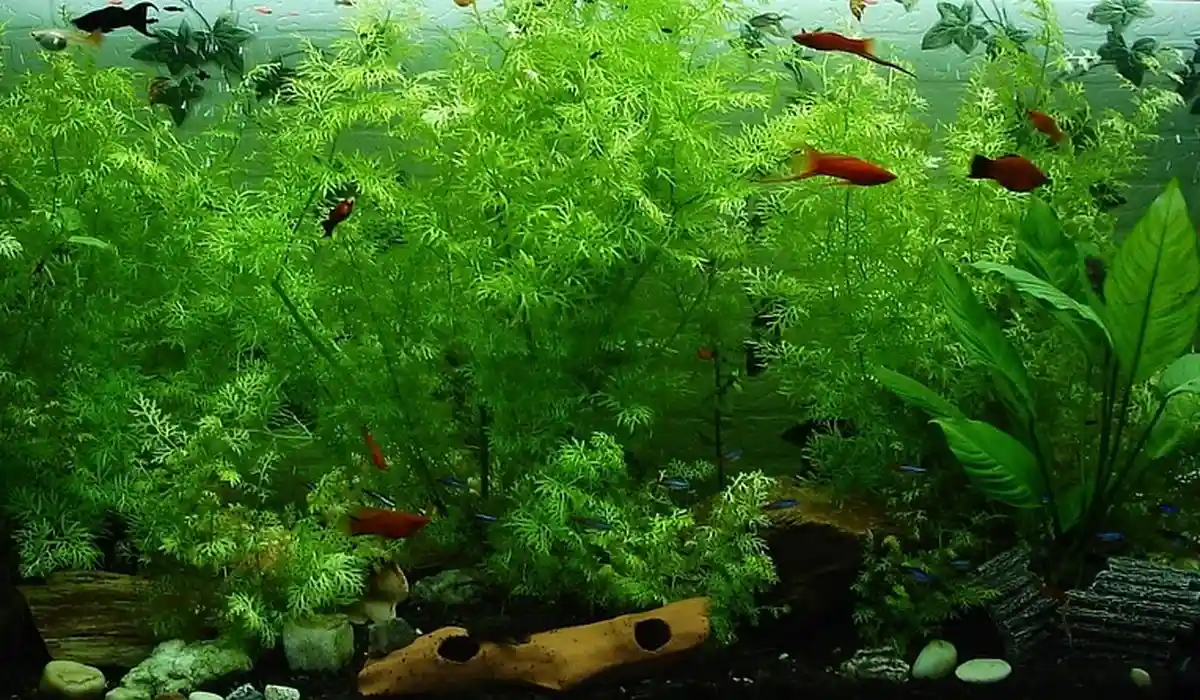
When your aquarium looks like pea soup, you need action that’s both swift and safe for your fish. This three-step emergency plan tackles the green bloom directly without crashing your tank’s delicate balance. I’ve used this exact method to clear up my own community tank when Shadow, my Corydoras, practically disappeared into the murk.
Step 1: The Strategic Water Change
Don’t just siphon water out randomly. Your goal is to physically remove as many floating algae cells as possible, which means vacuuming the water column itself. Using a fish tank siphon makes this a cleaner, more controlled water change. It helps you control the flow and minimize disturbance while removing the green water. Use a gravel vacuum but hover it mid-water, gently stirring the substrate to kick up debris while sucking out the green water. Perform a 50% change, but always match the new water’s temperature and treat it with conditioner. For sensitive fish like bettas, I do two 30% changes a day instead of one large one to avoid stress.
- Prepare fresh, treated water that is within 1-2 degrees of your tank temperature.
- Slowly run your gravel vacuum just above the substrate, swirling it to create a gentle vortex that pulls in cloudy water.
- Refill slowly over a folded plate or bag to avoid disturbing your aquascape and shocking your fish.
Step 2: Give Your Tank a Blackout Treatment
Algae can’t survive without light. A complete blackout for 3 to 5 days starves the bloom while your fish and hardy plants are perfectly fine. I learned this when Goldie’s goldfish tank turned green; covering it brought back the clarity of the water faster than anything else. If you’re curious about whether you should turn off your aquarium light at night, our complete guide covers this approach. It explains when a blackout is appropriate, how long to keep the lights off, and how to safely reintroduce light. Wrap the entire tank in black trash bags or a thick blanket, ensuring zero light penetration. Do not feed your fish during this time, as their metabolism slows.
- Turn off all tank lights and block any ambient room light.
- Resist the urge to peek, as even a brief flash of light can reset the process.
- After the blackout, perform another 20-30% water change to remove dead algae.
Step 3: Clean and Boost Your Filtration
Your filter is your best ally, but it might be clogged or underpowered. Mechanically cleaning your filter media and adding a fine-pad polish can trap the remaining tiny particles. Never rinse media in tap water; instead, swish it in a bucket of old tank water you just removed. Consider adding a filter floss pad or a dedicated micron pad for a week to catch the fine green silt. The hum of a powerful, clean filter is the sound of victory against green water.
- Disassemble the filter and clean sponges in removed tank water only.
- Insert a layer of fine filter floss or a polyester filling pad to capture micron-sized algae.
- Ensure flow is strong but not turbulent; adjust output so fish like Captain Fin aren’t struggling in a current.
Long-Term Solutions for a Crystal-Clear Aquarium
Emergency fixes are a bandage. True clarity comes from adjusting the core elements that allowed algae to thrive in the first place. It’s about creating an ecosystem where plants outcompete algae and nutrients are kept in check, giving you that peaceful, shimmering aquarium you love.
Mastering the Light Cycle
Light is the engine for algae growth. I run my planted tanks on a strict 6 to 8-hour photoperiod using a simple outlet timer, which made a dramatic difference. Avoid placing tanks in direct sunlight, as even an hour can fuel a bloom. For most freshwater setups, aim for a light intensity that is moderate; if you have low-light plants like Anubias, you don’t need a blazing powerhouse. Different aquarium plants require different amounts of light. High-light species will benefit from brighter, longer exposure, while low-light plants can thrive with more modest lighting. Consistency is key—the same on/off time every day.
- Use a programmable timer for absolute consistency.
- For standard community tanks, start with 7 hours of light and adjust based on plant growth.
- If upgrading lights, research PAR values for your tank depth to avoid over-lighting.
Winning the Nutrient War: Feeding and Water Testing
Excess nutrients like phosphates and nitrates are algae fertilizer. Overfeeding is the most common culprit, so feed only what your fish can consume in two minutes, once or twice a day. I watch Captain Fin during feeding; once he loses interest, I stop. Test your water weekly with a liquid test kit. You want nitrates below 20 ppm and phosphates under 0.5 ppm. If levels are high, more frequent water changes are your best tool.
- Invest in a reliable liquid test kit for nitrates and phosphates.
- Syringe or pinch feeders help control portions better than shaking from a container.
- Incorporate a fasting day once a week to let your fish’s digestive systems and your water column catch up.
Enlisting Natural Help: Live Plants and Algae Eaters
Create competition algae can’t win. Fast-growing stem plants like Hornwort or floating plants like Frogbit absorb excess nutrients directly from the water, starving algae out. In my tanks, a thicket of Java Fern near Shadow’s hiding spots keeps nitrates low. For cleanup crews, consider Amano shrimp or Nerite snails; they graze constantly on surfaces without reproducing in freshwater. Even Otocinclus catfish can help, but only add them to a mature, stable tank. You can also balance nutrients to prevent algae growth in planted tanks.
- Fast-growing plants: Water Wisteria, Elodea, and Amazon Frogbit.
- Algae eaters: Amano shrimp (excellent for film algae), Nerite snails (for glass and decor), and Siamese algae eaters (for tougher types).
- Always research compatibility; for example, a feisty betta like Captain Fin may see shrimp as snacks.
Using Specialized Equipment and Treatments
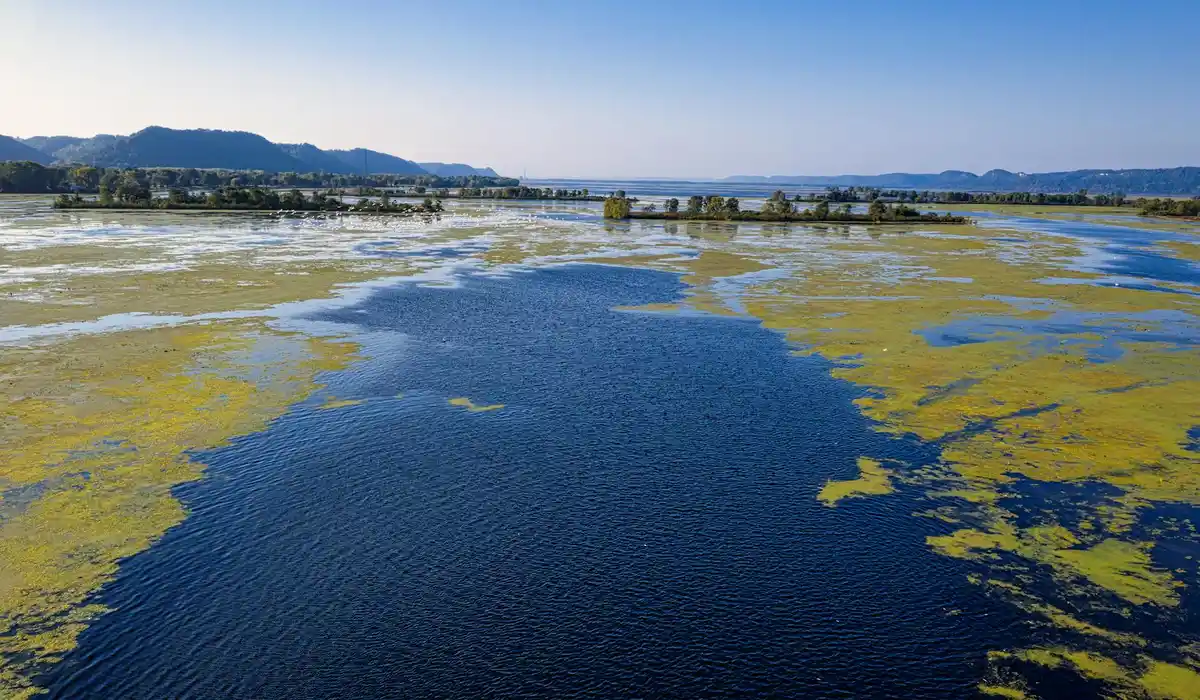
How a UV Sterilizer Works as a Green Water Fix
When your tank looks like pea soup, a UV sterilizer is your best ally for a swift, clear fix. This device pumps water past a bulb emitting ultraviolet-C light, which scrambles the DNA inside floating algae cells. That biological damage stops them from multiplying, so your filter can easily remove the dead algae, often clearing the water in just a few days. I plumbed an inline sterilizer into the canister filter on my 55-gallon planted tank, and the constant hum of water flow became a promise of clarity. In a planted aquarium, use it as part of a broader algae-control plan—balanced light, CO2, and nutrients help prevent blooms. Used properly, it targets free-floating algae without stressing your plants.
You’ll see the best results with units rated for your tank’s flow rate, typically for a full turnover every hour or two. Remember, it’s a treatment for free-floating algae, not a substitute for fixing the light or nutrient imbalance that caused the bloom. After running mine, the water regained that jewel-like transparency, making Captain Fin’s iridescent blue scales shimmer brilliantly again.
The Role of Chemical Clarifiers and Phosphate Removers
Chemical clarifiers, like liquid polymers, act as a quick bandage by clumping microscopic algae particles together. These larger clumps get trapped by your filter media, pulling the green from the water column. Use these as a temporary solution during a severe bloom, but always address the root cause immediately after. I keep a bottle on hand for emergencies, like when a sudden algae cloud obscured my view of Shadow’s favorite hiding spot.
Phosphate removers, often granules or pads you place in your filter, tackle a core nutrient that fuels green water algae. For long-term control, test your phosphate level with a reliable kit and aim to keep it below 0.5 ppm, especially in heavily stocked or overfed tanks. When my goldfish Goldie’s foraging led to overfeeding, phosphate removers helped me rebalance the water without stressful large water changes. This approach works for both freshwater and saltwater setups. In saltwater tanks, keeping phosphates low helps corals and other inhabitants thrive, while in freshwater tanks it reduces nuisance algae.
Daily and Weekly Habits to Maintain Pristine Water
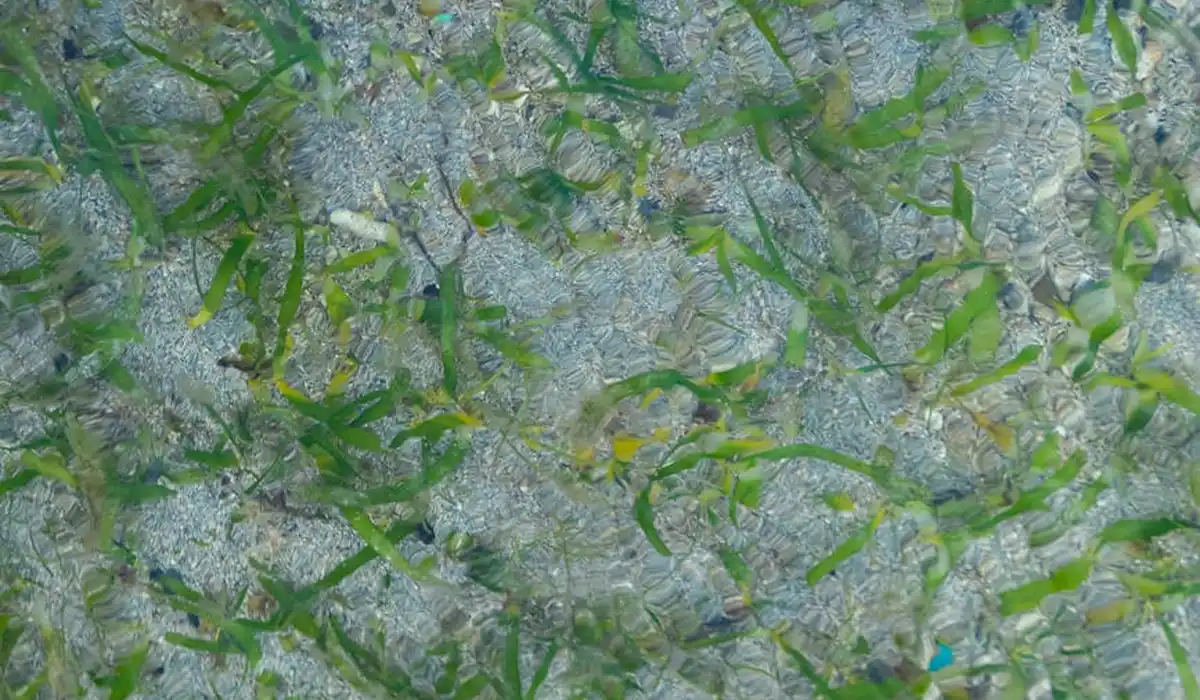
Your Maintenance Checklist
Consistency beats crisis every time. This routine is the backbone of a healthy tank and prevents green water from ever gaining a foothold.
- Weekly Water Changes: Siphon 15-25% of the water while vacuuming the substrate. This physically removes algae spores and excess nutrients before they cause trouble.
- Filter Care: Rinse media monthly in removed tank water. Never use tap water, as it kills the beneficial bacteria your ecosystem relies on.
- Feeding Discipline: Observe fish feeding behavior to avoid overfeeding. If food hits the bottom uneaten after two minutes, you’re feeding too much.
- Glass Cleaning: Wipe down algae on viewsides with an aquarium scraper. Keeping the glass clean maximizes light for your plants, not for algae.
Monitoring for Stability: The Key to Prevention
Green water is a symptom of instability, so regular checking is your best defense. I test key parameters like nitrates and phosphates weekly, logging the results to spot trends before they become problems. A sudden nitrate climb above 20 ppm often whispers that a green bloom is coming.
Watch your fish’s behavior daily; their activity is a live water quality report. If Goldie is lethargic or Captain Fin is clamping his fins, it’s a clear sign to check your water chemistry immediately. The goal is a balanced ecosystem where plants outcompete algae, leaving your water so clear you can count every speckle on a cautious Corydoras.
FAQs
Is green aquarium water harmful to my fish?
While not directly toxic, green water is stressful and harmful to your aquarium’s ecosystem. It reduces visibility for fish, blocks light from reaching live plants, and can cause dangerous drops in oxygen levels, especially at night. This creates an unstable environment that can weaken fish immune systems over time, similar to how cloudy water can harm fish.
Will a UV sterilizer fix my green water problem?
Yes, a UV sterilizer is one of the most effective tools for directly eliminating a free-floating green water algae bloom. In aquariums, UV sterilizers are a common part of algae control strategies, helping keep the water clear without added chemicals. It works by passing water past a UV-C light, which kills the microscopic algae cells so your filter can remove them. It is a powerful treatment but should be used alongside addressing the root causes of light and nutrient imbalance.
I see ‘blackout method’ advice on Reddit. Does it really work?
Yes, a complete blackout is a highly effective and safe emergency treatment. By covering the tank to block all light for 3-5 days, you starve the algae of its energy source. Your fish and most hardy plants will be fine during this short period, and it often clears severe blooms when combined with a water change afterward.
Are water clarifiers or algae treatments safe to use?
Chemical clarifiers can be used as a temporary fix to clump particles for filtration, but they are a bandage, not a cure. Always follow dosage instructions carefully and ensure proper filtration. It is crucial to solve the underlying nutrient and light issues, as chemicals do not address the cause and can sometimes impact sensitive livestock if misused.
Your Clear Water Victory Plan
Green water signals an imbalance, usually from too much light or nutrients like phosphates and nitrates. You can fix it by reducing your tank’s light to 6-8 hours daily, performing weekly 25% water changes, and adding fast-growing live plants like hornwort to outcompete the algae.
Great fish keeping means adapting to your tank’s needs and always seeking new knowledge. Embrace each challenge as a step toward becoming a more confident and capable aquarist for all your underwater friends.
Further Reading & Sources
- Why Your Fish Tank Turned Green Overnight (And How To Fix Green Aquarium Water Fast) | FishLab
- Green Water — Causes and Cures
- Causes and Cures for Green Aquarium Water
- API® Blog | Troubleshooting for Green & Cloudy Water
- algae – Green water in aquarium – Pets Stack Exchange
Lia is an expert in aquarium and pet fish care. Having worked in the marine industry and having cared for multiple pet fish, she has acquired first hand expertise on aquarium care, maintenance and setup. She always brings her practical expertise and science to help solve any aquarium related queries.
Algae Control