
Aquarium Filter Giving You Grief? Fix Common Problems with This Guide
Hello fellow fish keepers! That annoying hum, sputtering flow, or cloudy water has you stressing about your tank’s health, hasn’t it? I get it-a faulty filter can quickly turn your serene aquatic world into a headache.
This guide will walk you through straightforward solutions for the most frequent filter failures. We’ll cover key aspects like:
- Diagnosing and quieting those mysterious rattles and whines
- Boosting weak water circulation that’s leaving debris behind
- Patching up pesky leaks with simple, reliable methods
- Safely clearing clogs without crashing your tank’s cycle
- Choosing and maintaining filter media for crystal-clear results
With multiple years of experience running high-tech planted tanks and breeding fish, I’ve solved these exact problems in my own aquariums.
Spot the Symptoms: Identifying Your Filter’s Problem
My Filter Won’t Start After a Power Outage
You flip the switch back on and hear… nothing but silence. The water is still, and panic starts to set in. This is almost always an issue with the pump losing its prime, meaning air is trapped inside and it can’t pull water to start the cycle. It’s like trying to drink through a straw with a hole in it. Before you assume the motor is fried, check if the unit feels unusually hot; a burnt-out pump will often be warm to the touch and show no signs of life at all.
There’s a Sudden Drop in Water Flow
The gentle current your fish rely on has dwindled to a weak trickle. This symptom is your filter’s primary cry for help. A sudden drop in flow is a clog alert, telling you that debris is choking the water’s pathway, most commonly in the intake tube, sponge, or the impeller housing. If your Goldie is no longer playing in the output current, it’s time for some detective work. The clog could be as simple as plant matter or as sneaky as a hard water scale buildup.
Unusual Noises: Humming, Grinding, or Gurgling
A healthy filter has a steady, soft hum. New, alarming sounds are direct messages from the mechanics. A loud hum often means the impeller shaft is misaligned or the magnet is vibrating. A grinding noise is serious; it usually indicates a cracked impeller or gravel stuck in the chamber. Intermittent gurgling or sucking sounds typically point to an air leak in the intake line or a water level that’s just a bit too low. Listen closely-your filter is telling you exactly where it hurts.
Visible Leaks or Excessive Air Bubbles in Output
Seeing water where it shouldn’t be, or a torrent of microbubbles filling your tank, are clear visual red flags. A leak at the seam of the filter body or at a hose connection signals a failed O-ring or seal, often dried out or cracked from age. A constant stream of fine air bubbles from the output, on the other hand, isn’t always a leak; sometimes it’s cavitation, where the impeller pulls in air from a slightly cracked intake tube or a loose fitting. Both issues will stress your shy bottom-dwellers like Shadow by altering the water’s gas balance.
The Step-by-Step Fix: Solving Specific Filter Failures
How to Restore Power and Prime a Stalled Pump
First, don’t repeatedly plug and unplug it-this can overheat the motor. Unplug the filter completely. Fill the filter box or canister with tank water using a cup or jug. Reconnect all parts securely. Now, plug it back in; the manual fill often gives the pump the head start it needs to re-prime itself and push out the trapped air. For hang-on-back filters, you can also pour water directly into the intake while it’s running to help it catch. If it still fails, proceed to impeller checks.
Clearing Clogs: From Intake to Impeller
Follow the water’s path to find the blockage. Unplug the filter first, always.
- Intake Tube & Sponge: Remove and rinse them in a bucket of old tank water you’ve removed during a water change. Never use tap water, as chlorine will kill beneficial bacteria.
- Media Baskets: Gently swish filter media in the same bucket of tank water to dislodge sludge.
- The Impeller Chamber: This is the most common culprit. Remove the impeller cover, pull out the impeller (it’s magnetic), and wipe away any hair, sand, or biofilm from the shaft and the magnet. Use a cotton swab to clean the impeller well.
A thorough monthly cleaning of this entire pathway will keep water flowing freely and your Captain Fin’s environment pristine.
Silencing a Noisy Impeller in Five Minutes
That annoying hum or grind is usually a five-minute fix. Unplug the filter and remove the impeller assembly. Inspect the plastic impeller for hairline cracks. Check the ceramic or metal shaft for nicks. The real secret is lubrication: after cleaning both parts, apply a tiny dab of pure silicone grease (sold for aquarium use) to the impeller shaft. This cushions the spin and reduces friction noise dramatically. Reassemble, ensuring the impeller sits flush and spins freely with a light touch. The quiet that returns is deeply satisfying.
Stopping a Leak: Checking Seals and Hose Connections
For leaks, identify the exact source. Dry the outside of the filter completely with a towel, then run it and watch for the first bead of water.
- For Hose Connections: Tighten the plastic clamps or hose collars. If the leak persists, replace the worn vinyl tubing.
- For Body Seals/O-Rings: Carefully disassemble the unit to access the large rubber O-ring. Remove it, clean its groove of any debris, and lubricate the entire O-ring with silicone grease before reseating it. This lubrication swells the rubber slightly and creates a perfect, watertight seal again-it’s the most overlooked maintenance step in the hobby. If the seal is cracked or brittle, you must replace it with an exact model-specific part.
Media Management: When to Clean, When to Change
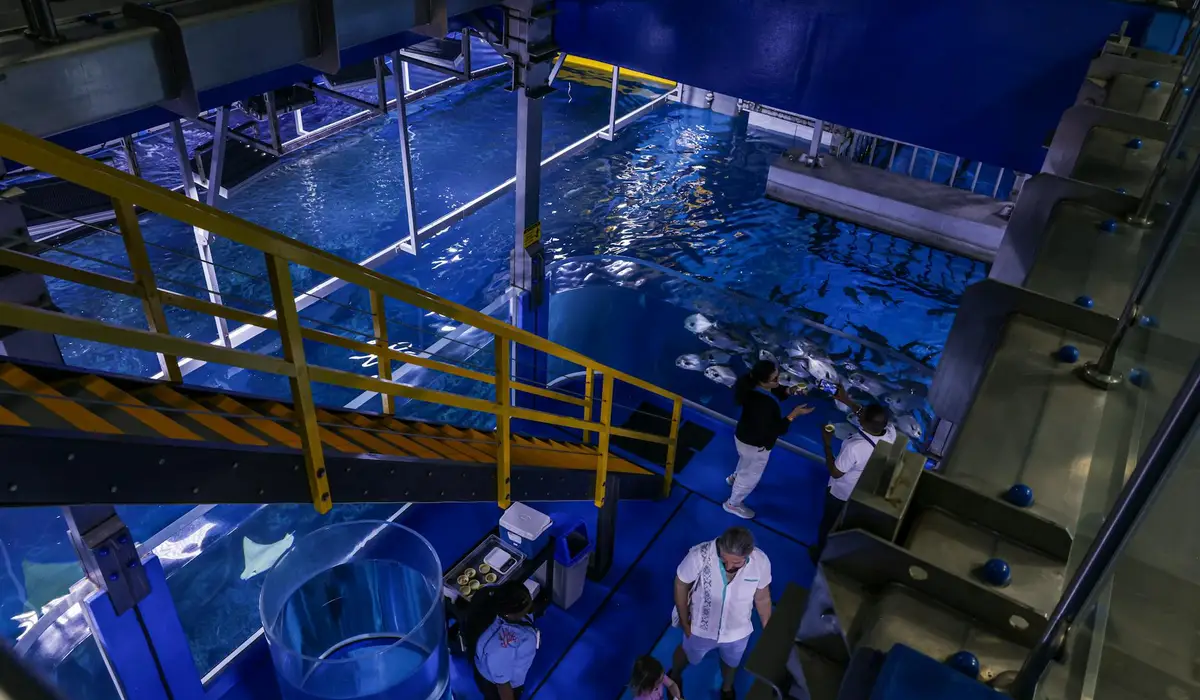
The gentle hum of your filter is the heartbeat of your tank’s ecosystem, and the media inside are its vital organs. Managing them poorly is like performing open-heart surgery with no plan. Your goal isn’t sterile cleanliness, but a balanced, thriving bacterial colony that keeps your water crystal clear and your fish safe.
The Right Way to Clean Filter Sponges and Media
I see this mistake all the time: someone takes their filthy filter sponge to the kitchen sink. That chlorinated tap water is a massacre for your beneficial bacteria. Here’s my tried-and-true method.
- Prepare a Bucket of Tank Water: During your regular water change, siphon some old tank water into a clean bucket. This is your cleaning liquid.
- Squeeze and Swish: Take the sponge or mechanical media and vigorously squeeze and swish it in the bucket of old tank water. You’ll see the mulm and debris cloud the water.
- Stop When it Runs Mostly Clear: You don’t need it to look brand new. Just get the major gunk out so water can flow freely again. Reinstall it immediately.
Cleaning frequency depends entirely on your tank’s bioload; my goldfish tank sponges need a rinse every two weeks, while my betta’s filter can go a month. Clean different filter types—sponges, canisters, and HOBs—have different maintenance needs. Rinsing the media in old tank water helps preserve beneficial bacteria while keeping them clean.
Is Your Bio Media Old? Signs It Needs Attention
Bio-media like ceramic rings or lava rock are designed to last for years. They don’t get “old” in the traditional sense, but they can become problematic. Watch for these signs:
- Severe Clogging: If the pores are so clogged with detritus that water bypasses them entirely, your bacteria are starved of oxygen and nutrients.
- Falling Apart: Some cheaper media literally crumble into dust, clogging the impeller and making a mess.
- Persistent Dirty Water: If your water stays cloudy even after cleaning mechanical media, the bio-media may be a debris trap.
The fix is rarely total replacement. If you must clean bio-media, gently rinse it in that same bucket of discarded tank water-never under the tap-to dislodge major blockages.
The Big Filter Cartridge Myth: Why You Shouldn’t Replace It All
This is the hill I will die on as an aquarist. Those packages that say “replace filter cartridge monthly” are the worst advice in the hobby. That little cartridge holds your tank’s entire bacterial ecosystem. Throwing it away resets your nitrogen cycle to zero.
Instead, I use a permanent solution. I cut the floss part off a new cartridge and stuff the empty bag with a piece of sponge and some ceramic rings. Now I have mechanical and biological media in one pouch. When it gets dirty, I just rinse the sponge in tank water and put it back; the ceramic rings stay put forever, housing my precious bacteria. This steady maintenance also helps prevent biofilm from coming back in your aquarium. By keeping the media in place and rinsing only in tank water, you minimize disruption to beneficial bacteria and help keep the biofilm balanced. This saves money and, more importantly, keeps your fish stable and stress-free.
Emergency Protocol: Handling a Total Filter Failure
The silence is the first thing you notice—the steady hum has stopped. A total filter failure is a heart attack for your aquarium. Don’t panic. Immediate, calm action can save your fish. If the filter is failing, you may notice reduced water flow, murky water, or unusual noises. These signs tell you it’s time to inspect and potentially replace or clean the filter to keep your tank healthy.
Your Immediate 3-Point Safety Plan
When the filter stops, start this sequence right away:
- Unplug and Diagnose: Unplug the filter from the outlet. Check the power source and cord. Then, take the filter apart. Is the impeller jammed with a pebble or plant matter? Often, a simple clean and reassembly gets it going.
- Aerate the Water: Your filter provides oxygen as it agitates the surface. Without it, oxygen levels plummet fast. Plug in an air stone and air pump immediately. If you don’t have one, manually create surface agitation by pouring tank water from a height back into the tank every few hours.
- Begin Contingency Filtration: If the filter is truly dead, move your existing filter media (the dirty sponge, the ceramic rings) directly into the tank, near the water flow from the air stone or a water pump. This keeps the bacteria alive and working while you fix or replace the main unit.
Monitoring for Ammonia and Nitrite Spikes
Your biological filter is now compromised or offline. Toxic ammonia will begin building up from fish waste within hours. This is your new primary focus. Common causes of high ammonia in fish tanks include a failing biofilter, overfeeding, or cycle crashes. Fix it by restoring the filter, testing ammonia levels, and performing partial water changes.
Test your water for ammonia and nitrite daily, or even twice a day in a heavily stocked tank. At the first sign of a detectable reading (anything above 0 ppm), initiate a partial water change of 25-30%, using a water conditioner that neutralizes ammonia and nitrite.
Continue this cycle of testing and changing water every day until your main filter is fully operational again and can process waste. Be mindful of signs your aquarium needs a water change, such as cloudy water, a foul odor, or rising ammonia and nitrate levels. Recognizing these cues helps you decide when to perform water changes more effectively. The shimmer of your fish’s scales depends on your vigilance during this critical period.
Preventive Care: A Schedule for Smooth Filter Operation

Think of your filter as the heart of your aquarium, constantly working behind the scenes to keep the environment healthy. A consistent, simple care routine is your best defense against sudden breakdowns and cloudy water emergencies. I base my schedule on years of trial and error, keeping tanks for fish like the feisty Captain Fin and the messy Goldie running crystal clear.
The Weekly and Monthly Checklist
Sticking to a basic timetable stops small issues from becoming big headaches. I set calendar reminders for these tasks because life gets busy, and it’s easy to forget. Here is the rhythm that works for my systems.
Every Week, Do a Quick Filter Health Check:
- Listen to the filter’s hum. Any new grinding or rattling means the impeller needs attention.
- Check the water output flow. A noticeable decrease signals a clog in the intake or media.
- Gently swish the sponge or filter pad in a bucket of old tank water you removed during a water change. This preserves vital bacteria while removing gunk.
- Wipe down the outside of the filter and power cord to prevent dust buildup and electrical issues.
Once a Month, Go a Bit Deeper:
- Unplug the filter and disassemble it to clean the impeller chamber and shaft with a soft toothbrush. This is often the source of strange noises.
- Inspect all tubing and intake strainers for biofilm or debris blockages. My corydoras Shadow kicks up a lot of substrate, so his tank’s intake needs frequent checks.
- Replace chemical media like carbon or phosphate pads if you use them, but never change all your mechanical and biological media at once.
- Ensure all seals and o-rings are intact and lubricated with a tiny bit of silicone grease to prevent leaks.
Smart Habits to Avoid Common Problems
Your daily actions have a huge impact on filter longevity. Cultivating these smart habits saves you money on replacements and protects your fish from stress. They become second nature after a while.
- Never clean your filter media under tap water. The chlorine will kill the beneficial bacteria. Always use water from your tank or dechlorinated water.
- Avoid overfeeding. Excess food rots and clogs filters faster. I watch Goldie during feeding to ensure she eats all her portion within two minutes.
- Use a pre-filter sponge on the intake tube. This simple foam sleeve catches large debris and protects fry or delicate fish like bettas from getting sucked in.
- Do not turn off your filter for more than an hour. The bacteria inside need constant oxygen flow, and stagnation can cause them to die off rapidly.
- Always have a backup air pump or spare filter on hand. Equipment can fail, and having a plan B keeps your cycle stable during emergencies.
I learned the habit of using a pre-filter sponge after Captain Fin’s long fins kept getting tugged toward the intake. It was an easy fix that brought immediate peace of mind.
Matching Filter Flow Rate to Your Tank’s Needs
Getting the flow rate wrong can lead to poor filtration or stressed fish. Flow rate is measured in gallons per hour (GPH), and the ideal number depends on your tank’s volume and its inhabitants. A one-size-fits-all approach does not work here.
A general target is a filter that turns over the entire tank volume 4 to 6 times per hour. For a 20-gallon tank, look for a filter rated between 80 and 120 GPH. But you must also consider the current preferences of your fish. My betta Captain Fin thrives in calm water, so I use a filter with adjustable flow or add a baffle to soften the output.
Here is a quick guide to matching flow:
| Tank Size & Type | Recommended Filter Flow Rate (GPH) | Notes & Fish Examples |
|---|---|---|
| 5-10 Gallon (Betta or Shrimp) | 20-50 GPH | Low flow is critical. Use spray bars or foam to diffuse current for fish like Captain Fin. |
| 20-30 Gallon (Community Tank) | 80-150 GPH | Good for mixed fish. Ensure plants are not uprooted. Suitable for a group of corydoras like Shadow. |
| 40+ Gallon (Goldfish or Cichlids) | 160-240+ GPH | High waste producers like Goldie need robust turnover. Canister filters often work best here. |
If your filter is too powerful, you can easily reduce the flow by attaching a sponge to the output or using a DIY baffle made from a plastic bottle. Listening to your tank-watching how fish swim and plants sway-tells you more than any product rating ever could.
FAQs
How can I tell if my aquarium filter media is clogged?
You’ll notice a significant reduction in water flow from the filter output, and the media may look dirty or feel heavy and dense. If the filter makes gurgling or straining noises, it’s a clear sign of blockage. Regularly check by gently rinsing the media in old tank water; if water doesn’t pass through easily, it’s time for a clean.
What causes air bubbles in the aquarium filter?
Air bubbles often stem from air being drawn into the intake due to a loose hose connection, a crack in the tubing, or a low water level in the tank. They can also result from cavitation, where the impeller pulls in air instead of water, typically from minor leaks or improper priming. Although some bubbles are harmless, persistent bubbles in the tank may indicate underlying issues.
How often should I clean a canister filter?
For most setups, clean a canister filter every 4 to 6 weeks, but adjust based on your tank’s bioload and visible debris. Monitor the flow rate; if it slows down, it’s time for maintenance. Always clean mechanical media in old tank water to preserve beneficial bacteria and avoid disrupting the nitrogen cycle. This guidance is part of our complete guide on how often to clean your aquarium filter. It covers setup-specific intervals and the signs that indicate a cleaning is needed.
How to unclog a sponge filter?
First, unplug and remove the sponge from the filter. Rinse it vigorously in a bucket of water removed during a tank change to dislodge debris without harming bacteria. Squeeze the sponge repeatedly until the water runs mostly clear, then reassemble and restart the filter to restore proper flow.
Your Clear Path to a Healthy Tank
Staying ahead of filter issues boils down to consistent, simple checks and cleanings rather than complicated fixes. Listening to the hum of your filter and watching for crystal-clear water are your best daily tools for catching problems before they affect your fish. A small investment in routine care saves you from big headaches and protects your aquatic ecosystem.
Remember, a well-maintained filter is a cornerstone of responsible fish keeping, reflecting your commitment to a thriving habitat. Embrace the learning process, connect with other aquarists, and let each challenge deepen your understanding of this fascinating hobby. Your dedication directly shapes the health and happiness of the finned friends in your care. Improving water quality is essential for healthy fish. Regular testing helps you catch issues early.
Further Reading & Sources
- Troubleshooting Common Aquarium Filter Issues – Oase Indoor Aquariums
- Fish Tank Filter Not Working? Here’s Why… – AquariumStoreDepot
- Aquarium Filter Not Working: Common Reasons and How to Fix Them
- Why is my fish tank filter not pumping water? How do I fix it? – Quora
- r/Aquariums on Reddit: My filter will not suck up water.
Lia is an expert in aquarium and pet fish care. Having worked in the marine industry and having cared for multiple pet fish, she has acquired first hand expertise on aquarium care, maintenance and setup. She always brings her practical expertise and science to help solve any aquarium related queries.
Filtration Systems