
Coldwater vs. Tropical Aquariums: Your Clear-Cut Guide to a Thriving Tank
Hello fellow fish keepers! That moment of choosing between a cool, serene coldwater tank or a vibrant, warm tropical one is a common crossroads. Getting this decision right from the start saves you time, money, and ensures your fish live their best lives.
This guide breaks down the real-world details so you can choose with confidence. I’ll cover:
- Core temperature and water chemistry needs that dictate your entire setup.
- Fish species compatibility and behavior for each environment.
- Essential equipment costs and necessities, like heaters and filters.
- Step-by-step setup tips tailored to each aquarium type.
- Long-term maintenance routines to sustain a crystal-clear, healthy ecosystem.
My advice comes from hands-on experience running high-tech planted tanks and breeding fish for years, so you’re learning from real trial and error.
The Core Divide: Water Temperature and Climate Control
Think of water temperature as the thermostat for your fish’s entire world. A stable temperature isn’t just a preference; it’s the foundation of their metabolism, immune system, and overall well-being. Let’s get specific: true coldwater aquariums thrive between 60-72°F (15-22°C), while tropical setups require a consistently warmer range of 75-80°F (24-27°C). So which is right for your tank—cold water or tropical fish? The answer depends on the species you plan to keep and your ability to maintain a stable temperature.
That steady hum from a heater is the sound of security in a tropical tank. For tropical systems, a quality submersible heater with an adjustable thermostat is an absolute must-have piece of equipment. In my own tanks, I never skip a heater check during weekly maintenance.
Coldwater setups are often simpler to start but can have hidden challenges. While many coldwater fish tolerate room temperature, a sudden summer heatwave can be deadly, making an aquarium chiller a wise investment for some homes. The goal is to avoid daily swings more than a degree or two.
Here’s a quick look at the climate control needs for each type:
- Coldwater Aquarium: Target 60-72°F. Primary equipment is often a powerful filter and possibly a chiller. Relies heavily on stable room temperature.
- Tropical Aquarium: Target 75-80°F. Primary equipment is a reliable heater and filter. Temperature is actively managed and controlled.
Meet the Residents: Fish Species and Community Vibes
Popular Coldwater Personalities
Coldwater fish are charming, but they are not low-maintenance. Species like the Common Goldfish or fancy Orandas are waste machines, requiring much larger tanks and more filtration than most beginners expect. My friend Goldie, an Oranda, lives in a 30-gallon tank just for herself due to her hefty bioload, which is a factor to consider when you choose fish for a community tank.
Thankfully, not all coldwater fish are so demanding. White Cloud Mountain Minnows are sparkling, peaceful schooling fish that can thrive in a cooler 20-gallon long tank with good flow. They are a fantastic choice for a first coldwater community.
Always research adult size and social needs. Fish like the Weather Loach or certain Barbs are active and social, needing both space and friends to show their best behavior. A cramped tank leads to stress and poor health.
Vibrant Tropical Community Options
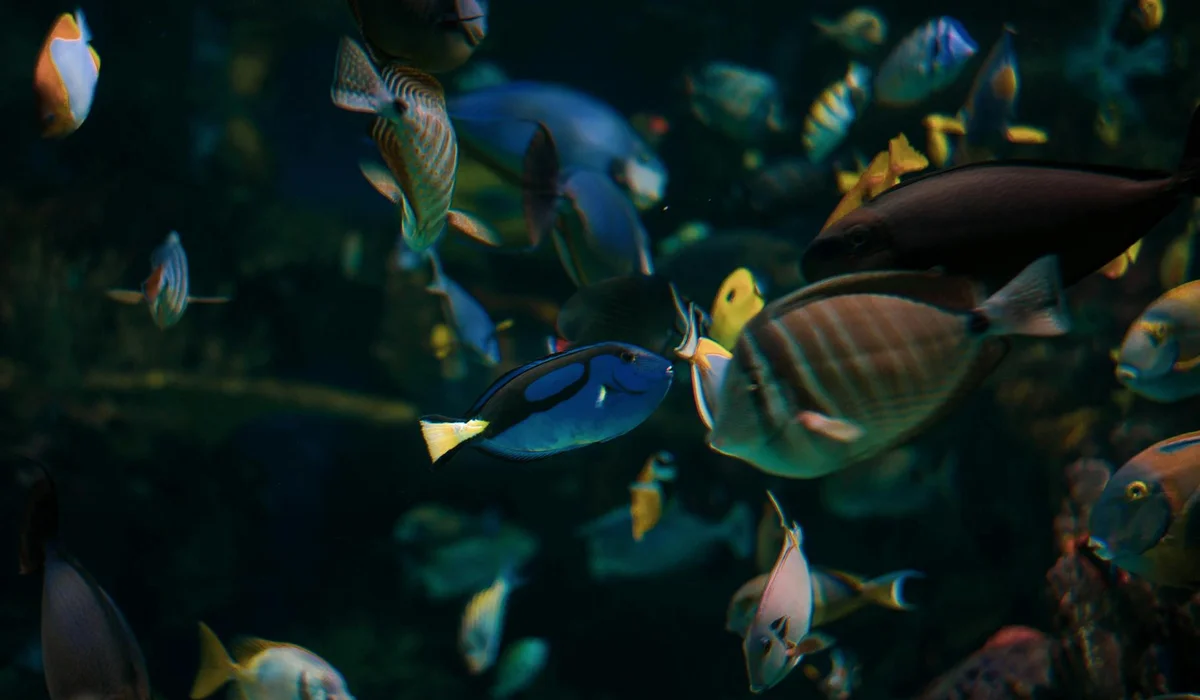
Tropical tanks offer an explosion of color and activity. You can create a living tapestry with neon Tetras, flowing-finned Guppies, and busy Corydoras catfish like my shy bottom-dweller, Shadow. The variety in shape and color is simply astounding.
Schooling behavior is a key part of the tropical vibe. Seeing a tight school of Rummy-nose Tetras shimmer and turn as one is a reward for providing the right environment, which includes soft, slightly acidic water for many Amazonian species.
Water chemistry preferences vary widely. While Guppies and Mollies flourish in harder, alkaline water, species like Cardinal Tetras demand soft, acidic conditions to truly thrive and display their vivid colors. Matching fish to your tap water’s natural parameters makes life easier.
Gear Up: Essential Equipment for Each Setup
Non-Negotiables for a Tropical Tank
Setting up a tropical tank means committing to a stable, warm environment—your fish depend on it. If you’re wondering do you really need a heater for your aquarium, this essential guide has the answer. The heater isn’t just an accessory; it’s the lifeline that keeps your fish’s metabolism and immune system running smoothly. This essential guide explains when heat is necessary and how to set it up and maintain a stable temperature. I learned this early on with Captain Fin, my betta; without consistent heat, he became lethargic and lost his vibrant shimmer.
- Heater: Aim for 5 watts per gallon as a baseline. For a standard 20-gallon tank, a 100-watt heater works well in most rooms. If your home is drafty or cool, consider going 10-20% higher to maintain that steady 76-80°F range.
- Reliable Filter: Choose a filter rated for your tank’s size, and consider one with adjustable flow. The gentle hum of a canister or hang-on-back filter should provide both mechanical and biological filtration without creating a torrent.
- Thermometer: Place it opposite the heater for an accurate average reading. I use a simple digital stick-on because it lets me check the water’s warmth at a glance during feeding time.
- Standard Lighting: LED lights on a timer for 6-8 hours a day support plant growth and highlight your fish’s colors without fueling algae. You don’t need intense beams for most community tanks.
Coldwater Tank Fundamentals
Coldwater setups skip the heater, but that doesn’t mean skimping on gear. Filtration becomes your top priority because fish like goldfish are prolific waste producers, and clean water is non-negotiable for their health. My oranda, Goldie, taught me that a weak filter leads to cloudy water and stress fast.
- Powerful Filter: Get a filter rated for at least double your tank’s volume. For a 30-gallon goldfish tank, look for a model that handles 60 gallons or more to manage the biological load and keep the water crystal clear.
- Thermometer: Yes, you still need one! Room temperatures can fluctuate, and sudden dips or spikes are dangerous. Monitor to ensure it stays in a safe 65-72°F range for most coldwater species.
- Lighting: Similar to tropical setups, but often less about heat and more for plant vitality and viewing pleasure. A moderate LED strip will do the trick.
- Optional Cooling Fan: If your home gets warm in summer, a small clip-on fan blowing across the water’s surface can prevent temperatures from rising into the stressful mid-70s°F or higher.
Building the Foundation: Substrate, Decor, and Plants
Your tank’s interior does more than look pretty-it shapes the water chemistry and your fish’s behavior. Choosing the right substrate can dramatically affect your fish’s coloration; dark gravel or sand makes reds and blues pop, while reducing reflections that cause stress. I’ve seen Shadow, my corydoras, become more active and visible against a dark sandy bottom.
When it comes to plants, coldwater and tropical tanks diverge. Cold-hardy plants like Anubias and Java Fern thrive without extra heat, attaching to rocks or driftwood, while tropical stem plants like Rotala or Ludwigia demand warmer water and often more light. In my tanks, I use Anubias in cooler setups for structure and Java Moss for foraging spots.
Décor isn’t just for show; it provides essential shelter and can alter pH. Driftwood slowly releases tannins that lower pH slightly, benefiting soft-water species, while limestone rocks can harden the water, which is ideal for some livebearers. Always rinse décor thoroughly to avoid cloudiness, and arrange it to create hiding nooks-this makes shy fish like corydoras feel secure enough to explore.
The Life-Giving Liquid: Water Parameters and Cycling
The Universal Cycle: Ammonia, Nitrite, Nitrate
Whether you’re keeping Captain Fin warm or Goldie cool, your tank runs on the same biological engine: the nitrogen cycle. Think of this cycle as your aquarium’s indispensable, invisible cleanup crew, working around the clock to process fish waste. Fish produce ammonia, which is highly toxic. Beneficial bacteria that live in your filter and substrate convert that ammonia into nitrite, which is also toxic. A second group of bacteria then converts the nitrite into nitrate, which is far less harmful and managed through water changes.
This process is not optional; it’s the foundation of a healthy tank. You must cycle your aquarium—letting this bacterial colony establish itself—before adding any fish, regardless of water temperature. A fish-in cycle with a sensitive species like a betta is a stressful gamble I don’t recommend. Also, test water parameters before introducing new fish to confirm the cycle is complete. Check ammonia, nitrite, nitrate, pH, and temperature to ensure safe conditions.
Parameter Nuances: pH, Hardness, and Stability
While the cycle mechanics are identical, the ideal water chemistry can differ. Most common coldwater fish, like goldfish, thrive in a pH range of 7.0-7.8 and appreciate moderately hard water. Many tropical communities prefer slightly acidic to neutral water (pH 6.5-7.5) and softer conditions.
Here’s my cardinal rule: stability always trumps perfection. Chasing an exact pH number with chemicals often causes more dangerous swings than simply maintaining what comes out of your tap. It’s better to have a steady pH of 8.0 than one that yo-yos between 7.0 and 8.0. Know your source water and choose fish that naturally thrive in those conditions.
For instance, Shadow the Corydoras would prefer the softer, acidic water of a planted tropical tank, while Goldie is perfectly content in harder, alkaline conditions. Test your water regularly with a reliable liquid test kit-the colors don’t lie-and you’ll learn the unique rhythm of your aquatic ecosystem.
Your Tank’s Thermostat: Heating, Cooling, and Energy Use
This is the most tangible daily difference between the two setups. A tropical tank requires a heater to run 24/7, maintaining a steady temperature typically between 75-80°F. That consistent hum is the sound of energy use. A reliable, fully-submersible heater with an adjustable thermostat is non-negotiable for tropical species; a sudden chill can compromise their immune systems.
Coldwater tanks, by definition, don’t use a heater. They operate at room temperature, which should ideally stay between 60-72°F for fish like goldfish. To set up a cold water aquarium, start with a suitably sized tank and a reliable filter. Then cycle the tank before adding any fish. The ongoing energy cost is significantly lower, making a coldwater setup more economical to run year-round.
Both systems need you to think about placement. Keep your tank away from drafty windows, heating vents, and direct sunlight. That sunny spot might seem nice, but it will cause massive temperature swings and relentless algae blooms, turning your crystal water into pea soup. For coldwater tanks in particularly warm climates, you might even need a small fan to blow across the water surface for evaporative cooling during hot spells.
Weekly Chores: Maintenance Routines Compared
Keeping your aquatic world pristine requires a rhythm, and that rhythm changes with temperature. The core weekly task for both tank types is a partial water change, but the volume and urgency can differ dramatically based on your fish’s metabolism. Messy coldwater residents like my Goldie, the Oranda, produce more waste, directly impacting your schedule.
Here’s a quick glance at the typical upkeep:
Coldwater Tank Weekly/Monthly Focus
- Water Changes: 25-30% weekly is often a minimum; heavily stocked goldfish tanks may need 50% twice a week.
- Filter Cleaning: Rinse media in removed tank water every 2-3 weeks, as it clogs faster with organic waste.
- Algae Control: More frequent glass scraping and plant wiping. Cooler water and often higher nutrient loads encourage green spot and hair algae.
- Gravel Vacuuming: Non-negotiable and thorough with each water change to remove uneaten food and fish waste.
Tropical Tank Weekly/Monthly Focus
- Water Changes: A consistent 20-25% weekly is usually perfect for maintaining stable chemistry.
- Filter Cleaning: Rinse media monthly, unless you have a densely stocked tank. Biological filtration is paramount for stability.
- Algae Control: Often managed by balancing light duration (8-10 hours) and nutrients. Blue-green algae (cyanobacteria) can be a warmer water nuisance.
- Equipment Check: Verify heater function and temperature daily. This is a unique tropical tank task.
The hum of the heater is a constant in tropical keeping, but the whirl of the gravel vacuum is the anthem of a coldwater setup. Algae growth ties directly to light and nutrients; coldwater tanks near windows or with excess food become algae farms faster than their warmer counterparts.
Planning Your Path: Budget and Hobbyist Considerations
Let’s be honest about money and time, because both shape your journey. The initial sticker price can be deceptive, and the long-term commitment defines the experience.
Your initial setup cost for a tropical tank will almost always include the price of a reliable heater and a thermometer, an investment coldwater keepers skip. But coldwater enthusiasts often start with a larger tank from the get-go, knowing their fish’s ultimate size, which increases the upfront cost of the aquarium and stand.
Ongoing costs split along similar lines:
- Tropical: Electricity for the heater and possibly stronger lighting for plants. Specialized foods for diverse species.
- Coldwater: Significantly more water conditioner and filter media due to larger, more frequent water changes. High-quality sinking pellets or gel foods for sensitive digestion.
Now, consider your lifestyle. A tropical community tank offers a mesmerizing, interactive slice of biodiversity for your living room. If you love aquascaping with live plants and watching complex social behaviors, the tropical path offers nearly endless creative variety. A coldwater tank, often centered on a singular, charismatic species like goldfish, provides a different joy. It’s about observing growth, personality, and the ponderous grace of a living treasure.
Ask yourself: are you drawn to the shimmer of a betta like Captain Fin or the foraging antics of a fancy goldfish? Your long-term goal-be it a lush underwater garden, a breeding project, or even a future pond transition-should steer your choice from the very first tank. Take it from me, choosing based on your genuine fascination, not just the perceived ease, is what builds a lasting and rewarding hobby.
FAQs
What is the fundamental difference between a coldwater and tropical aquarium?
The primary distinction is the required water temperature and how it’s maintained. Coldwater aquariums rely on stable room temperatures, typically between 60-72°F, while tropical tanks need an active heater to consistently keep water at 75-80°F. This temperature divide directly influences fish metabolism, essential equipment, and long-term care routines. In this complete guide to aquarium temperature control, stable water is presented as the core goal. You’ll learn practical steps to maintain those target ranges with heaters, monitors, and contingency plans.
How do care requirements differ between coldwater and tropical fish?
Coldwater fish, such as goldfish, often demand robust filtration and more frequent water changes due to higher waste production. Tropical fish, like tetras or guppies, require stable heating and precise water chemistry. Both need cycling and monitoring, but the emphasis shifts from temperature control in tropical tanks to waste management in coldwater setups. Regular testing of core water quality parameters—ammonia, nitrite, nitrate, pH, temperature, and hardness—helps keep conditions safe. Monitoring these essentials with a reliable test monitor ensures early detection of problems and smoother maintenance of the tank.
Can I mix coldwater and tropical fish in the same tank?
No, mixing these fish is generally not advisable due to incompatible temperature needs. Coldwater fish thrive in cooler water, while tropical species require warmth; housing them together can cause stress, weakened immune systems, and behavioral issues. It’s best to select fish suited to one specific temperature range for a healthy community.
Does water “taste” or quality affect coldwater versus tropical aquariums differently?
Yes, water parameters like pH and hardness can vary in importance. Coldwater fish often prefer harder, alkaline water, while many tropical species thrive in softer, acidic conditions. However, regardless of type, maintaining stable parameters is more critical than chasing perfect numbers to ensure fish health and reduce stress. The ideal parameters vary depending on the species.
Your Aquarium Journey Awaits
Pick your tank type based on the fish you truly want to keep, not just which setup seems easier. Success comes from committing to stable water parameters, appropriate heating for tropical species, and robust filtration for either choice. Think about whether you want a species-only tank or community setup. This guide will help you choose your setup style accordingly.
Every fish in your care depends on your dedication to creating a balanced, healthy home. Embrace the learning process, connect with fellow hobbyists, and let your observations guide you toward becoming a more confident aquarist.
Further Reading & Sources
- Cold Water Or Tropical Fish Tank Habitat – Pros & Cons
- Choosing Between Cold Water and Tropical Aquariums: What’s Best for Yo – Superpet Limited
- Tropical vs. Cold Water Fish: A Beginner’s Guide – PetHelpful
- What is the Difference between Coldwater, Tropical and Marine? – Aquatechniques
- Cold water or tropical fish: Which is best for you? – Rookes Pet Products
Lia is an expert in aquarium and pet fish care. Having worked in the marine industry and having cared for multiple pet fish, she has acquired first hand expertise on aquarium care, maintenance and setup. She always brings her practical expertise and science to help solve any aquarium related queries.
Heating Solutions