
50 vs 55 Gallon Aquariums: Decoding Standard Dimensions for Your Perfect Aquatic Space
Hello fellow fish keepers! If you’re comparing a 50 and 55 gallon aquarium, you’re likely wrestling with floor space, stand choices, or planning a community tank where every centimeter counts.
This clear guide will walk you through the key details to make an informed decision, covering:
- the precise length, width, and height of standard 50 and 55 gallon tanks
- how the footprint difference impacts fish swimming zones and plant layouts
- critical weight calculations including water, substrate, and hardware
- smart measuring tricks to ensure the tank fits your furniture and room flow
Drawing from years of hands-on experience with planted systems and fish breeding, I’m here to translate specs into practical advice you can trust.
Why Aquarium Dimensions Are Your Blueprint for Success
Think of tank dimensions as the architectural plans for your underwater world. Gallons tell you the volume, but the length, width, and height dictate everything about how your aquatic ecosystem will function and feel. A tank with a generous footprint offers more usable swimming space and territory than a tall, narrow tank of the same volume, which is crucial for your fish’s well-being. To plan properly, do calculate aquarium volume to determine fish capacity. Volume informs stocking and equipment needs, helping your tank stay balanced and healthy.
The Language of Tank Measurements
You’ll typically see dimensions listed in inches as Length x Width x Height (L x W x H). The order matters. The first number (length) is the most critical for active swimmers, as it determines the uninterrupted cruising room they have. Width provides depth for aquascaping and territory, while height influences light penetration for plants and gas exchange at the surface.
For community tanks, a longer, wider base is a superior choice to a taller one. This shape maximizes the oxygen-rich surface area and provides more horizontal space for fish to establish their zones, reducing stress and aggression. It’s the difference between living in a spacious studio apartment versus a narrow, multi-story tower.
Standard 50 Gallon Aquarium Dimensions: The Trusty Workhorse
The classic 50-gallon breeder tank is a favorite for good reason. Its dimensions strike a perfect balance, offering a substantial canvas for aquascaping while fitting comfortably in most homes. This tank is my personal recommendation for someone ready to move beyond a beginner setup into a truly stable, versatile ecosystem. Typically, the most common sizes align with their uses—breeding, community tanks, or display setups. The 50-gallon sits in a versatile middle ground, fitting those applications well.
Inside the 50-Gallon Box
The standard dimensions for a 50-gallon aquarium are 36 inches long, 18 inches wide, and 19 inches tall (36″ x 18″ x 19″). For comparison, the standard dimensions for a 75-gallon tank dimensions are around 48″ long, 18″ wide, and 21″ tall (48″ x 18″ x 21″). That 18-inch front-to-back width is the secret weapon, giving you depth to create stunning perspective with plants and hardscape. When full, it will weigh approximately 600 pounds, so a dedicated, level stand is non-negotiable.
- Ideal For: Community fish tanks, African Cichlids, larger schools of tetras or rasboras, elaborate planted tanks, and juvenile fish you plan to grow out.
- Swimming Space: The 36-inch length is excellent for fish like rainbowfish or dwarf cichlids that need room to patrol. It allows for strong current at one end and calm water at the other.
- Aquascaping Potential: The generous footprint lets you design with distinct foreground, midground, and background layers. You can build substantial hardscape without sacrificing swimming lanes.
- Practical Fit: Always measure your intended space twice. Remember to account for extra room behind the tank for cords, tubing, and your hand to maneuver during maintenance.
Standard 55 Gallon Aquarium Dimensions: The Classic Long Tank
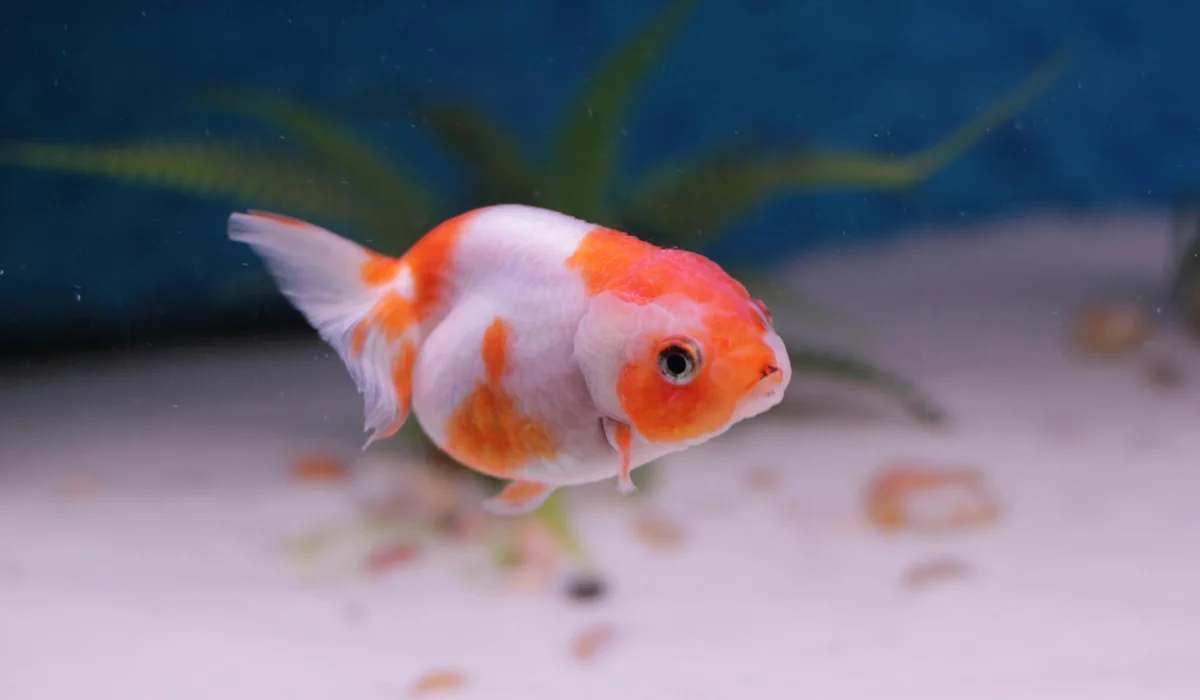
When you picture a classic fish tank, that long, sleek 55-gallon aquarium probably comes to mind. Its standard dimensions are 48 inches long, 13 inches wide, and 21 inches tall. I’ve always loved this tank for its cinematic swim space-watching a school of neon tetras shimmer from end to end is pure joy. That four-foot length isn’t just for show; it dramatically increases surface area for vital gas exchange, making your water healthier with every gentle ripple. Just listen to the consistent hum of a filter on a tank this size; it’s the sound of a stable ecosystem at work.
Navigating the 55-Gallon’s Unique Shape
That 13-inch width is the 55’s defining trait, and it requires a clever touch. It can feel narrow when you’re trying to build a lush aquascape. My best advice is to use the length to create visual depth, stacking rocks and driftwood from front to back rather than side to side. This shape is a dream for certain fish communities. Active swimmers like danios, rainbowfish, and barbs use every inch of that runway. Here’s how I make the most of it:
- Layer your substrate: Slope it from back to front to add perceived depth in a narrow space.
- Choose streamlined decor: Use tall, background plants like Vallisneria and slender driftwood to avoid cramping the swim lanes.
- Mind the current: Position filters to create a gentle flow along the tank’s length, which many fish find stimulating and natural.
Remember, that narrower body means water parameters can shift a bit faster than in a wider tank. I check my 55-gallon’s pH and temperature weekly, as its water volume, while substantial, has less buffer against sudden change than a squatter design.
Side-by-Side: 50 vs 55 Gallon Dimension Comparison Chart
Five gallons might not sound like much, but the shape difference is everything. Let’s break it down visually. This chart compares the two most common standard dimension sets you’ll find in stores.
| Feature | Standard 50-Gallon Tank | Standard 55-Gallon Tank |
|---|---|---|
| Dimensions (L x W x H) | 36.5″ x 18.5″ x 19″ | 48″ x 13″ x 21″ |
| Primary Shape | Breeder or “Low Boy” | Long or “Show” |
| Cichlids, bottom dwellers, complex hardscapes | Active schooling fish, linear aquascapes, larger territorial fish | |
| Water Surface Area | ~675 sq. inches | ~624 sq. inches |
The Footprint Face-Off
Look at that width difference! The 50-gallon “breeder” tank gives you over 5 extra inches of front-to-back space. That wider footprint is a game-changer for aquascaping, allowing for more creative hardscape layouts and giving shy fish like my corydoras, Shadow, more bottom territory to explore. The 55-gallon, while longer, has a narrower base that demands a more linear design.
Think about your floor and stand. The 55-gallon needs a dedicated four-foot stand, often a specific purchase. The 50-gallon’s shorter, squatter footprint might fit more easily on existing furniture. Before you buy, always measure your space twice and consider the full weight-a filled 55-gallon tank can weigh over 600 pounds, so a level, sturdy foundation is non-negotiable.
Beyond the Tape Measure: How Dimensions Impact Your Aquarium Life
The length, width, and height of your tank do more than just define its footprint. They dictate the entire ecosystem inside, from oxygen levels to fish behavior. A tank’s physical shape directly controls the gas exchange at the water’s surface, which is vital for your fish’s respiration.
Glass Thickness and Tank Stability
Glass thickness isn’t arbitrary; it’s a calculated decision based on water pressure. Taller tanks hold more water column weight, requiring thicker glass to prevent catastrophic failure. Tank size matters: larger or taller tanks typically need thicker panels. The glass thickness should be matched to the tank dimensions to maintain safety.
- A standard 55-gallon tank (48″x13″x21″) typically uses 1/4-inch (6mm) glass.
- A standard 50-gallon breeder (36″x18″x19″) often uses slightly thinner glass, around 3/16-inch (5mm), due to its shorter height and wider, more stable base.
That extra height on a 55-gallon tank means significantly more pressure at the bottom seams, demanding the robustness of thicker glass. I always gently tap the side panels when inspecting a used tank; a solid, deep sound indicates good integrity, while a tinny ring can be a red flag.
Choosing Between 50 and 55 Gallons: A Practical Guide
This choice goes beyond a simple five-gallon difference. It’s about selecting the right tool for the aquatic life you want to cultivate.
- Choose the 55-gallon Long if your priority is housing fish that love to swim back and forth, like rainbowfish, larger tetra schools, or a single Oscar.
- Choose the 50-gallon Breeder if you plan on keeping bottom-dwellers like my Corydoras, creating a dense aquascape, or breeding fish that need more floor space.
The 50-gallon breeder’s wider base provides a more stable foundation for stacking aquascaping rocks and driftwood without worrying about point-load pressure on the glass.
Matching Dimensions to Your Fish Friends
Think of your tank’s dimensions as real estate for your fish. Active swimmers need a long runway, while territorial or bottom-oriented fish need a spacious plot of land. For a 20 gallon tank, the footprint matters just as much as total volume because it affects swimming space and surface area. Our 20 gallon fish tank dimensions size guide breaks down common shapes and measurements to help you pick a layout that fits your space and fish needs.
For a community tank with fish like Captain Fin, a Betta, the 50-gallon breeder offers more calm surface area for him to claim. For a group of Goldie’s cousins, the fancy Goldfish, the 55-gallon’s length is better for their swimming needs, but its narrow width can feel cramped. Always research the adult size and natural swimming patterns of a species before you commit them to a tank’s shape. Do choose the right aquarium size for your fish species to give them proper space. The right size helps prevent stress and promotes healthier, more natural behavior.
Here’s a quick compatibility guide based on my experience:
| Fish Type | Better in 55-Gallon Long | Better in 50-Gallon Breeder |
|---|---|---|
| Active Schooling Fish (Danios, Rainbowfish) | Yes – for the swimming length | No – too narrow for sustained laps |
| Large Cichlids (Oscar, Jack Dempsey) | Yes – provides crucial horizontal territory | No – can feel confined by the shorter length |
| Bottom Dwellers (Corydoras, Loaches) | No – the narrow floor is less ideal | Yes – the expansive bottom is perfect for foraging |
| Heavily Planted or Aquascaped Tanks | No – harder to create depth | Yes – the extra front-to-back depth is a dream for layouts |
FAQs
What are the dimensions of a 50-gallon aquarium?
The standard dimensions for a 50-gallon aquarium are typically 36 inches in length, 18 inches in width, and 19 inches in height. For context, a standard 30-gallon tank typically measures about 36 inches long by 12 inches wide by 16 inches high, giving roughly 30 gallons. This “breeder” style offers a wider footprint, making it excellent for aquascaping and providing ample bottom space for fish. Its balanced shape fits well in many home setups while supporting a stable aquatic environment.
What are the dimensions of a 55-gallon aquarium?
A standard 55-gallon aquarium usually measures 48 inches long, 13 inches wide, and 21 inches tall. This long, narrow design maximizes horizontal swimming space, ideal for active fish species. The increased length also enhances surface area for better oxygen exchange, contributing to a healthier tank ecosystem. Many fish keep 55-gallon aquariums for this balance of space and bioload. It’s a popular choice for hobbyists aiming to keep a modest community of compatible species.
How do the dimensions of 50-gallon and 55-gallon aquariums compare?
The 50-gallon tank is shorter and wider (36″x18″x19″), while the 55-gallon is longer and narrower (48″x13″x21″). This means the 50-gallon provides more front-to-back depth for complex aquascapes and bottom-dwelling fish, whereas the 55-gallon offers superior length for fish that enjoy swimming long distances. The choice depends on your fish species and layout preferences.
Are there standard dimensions for 50-gallon and 55-gallon aquariums?
Yes, standard dimensions are widely accepted in the industry, with 50-gallon tanks commonly at 36″x18″x19″ and 55-gallon at 48″x13″x21″. These standards ensure compatibility with stands and accessories, but always verify with the manufacturer as minor variations can occur. Sticking to these dimensions helps in planning for space and weight requirements.
Setting Up for Success
Knowing the standard footprints-like 36″ x 18″ for a 50-gallon or the longer, narrower 48″ x 13″ for a 55-gallon-lets you plan for proper filtration and aquascaping from the start. I always advise measuring your space twice and considering the adult size of your fish before you buy, as a tank that fits your stand and your pets’ needs is the first step to a balanced aquarium. Proper measurement ensures you have the right fit for your tank and your aquatic life.
Bringing fish home is a promise to steward their underwater world for years to come. The hum of a healthy tank is built on your willingness to learn; great fish keepers never stop reading about water parameters and species compatibility.
Further Reading & Sources
- Aqueon Standard Glass Aquarium Tank 55 Gallon | Petco | 55G Fish Tank, 55Gal Fish Tank, 55 Gallon Aquarium, 55 Gallon Tank Dimensions
- 50 gallon long vs 55 gallon | MonsterFishKeepers.com
- Marineland 55 Gallon Aquarium 48x13x20
- 50 gallon or 55 gallon | Aquarium Advice Forum Community
- Preparations for Building a 55 Gallon Fish Tank – hygger
Lia is an expert in aquarium and pet fish care. Having worked in the marine industry and having cared for multiple pet fish, she has acquired first hand expertise on aquarium care, maintenance and setup. She always brings her practical expertise and science to help solve any aquarium related queries.
Water Quality