
Activated Carbon in Your Aquarium: The Ultimate Water Polisher Explained
Hello fellow aquarists. That slight yellow tint in your water or that faint, unexplained odor from your tank lid is exactly why you’re here. You’ve heard about activated carbon but aren’t quite sure if it’s the magic bullet for a pristine aquarium.
This guide will clear the water on what this powerful filter media can and cannot do for your aquatic ecosystem. We’re going to cover:
How activated carbon chemically scrubs your tank water clean
The real benefits beyond just crystal-clear water
When and how to use it effectively in your filter
The honest downsides and when to skip it entirely
Practical alternatives for natural filtration
I’ve been using this media for years in my own high-tech planted tanks to manage everything from medication removal to tannin-stained water.
What Is Activated Carbon and How Does It Work?
The Magic of Adsorption in Water Purification
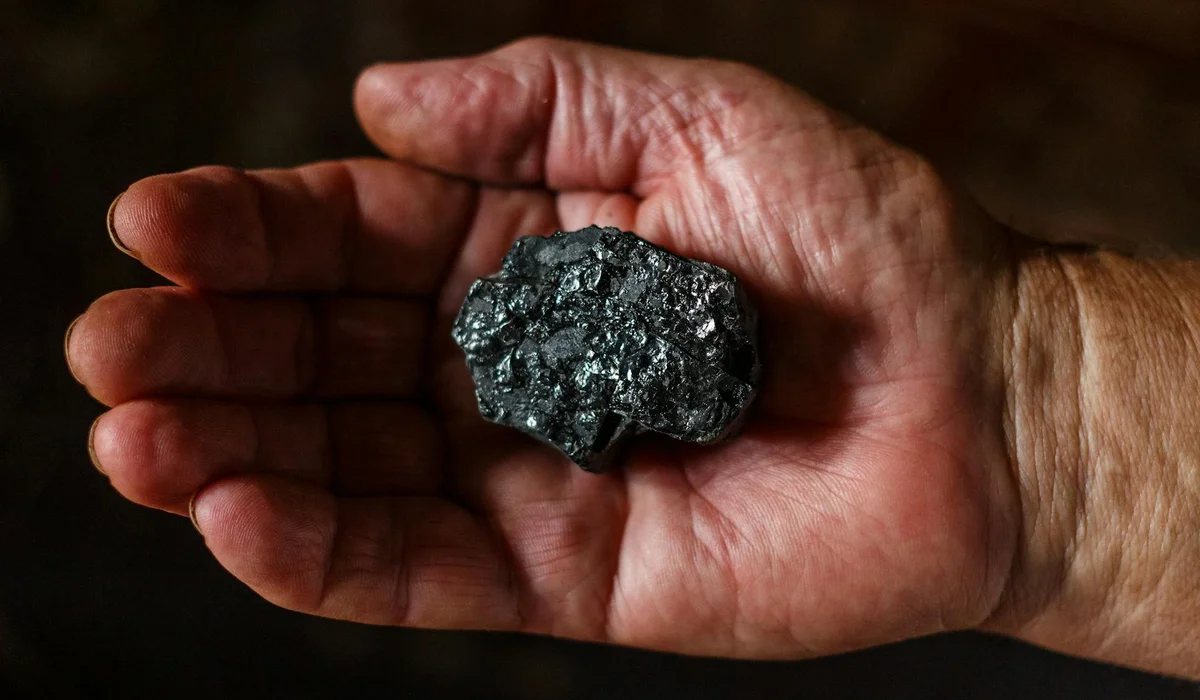
Activated carbon is a super porous form of carbon treated to have tons of microscopic holes. Think of it like a microscopic sponge specifically designed to grab onto dissolved chemicals and impurities in your aquarium water. It doesn’t absorb them like a paper towel soaks up a spill; instead, it uses a process called adsorption, where pollutants stick to its vast surface area.
I remember the first time I used it in Captain Fin’s tank after a medication treatment; the water went from having a slight yellowish haze to being perfectly clear within a day. This adsorption process is incredibly effective at pulling out dissolved organic compounds, leftover medications, and other invisible nasties that can stress your fish. The sheer number of pores means a small amount can purify a large volume of water, making it a powerhouse in your filter.
Types of Activated Carbon for Aquarium Filtration
Not all activated carbon is the same, and choosing the right type makes a big difference in your filter’s performance. You’ll primarily find three forms at your local fish store, each with its own best use case. Here’s a quick breakdown to help you decide:
- Granular Activated Carbon (GAC): This is the most common type, consisting of small, irregular granules. It’s my go-to for hang-on-back and canister filters because it offers a great balance of surface area and water flow, preventing clogging.
- Pelletized Carbon: These are larger, compressed pellets that create less dust and resist channeling (where water finds a path of least resistance). I use these in high-flow sump systems for my larger tanks, as they maintain consistent pressure.
- Powdered Carbon: This fine powder has the highest surface area but can be messy. I only reach for this in emergency situations, like a sudden toxin introduction, because it works fast but can cloud the water if not contained properly in a fine mesh bag.
Key Benefits of Activated Carbon in Aquarium Care
Boosting Water Clarity and Color Removal
One of the most immediate benefits you’ll notice is the stunning clarity it brings to your water. Activated carbon is brilliant at removing tannins that leach from driftwood, turning your water from tea-colored to crystal clear. I’ve seen it transform Shadow’s planted tank, making his green and grey speckles pop against the pristine background.
Beyond just looks, this clarity means fewer dissolved organics are present, which directly reduces the food source for algae. By removing the yellow tinge and haze, you’re not just improving aesthetics; you’re actively creating a healthier environment that discourages algae blooms. It also grabs leftover antibiotics after you’ve treated a sick fish, preventing any residual medication from affecting your biological filter or sensitive invertebrates.
Odor Control and a Fresher Aquarium Environment
A healthy aquarium shouldn’t have a strong smell, and activated carbon is your first line of defense against funky odors. It captures the volatile organic compounds released from fish waste, uneaten food, and decaying plant matter that cause that distinct “fishy” smell. In Goldie’s tank, which houses a messy eater, a fresh pouch of carbon keeps the surrounding air fresh and clean. However, carbon alone won’t fix all odor issues.
This odor control isn’t just for your nose; it’s a sign of improved water quality. When you eliminate those organic odors, you’re also reducing the potential for harmful bacterial growth and creating a less stressful habitat for your fish. Improved water quality means healthier, more resilient fish in your aquarium. Clean, well-oxygenated water supports a thriving, stress-free environment for all your aquatic inhabitants. The gentle hum of the filter paired with the absence of any unpleasant smells is a sure sign your tank’s ecosystem is in beautiful balance.
When to Use Activated Carbon in Your Tank

After Medication: Safely Removing Chemical Residues
Once your fish have finished their course of treatment, you absolutely need to remove the leftover medication from the water. Antibiotics, antifungals, and copper-based treatments can linger, stressing your fish and harming your biological filter. Activated carbon is your most reliable tool for scrubbing these chemical residues from the water column, effectively hitting the reset button on your tank’s water quality. I run carbon for at least a week after any medication, and I always confirm the water is clear before reintroducing sensitive invertebrates like shrimp.
Running carbon post-treatment ensures your beneficial bacteria can recover without chemical interference. This step prevents the medication from losing its potency over time, which is vital if you need to treat an illness again in the future. Simply remove the old carbon from your filter, add a fresh batch, and let it work its magic.
For Tannin-Rich Setups and Blackwater Tanks
Tannins from driftwood and botanicals like Indian Almond Leaves release tannic acids, staining the water a lovely tea-like color. Many fish, like my betta Captain Fin, thrive in these soft, acidic blackwater conditions. If you love the health benefits of tannins but prefer crystal-clear water, activated carbon can remove the yellow tint while leaving the beneficial water-softening properties largely intact. Tannins are a key component of humic substances that color and condition blackwater aquariums, subtly shaping pH and microbial life. Understanding the role of Tannins in blackwater aquariums helps keep your blackwater setup healthy and visually pleasing. It’s a perfect compromise for aquarists who want the best of both worlds.
For a true blackwater biotope, however, you should skip the carbon entirely. In a dedicated blackwater tank, the goal is to maintain those dissolved tannins, so using carbon would actively work against your aquascaping vision. The choice truly comes down to your aesthetic preference and the specific needs of your fish.
How to Use and Maintain Activated Carbon Properly
Choosing the Right Carbon Media for Your Filter
Not all carbon is created equal. The physical form you choose depends entirely on your filter type. Using the wrong kind can lead to messy dust in your tank or inefficient filtration.
- Pelletized or Granular Carbon: This is my go-to for most hang-on-back and canister filters. The pellets are hard, resist breaking down into dust, and have a massive surface area for adsorption. They come in pre-made bags or loose for you to bag yourself.
- Carbon Filter Pads/Cartridges: These are convenient for all-in-one units or internal filters where space is limited. They combine mechanical filtration (trapping debris) with chemical filtration. The downside is you often have to replace the entire pad, even if the mechanical part is still clean.
- Loose Powdered Carbon: This is a specialist option, typically used in reactor setups or for emergency clearing of severe water cloudiness. I don’t recommend it for standard aquarium use as the fine powder can easily escape into your tank.
How Long Does Activated Carbon Last and When to Replace It
Activated carbon has a finite capacity. Once its microscopic pores are full, it stops working and can even begin leaching captured pollutants back into your water. A good rule of thumb is to replace your activated carbon every 3 to 4 weeks for it to remain effective. In a heavily stocked or medicated tank, you might need to change it even more frequently.
Watch for these tell-tale signs that your carbon is exhausted:
- Yellowing or discoloration of the water returns.
- Persistent odors, like a faint swampy smell, linger near the tank.
- A visible oily film develops on the water surface.
I mark my calendar for a monthly carbon change-it’s a simple habit that ensures my water stays pristine. Always rinse new carbon in a bucket of old tank water before adding it to your filter to wash away any black dust. This keeps that fine carbon powder out of your display and away from your fish’s delicate gills.
Limitations and What Activated Carbon Can’t Do

Activated carbon is a powerful tool, but it’s not a magic cure-all for every aquarium problem. Knowing its limitations is just as critical as understanding its benefits for maintaining a truly healthy tank.
Interactions with Beneficial Bacteria and Aquarium Chemistry
A common worry is that carbon will wipe out the beneficial bacteria in your filter. You can relax. The porous surface area of carbon is mostly too small for nitrifying bacteria to colonize effectively, so your biological filtration remains safely intact on other media.
However, carbon does interact with your water’s chemistry in ways you must anticipate. It will not remove ammonia, nitrite, or nitrate from the water. If your test kit shows high levels of these, you need water changes, not a fresh carbon pouch.
It also has no effect on water hardness (GH) or carbonate hardness (KH). Don’t expect it to soften your water or stabilize your pH on its own. Understanding GH and KH in aquarium water hardness helps you interpret test results and guide maintenance. Regular monitoring of GH and KH keeps tank conditions stable and supports healthier inhabitants. For problems like persistent algae blooms, the root cause is often an imbalance of light and nutrients that carbon cannot solve long-term.
Heavy metals are another tricky area. While carbon can remove some, it becomes exhausted quickly. For consistently high levels of copper or other metals, a dedicated heavy metal remover is a far more reliable solution.
Alternatives to Activated Carbon for Water Purification
If activated carbon isn’t the right fit for your specific tank goals, a whole world of other filtration media is ready to step in. Building a custom filter media stack is one of the most satisfying ways to fine-tune your aquarium’s water clarity and quality. For a crystal clear aquarium, choose the best filter media by balancing mechanical, biological, and chemical filtration. Tailor the combinations to your tank’s needs.
Natural and Synthetic Media Options
You have several excellent choices, each with a unique specialty.
- Bio-Media: Ceramic rings, lava rock, and bio-balls are the workhorses of biological filtration. Their massive, coarse surfaces are designed for one job: housing the beneficial bacteria that process fish waste.
- Purigen: This is a synthetic polymer that is a powerhouse for removing dissolved organic waste. I often describe it as “super-charged carbon.” It’s so effective at pulling tannins and yellowing compounds that you can actually regenerate and reuse it multiple times.
- Filter Floss/Polyester Padding: This is your go-to for mechanical filtration. It traps fine particulate matter that makes water look cloudy, giving you that coveted crystal-clear polish. It’s inexpensive and meant to be replaced frequently.
- Chemical Filtration Media:
- Phosphate Removers: If you battle green water or hair algae, phosphate is often the culprit. These specialty resins pull phosphate directly from the water, starving the algae.
- Ion Exchange Resins: Want softer water for sensitive species like discus or certain tetras? These resins are designed to remove specific minerals, effectively lowering your GH and KH.
- Zeolite: This mineral is unique because it can actually absorb ammonia, making it a fantastic emergency tool for new tank syndrome or during a filter crash. Remember that zeolite will need to be recharged in a saltwater bath, as it releases the ammonia back once its pores are full.
FAQs
How do I properly install activated carbon in my aquarium filter?
Place the activated carbon in a mesh media bag and rinse it with dechlorinated water to remove dust before adding it to your filter. Position it after mechanical filtration media, like filter floss, to prevent clogging and ensure water flows through it evenly. This setup allows the carbon to effectively adsorb impurities without reducing filter efficiency.
What should I consider when choosing activated carbon media for my tank?
Select activated carbon based on your filter type and tank needs; granular carbon works well in hang-on-back filters, while pelletized carbon is better for high-flow systems. Avoid powdered carbon unless for emergencies, as it can cloud the water. Always opt for high-quality, aquarium-safe brands to ensure it doesn’t release phosphates or other contaminants. In planted tanks, carbon is often optional or used sparingly, since plants and beneficial bacteria can thrive with mechanical and biological media without regular carbon dosing.
Is activated carbon readily available for aquarium use in Australia?
Yes, activated carbon is widely available in Australian pet stores, aquarium specialty shops, and online retailers. You can find popular brands like Seachem Matrix Carbon or API Activated Carbon at major outlets. It’s easy to source for both freshwater and saltwater setups across the country.
Where is the best place to buy activated carbon for my fish tank?
You can purchase activated carbon from local aquarium stores, large pet supply chains, or online marketplaces like Amazon or eBay. Look for reputable brands that specify aquarium use to ensure safety and effectiveness. Reading reviews can help you choose a product that suits your tank’s size and filtration system, especially when paired with the right type of aquarium filter.
Your Activated Carbon Action Plan
Use activated carbon to absorb dissolved impurities and medications, giving you noticeably clearer and safer water for your fish. Stick to a monthly replacement schedule to prevent toxin re-release and keep your filtration system running efficiently.
Responsible aquarium care means committing to routine maintenance and staying informed about your pets’ needs. Embrace the learning journey-the more you understand water chemistry and fish behavior, the more rewarding your tank will become.
Further Reading & Sources
- Aquarium Filters with Activated Carbon | OASE North America
- What exactly does activated carbon do? | Reef2Reef
- r/Aquariums on Reddit: Poll; Do you use activated carbon in your filter ?!?
- Should I replace or clean the activated carbon filter in my …
- How Activated Carbon in Aquarium Filters Enhances Water Quality and Clarity
Lia is an expert in aquarium and pet fish care. Having worked in the marine industry and having cared for multiple pet fish, she has acquired first hand expertise on aquarium care, maintenance and setup. She always brings her practical expertise and science to help solve any aquarium related queries.
Filtration Systems