
Your Guide to a Thriving Planted Tank: How to Set Up a CO2 System
Hello fellow aquarists! Are you staring at your aquarium plants, willing them to grow faster and greener, but they just seem to be stuck? You’ve got the lights and the fertilizer, but something is missing. That missing piece is often a consistent source of carbon dioxide.
This guide will walk you through the entire process, taking the intimidation out of pressurized CO2. We will cover:
- The fundamental equipment you absolutely need and what each piece does.
- How to choose the right CO2 regulator for your budget and tank size.
- A simple, step-by-step guide for safely assembling and installing your system.
- My personal method for dialing in the perfect CO2 bubble rate to avoid harming your fish.
- Essential tips for daily maintenance and long-term safety checks.
I’ve been running high-tech planted systems for years, learning these lessons firsthand so you don’t have to.
Why Add CO2 to Your Planted Aquarium?
Plants in your aquarium use carbon dioxide, or CO2, to fuel photosynthesis, which is how they turn light into energy for growth. When you inject CO2, you’re essentially giving your plants a power boost, allowing them to absorb nutrients more efficiently and develop stronger roots and leaves. So, do you need CO2 in a planted aquarium? In many setups—especially with brighter lighting and fast-growing plants—CO2 helps speed growth and improve health. In a low-CO2 environment, plants can struggle, much like a runner trying to sprint without enough oxygen.
Imagine an aquarium without CO2 as a quiet, slow-growing garden where plants take their time. With CO2 injection, it’s like flipping a switch—your tank becomes a vibrant, rapidly evolving underwater forest. The difference is night and day; CO2 turns hesitant growth into a confident, lush explosion of greenery. In many planted tanks, Essential CO2 for planted tanks isn’t optional—it’s often essential for sustained, lush growth under typical lighting. Without it, even vigorous plant species can stall and the carpet never really fills in. I’ve seen my own plants, like the ones in Captain Fin’s tank, transform from sparse to dense carpets with consistent CO2.
- Faster growth: Your plants will fill in gaps quickly, reducing the wait for a mature aquascape.
- Reduced algae: Healthy, fast-growing plants outcompete algae for nutrients, leading to clearer water and less scrubbing.
- Vibrant colors: Enhanced photosynthesis brings out intense reds, greens, and other hues, making your aquarium a shimmering display.
Choosing Your CO2 System: Pressurized or DIY
Pressurized CO2 Systems
A pressurized CO2 system includes a CO2 cylinder that stores the gas, a regulator to control the pressure for safe release, and a solenoid valve that lets you automate dosing with a timer. This setup delivers a steady stream of CO2, ensuring your plants get exactly what they need without guesswork. The gentle hiss from the regulator becomes a reassuring sound of a well-balanced tank.
- Pros: Consistent CO2 levels, low maintenance once set up, and precise control over dosing rates.
- Cons: Higher upfront cost for equipment and refills, and it requires more initial setup effort.
I recommend pressurized systems for tanks 20 gallons or larger, and for aquarists who have some experience with equipment tuning. The equipment you do need for a successful planted aquarium includes stable CO2, precise dosing, reliable lighting, and quality filtration. If you’re aiming for a high-tech planted tank with demanding species, this is the reliable choice that pays off in lush growth. In my larger setups, the stability has kept algae at bay and colors popping.
DIY CO2 Systems
DIY CO2 systems use a yeast reactor, where yeast ferments sugar in a bottle to produce CO2 gas. It’s a budget-friendly project that harnesses simple household items to create bubbles of CO2 for your plants. The bubbling action from the bottle can be mesmerizing, but it requires regular attention to keep it running smoothly. Finding the right balance between CO2 and oxygen is essential in a planted tank. Too much CO2 can lower dissolved oxygen for fish and beneficial bacteria, so monitor CO2 levels and ensure adequate aeration.
- Materials needed: A 2-liter plastic bottle, sugar, baker’s yeast, water, airline tubing, a check valve, and a diffuser to disperse CO2 into the water.
- Mix about 2 cups of sugar with 1 teaspoon of yeast and warm water in the bottle.
- Attach the airline tubing to the bottle cap, include a check valve to prevent backflow, and connect it to a diffuser in your tank.
- Place the bottle near your aquarium and watch as CO2 production starts within hours.
The main limitations are unstable CO2 output, which can vary with temperature and yeast activity, and the need to refill the mixture every 1-2 weeks. While DIY systems are great for small tanks under 10 gallons, they’re less reliable for consistent plant health in larger setups. I’ve used these for nano tanks and found them fun, but the maintenance can become a chore if you’re not diligent.
Essential Parts of a CO2 System
Core Components
Think of your CO2 system as the lungs for your plants. Each part has a specific job, and skipping one can lead to wasted gas or even danger. Investing in quality components from the start saves you money and headaches down the line.
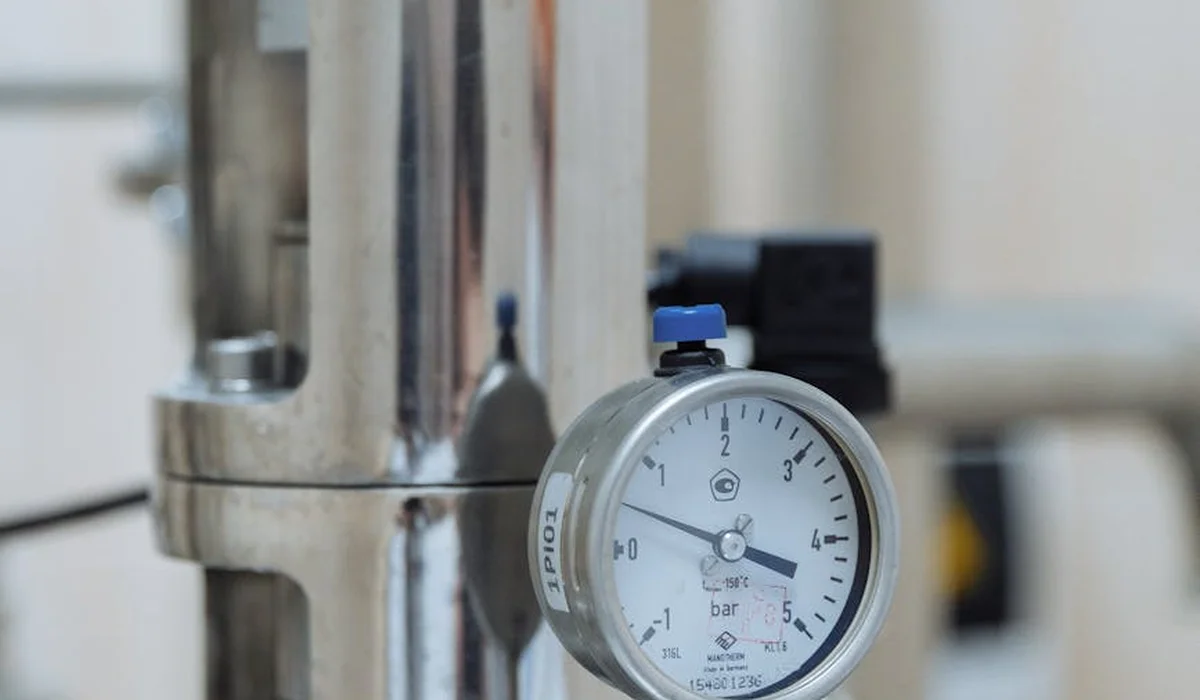
- CO2 Regulator: This is the most critical piece. It screws onto your CO2 tank and reduces the extremely high pressure inside the cylinder down to a safe, usable pressure for your aquarium. A good one has two pressure gauges-one shows the pressure left in the tank, and the other shows the output pressure going to your tank.
- Needle Valve: This is your precision control. It’s usually built into the regulator and allows you to make tiny adjustments to the bubble count. A cheap, unreliable needle valve will constantly drift, making stable CO2 levels impossible to maintain.
- Bubble Counter: This simple chamber filled with water lets you visually count how many CO2 bubbles are entering your tank per second. It’s your primary way to set a baseline for your injection rate. Consistency in your bubble count is the first step to achieving stable CO2 levels.
- Diffuser: This is where the magic happens inside the tank. It breaks the CO2 gas into a fine mist of tiny bubbles that can easily dissolve into the water column. Ceramic diffusers are popular because they create a very fine mist, but you must keep them clean for peak performance.
- Tubing: Use special CO2-resistant tubing, not standard airline tubing. Standard tubing is porous and will allow CO2 to slowly leak out, wasting your gas and throwing off your dosage.
- Check Valve: This small, one-way valve is a non-negotiable safety device. You install it in the tubing, and it prevents water from your tank from siphoning back into your regulator and CO2 cylinder if the pressure drops, which could ruin your expensive equipment.
Monitoring Tools
You can’t manage what you don’t measure. Guessing your CO2 levels is a fast track to algae or gassed fish. Using a drop checker gives you a constant, visual cue of your water’s CO2 concentration, taking the guesswork out of the equation.
- Drop Checker: This is a simple glass or plastic device that you fill with a special pH reagent (usually 4dKH water and a pH indicator like Bromothymol Blue) and suspend in your aquarium. The color of the liquid changes based on the pH of the water in the device, which correlates to CO2 levels. Aim for a lime green color for the ideal ~30 ppm of CO2.
- pH/KH Tests: You can also use a permanent KH (Carbonate Hardness) test kit and a pH test to calculate dissolved CO2 using a chart. A 1-point drop in pH from your baseline (measured before CO2 injection starts) often indicates you’ve reached a good CO2 level. I always cross-reference my drop checker color with a pH/KH test once a week for a double-check.
Blue means too little CO2, yellow means dangerously high levels, and that perfect lime green is your target. It takes about two hours for the drop checker to adjust to changes, so be patient after you make an adjustment.
Step-by-Step Guide to Setting Up Your CO2 System
Pre-Setup Preparation
Rushing this part is the most common mistake I see. A few minutes of preparation prevents major leaks and failures. Finding and fixing a leak before you connect everything to the tank is far easier than dealing with an empty CO2 cylinder tomorrow.
- Lay out all your components on a dry towel. Mix a small spray bottle with water and a few drops of dish soap. With the regulator connected to the CO2 tank (but the tank valve still closed!), open the regulator’s valve briefly to pressurize the system. Spray the soapy solution on every connection-where the regulator meets the tank, the needle valve, and the bubble counter. If you see bubbles forming, you have a leak that needs tightening or Teflon tape.
- Plan your tank layout. Place your CO2 cylinder securely, preferably in the cabinet. Decide where the diffuser will go-usually on the opposite side of the filter outlet so the current can carry the CO2 mist throughout the entire tank.
Assembly and Connection
Now for the satisfying part-putting it all together. Follow these steps in order for a safe and functional setup. Always ensure your check valve is installed correctly; the direction of flow is almost always marked on the valve itself.
- Screw the regulator securely onto the CO2 tank valve. Hand-tighten it, then use a wrench for a final quarter-turn-do not over-tighten. Attach your CO2-resistant tubing from the bubble counter’s outlet.
- Install your diffuser or reactor in the chosen spot inside the tank and connect the other end of the tubing to it. Install a check valve in the tubing somewhere between the bubble counter and the tank, ensuring the arrow points toward the aquarium.
- Now, slowly open the main valve on the CO2 tank. You should hear a brief hiss. Turn on the regulator’s solenoid valve (if it has one). Gently turn the needle valve until you see bubbles start to travel through the bubble counter. Set an initial, slow rate-maybe 1 bubble per 2-3 seconds-to start safely.
Initial Testing and Adjustment
Your system is running, but the work isn’t over. The next 24-48 hours are about fine-tuning. Watch your fish closely during the first few hours of CO2 injection; if they gasp at the surface or act stressed, turn the CO2 off immediately and increase aeration.
- Fill your drop checker with the 4dKH solution and indicator fluid and place it in the tank. It will start blue. Over the next few hours, as CO2 dissolves, watch for the color to shift toward green. This process is not instant.
- Once your drop checker is a stable lime green after a few hours, observe your plants and livestock. If algae growth slows and plants show pearling (tiny oxygen bubbles on the leaves), you’re on the right track. If fish seem stressed, reduce the bubble rate slightly. Fine-tuning is a continuous process that responds to plant mass and tank cleanliness.
Maintaining Your CO2 System for Healthy Plants
Your CO2 system is the heartbeat of a lush planted tank, and regular upkeep keeps everything in harmony. I’ve found that a consistent maintenance routine prevents most issues and lets your plants flourish without stress. For DIY CO2 systems in aquariums using yeast and sugar, keeping an eye on bubble rate and pressure helps you avoid swings that stress your plants.
Daily and Weekly Routines
I start each day with a quick glance at the bubble counter while feeding my fish like Captain Fin. This simple habit ensures CO2 is flowing steadily and alerts you to any changes before they become problems.
- Check bubble counters and refill CO2 cylinders as needed.
- Clean diffusers and tubing to prevent clogs.
When bubbles slow down, it’s a sign your cylinder is running low-I refill mine at about 500 psi to avoid interruptions. Keeping a log of bubble counts helps you spot trends and adjust before plant growth suffers.
For weekly cleaning, I gently swish the diffuser in old tank water during water changes. This preserves beneficial bacteria and maintains that crisp, efficient CO2 dispersion your plants crave.
Long-Term Care
Over time, components wear out, so I schedule a monthly check-up for my entire setup. Are these essential aquarium maintenance tasks being performed at the right frequency for your tank? I tailor the cadence to your setup to keep maintenance effective. Proactive inspections catch small issues early, saving you money and keeping your aquarium safe.
- Schedule regular leak tests and component inspections.
- Adjust CO2 levels with changes in lighting or plant density.
I test for leaks by applying soapy water to connections and watching for bubbles-it’s a quick DIY fix. If you upgrade to brighter lights or your plants get denser, bump up CO2 slightly to match their increased appetite.
In my tanks, when I added more stem plants, I raised CO2 from 2 bubbles per second to 3 to prevent algae. Balancing nutrients is key in planted tanks to prevent algae growth. When nutrients are kept in balance, algae have fewer opportunities to bloom and plants stay healthy. Always monitor fish like Goldie for signs of stress when making adjustments to keep the ecosystem balanced.
Troubleshooting Common CO2 Issues
Even with care, CO2 systems can act up, but don’t worry-most fixes are straightforward. Spotting trouble early means you can correct it before your fish or plants show lasting effects.
Identifying Problems
Your aquarium will tell you when CO2 is off; just watch for visual and behavioral cues. If fish like Shadow are hiding more or gasping at the surface, CO2 might be too high.
- Too much CO2: Fish gasping rapidly, lethargy, or a sudden pH drop below 6.5.
- Too little CO2: Stunted plant growth, algae overtaking leaves, or pale colors.
KH stabilizers help buffer your water against pH swings from CO2. I aim for a KH of 4-8 dKH in my planted tanks to keep pH stable and protect sensitive species.
To use them, dissolve a KH booster during water changes and test weekly with a kit. This simple step maintains that crystal-clear water and supports steady plant photosynthesis.
Quick Fixes
When issues pop up, act fast with these practical steps. First, always shut off the CO2 valve if you suspect a leak to give your fish a breather.
- For leaks: Apply a soapy water solution to fittings-bubbles indicate leaks; tighten or replace O-rings.
- For erratic bubble counts: Inspect tubing for kinks and clean the diffuser with a soft brush.
- For cloudy water: Reduce CO2 output and add an airstone to increase oxygen exchange.
Sync your CO2 with lighting for best results. I set my timer to start CO2 one hour before lights on and stop it one hour before lights off to mimic natural photosynthesis cycles.
In my experience, this reduces algae and makes plants like java fern glow with health. In a planted aquarium, balanced flow helps prevent stagnation and algae hotspots. Adjusting flow rates based on tank size—like 1-2 bubbles per second for a 20-gallon tank—keeps everything in perfect balance.
Common Questions
How do I safely connect the CO2 cylinder to the regulator?
Ensure the main tank valve is closed before you begin. Hand-tighten the regulator onto the cylinder valve, then use a wrench for a final quarter-turn, being careful not to over-tighten. Always perform a leak test with soapy water on all connections after assembly and before finalizing your setup to ensure there are no gas escapes.
What is the typical cost for a complete pressurized CO2 system?
The initial investment can vary, but a reliable beginner setup typically ranges from $150 to $300. This includes the cylinder, regulator, diffuser, and accessories. Remember to factor in the ongoing cost of CO2 refills or cylinder exchanges, which are generally inexpensive and last for several months.
My plants are still not growing well with CO2. What could be wrong?
This often indicates an imbalance in the tank’s core requirements. Ensure your lighting is strong enough to drive photosynthesis and that you are consistently dosing a comprehensive liquid fertilizer. The most common issue is an unstable or incorrect CO2 concentration, so use a drop checker to verify you are maintaining a consistent lime green color throughout the photoperiod.
How long should I run my CO2 system each day?
Your CO2 should be active only when your aquarium lights are on, as this is when plants perform photosynthesis. A best practice is to use a timer to start the CO2 injection about one to two hours before the lights turn on. This allows CO2 levels to build up to an optimal concentration right when the plants need it, maximizing growth efficiency. For a complete walkthrough, see our add CO2 to your aquarium step-by-step guide. It covers equipment setup, dosing, and safety tips.
Your Thriving Planted Tank Awaits
Getting your CO2 system running smoothly boils down to two things: ensuring all your equipment is sealed and bubble-checked before you start, and always making small, gradual adjustments to your bubble count while watching your fish and drop checker. Patience during this setup phase is the single biggest factor that separates a successful system from a frustrating one.
Remember that adding CO2 is a commitment to a higher level of tank management and animal welfare. The most beautiful aquariums are built by aquarists who never stop learning about water chemistry and the needs of their fish. In a planted tank, light, CO2, and nutrients must be balanced. The relationship between these three factors governs plant growth and algae control.
Further Reading & Sources
- How to set up a CO2 system for the first time – The 2Hr Aquarist
- How to Set Up a CO2 System for Planted Aquariums the Easy Way – Aquarium Co-Op
- Aquarium Gardens CO2 Set Up guide
- The Ultimate Guide To Using CO2 In The Planted Aquarium – AQUAPROS
- How to Add CO2 to Your Planted Aquarium – Buce Plant
Lia is an expert in aquarium and pet fish care. Having worked in the marine industry and having cared for multiple pet fish, she has acquired first hand expertise on aquarium care, maintenance and setup. She always brings her practical expertise and science to help solve any aquarium related queries.
Plant Care