
Freshwater vs. Saltwater Aquariums: The Real Beginner’s Guide
Hello fellow aquarists! That exciting question of which type of aquarium to start with is a huge first step, and I remember staring at that empty tank myself, completely torn. This single decision shapes your entire journey, from your budget to the daily hum of your filter.
This guide will walk you through the core differences to give you absolute confidence. We’re covering:
- Upfront and long-term costs broken down so there are no surprises.
- The honest truth about maintenance and daily care for each system.
- Which fish and creatures are truly beginner-friendly.
- A clear, step-by-step look at setting up your first tank the right way.
I’ve spent years cultivating both types of tanks and breeding fish, learning these lessons through firsthand experience.
Your First Glimpse into Two Different Worlds
Walking up to a freshwater tank, you hear the gentle hum of the filter and see a community of tetras shimmering as they dart through the plants. It feels peaceful and manageable. Now, picture a saltwater reef: the electric blue glow of LED lights, the hypnotic pulse of anemones, and the otherworldly shapes of coral. The initial vibe of these two systems is fundamentally different, and that feeling extends directly to the work required to maintain them.
The Starting Line: Comparing Initial Setup and Cost
Your budget and patience are the two biggest factors at the starting line. Let’s break down what you’re really signing up for financially and mechanically.
Freshwater Setup: A Simpler Beginning
You can have a beautiful, healthy freshwater tank running without a second mortgage. The core equipment list is straightforward and forgiving of small mistakes.
- Tank: A standard 20-gallon aquarium is a fantastic starter size, offering stability for a small community.
- Filtration: A simple hang-on-back filter is often all you need. It’s effective, affordable, and easy to maintain.
- Heater: A reliable, submersible heater rated for your tank size keeps tropical fish happy at 76-80°F.
- Substrate & Decor: Basic gravel or sand works perfectly. You can add inexpensive driftwood and hardy live plants like Java Fern.
- Water: You use treated tap water. A dechlorinator is your only must-have additive to start.
For a complete 20-gallon freshwater starter kit, you can realistically expect to spend between $200 and $400, and that often includes the fish. The water chemistry is more stable, and the cycle is easier to manage, making it a confident first step.
Saltwater Setup: More Moving Parts
A saltwater aquarium is an ecosystem of specialized equipment. Each piece has a critical job, and skipping one usually leads to problems. The initial shopping list is longer and more technical. For beginners, it’s wise to do a careful setup of a saltwater aquarium rather than jumping straight into purchases. A guided, beginner-friendly plan helps you avoid common mistakes and get stable water conditions from the start.
- Tank: Bigger is better for stability. I never recommend starting with less than 40 gallons for a fish-only setup.
- Filtration: This goes beyond a simple filter. You’ll need a quality protein skimmer to remove organic waste before it breaks down.
- Water Movement: Powerheads or wavemakers are essential to mimic ocean currents and prevent dead spots.
- Lighting: Standard aquarium lights won’t cut it. You need high-output LED or T5 lighting, especially for corals, which can cost hundreds alone.
- Water & Mixing: You can’t use tap water. You must use Reverse Osmosis Deionized (RODI) water and mix it with a synthetic sea salt mix.
- Live Rock: This porous rock is the biological heart of a saltwater tank, providing most of your filtration.
A basic 40-gallon fish-only saltwater setup will easily run you $800 to $1,500 before you even buy a single fish. If you dream of corals, the equipment list and cost grow exponentially from there. The precision required for water parameters like salinity, calcium, and alkalinity demands more testing and more diligence from day one. Saltwater tanks don’t come cheap.
Choosing Your Aquatic Family: Livestock for Beginners
Picking your first fish is the most exciting part. You want species that are resilient, peaceful, and forgiving of the small mistakes every new aquarist makes. The best beginner fish are hardy, adaptable, and won’t break your heart or your budget. For saltwater setups, you’ll want to know which are the best beginner-friendly saltwater fish species. The right choices let you enjoy your tank without constant troubleshooting. Let’s look at the best candidates for a smooth start.
Best Freshwater Fish for New Keepers
Freshwater offers a wonderful world of hardy and colorful fish. I always suggest starting with a small group of one or two species to keep things simple. Choose compatible species for your community tank to ensure peaceful cohabitation. Look for fish with similar water needs and temperaments.
- Platies and Guppies: These livebearers are active, colorful, and breed easily. They thrive in community tanks with a temperature of 70-80°F and a pH near 7.2.
- Zebra Danios: Energetic and nearly indestructible, danios are perfect for cycling a new tank. They prefer cooler water, from 64-75°F.
- Corydoras Catfish: Like my Shadow, these peaceful bottom dwellers are a tank’s cleanup crew. They do best in groups of six or more on a soft sand substrate.
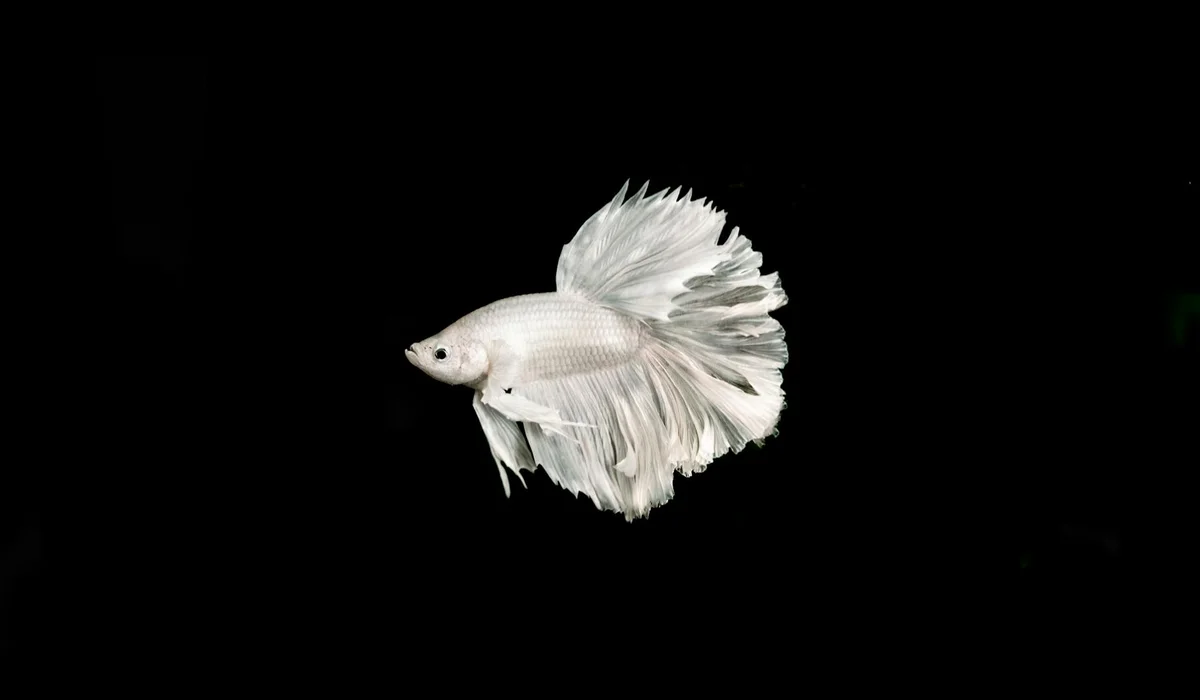
- Betta Fish: While stunning, a betta like Captain Fin often does best alone. They need calm tank mates, warm water (78-80°F), and gentle filter flow.
For your first community tank, a 20-gallon setup with a school of danios, a group of corydoras, and a few platies creates a dynamic and manageable ecosystem. A stable, established freshwater community is a joy to watch and teaches you the rhythms of aquarium care. If you’re deciding between a species-only tank and a community tank, this setup provides a practical reference for what works well together in a shared space. This can help you choose your setup style in our species-only vs. community tank guide.
Best Saltwater Fish for a Gentle Start
Saltwater requires more precision, but some fish are tougher than others. Your goal is a peaceful Fish-Only-With-Live-Rock (FOWLR) tank.
- Clownfish: The classic beginner marine fish. They are resilient, have great personality, and accept prepared foods eagerly. They thrive at 78°F with a specific gravity of 1.023-1.025.
- Damselfish: Very hardy and inexpensive, but many species can be territorial. The Azure Damsel is one of the more peaceful options.
- Firefish Goby: A beautiful, slender fish that adds movement to the upper water column. They are shy and need plenty of rockwork with hiding places.
- Blennies and Gobies: Species like the Lawnmower Blenny are full of character and help control algae. They are generally peaceful and adapt well to captivity.
I recommend starting with a pair of Ocellaris Clownfish in a tank no smaller than 30 gallons. Patience is your greatest tool in saltwater; wait until your tank is fully cycled and stable before adding any fish. The initial investment is higher, but the shimmer of a healthy saltwater fish is truly unmatched.
| Aspect | Freshwater Beginner Fish | Saltwater Beginner Fish |
|---|---|---|
| Cost per Fish | $3 – $15 | $20 – $60+ |
| Hardiness | Very high; tolerant of minor parameter shifts | Moderate; require stable, precise water chemistry |
| Community Temperament | Generally very peaceful | Can be semi-aggressive; careful selection is key |
The Rhythm of Care: Ongoing Maintenance Compared
Think of maintenance as the steady heartbeat of your aquarium. A consistent, manageable routine keeps the ecosystem thriving. The daily and weekly tasks differ greatly between freshwater and saltwater, and this is often where beginners find their comfort zone. Understanding these tasks and their frequency is crucial for the health of your aquatic environment.
Freshwater Maintenance: A Manageable Routine
Your weekly freshwater ritual is straightforward. I dedicate about thirty minutes each weekend to my tanks, and it feels more like meditation than a chore.
A stable freshwater tank is forgiving of small mistakes, giving you a buffer as you learn the ropes of aquatic care.
Here is a typical weekly checklist:
- Perform a 10-25% water change using a simple siphon hose.
- Vacuum the substrate to remove fish waste and leftover food.
- Wipe the inside glass with an algae scraper or a clean magnet.
- Rinse filter media in the water you just removed from the tank. This preserves beneficial bacteria.
- Test key water parameters: pH, Ammonia, Nitrite, and Nitrate.
You can use tap water treated with a dechlorinator for changes. The equipment is simple and affordable. My fish, like Shadow the Corydoras, often become more active during a water change, curiously investigating the siphon tube.
Saltwater Maintenance: Precision and Patience
Saltwater care is a science. It demands precision and a deeper understanding of water chemistry. The margin for error is smaller, and the equipment list is longer.
Successful saltwater keeping hinges on your commitment to testing and adjusting the water with near-scientific accuracy.
Your weekly routine expands significantly:
- Water Mixing: You cannot use tap water. You must mix reverse osmosis (RO/DI) water with a synthetic sea salt mix at least 24 hours in advance, using a powerhead to ensure it’s fully dissolved.
- Salinity Checks: You must measure the water’s specific gravity with a refractometer before every water change to ensure stability.
- Parameter Testing: Beyond the basics, you’ll regularly test for Alkalinity, Calcium, and Magnesium to support coral and invertebrate health.
- Equipment Upkeep: Protein skimmers need their collection cups emptied. Auto-top off systems must be checked to compensate for evaporation, which changes salinity.
The hum of a saltwater tank is different-it’s the sound of a protein skimmer bubbling and powerheads creating a surge. It’s a beautiful, complex system that rewards meticulous attention to detail.
Water Wisdom: Understanding Your Tank’s Chemistry
Think of your aquarium water as a living, breathing soup that your fish are constantly drinking and living in. Getting the recipe right is the single most important factor for a thriving tank, and this is where freshwater and saltwater systems truly diverge. The tools and attention to detail required are on completely different levels.
Keeping a Freshwater Balance
Freshwater chemistry is generally more forgiving, which is a huge relief for a newcomer. Your main focus will be on a few key parameters. I test my own freshwater tanks weekly. Regular testing helps you monitor and maintain proper water parameters in your aquarium. With consistent checks, you can spot problems early and keep the water stable.
- pH Level: This measures how acidic or alkaline your water is. Most community fish, like tetras and corydoras, prefer a neutral pH around 7.0. You can gently adjust it with natural items like driftwood (lowers pH) or crushed coral (raises pH).
- General Hardness (GH): This is the amount of dissolved minerals, like calcium and magnesium. Soft water fish, such as discus, need low GH, while livebearers like guppies thrive in harder water.
- Carbonate Hardness (KH): This is your water’s buffering capacity. It acts like a shield for your pH, preventing it from crashing suddenly. A good KH keeps your environment stable.
- The Nitrogen Cycle: This is non-negotiable. Beneficial bacteria in your filter convert toxic ammonia from fish waste into nitrite, and then into less harmful nitrate. You must confirm this cycle is fully established with a liquid test kit before adding any fish.
For most freshwater setups, performing a 25-30% water change every week or two with a good water conditioner is enough to keep nitrates in check and the environment healthy.
Mastering Saltwater Stability
Saltwater aquariums demand a much finer touch. The parameters are more specific and interconnected, and fluctuations can cause rapid stress. I test my saltwater tank parameters every few days.
- Salinity & Specific Gravity: This is your foundation. You’re not just adding salt; you’re creating an entire ocean in a box. You must mix salt into purified RODI water before it goes in the tank. Specific gravity, measured with a refractometer, should stay stable, typically between 1.023 and 1.025.
- Alkalinity: In a reef tank, this is paramount. It directly impacts the ability of corals to build their skeletons. Alkalinity swings are a primary cause of coral loss.
- Calcium and Magnesium: These elements are consumed by corals and coralline algae. In a fish-only tank, levels are less critical, but for a reef, you must test and replenish them regularly, often with automated dosing systems.
The stability of your saltwater parameters is far more critical than chasing a “perfect” number that constantly changes. The hum of a protein skimmer and the routine of mixing saltwater become part of your life. Evaporation will affect salinity, so an auto-top off system is a fantastic investment to maintain that crystal-clear saltwater stability.
Making Your Choice: A Guide for the New Aquarist
So, you’re standing at the crossroads, trying to decide which path to take. I’ve been there. Let’s break down the decision into three simple questions you can ask yourself. Your honest answers will point you toward the perfect starter aquarium for your lifestyle and goals.
1. What’s Your Realistic Budget?
Let’s talk numbers. Your initial investment is more than just the price of the tank. You need to consider the entire setup and the long-term running costs.
- Freshwater: Your startup cost for a complete 20-gallon freshwater kit is often under $200. A bag of aquarium sand or gravel is inexpensive. Your monthly electricity cost to run the heater and filter is minimal.
- Saltwater: A basic 20-gallon saltwater setup can easily cost $500-$800 to start. You need a powerful light for corals, a protein skimmer, and live rock, which is sold by the pound. Mixing your own saltwater or buying pre-mixed adds a recurring expense.
For most people starting out, the financial accessibility of a freshwater tank removes a huge amount of pressure and allows you to learn without fear of costly mistakes.
2. How Much Time Can You Commit?
Think about your weekly schedule. Are you looking for a relaxing hobby or a demanding project?
Here’s a typical weekly time commitment for a stabilized tank:
- Freshwater Maintenance:
- Quick visual check of fish and equipment daily (2 minutes).
- One 20-30% water change per week (20-30 minutes).
- Glass cleaning and filter media rinse in old tank water (10 minutes).
- Saltwater Maintenance:
- Daily checks on temperature, salinity, and protein skimmer function (5-10 minutes).
- Frequent testing for alkalinity, calcium, and magnesium if you have corals.
- Water changes can be more complex, involving mixing salt for 24 hours beforehand.
A freshwater tank offers a more forgiving schedule, making it easier to maintain a consistent routine that keeps your fish healthy and your stress levels low.
3. What Kind of Aquatic Life Captivates You?
This is the fun part! Your choice ultimately comes down to which underwater world you want to create in your living room.
- If you love variety and personality: Freshwater is your arena. You can create a bustling community tank with tetras, corydoras, and a show-stopping betta like my Captain Fin. The options for live plants are vast and affordable, creating a lush, green oasis.
- If you’re mesmerized by living rainbows and otherworldly shapes: Saltwater is the only way to get the electric blues and vibrant yellows of clownfish, tangs, and the endless forms of coral. It’s like owning a piece of the reef.
I always advise beginners to fall in love with the process of keeping water stable first; the spectacular fish will follow as your skills grow. Starting with a hardy freshwater community builds the foundational knowledge you can use for any aquarium in the future.
Common Questions
What is the main difference between a freshwater and saltwater aquarium for a beginner?
The main difference lies in complexity and cost. A freshwater aquarium uses treated tap water, simpler equipment, and generally has more stable, forgiving water chemistry. A saltwater aquarium requires creating and maintaining synthetic seawater with precise salinity, more advanced filtration, and a greater focus on testing and stabilizing a wider range of water parameters.
Can you give examples of popular freshwater and saltwater fish for beginners?
Popular beginner-friendly freshwater fish include hardy and peaceful species like Platies, Guppies, Zebra Danios, and Corydoras Catfish. If you’re wondering which freshwater fish are the easiest for beginners, these species are widely regarded as top choices. For saltwater beginners, the best starter fish are resilient species like the Ocellaris Clownfish, certain Damselfish, and Firefish Gobies, which are more adaptable to life in captivity.
Which type of aquarium requires more maintenance?
A saltwater aquarium requires significantly more precise and frequent maintenance. This includes mixing saltwater in advance, daily equipment checks, and regular testing of specific parameters like salinity, alkalinity, and calcium. Essential water testing equipment helps maintain healthy aquarium parameters by providing accurate readings of salinity, alkalinity, calcium, and other key metrics. Regular use of reliable test kits and meters enables timely adjustments to keep the environment stable. Freshwater aquarium maintenance is more straightforward, typically involving weekly water changes with treated tap water and testing for basic nitrogen cycle compounds.
What percentage of the world’s water is freshwater versus saltwater?
Only about 2.5-3% of the Earth’s water is freshwater, with most of it locked in glaciers and ice caps. The vast majority, roughly 97%, of the planet’s water is saltwater found in the oceans. This scarcity is why creating a stable saltwater environment in an aquarium requires such careful artificial replication.
Your First Tank Awaits
Freshwater aquariums are your best starting point, offering simpler maintenance and kinder budgets for new fish keepers. Begin with resilient fish like bettas or platies to enjoy success while you learn the ropes of water chemistry.
Always put your fish’s health first by testing water regularly and providing a clean, stable home. Stay curious and connected with fellow aquarists to grow your skills and ensure your aquatic pets thrive for years.
Further Reading & Sources
- Saltwater Aquarium vs Freshwater Tank – Pros & Cons
- r/Aquariums on Reddit: Should I get freshwater or saltwater?
- What’s the Difference Between a Saltwater and a Freshwater Aquarium Aside From the Salt? | Reef2Reef
- Saltwater vs Freshwater Aquarium: Which Side Are You On? | Serenity Aquarium & Aviary Services
- Freshwater Vs Saltwater – General Chat – Aquarium Co-Op Forum
Lia is an expert in aquarium and pet fish care. Having worked in the marine industry and having cared for multiple pet fish, she has acquired first hand expertise on aquarium care, maintenance and setup. She always brings her practical expertise and science to help solve any aquarium related queries.
Water Quality