
The Apartment Aquarium: Your Compact Guide to a Thriving Underwater World
Hello fellow aquarists! I see you dreaming of a shimmering aquarium but wondering how to fit that slice of aquatic life into your apartment space. You’re not alone in navigating the challenges of limited square footage and rental rules.
This guide will walk you through everything you need to know, covering:
- Choosing the perfect tank size and shape for your space
- Mastering quiet filtration and equipment to keep the peace
- Smart stocking choices for a healthy, small-scale ecosystem
- Handling water changes and maintenance with ease
- Navigating landlord agreements and safety proactively
I’ve successfully kept everything from nano shrimp tanks to complex planted systems in apartments for over a decade.
Choosing Your Apartment-Friendly Aquarium
Finding the right tank is your first step to a successful apartment aquarium. You don’t need a giant tank to enjoy this hobby.
Ideal Tank Sizes for Apartments
Smaller setups are your best friend here. They fit on desks, countertops, and sturdy shelves.
For beginners, a 5 to 10-gallon freshwater tank is the sweet spot-it’s large enough to be stable but small enough to manage in a compact space.
Even a simple 3-gallon tank can become a stunning shrimp or snail habitat.
- 5-Gallon Tank: Perfect for a single betta or a few small shrimp. It’s the most versatile small size.
- 10-Gallon Tank: Offers more stability for water chemistry. You can keep a small school of nano fish here.
- Desktop & Cube Tanks: These have a smaller footprint, fitting perfectly in corners or on a home office desk.
Glass vs. Acrylic Tanks
The material of your tank matters for both durability and weight. I’ve owned both types over the years.
- Glass Tanks: They are scratch-resistant and often less expensive. The weight is a downside, but the clarity is unmatched.
- Acrylic Tanks: These are much lighter and more impact-resistant. They are easier to carry up flights of stairs. The trade-off? They scratch very easily if you’re not careful during cleaning.
If you’re worried about moving day or have shaky floors, the lighter weight of an acrylic tank can be a major advantage.
Space-Saving Placement Ideas
Think creatively about your space. A well-placed tank becomes a living piece of art.
- Use a sturdy, deep bookshelf as an aquarium stand.
- Place a long, low tank (like a 20-gallon long) on a solid console table against a wall.
- Corner tanks are designed specifically to utilize often-wasted space.
- Ensure the location is away from direct sunlight to prevent algae and temperature swings.
Always place your tank on a level, solid surface that can support its total weight without any wobble.
Apartment Policy and Weight Considerations
This is the most practical, and often overlooked, step. A filled aquarium is incredibly heavy.
- A 10-gallon tank weighs over 100 pounds. A 20-gallon can be over 200 pounds.
- You must speak with your landlord or check your lease agreement before setting up any tank. Some buildings have strict size limits or ban them entirely.
- Distribute the weight by placing the tank against a load-bearing wall, preferably perpendicular to the floor joists.
- Use a high-quality aquarium pad underneath the tank to protect your furniture and floor from water damage.
Being a responsible aquarist means ensuring your hobby doesn’t damage your rental or disturb your neighbors.
Picking the Perfect Fish for Small Spaces
Choosing the right inhabitants is crucial. In a smaller tank, every fish’s personality and needs are magnified.
Low Maintenance Fish & Invertebrates
You want fish that are hardy and don’t require a massive swimming area. My feisty betta, Captain Fin, is a perfect example of a fish with a huge personality in a small package.
- Betta Fish: A single male or female betta thrives in a 5-gallon tank. They are personable and come in breathtaking colors.
- Nano Fish: Ember Tetras, Chili Rasboras, and Endler’s Livebearers are tiny, peaceful, and perfect for a small school in a 10-gallon.
- Shrimp & Snails: Neocaridina Shrimp (like Cherry Shrimp) are fascinating to watch and excellent cleaners. Nerite Snails are algae-eating machines.
A small tank with a vibrant shrimp colony can be just as engaging as a large fish-only aquarium.
Fish Compatibility in Confined Tanks
A small tank is not the place for territorial disputes. Aggression spreads quickly in a confined space.
- Avoid mixing fin-nippers (like some Tiger Barbs) with slow-moving, long-finned fish like bettas.
- Stick to one centerpiece fish, like a betta or a dwarf gourami, and pair it with very peaceful bottom dwellers like Corydoras.
- My Corydoras, Shadow, is a perfect tankmate because he minds his own business at the bottom of the tank.
Research is non-negotiable. A fish’s adult size and temperament are far more important than its size when you buy it.
Avoiding Overcrowding
It’s tempting to add “just one more fish,” but overstocking is the fastest way to poor water quality and stressed, sick fish.
- Follow a modified stocking guide. The classic “one inch of fish per gallon” is a starting point, but it fails for tall-bodied fish like goldfish.
- Goldie, my Oranda, may be social, but she produces a lot of waste and needs a much larger tank than an apartment can usually handle.
- Prioritize surface area over gallonage. A long, shallow tank holds more oxygen and offers more swimming room than a tall, narrow one of the same volume.
When in doubt, understock. A lightly stocked tank is easier to maintain, clearer to look at, and much healthier for your aquatic pets.
Essential Equipment for a Compact Setup
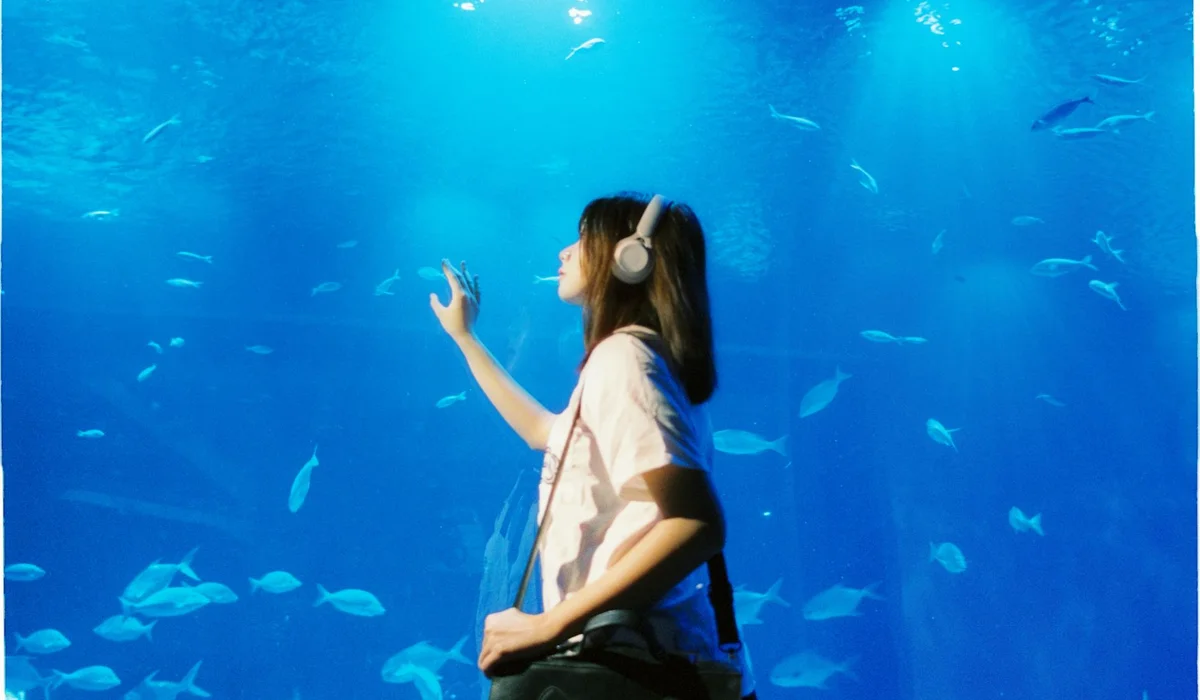
Choosing the right gear is the secret to a peaceful and efficient apartment aquarium. You want equipment that hums quietly in the background, not something that competes with your television.
Quiet Filtration Systems
For near-silent operation, you can’t beat a simple sponge filter powered by an air pump. The gentle bubbling is often the only sound. Understanding how sponge filters work and how to set them up helps maximize that quiet performance. They work by pulling water through a sponge with an air pump, providing biological filtration. I personally use sponge filters in my betta and shrimp tanks because they are incredibly quiet and provide a safe, gentle flow. If you prefer a hang-on-back filter, look for models specifically advertised as “quiet” or “silent,” and always ensure the water level in your tank is high enough to prevent a waterfall noise.
Energy-Efficient Heaters and Lighting
Modern LED lights are a game-changer for apartment dwellers. They produce very little heat, use a fraction of the electricity of old fluorescent bulbs, and last for years. For heaters, a fully submersible, adjustable model is your best bet. An adjustable heater allows you to set the perfect temperature for your specific fish, which is far more reliable and energy-efficient than a preset one. Always use a heater guard with curious fish like goldfish to prevent accidents.
Must-Have Water Testing Kits
Your apartment tank’s health is completely dependent on invisible water chemistry. A liquid test kit for ammonia, nitrite, and nitrate is non-negotiable. Test strips are convenient, but liquid kits are far more accurate and last longer. Testing your water weekly is the single most effective habit you can develop to prevent fish loss and maintain a crystal-clear tank. It’s your early warning system for any problems. Essential aquarium water testing kits—use them regularly to stay ahead of trouble. Regular use helps you maintain stable chemistry and a healthy tank.
Budget Options and DIY Hacks
You don’t need to spend a fortune. A simple glass aquarium is often cheaper than a branded “kit.” For a cheap and effective lid, use a custom-cut piece of polycarbonate from a hardware store. My favorite DIY hack is using a one-gallon plastic jug, pre-filled with treated water and stored at room temperature, for easy, stress-free water changes. This prevents temperature shock for your fish and makes the weekly task a breeze. Building a custom DIY lid or hood is another cost-saving measure.
Step-by-Step Beginner Aquarium Setup
-
Selecting a Location and Preparing the Stand
Find a spot away from direct sunlight and drafts from windows or air vents. Direct sun guarantees an algae explosion. Ensure your floor is level and your stand is rated for the tank’s weight—a filled 10-gallon tank weighs over 100 pounds. Place a level on your stand before the tank goes on; an uneven tank puts dangerous stress on the seams and can lead to leaks, so it’s crucial to properly level your aquarium stand. I always put a foam mat designed for aquariums underneath the tank for extra support and to level out tiny imperfections.
-
Explaining the Tank Cycling Process
Cycling is simply growing beneficial bacteria that eat toxic fish waste. You must do this before adding fish. Add a tiny pinch of fish food daily or a few drops of pure ammonia to feed the invisible bacteria. In the fishless ammonia cycling method, you deliberately add ammonia and let the beneficial bacteria establish before any fish are introduced. This safe approach avoids exposing fish to toxic ammonia during cycling. Think of cycling like building a city’s waste management system; you wouldn’t move people in before the sewage plant is running. Use your test kit to track the cycle – it’s complete when ammonia and nitrite read zero and you have some nitrate.
-
Aquascaping Ideas and Decor
Start with a layer of rinsed substrate. Then, place hardscape like rocks and driftwood first, pushing them slightly into the gravel for stability. Plant live plants like Java Fern and Anubias around them; these are low-light champions. Using the “rule of thirds” in your aquascape creates a more dynamic and visually appealing layout that feels natural and balanced. Leave some open swimming space and create hiding spots with decor to make all your fish, from feisty bettas to shy corydoras, feel secure.
-
Spill and Leak Prevention
During setup, keep a large towel and a small siphon hose nearby to manage spills instantly. When filling the tank, place a small plate or bowl on the substrate and pour water onto it to avoid disturbing your layout. Always do a 24-hour leak test with your empty tank set up on its stand in its final location before you add any substrate or decor. This simple step can save you from a catastrophic water disaster on your apartment floor.
Maintaining Your Apartment Tank Ecosystem
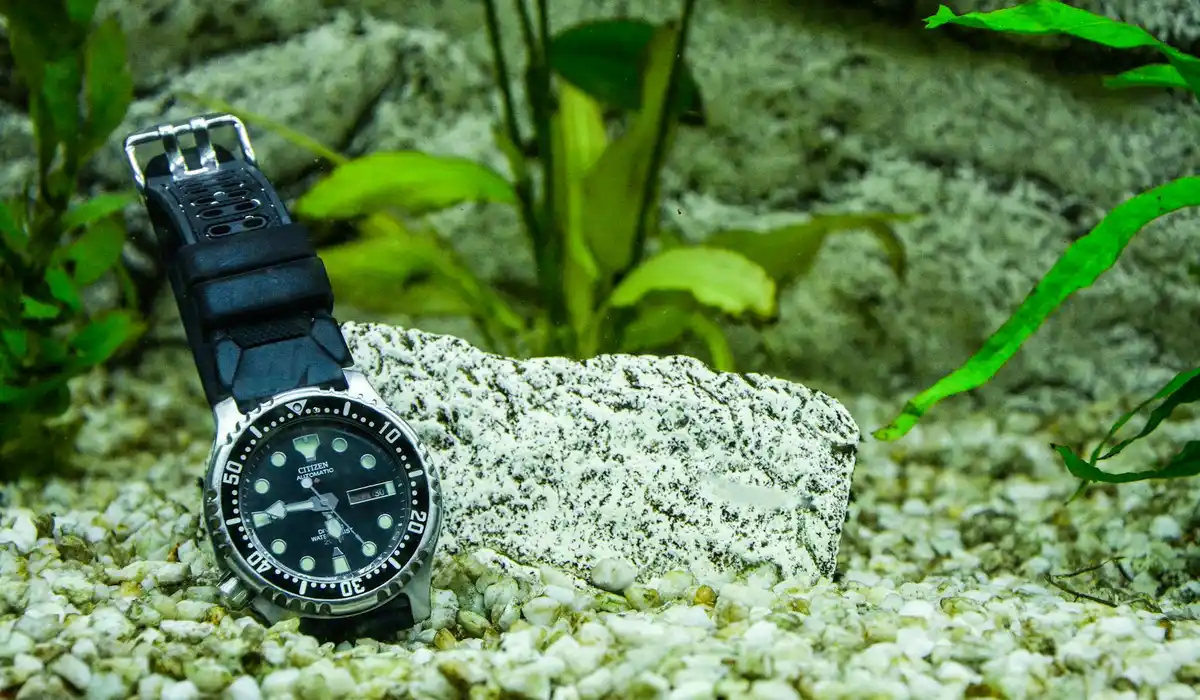
Your apartment tank is a tiny, self-contained world, and its health hinges on a simple, consistent routine. I’ve found that a regular schedule is the single biggest factor in preventing major problems down the line. It keeps the water crystal clear and your fish, like my feisty betta Captain Fin, vibrant and active.
Your Weekly & Monthly Maintenance Schedule
Don’t let the word “maintenance” intimidate you. Think of it as a quick weekly check-in with your underwater friends.
- Weekly: Perform a 15-25% water change. Use a gravel vacuum to siphon out waste from the substrate right during the water change-it’s a two-for-one task.
- Weekly: Wipe down the inside glass with an algae pad to remove any early film.
- Monthly: Gently rinse filter media in the bucket of old tank water you’ve just removed. This preserves the beneficial bacteria while cleaning out gunk.
- As Needed: Prune overgrown plants and remove any dead leaves.
Winning the Battle Against Algae
In a small apartment tank, algae can feel like it appears overnight. The key is to control the resources it needs to grow: light and nutrients.
- Control Your Lights: Set a timer for your aquarium light for no more than 6-8 hours a day. This one change dramatically reduces algae.
- Manual Removal: For glass, a magnetic algae scraper is a space-saver. For plants and decor, a simple toothbrush works wonders.
- Get an Algae Crew: A small group of Amano shrimp or a nerite snail will tirelessly graze on algae without overpopulating your tank.
The Non-Negotiable Habit: Water Testing
You can’t manage what you don’t measure. Your fish are living in their own waste, and only a test kit can tell you if the water is safe. Regular checks should cover essential water quality parameters like ammonia, nitrite, nitrate, pH, and dissolved oxygen. By using a reliable test kit or monitor, you can track these values and keep your tank water safe.
- Test for ammonia and nitrite weekly-they should always be at zero.
- Check nitrate levels before your weekly water change; keep them below 20 ppm.
- A liquid test kit is far more accurate and reliable than test strips. Knowing your water parameters is like having a constant report card on your tank’s health.
Space-Saving Maintenance Hacks
Limited counter space means you need to be clever with your tools and technique.
- Dedicate one small bucket or container solely for aquarium use.
- Use a Python-style siphon or a small gravel vacuum that hooks directly to your sink faucet to eliminate the need for carrying heavy buckets.
- Keep all your supplies-test kit, fish food, algae pad-in a single, compact caddy you can tuck away in a closet.
Handling Apartment-Specific Challenges
Living in an apartment adds a unique layer of considerations to fishkeeping. Proactively managing these factors is what separates a good apartment aquarist from a stressed-out one. A little foresight keeps both your tank and your landlord happy.
Controlling Humidity and Odors
A healthy, well-maintained tank should not smell. If you notice a foul odor, it’s a red flag for decaying matter or poor water quality.
- Always use a tight-fitting hood or lid on your tank. This is the number one way to reduce evaporation and control humidity.
- Improve air circulation in the room with a small, quiet fan, especially in humid climates.
- Promptly remove any dead plant leaves or uneaten food, as these are the primary sources of bad smells.
Keeping the Peace: Managing Noise
The gentle hum of a filter can be soothing, but the buzz of a faulty pump or the splash of a filter outlet can be annoying, especially in close quarters.
- Choose equipment known for being quiet. Internal canister filters or small hang-on-back models with adjustable flow are excellent choices.
- Place a foam padding mat under the tank and filter to dampen vibrations that transfer through the furniture.
- Adjust the water level so the filter output hits the water surface directly, eliminating a trickling sound.
Navigating Rental Agreements and Pet Fees
Be smart and transparent to avoid any issues with your landlord.
- Read your lease agreement carefully. Some specify “no pets” which can sometimes be interpreted to include fish tanks.
- If in doubt, ask for permission in writing. Explain it’s a contained aquarium, not a free-roaming animal.
- Be prepared that some landlords may charge a pet deposit or fee, even for a fish tank, due to the potential water damage risk.
Ensuring Safety and Proper Weight Distribution
Water is incredibly heavy-a standard 10-gallon tank weighs over 100 pounds when full.
- Always place your tank on a stand specifically designed for aquariums or an incredibly sturdy piece of furniture.
- Ensure the stand is level and that the weight is distributed evenly across the floor joists, not just in the center of the room.
- Use a drip loop in all electrical cords to prevent water from traveling down the cord and into the wall outlet. This simple safety step can prevent a shocking situation and potential electrical fire.
Budgeting for Your Apartment Aquarium
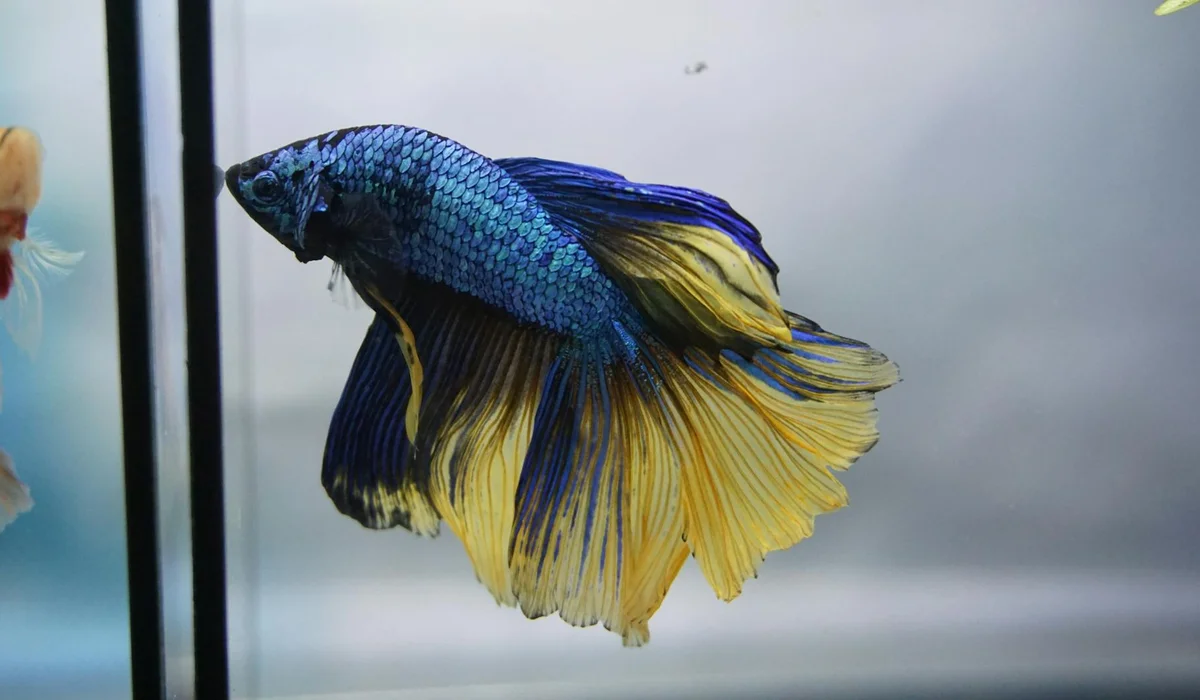
Let’s talk numbers. A common worry is that a beautiful aquarium will drain your wallet, but with some smart planning, it’s far more achievable than you might think. Knowing the full financial picture upfront prevents stressful surprises and lets you enjoy your aquatic hobby to the fullest.
Breaking Down Initial Setup Costs
For a beginner-friendly, budget-conscious apartment tank, a 10-gallon kit is your best starting point. Here’s a realistic breakdown of what you’ll need to get started.
- Tank & Hood: A 10-gallon starter kit often includes a basic hood with light. Expect to pay $40-$70.
- Filter: A reliable hang-on-back filter is crucial. Budget around $25-$40.
- Heater: For most tropical community fish, a 50-watt heater costs $20-$35.
- Substrate: A 10-pound bag of aquarium gravel or sand runs $10-$20.
- Water Conditioner & Test Kit: These are non-negotiable for fish health. A dechlorinator and a master test kit will set you back about $30-$45 combined.
- Decor & Plants: A couple of decorations and a few hardy live plants like Java Fern provide hiding spots. Plan for $25-$50.
Your total initial investment for a solid, no-frills setup will likely land between $150 and $260. This creates a stable environment right from the start.
Estimating Your Monthly Expenses
Once your tank is running, the ongoing costs are pleasantly low. This is where the apartment-friendly nature of a smaller aquarium really shines.
- Fish Food: A high-quality flake or pellet food for a small community will last months. This costs about $5-$10 monthly.
- Water Conditioner: You’ll use this for every water change. Your initial bottle should last 3-6 months, making it roughly $2-$4 per month.
- Filter Media: Instead of buying expensive cartridges, buy a large bag of filter sponge and polyester floss. This one-time $15 purchase can last over a year.
- Utility Impact: A single 10-gallon tank running a filter and heater has a minimal effect. I’ve tracked mine, and it adds less than $5 to my monthly electric bill.
All told, your recurring monthly cost for a well-maintained apartment tank is often under $20. This predictability makes it easy to manage within any budget.
Cost-Saving Tips for Equipment and Maintenance
You can build a thriving ecosystem without overspending. I use these strategies in my own tanks to keep costs down while maintaining excellent water quality.
- Buy Used Smartly: Check local marketplaces for aquarium bundles. You can find incredible deals on full setups. Just thoroughly clean and disinfect any used equipment with a vinegar solution before using it.
- Ditch the Cartridges: This is my biggest money-saving hack. Replace disposable filter cartridges with a reusable coarse sponge and a bag of ceramic rings. You just rinse them in old tank water during water changes, and they last for years.
- Grow Your Own Plants: Start with easy, fast-growing stem plants like Hornwort or Anacharis. You can trim and replant the cuttings, quickly filling your tank for free. They also help reduce algae by consuming excess nutrients.
- Make Your Own Fish Food: For a special treat, I occasionally make a gel food blend from pureed vegetables, shrimp, and fish. It’s healthier and far cheaper per ounce than many commercial frozen foods.
- Buy Supplies in Bulk: Items like water conditioner, test kit refills, and filter media are significantly cheaper when you purchase larger sizes online or at club auctions.
A little DIY effort and strategic shopping can easily cut your long-term aquarium expenses in half. It allows you to allocate funds to other areas, like upgrading your light or trying a new fish species. Practical tweaks—such as choosing energy-efficient equipment and buying supplies in bulk—offer additional savings on electricity and gear. There are 15 frugal ways to save money on aquarium supplies and electricity.
Common Questions
What are the best fish tanks for apartments?
Smaller tanks between 5 and 10 gallons are ideal for apartments as they fit on desks and sturdy furniture. Tanks with a smaller footprint, like cube or long, low models, utilize space efficiently. For easier moving, consider a lightweight acrylic tank, though glass is more scratch-resistant. Note that tank shape affects fish capacity. Even with the same gallon size, a cube tank and a long tank offer different surface areas and swimming spaces, which changes how many fish you can safely keep.
Will my apartment floor support a fish tank?
A filled aquarium is very heavy; a 10-gallon tank can weigh over 100 pounds. It is crucial to place your tank against a load-bearing wall, perpendicular to the floor joists, for proper support. Always use a level, solid surface and an aquarium pad to distribute weight and protect your floors.
What should I know about my apartment’s fish tank policy?
You must check your lease agreement and speak with your landlord before setting up any aquarium. Some buildings have strict size limits or ban aquariums entirely due to water damage risks. Be prepared that some landlords may require a pet deposit or fee, even for a fish tank. Also, many apartments have weight limits for heavy fixtures, so verify that the tank and stand weight limits won’t exceed the floor load. If the tank is too heavy, consider smaller setups or building-approved alternatives.
What do people on Reddit say about apartment fish tank weight?
On Reddit, the community often emphasizes the importance of calculating the total weight (tank, water, substrate, and stand) and ensuring your floor can handle it. Many users recommend placing larger tanks against walls for structural support and always erring on the side of a smaller, lighter tank if you have any doubts.
Your Apartment Aquarium Adventure Awaits
Start with a tank size that suits your space and pick fish, like peaceful bettas or hardy corydoras, that thrive in smaller environments. For beginners, a quick guide to disease prevention and tank maintenance helps you stay on top of issues before they become problems. Keeping the tank clean and monitoring water parameters now saves trouble later. Consistent water testing and weekly maintenance are your best tools for preventing problems before they start.
Owning fish is a commitment to their well-being, so always observe their behavior and adjust care as needed. The more you learn about water chemistry and fish compatibility, the more rewarding your underwater world will become.
Further Reading & Sources
- Tips for Having an Aquarium in Your Apartment | Vision
- Aquarium Ideas for your House or Apartment | Redfin Feature – Windy City Aquariums
- r/Aquariums on Reddit: First aquarium setup for small apartment living bachelor?
- Apartment Aquariums –
- Good fish tank for a studio apartment | Fish Forum
Lia is an expert in aquarium and pet fish care. Having worked in the marine industry and having cared for multiple pet fish, she has acquired first hand expertise on aquarium care, maintenance and setup. She always brings her practical expertise and science to help solve any aquarium related queries.
Water Quality