
The Planted Tank Algae Fix: Your Clear Path to a Balanced Aquarium
Hello fellow aquarists. I see you there, staring at that green film on the glass or the fuzzy tufts on your favorite Anubias. You’ve worked so hard on your aquascape, and now algae is trying to take over. I get it, and I’m here to tell you that a crystal-clear, thriving planted tank is absolutely within your reach.
This guide will walk you through the core strategies for reclaiming your aquarium. We will cover:
- Smart light management to starve algae at its energy source.
- The delicate nutrient balance between feeding your plants and feeding algae.
- Choosing the right algae-eating crew for your specific setup.
- Effective manual removal techniques for immediate results.
I’ve battled every type of algae in my own high-tech tanks over the years, and I’ve learned that the real secret isn’t a single magic bullet, but a consistent, balanced approach.
Understanding Algae and Why It Grows in Planted Tanks
Algae is a simple plant that thrives on the same core ingredients your prized aquatic plants do: light, water, and nutrients. Think of your tank as a garden; when your desired plants are healthy and growing fast, they out-compete the “weeds” (algae) for resources. The moment this balance tips in favor of algae, you’ll see it start to colonize your glass, decor, and plant leaves. It’s not an invader from the outside, but a symptom of an imbalance inside your ecosystem. If you’re unsure about whether algae is good or bad for your setup, it’s important to understand its role in your aquarium ecosystem.
The Role of Light in Algae Development
Light is the engine of photosynthesis for both your plants and algae. Too much of it, especially for too long, is like leaving the buffet open 24/7 for algae. I’ve found that photoperiod, or how long your lights are on each day, is the most common culprit for beginners.
- Duration: Keep your lights on for no more than 6-8 hours a day. Use a simple timer; it’s a game-changer.
- Intensity: If you have low-light plants, you don’t need a blindingly powerful light. High light without sufficient plant mass and CO2 is an open invitation.
- Spectrum: Full-spectrum LED lights that favor the red and blue wavelengths are best for plant growth and less beneficial for many algae types.
Reducing your photoperiod by just an hour or two can dramatically slow down algae growth without harming your plants.
Nutrient Imbalances That Trigger Algae
Your aquarium is a closed system, and every fish flake or fertilizer dose adds to the nutrient load. The goal is to have your plants consume these nutrients faster than the algae can. An imbalance occurs when one nutrient is disproportionately high or low.
- Nitrates (NO3): Often high from fish waste and overfeeding. Aim to keep levels below 20 ppm for a planted tank.
- Phosphates (PO4): Comes from food and decaying matter. A sudden spike, paired with low nitrates, can trigger certain algae.
- Other Fertilizers: An excess of iron or a deficiency in potassium can also cause specific algae types to appear.
Consistency is more important than perfection; erratic fertilizer dosing creates the fluctuating conditions algae loves.
Identifying Common Types of Algae in Planted Aquariums
Knowing your enemy is half the battle won. Each algae type gives you a direct clue about what’s out of balance in your tank. Here’s a quick guide to the usual suspects.
Green Hair Algae
This algae forms long, fine, thread-like strands that wave in the current. It’s often bright green and feels soft and slimy to the touch.
- Causes: Typically high light levels combined with low CO2 or fluctuating CO2. It can also appear in tanks with low nitrate levels.
- Removal: Manually wrap it around a toothbrush and twist to pull it out. Address the root cause by checking your CO2 consistency and possibly reducing light intensity.
This is one of the easier algae to remove manually, giving you a head start on fixing the underlying issue.
Brown Algae (Diatoms)
Appears as a dusty, brown film that coats glass, substrate, and decorations. It wipes away very easily but often returns quickly.
- Causes: Most common in new tanks that are still cycling, as it feeds on silicates leaching from new substrate and sometimes high phosphate levels. It usually disappears on its own as the tank matures.
- Cleaning: Simply wipe the glass and vacuum the substrate. Otocinclus catfish and nerite snails will happily consume it.
If brown algae persists in an established tank, check your tap water for high silicate levels.
Blue-Green Algae (Cyanobacteria)
This isn’t a true algae but a photosynthetic bacteria. It forms dense, slimy mats that smell musty and can be blue-green, black, or even reddish-purple.
- Causes: Often linked to very low nitrate levels, poor water circulation, and decomposing organic matter trapped in the substrate.
- Treatment: Improve flow in the affected area, manually remove the mats via siphon, and ensure your nitrates are detectable (above 5 ppm). In stubborn cases, an erythromycin treatment is effective but should be a last resort.
That distinct earthy smell is a dead giveaway you’re dealing with cyanobacteria and not a standard algae.
Black Beard Algae
Also known as BBA, this algae forms dense, wiry tufts that look like a black or dark grey fuzz. It grips incredibly tightly to surfaces like driftwood, plant leaves, and filter outlets.
- Causes: Primarily caused by inconsistent CO2 levels. If your CO2 concentration swings wildly throughout the day, BBA often appears.
- Removal Techniques: Spot-treating with a liquid carbon supplement (like glutaraldehyde) using a syringe can kill it. Affected leaves can be trimmed. For decor, take it out and dip it in a bleach solution (1 part bleach to 20 parts water) for a few minutes, then rinse thoroughly.
Stabilizing your CO2 injection is the single most effective long-term strategy for beating Black Beard Algae.
Preventing Algae Through Balanced Tank Conditions
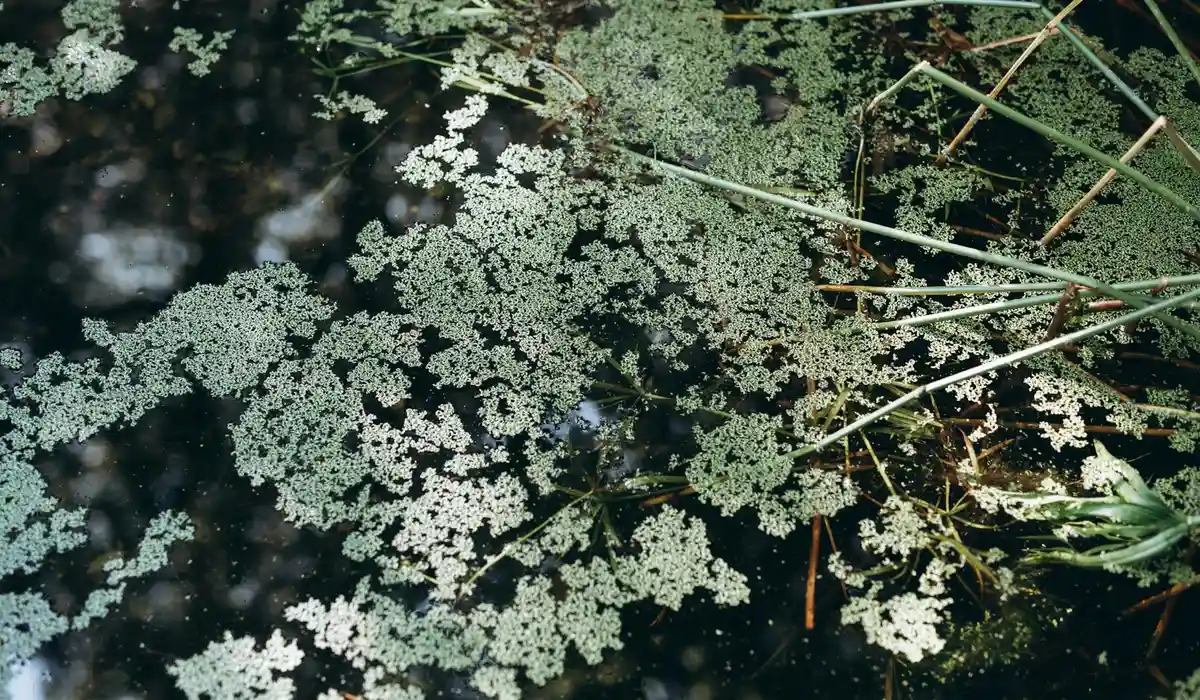
Keeping algae at bay starts with creating an environment where your plants thrive and algae can’t get a foothold. Think of your tank as a tiny ecosystem where balance is everything-when plants are happy, algae simply can’t compete for resources. Balancing nutrients—ensuring plants get what they need without oversupplying—helps curb algae. In planted tanks, a steady nutrient balance directly prevents algae growth. I’ve seen this firsthand in my own setups; a well-balanced tank stays clearer and healthier with less effort on your part.
Optimizing Light and CO2 Injection
Light and CO2 work together like a dance-get the rhythm right, and your plants will grow strong enough to shade out algae. I set my lights on a timer for 6-8 hours daily, avoiding the intense midday sun effect that sparks algae blooms. Here’s how to dial it in:
- Use a programmable timer for consistent light cycles, starting with 6 hours and increasing only if plants show slow growth.
- Inject CO2 to maintain 20-30 ppm levels, which you can check with a drop checker-this helps plants use light efficiently without leaving leftovers for algae.
- Position lights 8-12 inches above the water surface to prevent hot spots that encourage green dust algae on the glass.
In my tank, adding CO2 made the plants perk up within days, and that vibrant green glow meant less scrubbing for me. You will notice your plants growing denser, which naturally blocks light from reaching potential algae spots on the substrate or decorations.
Managing Nutrients and Fertilizers
Nutrients are like food for your plants, but too much or too little can invite algae to the party. Test your water weekly for nitrates and phosphates, aiming for 10-20 ppm nitrates and 0.5-1 ppm phosphates in a planted tank. It’s also important to understand what causes high nitrate levels in aquariums and how to control them. I use liquid test kits and adjust based on what my plants tell me-if leaves yellow, I dose more; if algae appears, I cut back. Follow this dosing routine:
- Dose macronutrients (like nitrogen, phosphorus, potassium) after water changes to replenish what plants consume.
- Add micronutrients (iron, manganese) in small, regular amounts to prevent deficiencies that slow plant growth.
- Use root tabs for heavy feeders like swords or crypts, which reduces excess nutrients in the water column.
When I over-fertilized once, my tank turned cloudy with algae, but reducing doses and increasing plant mass fixed it fast. Balancing nutrients means your plants soak up everything, leaving nothing for algae to feast on. This is one of the common planted-tank pitfalls that can turn your setup into an algae farm. Keep dosing in check and monitor plant growth to prevent it.
Regular Maintenance Routines
Consistent upkeep stops nutrient buildup before it becomes an algae buffet. Stick to a weekly routine of 25-30% water changes to dilute dissolved organics and reset your tank’s chemistry. Regular testing helps you maintain proper water parameters in your aquarium. Test for ammonia, nitrite, nitrate, pH, and temperature, and adjust your routine as needed. Here’s my go-to checklist:
- Change water with a siphon, vacuuming the substrate to remove detritus and uneaten food-this keeps nitrates low.
- Rinse filter media in old tank water monthly to preserve beneficial bacteria while clearing gunk that harbors algae spores.
- Trim dead plant leaves and thin out overgrowth to improve water flow and light penetration to all areas.
After adopting this routine, my fish like Shadow the Corydoras became more active, foraging in a cleaner environment. Regular maintenance not only controls algae but also keeps your whole tank lively and stable.
Step-by-Step Algae Removal Methods
If algae has already moved in, don’t panic-a systematic approach can clear it up without harming your aquatic friends. Start with gentle methods and escalate only if needed, always prioritizing the health of your plants and fish. I’ve battled everything from green hair algae to brown diatoms, and patience always pays off.
Manual Scrubbing and Cleaning
Hands-on cleaning is your first line of defense, and the right tools make it easy. Use an algae scraper or a clean magnetic glass cleaner for the tank walls, working in smooth motions to avoid scratches. For decorations and plants, try these techniques:
- Scrub rocks and driftwood with a soft-bristled brush under running water to dislodge stubborn patches.
- Gently wipe plant leaves with your fingers or a cotton swab to remove fuzz algae without damaging delicate stems.
- Employ a toothbrush for tight corners or intricate decor, twisting it to wrap and pull off string algae.
When I cleaned my betta Captain Fin’s favorite leaf, he flared his fins as if thanking me for the clearer view. Manual removal gives instant results and reduces the algae load quickly, buying time for other treatments to work.
Using Water Changes and Filtration
Water changes and a robust filtration system flush out algae spores and excess nutrients that fuel growth. Aim for 50% water changes weekly during an outbreak, using a gravel vacuum to suck up algae from the substrate. Here’s how to maximize filtration:
- Clean or replace filter media every 2-4 weeks, but never all at once-this maintains bacteria that break down waste.
- Add filter floss or a fine pad to trap floating algae particles, which you can rinse and reuse.
- Ensure water flow reaches all tank areas to prevent dead zones where algae settles and multiplies.
After increasing water changes in Goldie’s goldfish tank, the water clarity improved dramatically within days. Frequent water changes dilute the very nutrients algae need to survive, making your tank less inviting for future growth.
When to Use UV Sterilizers or Carbon Dosing
For persistent algae like green water or blue-green slime, advanced tools can be a game-changer if used safely. UV sterilizers are great for clearing green water by zapping free-floating algae cells as water passes through the unit. Consider these options only when basic methods fail: Using UV sterilizers for algae control in aquariums can be effective when employed correctly.
- Install a UV sterilizer for 1-2 weeks during severe blooms, but turn it off when adding beneficial bacteria to avoid killing them.
- Use liquid carbon products as an algaecide for stubborn types like black beard algae, dosing carefully to avoid plant shock.
- Always follow product instructions and remove any chemical treatments with carbon filtration after the algae is gone.
I once used a UV sterilizer for a cloudy tank, and the water turned crystal clear without harming my plants or fish. These methods are powerful backups, but rely on them sparingly to maintain your tank’s natural balance.
Enlisting Algae-Eating Helpers for Natural Control
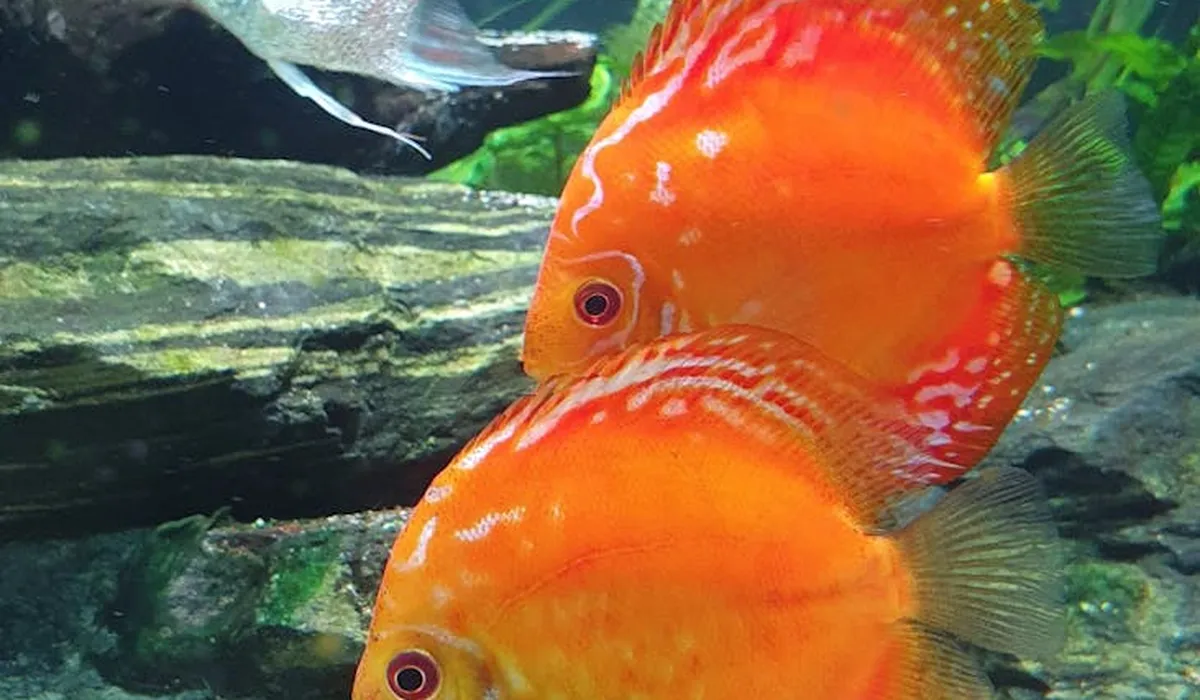
Sometimes, the best solution is to bring in a clean-up crew. These natural grazers can be incredibly effective, but you must choose species that fit your tank’s ecosystem.
Always research the adult size and temperament of any new fish to ensure it’s a good long-term fit for your aquatic family.
Otocinclus Catfish
These tiny, peaceful catfish are absolute machines when it comes to soft, green algae films on glass and plant leaves. I often call them my “living squeegees.”
You should keep them in a group of at least six, as they are shoaling fish that feel secure and behave more naturally in numbers.
- They thrive in established tanks no smaller than 10 gallons with stable, pristine water.
- While they are fantastic algae eaters, you must supplement their diet with algae wafers or blanched vegetables like zucchini.
- They are very sensitive to shifts in water parameters, so they are not ideal for a brand-new, uncycled aquarium.
Amano Shrimp
Amano shrimp are the tireless janitors of the planted tank. They have a huge appetite for many types of nuisance algae, including the dreaded hair and thread algae that few other creatures will touch.
Their transparent bodies with little speckles make them fascinating to watch as they methodically pick over every leaf and hardscape surface.
- They are completely safe with plants and peaceful fish but can be threatened by larger, aggressive tank mates.
- Amano shrimp do best in groups of five or more and prefer tanks with plenty of hiding spots like mosses or driftwood.
- They require stable, oxygen-rich water and are excellent indicators of good tank health.
Nerite Snails
If you need spotless glass and decor, Nerite snails are your best bet. Their rasping mouths are perfect for scraping hard surfaces clean without damaging delicate plant leaves.
One of their biggest advantages is that their eggs require brackish water to hatch, so you will never have a population explosion in your freshwater tank.
- They come in a variety of beautiful, patterned shells like Zebra and Tiger Nerites.
- The main drawback is that they often lay little white, sesame-seed-like eggs on hardscape and glass, which can be difficult to remove.
- They are peaceful, hardy, and can be kept alone or in small groups in tanks of 5 gallons or more.
Advanced Techniques for Stubborn Algae Issues
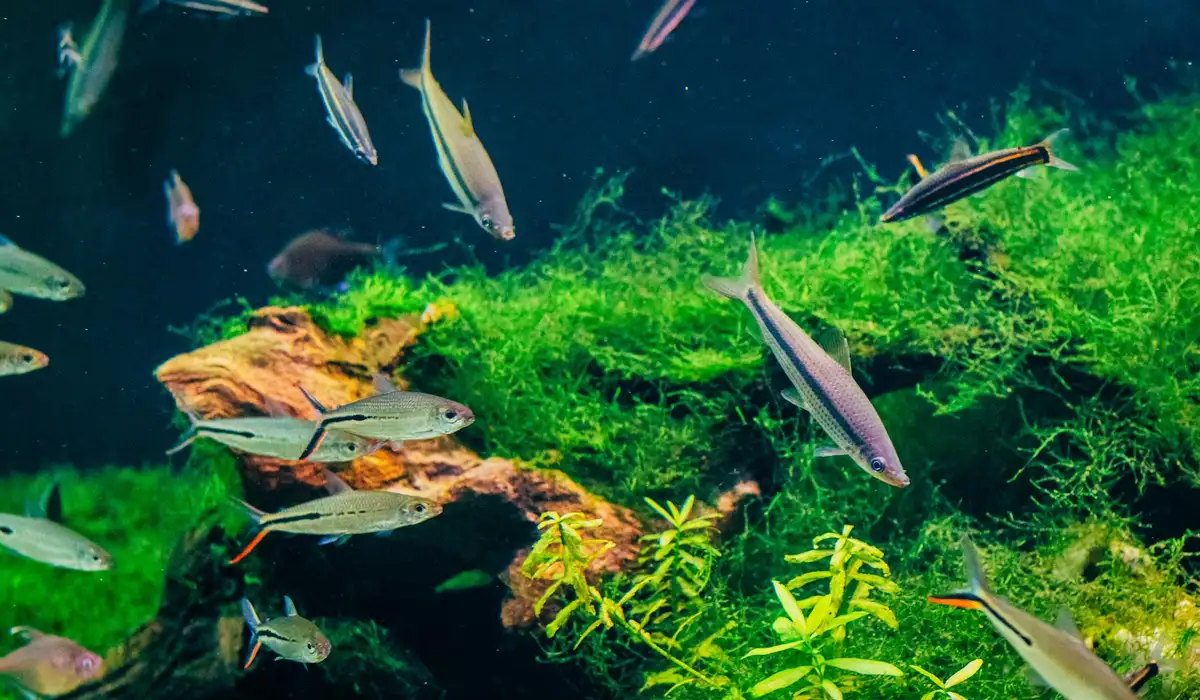
When basic methods and a clean-up crew aren’t enough, it’s time to look at the underlying mechanics of your tank. These strategies tackle the problem at its source.
Advanced control is less about fighting algae and more about fine-tuning your aquarium’s environment to make it inhospitable for them.
Improving Circulation and Substrate Health
Stagnant water is a breeding ground for algae. Dead spots, where water doesn’t move, allow waste to settle and become a buffet for algae spores.
Good water flow ensures nutrients are evenly distributed to your plants and carried toward your filter instead of settling and fueling algae.
- Consider adding a small wavemaker or powerhead to gently circulate water in problem areas, especially in tanks longer than 3 feet.
- Use a gravel vacuum during water changes to gently stir the top layer of your substrate. This prevents detritus from building up and releasing phosphates.
- For soil-based substrates, be careful not to disturb them too deeply, as this can release a massive nutrient spike.
Setting Up a Refugium
A refugium is a separate, connected compartment, usually in your sump, where you can grow macroalgae. This simple concept is a powerhouse for nutrient export.
The macroalgae in the refugium outcompetes the nuisance algae in your display tank for nutrients like nitrates and phosphates, effectively starving it.
- You set up a separate chamber with a light on a reverse photoperiod (on when your main tank light is off).
- You add a fast-growing macroalgae like Chaetomorpha, which soaks up excess nutrients.
- You periodically harvest and remove a portion of the macroalgae, physically taking those nutrients out of your system forever.
This method creates incredible stability and is one of the most effective long-term solutions for a crystal-clear, low-maintenance planted aquarium.
FAQs
Is it safe to use algaecide in a planted aquarium?
Using algaecide can be effective but carries risks, as some products may harm sensitive plants, fish, or beneficial bacteria. Always opt for plant-safe formulas and follow dosage instructions precisely to avoid unintended side effects. It’s best to rely on algaecide only after natural methods like adjusting light and nutrients have failed, and remove any residues with activated carbon after treatment.
How long does an algae bloom typically last in a new tank?
In a newly set up aquarium, an algae bloom often subsides within 2 to 4 weeks as the tank cycles and biological balance stabilizes. This temporary outbreak is common due to excess nutrients from substrate leaching or tap water. Consistent water changes and proper maintenance can help accelerate the process and prevent prolonged issues.
Why is my new planted aquarium experiencing an algae outbreak?
New tanks are prone to algae outbreaks because the ecosystem is still developing, with immature plant growth and fluctuating nutrient levels. Factors like high light exposure, excess silicates from substrate, or inconsistent CO2 can fuel rapid algae colonization. As plants establish and you maintain stable conditions, algae should naturally recede over time. Consider using an algae outbreak checklist to identify the algae type and likely root causes. Once you know the type, you can tailor steps to address light, nutrients, or CO2.
Can low nutrient levels actually cause algae growth?
Yes, insufficient nutrients, such as low nitrates or micronutrients, can slow plant growth and allow algae like blue-green algae (cyanobacteria) to thrive. When plants are nutrient-starved, they can’t outcompete algae for resources, leading to imbalances. Regularly test and adjust fertilization to ensure plants have what they need to suppress algae naturally.
Your Clear-Water Journey Ahead
Focus on creating a balanced ecosystem by managing light exposure and nutrient levels to give your plants the upper hand. Consistent, small water changes and vigilant filter care are the most reliable ways to keep algae from clouding your underwater world. Regular partial water changes help dilute nutrients and toxins that feed algae growth. This makes water changes a central part of algae prevention and control.
Your dedication to these practices shows true commitment to the well-being of your aquatic pets. Stay curious and connected with fellow hobbyists to continuously refine your approach and enjoy a thriving tank for years to come.
Further Reading & Sources
- How to Get Rid of Algae in a Planted Fish Tank | TFH Magazine
- The Fight Against Algae – Prevention of Algae in a Planted Aquarium
- How To Deal With Aquarium Algae – Aquascaping Love
- How to control algae in the planted aquarium – The 2Hr Aquarist
- Aquascaper’s Guide to an Algae-Free Tank – Buce Plant
Lia is an expert in aquarium and pet fish care. Having worked in the marine industry and having cared for multiple pet fish, she has acquired first hand expertise on aquarium care, maintenance and setup. She always brings her practical expertise and science to help solve any aquarium related queries.
Algae Control