
Your Betta’s First Swim: A Safe Guide to Tank Acclimation
Hello fellow aquarists. That moment you bring a new Betta home is thrilling, but that tiny cup and a big tank can feel worlds apart. Getting them from one to the other safely is the most critical step for their long, vibrant life.
This guide walks you through the entire process, covering the slow-drip acclimation method, key signs of stress to watch for, and the most common beginner mistakes that can jeopardize your fish’s health.
I’ve been navigating these waters for years, with my own feisty Crowntail Betta, Captain Fin, thriving in his planted home.
Understanding Betta Acclimation and Its Importance
Betta tank acclimation is the slow, gentle process of introducing your fish to the water parameters in its new home. Think of it like this: if you stepped from a cool, air-conditioned room directly into a hot sauna, your body would go into shock. Your betta experiences that same kind of system shock when moved between different water chemistries and temperatures too quickly. For more details, check out how to properly acclimate fish to new water parameters.
Skipping this vital step is a huge gamble with your fish’s health. The immediate risks include severe stress, which suppresses their immune system and makes them susceptible to illness. A sudden pH change can burn their delicate scales and fins. An abrupt temperature shift can literally stun them, leading to a fatal condition often called “temperature shock.” This initial stress can trigger latent illnesses like fin rot or a deadly condition called swim bladder disease, problems that might not show up for days. To prevent pH shock during water changes, acclimate the new water to match the tank’s pH gradually. Add it slowly and monitor the fish for signs of stress.
A great way to visualize acclimation is to imagine moving to a high-altitude city. You wouldn’t run a marathon on your first day; you’d need time for your body to adjust to the thinner air. Your betta needs that same grace period for its body to adapt to the new water’s mineral content, pH, and temperature. This slow introduction gives their entire system, especially their unique labyrinth organ, time to calibrate without going into panic mode.
Gathering Your Acclimation Toolkit
Having the right gear on hand turns a potentially stressful event into a smooth, controlled procedure. You don’t need a lab, but a few key items are non-negotiable for your fish’s safety. If you’re wondering how to safely move a transport fish tank, here’s a complete step-by-step guide to help you do it with confidence. It covers prep, packing, transport, and reintroduction to minimize stress on your aquatic friends.
- A Reliable Heater and Thermometer: Your new tank must be fully set up and heated to a stable 78-80°F (25-27°C) before the betta even arrives. A digital thermometer gives you a precise, easy-to-read temperature check. Consistent warmth is crucial because bettas are tropical fish and cold water drastically slows their metabolism, making them vulnerable.
- Water Conditioner (Dechlorinator): This is your most important bottle. Tap water contains chlorine and chloramines that will burn your betta’s gills and destroy the beneficial bacteria in your filter. Always treat the entire new tank with a quality dechlorinator at least 15 minutes before you start the acclimation process.
- A Clean Bucket or Container: A dedicated, food-safe plastic bucket or a large, clean measuring jug works perfectly for holding the betta in its bag water during the transition. Make sure this container has never been used with soaps or chemicals, as even a tiny residue can be lethal.
- A Drip Line or Tubing: This is the tool that gives you precise control. An airline tube with a control valve is ideal. For a super simple DIY hack, you can gently tie a loose knot in the tube to slow the flow of water dripping into the container. This method of drip acclimation is the gold standard because it introduces the new tank water at a slow, steady pace that won’t shock your fish.
- A Net (Used as a Last Resort): Have a soft, fine-mesh net ready. Your goal is to avoid using it if possible, as netting can damage a betta’s delicate fins. It’s better to gently pour or scoop your betta from the container into the tank, but keep the net nearby just in case.
Step-by-Step Acclimation Methods
Float Acclimation Technique
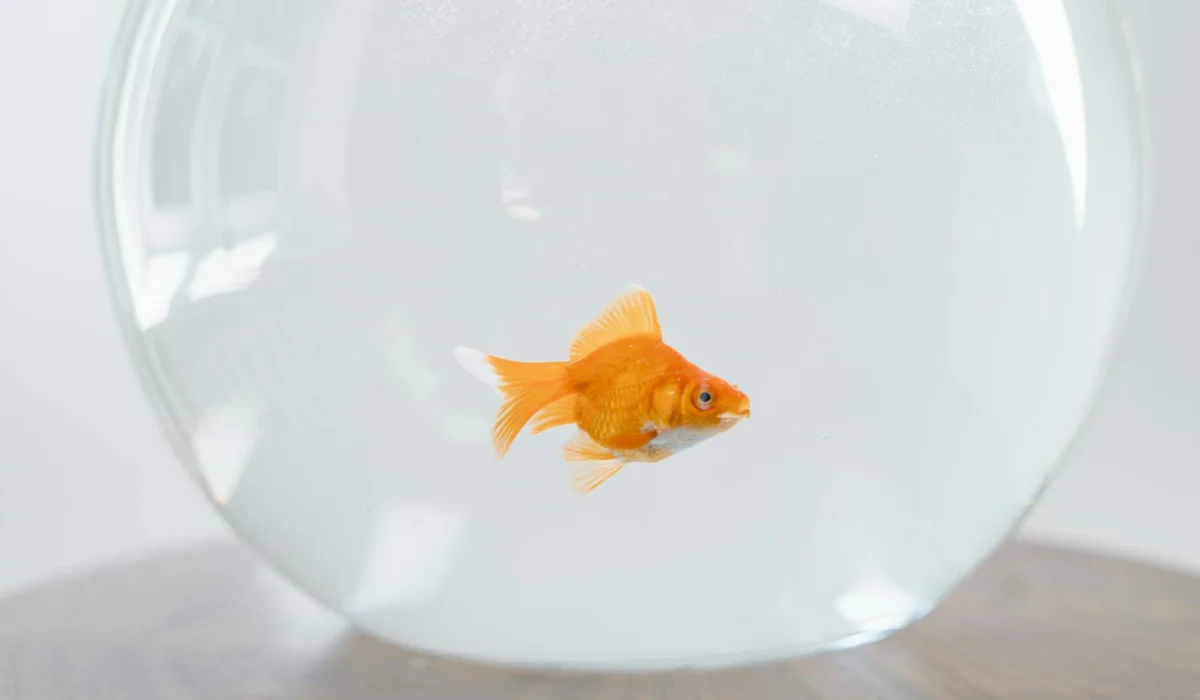
- Float the sealed betta bag in the tank to equalize temperature. Let the sealed bag rest on the water’s surface for about 15 minutes so the temperatures can slowly match.
- Slowly add small amounts of tank water to the bag over time. Open the bag and add a quarter cup of your tank water to it every five minutes for the next 30-45 minutes. This gentle introduction helps their bodies adjust to your water’s unique chemistry.
- Release the betta gently into the tank after 30-60 minutes. Use a soft net to guide your betta into their new home, being careful not to pour the old store water into your pristine tank. This careful process prevents temperature shock and gives your fish’s system time to adapt to new water hardness and pH.
Drip Acclimation for Sensitive Bettas
- Set up a slow drip system using airline tubing. Carefully pour your betta and its water into a clean bucket. Use an airline tube with a control valve to start a siphon from your main tank, creating a slow, consistent drip into the bucket.
- Adjust drip rate to gradually mix tank water with betta’s water. Aim for 2-4 drips per second; this super-slow method is my go-to for fish that have traveled a long distance or seem particularly stressed.
- Monitor until water volume doubles, then transfer betta. Once the water in the bucket has roughly doubled, which usually takes about an hour, gently net your betta and place it in the tank. This drip method offers the most gradual transition, making it ideal for delicate or expensive show bettas.
Matching and Monitoring Water Parameters
Key Parameters to Test
- Temperature: Aim for 78-80°F; use a heater and thermometer. Bettas are tropical fish and will become lethargic and prone to illness in cooler water. I always keep a reliable submersible heater and a separate glass thermometer for accuracy.
- pH: Keep it stable, ideally between 6.5 and 7.5 for bettas. A sudden pH swing is more dangerous than a pH that is slightly outside the ideal range. Consistency is your ultimate goal here.
- Ammonia, Nitrite, Nitrate: Ensure levels are at zero or very low. Ammonia and nitrite must be 0 ppm, as they are toxic. Nitrate should be kept below 20 ppm through regular water changes. Think of these three as a toxic chain that only a fully cycled tank can break.
How Often to Test Water
- Test before, during, and after acclimation to catch changes. I test the bag water when I first get home, then test my tank water, and finally test the mixed water in the bucket or bag just before the final transfer. This tells the full story of the water chemistry shift.
- Use test strips or liquid kits for accuracy. While strips are fast, I trust liquid test kits for their precision, especially for the critical ammonia reading. Testing is not a one-time event; it’s a snapshot of your tank’s health throughout this stressful transition for your fish.
Recognizing and Reducing Betta Stress
Your betta’s body language speaks volumes. Learning to read it is your first line of defense in keeping them healthy and happy.
Signs Your Betta is Stressed
- Clamped Fins: Their normally flowing fins appear held tight against their body, like they’re hunching their shoulders.
- Constant Hiding: While bettas enjoy cover, a fish that never emerges from behind the filter is signaling distress.
- Loss of Color: A vibrant fish turning pale or developing muted, washed-out colors is a major red flag.
- Lethargy: Lying at the bottom of the tank or staying in one spot for hours on end isn’t normal rest.
- Rapid Gill Movement: Fast, frantic breathing is a clear sign something is wrong with their environment.
Spotting even one of these signs means you should immediately check your water parameters for ammonia, nitrite, and nitrate spikes.
How to Soothe a Stressed Betta
- Add plenty of hiding spots. I use a combination of live plants like java fern and smooth decorations with through-holes.
- Dim the aquarium lights or turn them off for a few hours. Sometimes, a little darkness is all they need to decompress.
- Ensure the water flow from your filter is gentle. Bettas are not strong swimmers and hate being pushed around by a current.
- Consider adding a tannin source, like an Indian Almond Leaf. The tinted water mimics their natural habitat and has antibacterial properties.
Creating a calm, enriched environment is the fastest way to help a new betta feel secure and start showing its true personality.
What to Do if Your Betta Refuses to Eat
Don’t panic if your new betta turns up its nose at food for the first day or two. Moving is stressful, and they need time to settle.
- First, try a different type of food. If you offered flakes, try a few frozen or live brine shrimp. The movement can trigger their hunting instinct.
- Soak pellet food in a small cup of tank water for a minute before feeding. This makes them easier to digest and more aromatic.
- Remove any uneaten food after five minutes to prevent it from rotting and fouling your pristine water.
- If they haven’t eaten after three days, double-check that your water temperature is a steady 78-80°F, as cooler water slows their metabolism.
Patience is your greatest tool here; a healthy betta can go for several days without food as they adjust to their new home. For a complete feeding guide that answers ‘do betta fish eat,’ you’ll learn what to feed and how often. It also covers proper portions to avoid overfeeding.
Avoiding Common Acclimation Mistakes
I’ve seen too many well-intentioned fish keepers make these simple errors. We’ll walk through the 10 deadly sins and worst mistakes new fishkeepers make. Avoiding them sets your betta up for a long, vibrant life.
Top Acclimation Errors
- Rushing the Drip: Dumping your fish into the tank after only 15 minutes is a surefire way to send them into osmotic shock. The drip process cannot be hurried.
- Ignoring Water Quality: Assuming “clear water” is safe water is a fatal mistake. You must test for chlorine, chloramine, and the nitrogen cycle compounds.
- Skipping the Quarantine: Placing a new fish directly into an established community tank risks introducing parasites or illness to all your fish.
- Forgetting the Net: Never pour the water from the betta’s transport bag into your main tank. It often contains high levels of waste and stress hormones.
Taking an extra hour to acclimate properly is a tiny investment compared to the heartache of losing a fish to a preventable mistake.
The Importance of Quarantine and a Cycled Tank
Think of a quarantine tank as a simple, bare-bottom hospital room. A 5-gallon tank with a heater and sponge filter is perfect. Having the right equipment is essential for a proper quarantine setup. A covered tank with a thermometer helps maintain stable conditions while you watch for signs of illness.
- Keep a new betta in quarantine for at least two weeks to monitor for signs of illness like ich or fin rot.
- Your main tank must be fully cycled before any fish is added. A cycled tank has established beneficial bacteria that convert toxic ammonia into less harmful nitrate.
- You can cycle a tank using a pinch of fish food to produce ammonia or with a bottled bacteria starter, but this process takes 4-6 weeks. There are no safe shortcuts.
A cycled tank is non-negotiable for betta health; it is the foundation that everything else is built upon. A correctly established cycle—often called tank cycling—means beneficial bacteria are ready to process waste as soon as fish are added. This reduces ammonia and nitrite spikes and keeps the betta comfortable in a stable environment.
Patience and Observation are Everything
Your most important jobs during acclimation are to watch and wait. Sit by the tank and just observe your new fish’s behavior. Are signs of acclimation stress common in new fish? Look for indicators like rapid breathing at the surface or unusual hiding—these signals can tell you whether they’re acclimating or stressed.
- Note how they explore their surroundings. Are they curious or fearful?
- Watch their breathing. It should be slow and steady, not rapid or labored.
- Resist the urge to tap on the glass or make sudden movements nearby. Give them space to adjust.
The quiet hum of the filter and your calm presence are the best welcome gifts you can offer a new betta.
Common Questions
Why is acclimation important for bettas?
Acclimation is vital because it prevents system shock. A sudden change in water temperature or chemistry can severely stress your betta, suppress its immune system, and make it susceptible to illness. A slow, gentle introduction allows its body, especially its labyrinth organ, time to safely adapt to the new environment.
What is the step by step acclimation process for a betta?
The safest method is drip acclimation. First, place the betta and its transport water into a clean container. Then, set up a siphon from your main tank using airline tubing to create a slow drip into the container. Once the water volume in the container has roughly doubled, which takes about an hour, you can gently net the betta and release it into its new tank. Using a siphon for water changes keeps parameters stable and makes the process easier. For a perfect water change, siphon out a portion of the old water and replace it with equal parts conditioned, temperature-matched water.
How should you match water parameters during acclimation for a betta?
You match parameters gradually through the acclimation process itself. The slow addition of new tank water to the betta’s container allows its body to adjust to differences in pH, temperature, and hardness at a safe pace. The goal is a slow transition, not an instant match, to avoid shocking its system.
What signs indicate a betta is stressed during acclimation?
Key signs of stress include clamped fins held tight against the body, rapid gill movement, lethargy, and constant hiding. These are among the most common signs of stress seen in aquarium fish. A loss of vibrant color is also a major red flag. Recognizing them early helps you address the underlying issues before problems escalate. If you observe these, ensure the acclimation process is slow enough and check that your main tank’s water parameters are correct.
Your Happy, Healthy Betta Awaits
Patience and a gentle drip acclimation are your best tools for a smooth transition, giving Captain Fin’s delicate system time to adjust without shock. Always test your tank water first, matching temperature and ensuring pristine quality is the foundation of success.
Being a great fish keeper means committing to learning alongside your aquatic pets, observing their behavior to become a better caregiver every single day. Your journey doesn’t end here; continue exploring water chemistry and fish behavior to provide a truly thriving home.
Further Reading & Sources
- How to Acclimate Betta Fish – Bettafish.org
- r/bettafish on Reddit: Finally cycled! What is the best way to acclimate and move my betta from his current tank?
- How To Acclimate Betta? | Betta Fish Forum
- How to acclimate your betta fish when putting it in a new tank – Bettaboxx
- How To Acclimate Betta Fish (2 Methods Explained) – AquariumStoreDepot
Lia is an expert in aquarium and pet fish care. Having worked in the marine industry and having cared for multiple pet fish, she has acquired first hand expertise on aquarium care, maintenance and setup. She always brings her practical expertise and science to help solve any aquarium related queries.
Water Quality