
Your 20-Gallon Aquarium: The Perfect Size for a Thriving Ecosystem
Hello fellow fish keepers, you’ve landed here because you’re eyeing that sweet spot in the aquarium world-the 20-gallon tank. You’re likely wondering if it’s the right fit for your home and your future finned friends, and I’m here to tell you it absolutely can be.
This guide will walk you through everything you need to know, including:
The exact dimensions and footprint of standard 20-gallon tanks, how many fish you can realistically and happily keep, and the essential equipment needed for a stable, healthy environment.
I’ve spent years running high-tech planted tanks and breeding fish, so I’ve learned these size details through plenty of hands-on experience.
Understanding 20 Gallon Aquarium Dimensions
Standard 20 Gallon Tank Measurements
Not all 20-gallon tanks are created equal. The shape dramatically changes the available swimming space and what you can keep inside. Getting the right dimensions is the first step to creating a thriving underwater world. Curious if you calculate aquarium volume differently for different tank shapes? The answer is yes: volume is length × width × height, so a tall, narrow tank isn’t the same as a wide, shallow one, even if both are labeled 20 gallons.
20 Gallon Long Dimensions
This is my personal favorite shape for a community tank. A standard 20-gallon Long measures 30 inches in length, 12 inches in width, and 12 inches in height. The long, shallow profile provides an incredible amount of horizontal swimming room for active fish. Think of it as a wide-open runway. Does tank shape affect fish capacity and aquarium size? It does; the same volume can support different numbers of fish depending on surface area and how space is allocated for bioload and swimming room.
20 Gallon High Dimensions
The 20-gallon High is a taller, narrower tank. Its typical dimensions are 24 inches long, 12 inches wide, and 16 inches high. This design prioritizes vertical space, making it ideal for fish that enjoy swimming up and down or for creating dramatic aquascapes with tall driftwood and plants.
20 Gallon Cube Dimensions
For a more modern look, the cube offers equal sides. A 20-gallon cube is usually around 18 inches long, 18 inches wide, and 18 inches high. The cube’s footprint is compact, but it provides a deep, three-dimensional environment that’s fantastic for creating a focal point in a room.
Internal vs External Dimensions
This is a critical detail many new aquarists miss. The measurements I just gave you are typically the external dimensions-the outside size of the glass or acrylic box. You must account for the thickness of the glass and any trim, which reduces the actual water volume inside. A tank sold as a “20-gallon” might only hold 18-19 gallons of water once you add substrate and decor. Always plan your stock based on internal water volume, not the marketed tank size.
Volume and Weight Calculations
Let’s talk about the heavy stuff. A 20-gallon tank is a serious commitment in terms of weight. Water weighs about 8.34 pounds per gallon. A fully set-up 20-gallon aquarium can easily weigh over 225 pounds once you add substrate, rocks, and equipment. You need a stand and a floor that can reliably support this constant, significant load. Don’t gamble with a flimsy piece of furniture.
Choosing Your 20 Gallon Tank Shape
Comparing 20 Gallon Long vs High vs Regular
Your choice here will define your aquarium’s entire ecosystem. The 20 Long offers more surface area for oxygen exchange, which is great for a heavily stocked tank. The 20 High gives you more depth for stacking rocks and creating height. The Long is a community fish paradise, while the High is a showpiece for tall plants and vertical swimmers. The Cube is a geometric centerpiece that works well for shrimp or a single, stunning feature fish.
Footprint and Space Requirements
Before you buy, get out a tape measure. The footprint is the amount of surface space the tank occupies on your stand. A 20 Long needs a 30-inch long surface, while a 20 High needs only 24 inches, making it better for tighter spaces. Remember to leave several inches behind the tank for filter tubes, heaters, and cords. A cramped setup makes maintenance a nightmare.
Best Uses for Each Tank Shape
- 20 Gallon Long: Perfect for schooling fish like neon tetras, danios, and rasboras. Its length is also ideal for many bottom-dwellers like Corydoras catfish, giving them ample foraging ground.
- 20 Gallon High: Excellent for angelfish (juveniles), hatchetfish, or a pair of dwarf gouramis. Its height supports tall plants like Vallisneria and Amazon Swords, creating a lush, green wall.
- 20 Gallon Cube: An amazing choice for a single, spectacular Betta fish with a shrimp colony, a dwarf puffer species tank, or a low-tech aquascape. Its dimensions are perfect for creating a “island” style scape.
Stocking Your 20 Gallon Aquarium
Fish Capacity Guidelines
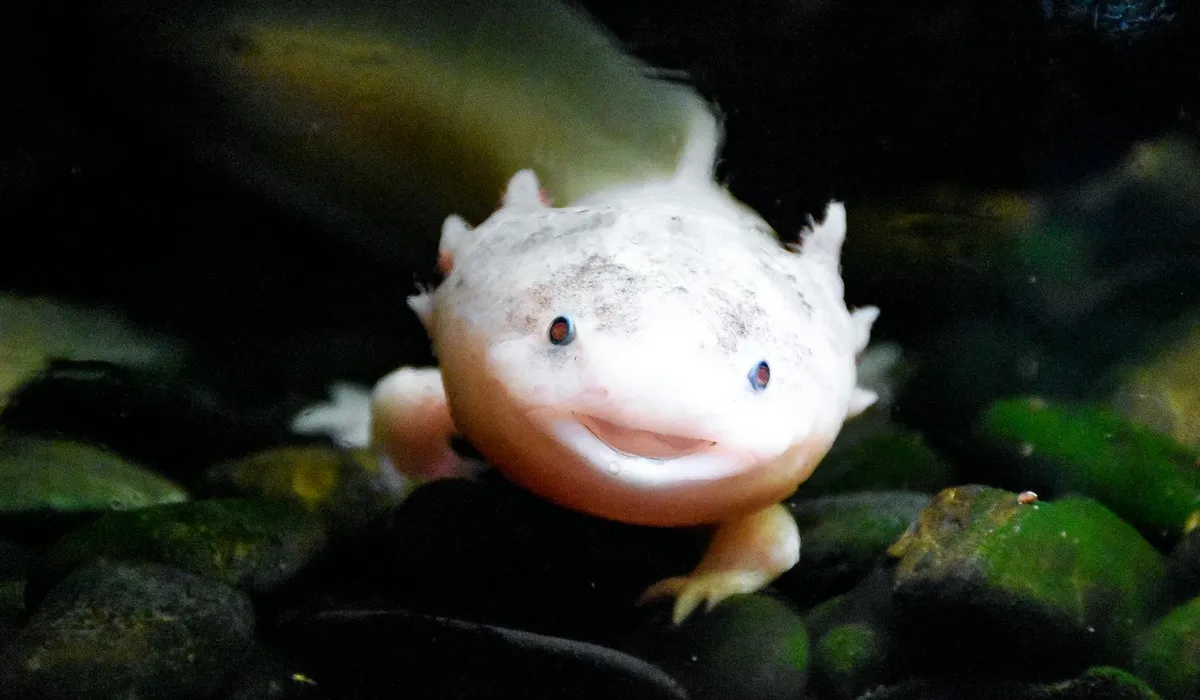
A 20-gallon tank gives you a fantastic canvas, but overstocking is the fastest way to cloud water and stressed fish. The old “one inch of fish per gallon” rule is a starting point, but it’s flawed because it ignores the fish’s mass and waste production. A better approach is to consider the adult size, activity level, and bioload of each species. For a 40-gallon tank, a size-capacity guide helps translate those factors into safe stocking levels. It also accounts for filtration and waste production, not just tank volume.
- Low-Bioload Fish (Great for communities): Small tetras, rasboras, danios, livebearers like guppies and platies.
- Moderate-Bioload Fish (Use fewer of these): Dwarf cichlids like Apistogramma, smaller barbs, rainbowfish.
- High-Bioload Fish (Avoid in a 20-gallon): Common goldfish, most plecos, and large cichlids. They simply produce too much waste for the water volume.
I always recommend starting with a small group of one species and letting your tank’s biological filter mature for a few weeks before adding more. Patience here prevents a lot of heartache and murky water down the line.
Community Tank Possibilities
This is where a 20-gallon truly shines, allowing you to create a vibrant, layered ecosystem. The goal is to mix fish that occupy different levels of the tank to prevent competition. A classic peaceful community setup is my personal favorite for its activity and color.
- Top & Mid-Water Dwellers: A school of 8-10 Ember Tetras or Harlequin Rasboras.
- Mid-Water Centerpiece: One stunning male Betta or a peaceful pair of Dwarf Gouramis.
- Bottom Cleanup Crew: A group of 6-8 Pygmy Corydoras or a school of 6 Kuhli Loaches.
Always research temperament first; for instance, a feisty Betta might not tolerate flashy finned tank mates. Watching these different groups coexist without conflict is one of the most rewarding parts of the hobby.
Reef Tank Considerations
A 20-gallon reef tank is a breathtaking project, but it demands more precision than a freshwater setup. Stability is the absolute law for saltwater; even small swings in temperature or salinity can be devastating. Your stocking options are more limited but incredibly beautiful. Setting up a reef tank requires careful planning; knowing how to properly establish marine life habitats is crucial for success.
- Fish Stocking: This tank size is best for 2-4 small fish. A pair of Ocellaris Clownfish is the classic choice, perhaps with a single Firefish Goby or a Royal Gramma.
- Coral Compatibility: You’ll need to match your lighting to your corals. Soft corals like mushrooms and zoanthids are more forgiving under moderate lights, while SPS corals demand intense, expensive lighting.
- Essential Extras: A protein skimmer becomes almost mandatory to remove organic waste, and you’ll need wavemakers for water flow that mimics the ocean.
Successful reef keeping in a 20-gallon is all about meticulous husbandry and not giving in to the temptation to overstock.
Essential Equipment for 20 Gallon Tanks
Filter Selection and Sizing
Your filter is the tank’s life support system, housing the beneficial bacteria that keep the water safe. You want a filter rated for a tank larger than 20 gallons to ensure it can handle the biological load. I look for a filter rated for 30-40 gallons.
- Hang-On-Back (HOB) Filters: Excellent all-around choice. They’re easy to maintain and offer great mechanical and biological filtration. Brands like Seachem and AquaClear are workhorses.
- Sponge Filters: Perfect for shrimp tanks, fry (baby fish) tanks, or as a secondary filter. They are gentle, provide a massive surface area for bacteria, and are incredibly cheap to run.
- Canister Filters: The premium option. They hold the most filter media, offer superior mechanical filtration for crystal-clear water, and are very quiet.
Whichever you choose, never replace all the filter media at once, as this throws away your established bacterial colony.
Heater Requirements
Most tropical fish need stable warmth, and a 20-gallon tank is small enough that room temperature swings can affect it. The general rule is 5 watts per gallon, so a 100-watt heater is ideal for a standard 20-gallon. Some prefer two 50-watt heaters placed at opposite ends for more even heat distribution.
Always use an adjustable heater, not a preset one, so you can dial in the exact temperature your fish need, typically between 76-80°F for a community tank. A reliable heater and a separate thermometer are non-negotiable for your fish’s health. For a stable water environment, consult the aquarium temperature control complete guide to learn how to maintain consistent temperatures and prevent fluctuations. It also covers alarm thresholds and routine calibration to keep your tank in balance.
Lighting Needs
Your lighting choice depends entirely on what you plan to grow in the tank. For a fish-only tank, any basic LED will do, but if you want live plants, you need to match the light to their needs.
- Low Light Plants: Anubias, Java Fern, and Cryptocoryne thrive with standard LEDs.
- Medium Light Plants: You’ll need a brighter, full-spectrum LED to grow stem plants like Hygrophila and Amazon Swords.
- High Light Plants & Reef Tanks: This requires specialized, powerful LEDs with customizable color spectrums to grow demanding carpeting plants or corals.
I always recommend an LED light with a timer to provide a consistent day/night cycle, which reduces stress on your fish and helps control algae. In practice, turning the aquarium light off at night can enhance rest for your fish and support a natural rhythm. This is discussed in our complete guide on whether you should turn off your aquarium light at night.
Lid and Cover Options
Do not skip the lid. I’ve learned this the hard way. A tight-fitting lid is crucial for preventing fish from jumping, reducing water evaporation, and keeping dust and contaminants out. Many popular fish, like Bettas and Gouramis, are known jumpers.
- Glass Versa-Tops: These are my go-to. They are sleek, allow for custom cutouts for equipment, and come with a plastic hinge.
- Plastic Hoods: Often come with integrated lighting. They can warp over time but are a good all-in-one solution for beginners.
- Mesh Screen DIY Lids: Excellent for rimless tanks or setups that need maximum gas exchange, like heavily planted CO2-injected aquariums.
A quality lid saves you from a heartbreaking discovery on the floor and keeps your water parameters more stable.
Setting Up Your 20 Gallon Aquarium
Step-by-Step Setup Process
Getting your 20-gallon tank started correctly saves you countless headaches down the road. I always do this on a day when I have a couple of uninterrupted hours.
- Location is Everything: Place your tank on a sturdy, level stand away from direct sunlight and drafts. A wobbling tank is a stressed tank, and sunlight is an open invitation for algae.
- The Deep Clean: Rinse the inside of the empty tank with plain water-no soap! Scrub any stubborn spots with a new, dedicated aquarium sponge.
- Lay the Foundation: Pour your rinsed substrate into the tank. I prefer a 2-inch deep slope, higher in the back for a sense of depth. This gives plant roots plenty of room to spread.
- Install the Hardscape: Position your rocks and driftwood. Think about creating caves for fish like Shadow the Corydoras, who appreciate a good hiding spot to feel secure. Rinse everything thoroughly first to remove dust.
- Fill ‘Er Up (Partially): Place a small plate or bowl on the substrate and gently pour water onto it. This prevents your carefully arranged landscape from being demolished by the stream.
- Plant Your Garden: Now, plant your aquarium flora. Use tweezers for delicate stems. Tall plants in the back, mid-ground in the center, and carpeting plants up front.
- Final Fill and Equipment: Finish filling the tank and install your filter and heater. Set the heater to your desired temperature, but wait to plug it in until it’s fully submerged.
- Power On and Patience: Plug everything in. Listen for the hum of the filter and watch the water begin to flow. Your tank is now running, but it’s not yet ready for fish.
Cycling Your Tank
This is the most critical step, the one that builds the entire biological foundation of your aquatic world. I explain it to beginners like this: you’re growing an invisible army of beneficial bacteria that will eat fish waste.
The fishless cycle is the kindest method, as it doesn’t subject any living creature to toxic ammonia spikes. To start the cycle, you add tiny amounts of pure ammonia to the tank to feed the bacteria. This is the core of the fishless aquarium cycling method. You’ll need a water test kit and pure ammonia (with no surfactants).
- Add ammonia to the tank until your test kit reads 2-4 ppm (parts per million).
- Wait. Test every other day. You’ll first see ammonia levels fall and nitrite levels rise.
- Wait some more. You’re now waiting for nitrite to fall and nitrate to appear.
- The cycle is complete when you can add 2 ppm of ammonia and it, along with nitrites, converts to nitrate within 24 hours.
This process can take 3-6 weeks. So, how long does it take to cycle a fish tank? On most setups, it’s about 3-6 weeks depending on factors like bioload and filter maturity. It tests your patience, but a cycled tank is the difference between thriving fish and constant problems.
Aquascaping Ideas
A 20-gallon tank offers a fantastic canvas. Here are a few styles I’ve loved creating over the years.
- The Nature Aquarium: Inspired by Takashi Amano, this uses lush, dense planting and strategic hardscape to mimic a wild landscape. Use dragon stone or seiryu stone with carpets of Dwarf Hairgrass or Monte Carlo.
- The Dutch Style: This is all about the plants, with little hardscape. It’s a vibrant, color-blocked garden underwater, using contrasting leaf shapes and reds and greens to create depth. Think tall Rotala in the back, bushy Hygrophila in the middle.
- The Biotope: Recreate a specific natural habitat, like a Amazonian riverbank. Use driftwood, leaf litter, and soft, acidic water. This is perfect for species that hail from the same region, making them feel right at home.
- The Centerpiece Focus: Design your entire scape around a single, stunning fish like Captain Fin, my Betta. Use smooth-edged rocks and low-flow areas. Include broad-leaved plants like Anubias for him to rest on near the surface.
Maintenance and Care for 20 Gallon Tanks
Weekly Maintenance Routine
Consistency is your best friend in this hobby. I do my maintenance every Sunday morning-it’s my zen time.
- The Water Change: Siphon out 20-25% of the tank water (about 4-5 gallons). Use a gravel vacuum to clean sections of the substrate each week, sucking up fish waste and leftover food.
- Filter Check: Give your filter a quick look. If the flow seems slow, rinse the filter media in the old tank water you just removed. Never rinse media in tap water, as the chlorine will kill your precious beneficial bacteria.
- Glass Cleaning: Wipe down the inside of the glass with an algae scraper or a clean, soft sponge to keep the view crystal clear.
- Plant TLC: Trim any dead or overgrown leaves. This encourages healthy new growth and keeps your aquascape looking sharp.
- Top-Off: Add fresh, dechlorinated water to replace what was evaporated during the week.
Water Parameter Management
Your test kit is your window into the health of your water. In a 20-gallon tank, parameters can shift quickly, so staying on top of them is non-negotiable.
- Ammonia and Nitrite: These should always be 0 ppm in an established, cycled tank. Any reading above zero is a red flag that your cycle has been disrupted.
- Nitrate: Aim to keep this below 20 ppm. This is the end product of the nitrogen cycle and is removed through water changes and consumed by live plants.
- pH: Stability is more important than a perfect number. Most community fish are happy with a pH between 6.5 and 7.5, but always research your specific fish’s needs. Sudden pH swings are highly stressful.
- General Hardness (GH) and Carbonate Hardness (KH): GH measures magnesium and calcium (important for fish scales and snail shells), while KH acts as a buffer against pH crashes. For a community tank, a moderate GH/KH is a safe bet.
Troubleshooting Common Issues
Every aquarist runs into problems. The key is not to panic and to address the root cause.
- Cloudy Water: A white, milky cloud is often a “bacterial bloom,” common in new tanks. It usually clears on its own as the bacteria balance out. In established tanks, it can signal overfeeding or a filter issue.
- Algae Takeover: Green water or spot algae on the glass means an imbalance of light and nutrients. Reduce your photoperiod to 6-8 hours, ensure you’re not overfeeding, and consider adding more fast-growing plants to outcompete the algae for nutrients.
- Fish Gasping at the Surface: This is a major distress signal. Check your water parameters immediately for high ammonia or nitrite. Ensure your filter is running properly and that the water surface has agitation for gas exchange.
- Sudden Fish Death: If you lose a fish, test your water first. Look for signs of disease on other fish, like clamped fins or spots. Remove the deceased fish promptly to maintain water quality.
FAQs
Do the dimensions of a 20-gallon tank change with different brands?
While there is a standard, dimensions can vary slightly between manufacturers and tank styles. The core shapes-Long, High, and Cube-will have consistent general measurements, but it is always best to check the product specifications before purchasing to ensure it fits your intended space.
What are the 20-gallon tank dimensions in feet?
A standard 20-gallon Long is 2.5 feet long, 1 foot wide, and 1 foot high. A 20-gallon High measures 2 feet long, 1 foot wide, and approximately 1.3 feet high. These conversions help visualize the tank’s footprint in a room.
How much space do I need for a 20-gallon tank with a stand?
You need space for the tank’s footprint plus extra room for equipment access. For a 20-gallon Long, plan for a surface at least 30 inches long and 12 inches deep. It is also crucial to ensure the stand and floor can support the total weight, which exceeds 225 pounds when fully set up.
How does a filter affect the overall dimensions I need to plan for?
The filter itself does not change the tank’s dimensions, but it does add to the total space required. Hang-on-back filters extend several inches from the rear, and canister filters require external space for the unit and tubing. Always account for this extra clearance behind or beside the aquarium during your planning.
Ready to Start Your 20-Gallon Journey?
Focus on the tank’s footprint and height to match your fish’s swimming habits and your aquascaping vision. Double-check the adult size and social needs of your fish to prevent overcrowding and stress in a 20-gallon home. Ornery fish may require specialized tanks; learn more about selecting the right aquarium size for your fish species.
Caring for your aquarium is a commitment that grows with your knowledge and attention to detail. Embrace the learning process, regularly monitor your water quality, and enjoy the ongoing adventure of creating a thriving underwater world.
Further Reading & Sources
- Aquarium Weights & Sizes
- Aqueon Standard Glass Aquarium Tank 20 Gallon Long | Petco | 20 Gallon Fish Tank, 20G Aquarium, 20 Gallon Tank Dimensions, 20G Long Tank
- Aqueon Standard Glass Rectangle Aquarium
- r/Aquariums on Reddit: 20L and 20H having vastly different volumes — check my math
- 20-Gallon Aquariums: What You Need to Know – Pleco Feeder
Lia is an expert in aquarium and pet fish care. Having worked in the marine industry and having cared for multiple pet fish, she has acquired first hand expertise on aquarium care, maintenance and setup. She always brings her practical expertise and science to help solve any aquarium related queries.
Water Quality