
Aquarium Lighting Showdown: Your Guide to Freshwater vs. Saltwater Needs
Hello fellow fish keepers! Does picking the right aquarium light feel like navigating a murky pond, unsure if it will make your fish’s scales shimmer or your plants wilt? This guide will clear the water and help you select lighting that boosts health and beauty in your tank.
We will explore:
- The core differences in light intensity and spectrum for freshwater planted tanks versus saltwater reef systems
- How to match specific light types-like LED, T5, or metal halide-to your aquarium’s inhabitants
- Practical steps for setting up your lights to prevent algae and promote vibrant growth
- Budget-friendly options and pro tips for both beginner and advanced setups
I have spent years running high-tech planted tanks and breeding fish, giving me hands-on experience with what truly works.
Why Aquarium Lighting Matters for Your Fish and Plants
Think of light as the main course for your aquatic plants-it fuels their growth just like food fuels you. Without the right light, your plants can’t perform photosynthesis, which is how they turn carbon dioxide and water into the energy they need to thrive. For saltwater corals, light is equally vital because they host tiny algae called zooxanthellae that rely on it. Beyond plants and corals, light sets the daily rhythm for your fish, influencing when they eat, play, and rest. It even affects how vibrant their colors appear, much like how sunshine makes a garden bloom.
How Light Supports Life in Your Tank
In freshwater tanks, plants absorb light through their leaves to create sugars and oxygen, a process that keeps your water clean and oxygenated. I’ve seen my Anubias plants perk up under consistent lighting, their leaves reaching toward the glow. Saltwater corals depend on symbiotic algae that use light to produce nutrients, essential for building those stunning reef structures. Fish, like my feisty betta Captain Fin, use light cues to regulate their sleep-wake cycles—bright days encourage activity, while dim periods signal rest. Proper lighting can make fish colors pop; for instance, Goldie’s orange scales shimmer brilliantly under full-spectrum LEDs. For beginners, PAR means the usable portion of light for photosynthesis. A simple guide to the PAR spectrum helps you choose lights that support plants, corals, and vibrant fish colors.
Key Lighting Terms Every Aquarist Should Know
Getting familiar with these terms will help you pick the perfect light for your setup. Understanding PAR and Kelvin can save you from common pitfalls like algae overgrowth or stunted plant growth.
- PAR (Photosynthetically Active Radiation): This measures how much light energy is available for photosynthesis. Aim for 10-30 PAR for low-light plants and 50+ for high-light species.
- Kelvin (K): Kelvin indicates the color temperature of the light. A range of 5000K to 7000K mimics natural daylight, ideal for freshwater plants, while 10,000K or higher suits reef tanks.
- Spectrum: This refers to the colors in the light. Full spectrum covers all wavelengths for plant growth, blue enhances coral fluorescence, and actinic (a type of blue) supports zooxanthellae in saltwater tanks.
- Photoperiod: This is the duration your lights are on each day. An 8- to 10-hour photoperiod works for most tanks to simulate a natural day-night cycle without encouraging algae.
Freshwater Aquarium Lighting Explained
Freshwater lighting needs vary widely based on what’s in your tank. For low-light plants like Java Fern, a gentle glow is enough, but high-light carpeting plants demand intense beams to spread across the substrate. Spectrum matters too-full-spectrum LEDs around 6500K make greens look lush and reds vivid. Algae control is key; too much light can turn your tank green, so balance intensity and duration. In my experience, starting with moderate settings and adjusting based on plant response keeps algae in check while promoting healthy growth.
Lighting for Planted Freshwater Tanks
Choosing the right light for a planted tank involves matching it to your plant types. Follow these steps to avoid under- or over-lighting, which I’ve learned through trial and error with my own aquascapes. In a successful planted aquarium, lighting is just one piece of the equipment puzzle—pair it with a reliable filter and, if needed, CO2 and a nutrient-rich substrate. When all of these are balanced, your plants have the best chance to thrive.
- Identify your plant types: Low-light plants (e.g., Anubias) need minimal intensity, medium-light (e.g., Amazon Sword) require moderate levels, and high-light (e.g., Dwarf Baby Tears) crave bright illumination.
- Select PAR levels: Use 15-30 PAR for low-light setups, 30-50 PAR for medium-light, and 50+ PAR for high-light tanks to support dense growth.
- Set the photoperiod: Begin with 8 hours of light daily. Increase to 10-12 hours if plants show slow growth, but reduce if algae appears-this balance keeps everything in harmony.
Lighting for Fish-Only Freshwater Tanks
In fish-only tanks, lighting focuses on aesthetics and fish well-being. Opt for full-spectrum or adjustable LEDs to make colors like Shadow’s speckled grey stand out without turning your water green with algae. In the led vs fluorescent vs halide debate, LEDs are typically the most versatile and energy-efficient choice for fish-only tanks. Fluorescent options are budget-friendly and simple, while halides deliver very intense light at higher heat and cost. A color temperature of 5500K to 7500K mimics natural daylight, enhancing fish activity and reducing stress. Keep intensity low to moderate—PAR under 20 is usually sufficient—and limit the photoperiod to 6-8 hours to prevent algae blooms. I use dimmable LEDs on my community tank; they let me highlight Goldie’s bright orange scales while keeping the environment stable.
Saltwater and Reef Lighting Demands
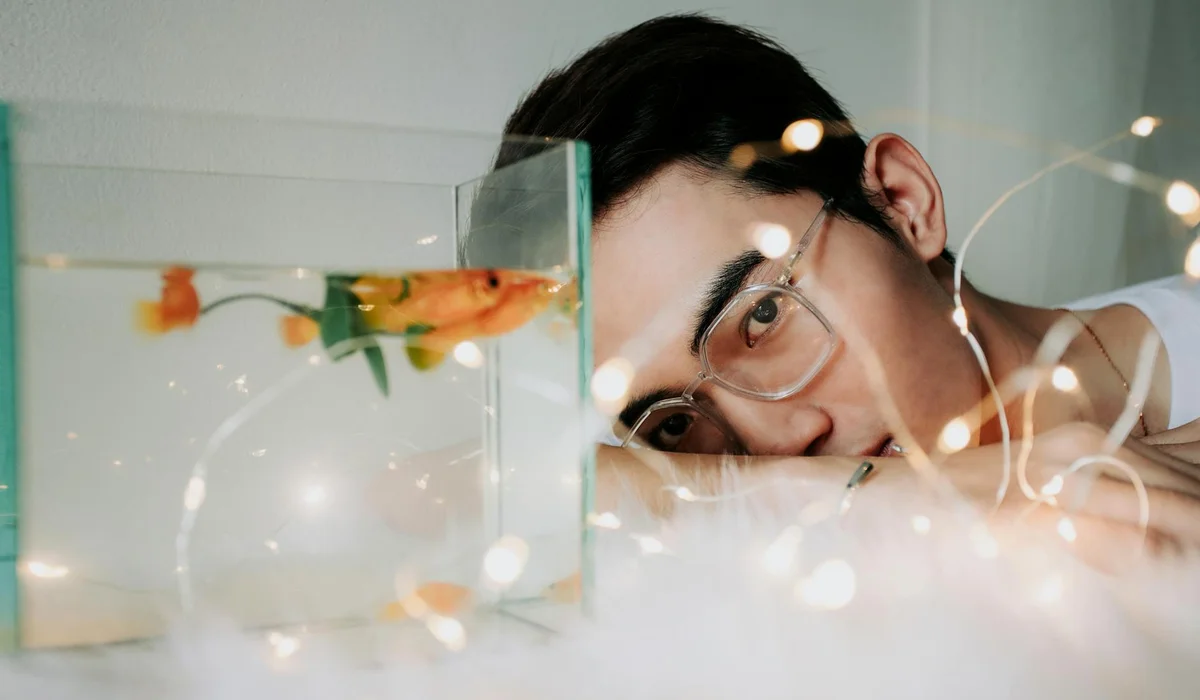
Lighting a saltwater tank is a different ballgame from freshwater. The demands are higher, and the stakes are, too, especially when you’re responsible for the health of live corals. You’re not just lighting a tank; you’re recreating a slice of the sun-drenched ocean, and the light spectrum and intensity are everything.
Reef Aquarium Lighting for Coral Growth
For a thriving reef, light is food. Corals host microscopic algae called zooxanthellae that use light for photosynthesis. To fuel this process, you need the right type and amount of light.
Actinic or blue spectrum lighting (around 420-460nm) is absolutely critical. It penetrates water deeply and drives photosynthesis while making coral fluorescence pop. I always run a longer blue light period, mimicking a slow sunrise and sunset, which reduces stress on the livestock.
PAR (Photosynthetically Active Radiation) is the number you need to know. It measures the light energy available for photosynthesis.
- Soft Corals and LPS (Lobophyllia, Brain Corals): Aim for 75-150 PAR.
- Hard Corals and SPS (Acropora, Montipora): Require 200-400+ PAR.
Never place a new coral directly under intense light. Acclimate new corals over 1-2 weeks by starting them on the sandbed and gradually moving them higher, or by using your light’s dimming function to slowly ramp up intensity. This prevents bleaching and gives them time to adjust.
Lighting for Fish-Only Saltwater Tanks
If you’re not keeping corals, your lighting needs are much simpler. The focus shifts to showcasing your fish’s natural colors and creating a pleasing, natural-looking environment.
Look for a full-spectrum white LED with a color temperature around 10,000K to 12,000K. This gives you that crisp, bright white light that simulates shallow ocean water. A full-spectrum light will make the reds, yellows, and blues of your fish truly shimmer without promoting the nuisance algae growth that corals require.
Since heat can be a major issue with some lighting technologies, prioritize LEDs for fish-only systems. They run cool, are energy-efficient, and you can often find models with a simple on/off timer to simulate a consistent day/night cycle.
Comparing Aquarium Lighting Types: LED, T5HO, and Metal Halide
Choosing your light technology is a big decision. Each type has its own strengths and quirks that make it better suited for different tanks and budgets.
| Type | Pros | Cons | Best For |
|---|---|---|---|
| LED | Energy efficient, long lifespan, low heat, fully controllable spectrum and intensity. | Higher initial cost; complex programming can be overwhelming. | Almost everything: planted freshwater, reef tanks, fish-only saltwater. |
| T5HO | Excellent, even light spread; proven performance for growth. | Bulbs need replacing yearly; produces more heat than LEDs. | Planted tanks and mixed reef aquariums, especially when used in combination with LEDs. |
| Metal Halide | Extremely high intensity and light penetration; shimmer effect. | Very high heat and energy consumption; bulbs require frequent replacement. | Deep aquariums and SPS-dominant reef tanks needing extreme light. |
LED Aquarium Lights
LEDs are the modern standard for a reason. Their flexibility is unmatched. You can fine-tune the color spectrum to bring out specific colors in your plants or corals and program a cloud cover simulation if you want to get fancy.
The ability to dim your lights or set a sunrise/sunset ramp is a game-changer for reducing fish stress and preventing algae spikes from sudden light transitions. In my own tanks, I use LEDs for both a high-tech planted freshwater setup and a mixed reef, adjusting the blue/white ratio for each. Their long lifespan of 50,000+ hours means you’ll forget the last time you had to think about a replacement bulb.
T5HO Fluorescent Lighting
Don’t count T5HO lights out. They provide a beautiful, blanket-like coverage that eliminates shadows, which is perfect for a densely planted carpet or a reef tank with overhangs.
Many advanced reef keepers use a hybrid approach, combining T5HO bulbs with LED bars to get the best of both worlds-the even growth from T5s and the pop and controllability from LEDs. The main drawback is the annual bulb replacement, as the spectrum shifts and intensity drops long before the bulb burns out completely. You also need to account for the heat they produce with a good cooling fan.
Metal Halide Lighting
Metal Halide is the old-school powerhouse. It produces an intense, point-source light that creates a captivating shimmer effect as the water’s surface ripples, much like bright sunlight piercing the ocean’s surface.
These lights can grow any coral, but they come with significant trade-offs. They are incredibly inefficient, turning most of the electricity they use directly into heat. You will almost certainly need a dedicated aquarium chiller to combat the heat a Metal Halide system throws into your tank. While they are still used in some very specific, light-hungry applications, most hobbyists find that modern LEDs can now achieve similar results without the high costs and heat management headaches.
Setting Up Your Aquarium Lighting for Success
Getting your lights positioned and scheduled correctly is just as important as choosing the right fixture. A proper setup prevents algae and keeps your fish calm while giving your plants the energy they need to thrive. So, how long should aquarium lights stay on for fish and plants? In most setups, about 8–10 hours of light per day is a good starting point, with a gentle ramp up and down to mimic natural conditions.
Steps to Install and Adjust Your Lights
- Select a fixture that matches your tank’s length and depth; a light that’s too weak won’t reach your plants, while one that’s too strong can cook them.
- Position the light for even coverage, ensuring no dark spots are left in the corners where plants might struggle.
- Set a consistent photoperiod of 6 to 8 hours using a plug-in timer; this consistency is key for a stable ecosystem.
- Use dimmable lights or raise the fixture a few inches above the water to gradually acclimate your tank to a new, more powerful light over a week.
I always start with my lights raised higher than needed and lower them bit by bit, which has saved me from many an unexpected algae outbreak.
Managing Photoperiod and Light Intensity
Your tank’s photoperiod is its daily rhythm, and a timer is your best friend for maintaining it. I never rely on my memory to turn lights on and off; an inexpensive digital timer creates a perfect sunrise and sunset for your aquatic world. Begin with a shorter 6-hour period, especially in a new tank, to discourage algae from taking hold. Watch how your plants and fish respond over two weeks. If plant growth is slow and your fish seem dull, nudge the timer up by 30-minute increments. If you see a green haze forming on the glass, scale it back. For a complete guide, remember to give your tank a true night by turning the lights off for a consistent dark period. Regular darkness supports healthy sleep for fish and helps prevent algae blooms.
Troubleshooting Common Aquarium Lighting Issues
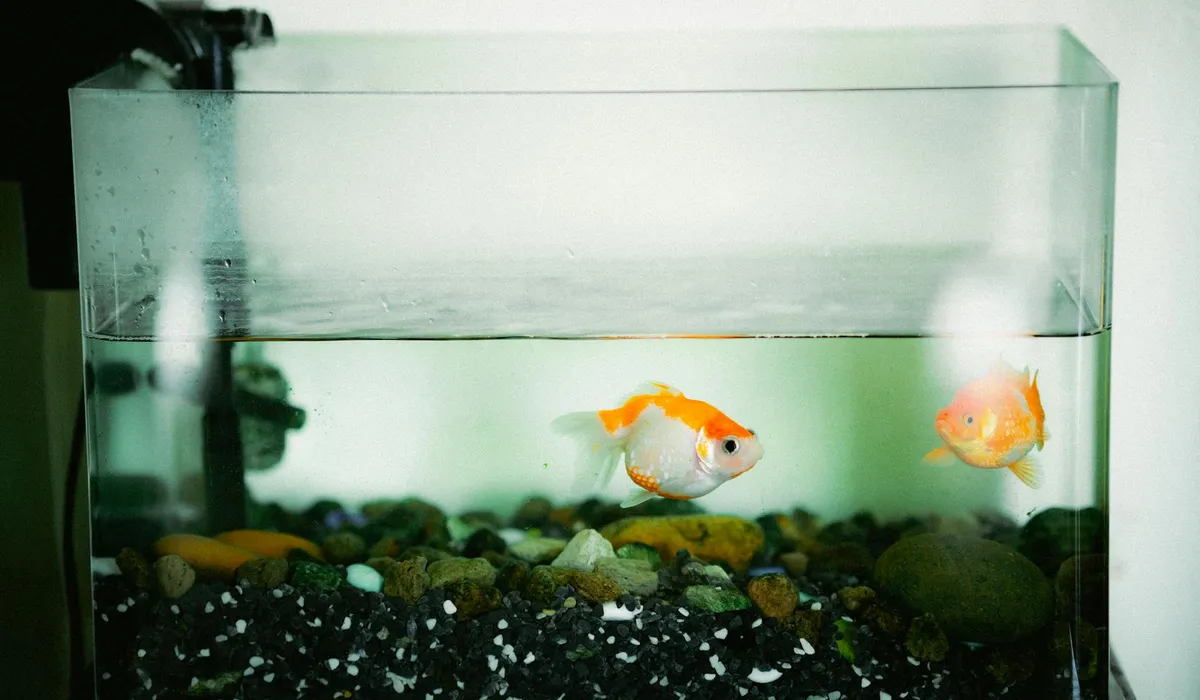
Lighting problems often show up before anything else goes wrong in your tank. Learning to read these visual cues lets you correct course long before water parameters swing out of control.
Dealing with Too Much Light
An over-lit tank is an algae factory. You’ll notice a slimy green film on the glass, fuzzy hair algae on plant leaves, or even green water. Your fish might also appear washed out or hide constantly. To fix this, first reduce your photoperiod by two hours and see if the algae growth slows within a week. If you have adjustable lights, lower the intensity by 20%. Adding more fast-growing plants or floating plants like Frogbit can also help by competing with the algae for light and nutrients.
Fixing Insufficient Light
When plants aren’t getting enough light, they tell you clearly. Look for leaves stretching toward the light source, unusually slow growth, or lower leaves turning yellow and dying. In a planted tank, insufficient light is the number one reason plants fail to root properly and just melt away. First, try increasing your photoperiod to 10 hours. If that doesn’t help after two weeks, the light itself may be the issue. For freshwater plants, you may need a fixture with higher PAR output, especially for red plants or carpeting species. In saltwater, soft corals will need more intensity than most fish-only lights provide.
Common Questions
What is the main difference between freshwater and saltwater aquarium lighting?
The main difference lies in the required intensity and spectrum. Freshwater planted tanks typically use full-spectrum lights around 6500K to support plant growth, while saltwater reef tanks demand much higher intensity and a strong blue/actinic spectrum to sustain corals. Fish-only tanks in both environments have simpler, more aesthetic-focused lighting needs, as fish don’t require specialized lighting.
Can I use a freshwater light on a saltwater tank, or vice versa?
Generally, it is not recommended. A light designed for a freshwater planted tank often lacks the high intensity and specific blue spectrum needed for coral photosynthesis in a reef tank. Using a powerful saltwater light on a low-tech freshwater tank can easily cause severe algae overgrowth due to the excessive light intensity.
Is lighting more expensive for a saltwater aquarium compared to a freshwater one?
Yes, lighting for a saltwater reef aquarium is typically more expensive. Reef systems require high-output fixtures with advanced controls to provide the intense, spectrally-specific light that corals need. A basic freshwater planted or fish-only tank can often thrive with a more affordable, less powerful lighting system. Lighting for aquariums varies widely depending on the needs of the plants or animals being kept.
Which type of light is best for a beginner: one for freshwater or saltwater?
For a beginner, a freshwater setup is almost always easier and more affordable to light. A simple full-spectrum LED is sufficient for many low-tech planted or fish-only freshwater tanks. Starting with saltwater, especially a reef tank, involves a steeper learning curve and a more significant investment in high-performance lighting to meet the demanding needs of corals. For most newcomers, freshwater is the best starting point to learn basic maintenance, water chemistry, and stocking. If you later choose to explore saltwater, you can upgrade gradually as you gain experience.
Lighting the Way Forward
Match your lighting to your aquarium’s purpose—use full-spectrum LEDs for planted freshwater tanks and high-intensity options for saltwater corals. Different types of aquarium lights have different uses, so your choice should reflect your goals and setup. Your choice directly impacts plant health and coral vibrancy, so always tailor it to your specific setup.
Responsible fish keeping means committing to ongoing learning about your aquarium’s needs. Embrace the journey of discovery to create a beautiful, balanced home for your aquatic pets.
Further Reading & Sources
- Do saltwater tanks need a different kind of light?
- Aquarium Lighting – Saltwater Coral & Marine Reef Aquariums
- Saltwater Aquarium Lighting Guide
- Orbit Marine LED Light for Saltwater Reef Aquariums
- Lighting for aquariums, marine aquariums & reeftanks
Lia is an expert in aquarium and pet fish care. Having worked in the marine industry and having cared for multiple pet fish, she has acquired first hand expertise on aquarium care, maintenance and setup. She always brings her practical expertise and science to help solve any aquarium related queries.
Lighting Options