
Your 8-Week Blueprint to a Thriving, Crystal-Clear Freshwater Aquarium
Hello fellow fish keepers. I know the excitement of wanting a beautiful, stocked aquarium can make those first few weeks feel painfully slow. Rushing this process is the single biggest reason new tanks fail, but you don’t have to guess your way through it.
This complete roadmap will walk you through every single step, transforming your empty tank into a vibrant, stable ecosystem. We will cover:
The crucial first-week cycle, selecting your perfect substrate and hardscape, introducing live plants, managing water parameters like a pro, and finally, safely adding your first fish.
I’ve spent years cultivating everything from complex planted tanks to dedicated breeding setups, learning these lessons firsthand so you don’t have to.
Charting Your Course: Pre-Setup Planning
Define Your Aquarium Vision and Goals
Before you buy a single fish or piece of equipment, sit down and dream a little. Ask yourself what you truly want from this aquarium. Is it a lush, green planted world? A bustling community tank full of color? Or a specialized home for a single showstopper like a betta? Your initial vision will guide every purchase and decision, preventing costly mistakes and ensuring long-term happiness for both you and your fish.
I learned this the hard way when I impulsively bought a beautiful Oranda like Goldie without a plan. Their massive waste output and need for cooler water clashed with my original tropical community idea. Consider these questions to shape your vision:
- What is your main goal: relaxation, breeding, or aquascaping artistry?
- What is your realistic budget for initial setup and ongoing costs?
- How much time can you dedicate to weekly maintenance?
- What tank size fits your space? A 10-gallon is a great starter, but a 20-gallon long offers more stability.
Your answers will form the foundation of a successful aquarium. A clear vision makes the journey smoother and far more rewarding.
Creating Your Stocking Plan and Compatibility Guide
This is where the fun really begins-planning your underwater community. A stocking plan is your blueprint for a peaceful tank. It’s not just about which fish you like; it’s about how they’ll live together. Mixing incompatible fish is a recipe for disaster, leading to stress, nipped fins, and a constant battle for territory.
From my own tanks, I know a feisty Crowntail Betta like Captain Fin needs calm tankmates that won’t challenge him or resemble other bettas. Conversely, social Corydoras like Shadow thrive in groups and love soft sand. Build your plan around these core compatibility factors:
- Water Parameters: Group fish with similar needs. Neon Tetras prefer soft, acidic water (pH 6.0-7.0), while African Cichlids need hard, alkaline water (pH 7.8-8.5).
- Temperament: Avoid pairing fin-nippers with long-finned fish. Peaceful bottom-dwellers like Corydoras pair well with mid-water swimmers like Tetras.
- Adult Size: Always plan for the fish’s full-grown size. A common goldfish can reach 10 inches and needs a 75-gallon tank or larger.
- Swimming Zones: Create balance by stocking fish that use different parts of the tank-top, middle, and bottom.
Start with a robust, hardy species like Zebra Danios to help cycle your tank, then add more sensitive fish later. This staggered approach gives your ecosystem time to adjust.
Assembling Your Toolkit: Essential Equipment and Decor
Must-Have Gear for a Healthy Freshwater Aquarium
The right equipment is non-negotiable for a thriving tank. It’s the life support system that keeps your fish healthy and your water crystal clear. Investing in quality gear from the start is cheaper than replacing cheap, failing equipment down the line. The gentle hum of a reliable filter becomes the soundtrack to a healthy aquarium. Do you need a filter in a fish tank? In most setups, yes—the filter keeps water moving, removes waste, and maintains a stable, healthy environment.
Here is your essential shopping list for a basic freshwater setup:
- Filter: Choose a filter rated for a tank larger than yours. For a 20-gallon tank, get a filter rated for 30-40 gallons. Hang-on-back filters are user-friendly for beginners.
- Heater: Use 5 watts per gallon as a general rule. A 50-watt heater is perfect for a standard 10-gallon tank. Always use a separate thermometer to verify the temperature.
- Lighting: LED lights are energy-efficient and long-lasting. For low-light plants, 1-2 watts per gallon is sufficient. For a high-tech planted tank, you’ll need much more.
- Water Test Kit: A liquid test kit for ammonia, nitrite, nitrate, and pH is your window into the tank’s health. Test strips are less accurate.
- Water Conditioner: This instantly neutralizes chlorine and chloramines in tap water, making it safe for fish. Never skip this step during water changes.
Each piece of equipment plays a vital role in replicating a stable, natural environment for your aquatic pets.
Selecting Substrate, Ornaments, and Hiding Spots
This is where your tank transforms from a glass box into a living habitat. The decor you choose affects water chemistry, fish behavior, and the overall beauty of your aquarium. The right substrate can buffer your pH or provide a soft bed for delicate barbels, while plenty of hiding spots lower stress and prevent aggression. Watching a shy catfish like Shadow emerge from a cave is a true joy.
Let’s break down your options:
- Substrate:
- Gravel is versatile and comes in many colors, but avoid sharp edges that can injure fish.
- Sand is ideal for bottom-dwellers like Corydoras and loaches, as it’s gentle on their undersides.
- Plant-specific substrates like aquasoil provide nutrients for root-feeding plants but can lower pH.
- Ornaments & Hiding Spots:
- Driftwood and rocks like Seiryu Stone or Dragon Stone create natural landscapes and can slightly alter water chemistry.
- Ceramic caves, PVC pipes, and dense plants like Java Fern offer essential refuge for shy or territorial fish.
- Always rinse all decorations thoroughly before placing them in the tank to remove dust and debris.
Arrange your hardscape to create visual depth and multiple line-of-sight breaks. This simple trick makes fish feel secure and encourages natural exploration behaviors.
The 8-Week Aquarium Roadmap: Step-by-Step Setup and Cycling
Week 1: Tank Setup and Initial Assembly
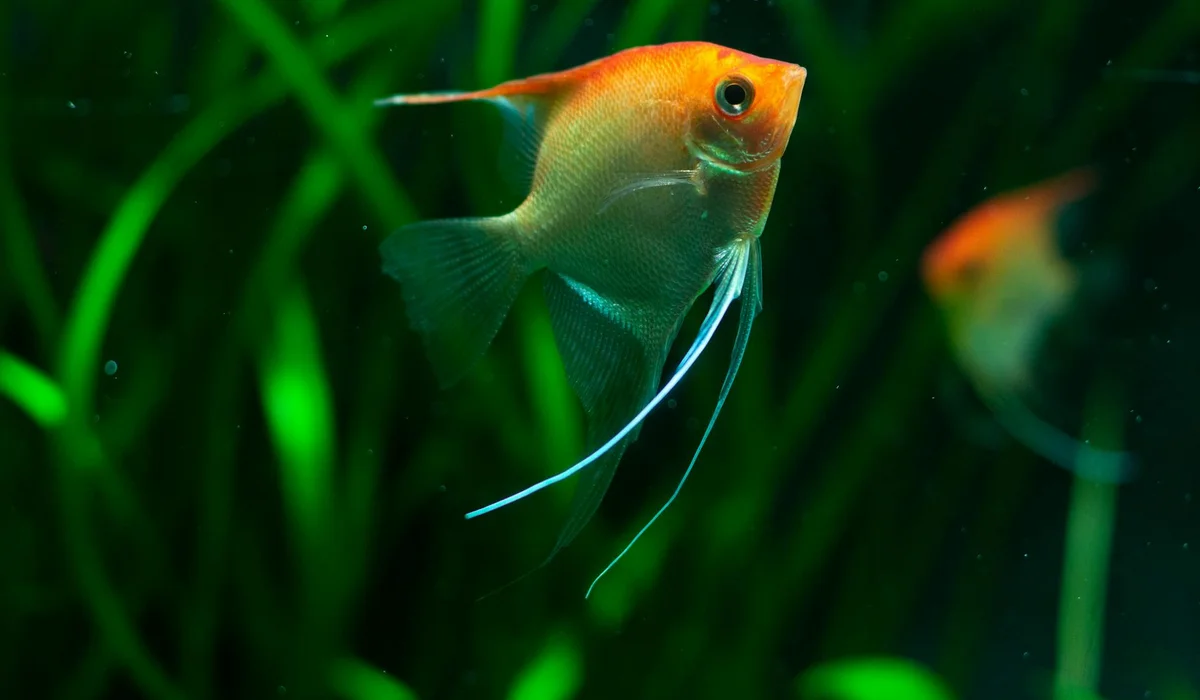
This is your foundation week, where patience pays off for years to come. Start by placing your aquarium stand on a perfectly level, sturdy floor-a full 10-gallon tank weighs over 100 pounds. Rinse your substrate, like sand or fine gravel, in a bucket until the water runs clear to prevent a cloudy start.
A clean, level start is the single best thing you can do for your tank’s long-term health and your own sanity. Position your hardscape-rocks and driftwood-before adding water. This lets you build a stable structure that won’t topple later. When you fill the tank, place a small plate or bowl on the substrate and pour water onto it to avoid disturbing your layout.
Get your filter and heater running immediately. Set the heater to 78-80°F, a good baseline for many tropical community fish. Your tank will look sterile, but that’s about to change.
Weeks 2-4: Mastering the Nitrogen Cycle with a Fishless Approach
This is the most critical phase, where you grow an invisible army of beneficial bacteria. I always use the fishless method; it’s the kindest and most reliable way to cycle a tank. You’ll need a liquid test kit and pure ammonia or fish food to act as a waste source.
Think of the nitrogen cycle as a biological filtration factory you are building from scratch. You’re feeding ammonia to one group of bacteria, which produce nitrite. A second group then consumes the nitrite and produces nitrate, which is far less harmful. The cycle is complete when your test kit reads 0 ppm ammonia, 0 ppm nitrite, and some level of nitrate.
Test your water every other day. You will see a spike in ammonia, then a spike in nitrite, and finally, the welcome appearance of nitrate. This process cannot be rushed. Understanding essential aquarium water parameters—pH, ammonia, and nitrates—and what these numbers indicate will help you interpret the cycle. Keeping test records helps you spot trends and decide when action is needed. A 50% water change at the very end, before adding fish, will lower the nitrate level.
Week 5: Acclimating Your First Fish Residents
Your tank is now a safe, stable environment. It’s time for your first, hardiest fish. I often start with a small school of zebra danios or a group of corydoras catfish like my Shadow. These fish are tough and give you feedback on your water quality.
Never just dump a new fish from the bag into your tank. The shock of different water parameters can be fatal. Instead, use the drip acclimation method for the best results. Float the sealed bag in your tank for 15 minutes to equalize temperature. Then, set up a slow drip from your tank into the bag or a bucket using airline tubing. This method is equally important when you acclimate fish after a water change.
Drip acclimating your fish over an hour dramatically reduces stress and gives them the best chance to thrive in their new home. If you’ve moved the tank or made other significant changes, you may want to wait longer than an hour before reintroducing fish. Waiting 24 hours and testing water parameters can help ensure the tank has stabilized. After an hour, net the fish from the bucket and gently release it into the tank, discarding the store water. Do not feed your new fish for the first 24 hours to let them settle.
Weeks 6-8: Gradual Stocking and Establishing Maintenance
Your filter’s bacterial colony has now strengthened with the first fish. You can begin adding new residents, but slowly. A good rule is to add only one new small group of fish per week. This gives the bio-filter time to adjust to the increased waste load without causing dangerous ammonia spikes.
This is when you establish your permanent maintenance routine. I do a 20-25% water change every single Sunday. I also clean the filter media in a bucket of old tank water during a water change-never under the tap, as chlorine will kill your beneficial bacteria.
Consistency is more important than intensity; a small, weekly water change is far better for your fish than a large, sporadic one. Test your water weekly to catch any issues early. By week eight, you should have a fully stocked, beautifully balanced aquarium with a maintenance habit that feels second nature.
Choosing Your Aquatic Companions: Fish Selection and Compatibility
Building a Harmonious Community Tank
A peaceful community tank is like a carefully curated neighborhood. You need residents that occupy different levels and have compatible temperaments. Think about the tank’s zones and who gets along—top, middle, and bottom. For a standard 20-gallon community, your stocking could look like this:
- Top Dwelling: A single, stunning betta like Captain Fin, or a small school of peaceful hatchetfish.
- Mid-Water Schooling: A group of eight neon tetras or harlequin rasboras that shimmer as they swim together.
- Bottom Cleanup Crew: A group of six corydoras catfish, like peppered or panda cories, that constantly sift through the sand.
Always research the adult size of a fish, not the size you see in the store, to avoid overcrowding. Avoid mixing fin-nippers with long-finned fish like bettas, and never put two male bettas together. Water parameters are also key; you can’t keep soft-water fish like discus with hard-water fish like livebearers.
Specialized Setups: Shrimp, Crab, or Plant-Focused Tanks
Sometimes, the most captivating tanks aren’t centered on fish at all. A dedicated shrimp tank is a bustling micro-world. Neocaridina shrimp, like bright red cherries or blue dreams, are prolific and fascinating to watch. They require pristine, stable water and love densely planted tanks with plenty of biofilm to graze on.
A species-only shrimp tank eliminates all predation worries and lets you observe their complex social behaviors. This complete guide walks you through designing and maintaining such a tank from start to finish. You’ll learn how to choose shrimp species that coexist peacefully, set up appropriate filtration and water parameters, and establish low-stress feeding routines. For something truly unique, consider a small paludarium for vampire crabs. These setups are part-water, part-land, creating a stunning display of terrestrial and aquatic life.
A heavily planted “Dutch-style” or “nature” aquarium makes the plants the main event. You’ll need high-quality lighting, a nutrient-rich substrate, and a source of CO2 to achieve that lush, vibrant carpet and growth. Fish become secondary accents in this living work of art.
Avoiding Common Pitfalls: Mistakes in Aquarium Setup
Rushing the Cycle and Overstocking Dangers
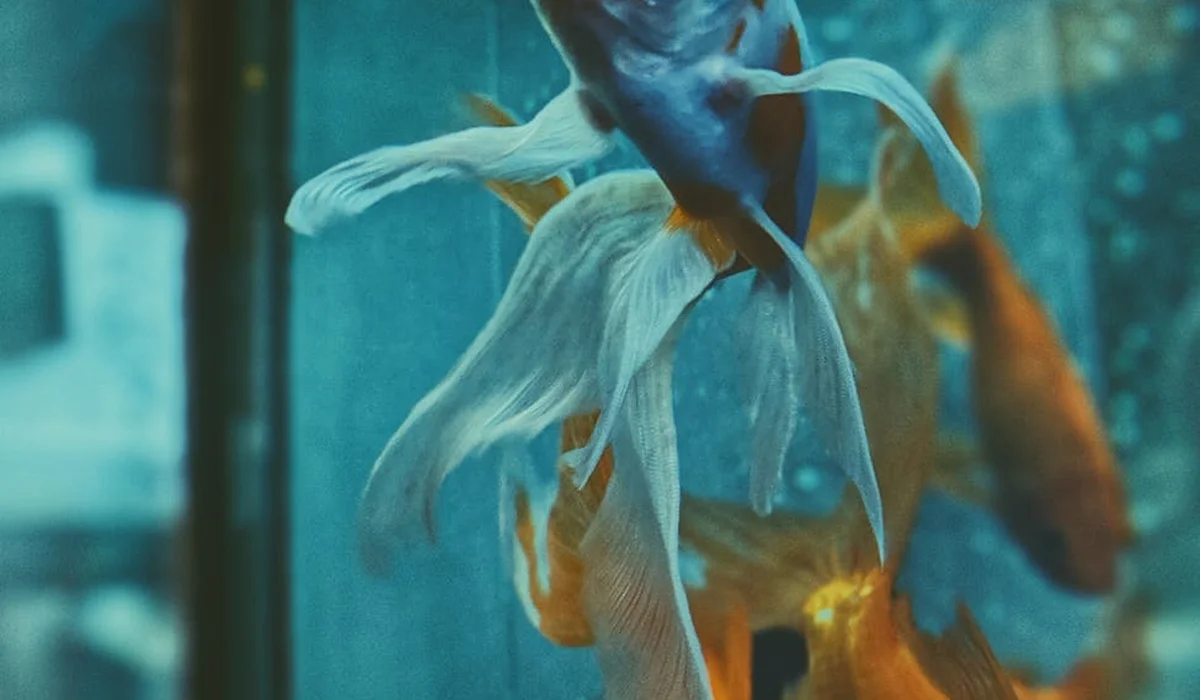
I see this all the time-the excitement of new fish leads to a crashed tank. The nitrogen cycle isn’t a suggestion; it’s the foundation of everything. Think of your filter’s biological media as a city for beneficial bacteria; it needs time for the population to grow before it can handle the waste load of new residents. Adding too many fish at once is like inviting a hundred people to a party in a small apartment; the environment quickly becomes toxic.
You cannot rush this process. A fish-in cycle is stressful for you and dangerous for the fish. My betta, Captain Fin, would flare his gills at the very idea. Here are the biggest stocking mistakes I’ve witnessed:
- Ignoring adult fish size. That tiny cute fish in the store might triple in length.
- Choosing incompatible tank mates. A peaceful community fish won’t last long with a feisty centerpiece.
- Overcrowding the water column. Too many top-dwellers or bottom-feeders creates competition and stress.
- Following the outdated “one inch per gallon” rule. It doesn’t account for fish mass, waste production, or activity level.
Patience is your most powerful tool. A slow, deliberate approach saves you heartache and money.
Equipment and Water Quality Blunders
The quiet hum of a reliable filter is the sound of a healthy tank. Cutting corners on equipment is a gamble you will eventually lose. Your filter should turn over the entire tank volume at least four times per hour; for a 20-gallon tank, that means an 80 GPH (gallons per hour) filter is your bare minimum. I always go one size larger for a safety margin.
Water quality issues often stem from simple, overlooked mistakes. Let’s break them down.
- Using chlorinated tap water without a conditioner. This instantly kills the beneficial bacteria you worked so hard to cultivate.
- Skipping the aquarium test kit. Guessing your water parameters is like driving with a blindfold on.
- Choosing the wrong substrate. Smooth gravel or sand is a must for bottom-dwellers like my corydoras, Shadow, to protect their delicate barbels.
- Forgetting about temperature consistency. A cheap heater with wide temperature swings stresses fish and can trigger disease outbreaks.
Your equipment is your life-support system. Invest in reliability from the start.
Sustaining Your Underwater World: Long-Term Care and Enjoyment
Routine Maintenance for Crystal-Clear Water
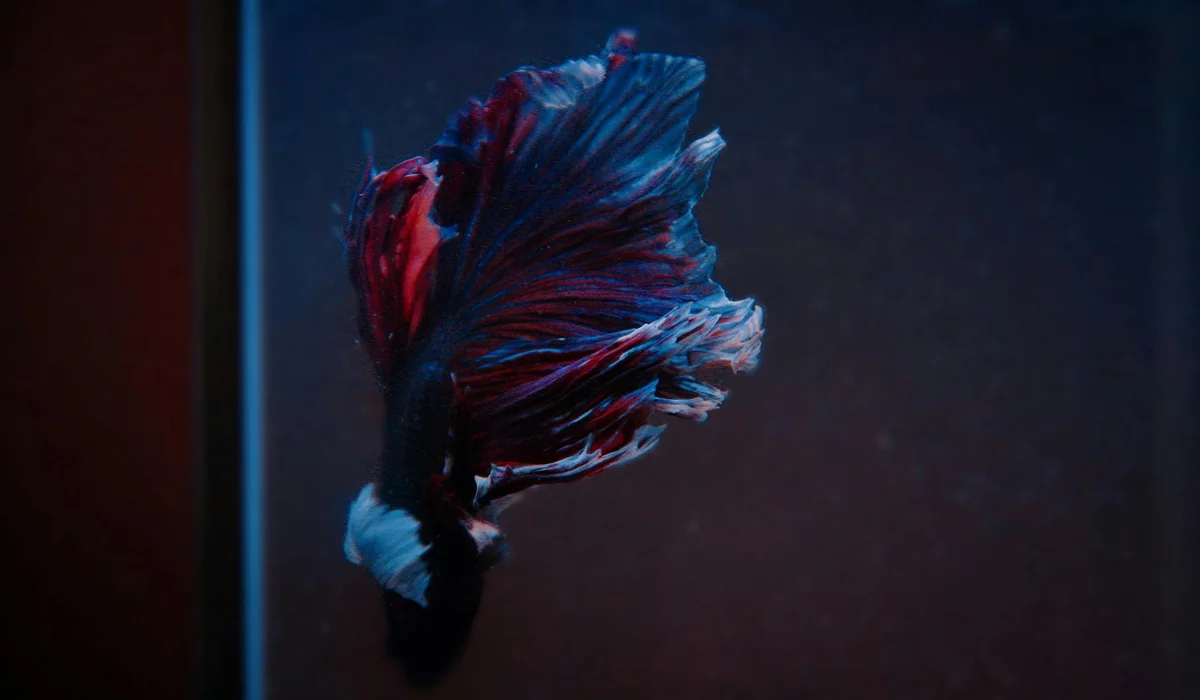
That sparkling water clarity isn’t an accident-it’s the result of a consistent, simple routine. A weekly partial water change of 15-25% is non-negotiable; it dilutes nitrate buildup and replenishes essential minerals that your fish and plants consume. I do mine every Sunday morning; it’s my peaceful ritual with the tank.
Here is my straightforward weekly checklist. It takes me less than 30 minutes.
- Test the water for ammonia, nitrite, nitrate, and pH.
- Use a gravel vacuum to siphon waste from the substrate during the water change.
- Wipe the inside glass with an algae pad to remove any film or spots.
- Rinse filter media in the old tank water you just removed. Never use tap water, as the chlorine will kill your bacteria.
- Refill the tank with temperature-matched, dechlorinated water.
This routine prevents problems instead of just reacting to them. The shimmer of healthy fish scales under clean water is your reward.
Monitoring Health and Preventing Disease
Observing your fish daily is the best disease prevention tool you have. You’ll learn their normal behaviors and spot subtle changes immediately. Quarantining new fish in a separate tank for two to four weeks is the single most effective step to prevent introducing illness to your established community. Do this properly by keeping the quarantine tank clean with stable water parameters and daily observation. It’s a small step that pays off with healthier fish in your entire setup. I learned this the hard way years ago, and now I never skip it.
Watch for these early warning signs in your fish. Catching them early makes all the difference.
- Clamped fins (fins held close to the body).
- Lethargy or hiding more than usual.
- Loss of appetite or spitting out food.
- Flicking or rubbing against objects (flashing).
- Rapid gill movement or gasping at the surface.
Most health issues trace back to water quality or diet. A varied, high-quality diet and pristine water will keep your aquatic friends like Goldie, my ever-foraging goldfish, vibrant and active for years to come.
FAQs
What is a freshwater aquarium sump setup and do I need one?
A sump is an additional tank, usually placed inside the stand, that increases your total water volume and hides equipment like heaters and chemical filtration. Understanding how a sump works and the benefits it provides helps you decide if one is right for your setup. It also clarifies how water flows through the system and how the separate filtration stages contribute to overall stability and ease of maintenance. While not essential for a beginner, a sump provides superior biological filtration and makes maintenance easier by centralizing your gear. For most standard community aquariums, a high-quality canister or hang-on-back filter is perfectly adequate.
What do I need for a successful freshwater shrimp aquarium setup?
A dedicated shrimp tank prioritizes stability and safety. You will need a sponge filter to prevent tiny shrimplets from being sucked in, and a substrate that buffers the water to their preferred slightly acidic parameters, like active soil. Densely plant the tank with mosses and other fine-leaved plants to provide grazing surfaces and ample hiding places from any potential predators. When you’re setting up a shrimp invertebrate aquarium, establish a stable nitrogen cycle before adding shrimp, and ensure water parameters remain consistent to support healthy colonies. This early setup step helps minimize stress and disease risk.
Is a freshwater stingray aquarium setup realistic for a beginner?
No, freshwater stingrays are an advanced, specialized project and are not suitable for beginners. They require an immense tank (often 180 gallons or more for a single specimen), very specific and stable water parameters, and a specialized soft sand substrate to prevent injury. Their high waste output and sensitivity make them a significant challenge even for experienced aquarists.
What is the best freshwater aquarium setup for a complete beginner?
The best beginner setup is a 20-gallon or larger community tank with hardy, peaceful fish. A larger volume of water is more forgiving of beginner mistakes and parameter fluctuations. Focus on a simple, fishless cycle and stock with robust species like zebra danios, corydoras catfish, and livebearers like platies, which are all adaptable and help build a stable ecosystem. To get started, follow a simple, step-by-step guide for setting up your first tank. It will walk you through placement, cycling, equipment setup, and stocking choices.
Ready to Enjoy Your Thriving Aquarium
Stick to the weekly timeline for cycling and stocking to build a stable, healthy environment from the start. Rushing this process is the fastest way to stress your fish and disrupt water quality, so trust the schedule.
Owning an aquarium is a lasting commitment that rewards attentive care and a willingness to learn. Embrace the journey by observing your tank daily and seeking out new insights on fish behavior and water chemistry.
Further Reading & Sources
- API® | Freshwater Aquarium | Start Up & Change Water Simple Care Guide
- 75 ¢ Freshwater Aquarium Handbook Selecting Equipment Elmer’s Master Kit
- Set Up Your Freshwater Aquarium: Step-by-Step Beginner Guide | Petco
- Basic Guide to a Freshwater Aquarium
- Guide to Starting a Freshwater Aquarium | Aquarium Advice Forum Community
Lia is an expert in aquarium and pet fish care. Having worked in the marine industry and having cared for multiple pet fish, she has acquired first hand expertise on aquarium care, maintenance and setup. She always brings her practical expertise and science to help solve any aquarium related queries.
Fish Species