
Your Aquarium’s Missing Piece: The Ultimate Guide to Installing Backgrounds
Hello fellow aquarists! Are you tired of staring at that tangle of cords and equipment behind your beautiful aquascape? Or maybe your fish seem a bit lost against a plain wall? A proper background is the secret ingredient that transforms your tank from good to breathtaking.
This simple guide will walk you through everything you need to know. We will cover:
Choosing the right material for your tank’s style and your budget.
The step-by-step methods for a flawless, bubble-free installation.
Common pitfalls to avoid so you get professional results the first time.
I’ve set up dozens of planted tanks over the years, and a clean background is one of the first things I install for a truly finished look.
Preparing Your Aquarium for Backdrop Installation
Start by giving the outside back glass of your tank a deep clean with a vinegar-water solution and a soft cloth. Removing every speck of dust and grease ensures your background adheres smoothly without frustrating bubbles or peeling later on, especially if you are cleaning the tank with fish still in it. I always do this step during a partial water change when my fish are a bit less active, minimizing stress for everyone.
If your tank is already stocked, gently move any decor or equipment away from the back glass to create a clear workspace. This simple prep prevents accidental bumps and gives you the room needed for a precise, professional-looking application. For larger tanks over 55 gallons, I sometimes use a temporary divider to keep curious fish like my Oranda Goldfish, Goldie, safely out of the way. If you need to move a large, heavy tank, recruit a helper and use proper lifting techniques with a dolly or sturdy board to keep it level. Move slowly and avoid twisting to protect your back and the tank.
Make sure the tank’s exterior is bone-dry before you even think about applying the background. A completely dry surface is non-negotiable for a strong, lasting bond, whether you’re using an adhesive film or a static cling style. I often use a hairdryer on a cool setting to speed this up, especially in my humid fish room.
Gathering Your Installation Tools and Materials
You’ll need a few key items to make this project a success, and having them all within arm’s reach saves time and hassle. Gathering your tools beforehand turns a potentially messy job into a smooth, straightforward process you can finish in one go. Here’s my go-to list based on years of trial and error:
- Your chosen background: Options include static cling (repositionable, no adhesive), vinyl (adhesive-backed), or even a painted-on look.
- A sharp utility knife or razor blade: Essential for trimming excess material for a clean, custom fit.
- A flexible plastic card or squeegee: Use this to smooth out the background and push any trapped air bubbles toward the edges.
- Spray bottle with soapy water: A mix of a few drops of dish soap in water acts as a lubricant for positioning static cling or vinyl backgrounds before they set.
- Clean, lint-free microfiber cloths: For that final wipe-down to ensure a flawless, speck-free view of your aquascape.
For adhesive vinyl backgrounds, I strongly recommend a product specifically designed for aquariums to avoid toxic fumes. Choosing aquarium-safe materials is essential for any tank décor. This helps ensure decorations won’t introduce harmful chemicals into the water. Using an aquarium-safe adhesive protects your fish from harmful chemicals that could leach into the water or air around the tank. Cheap tapes or glues can fail quickly and create a hazy, uneven appearance that ruins the shimmer of your fish’s scales.
Consider the long-term as well; a high-quality vinyl background is durable and easy to clean, while static clings offer flexibility for design changes. Investing in the right material from the start means you won’t be redoing this job in six months when peeling or fading starts. On my own planted tanks, I prefer the rich, opaque finish of a dark blue vinyl to make the greens and reds of the plants and fish like Captain Fin really stand out.
Step-by-Step Installation for Different Background Types
Installing Vinyl Backdrops
Vinyl backgrounds are my personal favorite for their durability and sharp image quality. The secret to a flawless, bubble-free finish is using a spray bottle with a soapy water solution. Mix a few drops of dish soap with water in a spray bottle-this creates a slippery surface that lets you slide the vinyl into the perfect position before it adheres.
- Thoroughly clean the outside of your aquarium glass with white vinegar to remove any dust or oily fingerprints.
- Lay the vinyl backdrop face-down on a clean, flat surface and generously spray the entire adhesive side with your soapy water mixture.
- Carefully position the top of the backdrop against the top of the tank, allowing the rest to hang down. The water will let it stick temporarily.
- Using a plastic card or a soft squeegee, start from the center and firmly push outward toward the edges to smooth the backdrop and force out all the water and air bubbles.
- Wipe away any excess water that squeezes out the sides with a clean, dry cloth. Let it dry completely for 24 hours before turning on tank lights, as the heat can interfere with the adhesion process.
Installing Static Cling Backgrounds
These are fantastic for renters or indecisive aquascapers because they are completely removable and reusable. The key here is also a wet application, but the technique is slightly different from vinyl. Applying a static cling background to a perfectly clean and wet surface is what activates the static charge that holds it in place.
- Clean the outside glass meticulously. Any tiny speck of dirt will be visible as a bump once the background is on.
- Fill a spray bottle with plain water. Do not use soap, as it can break down the static properties.
- Spray the entire surface of the glass until it is uniformly wet.
- Place the static cling film against the glass. It will stick lightly on its own.
- Use your squeegee or credit card again, working from the top center down and out to smooth the film and push out all the water. Pay extra attention to the edges to ensure a tight seal.
- If a bubble persists, you can gently peel back that section, re-spray the glass with water, and re-smooth it.
Installing 3D Backgrounds
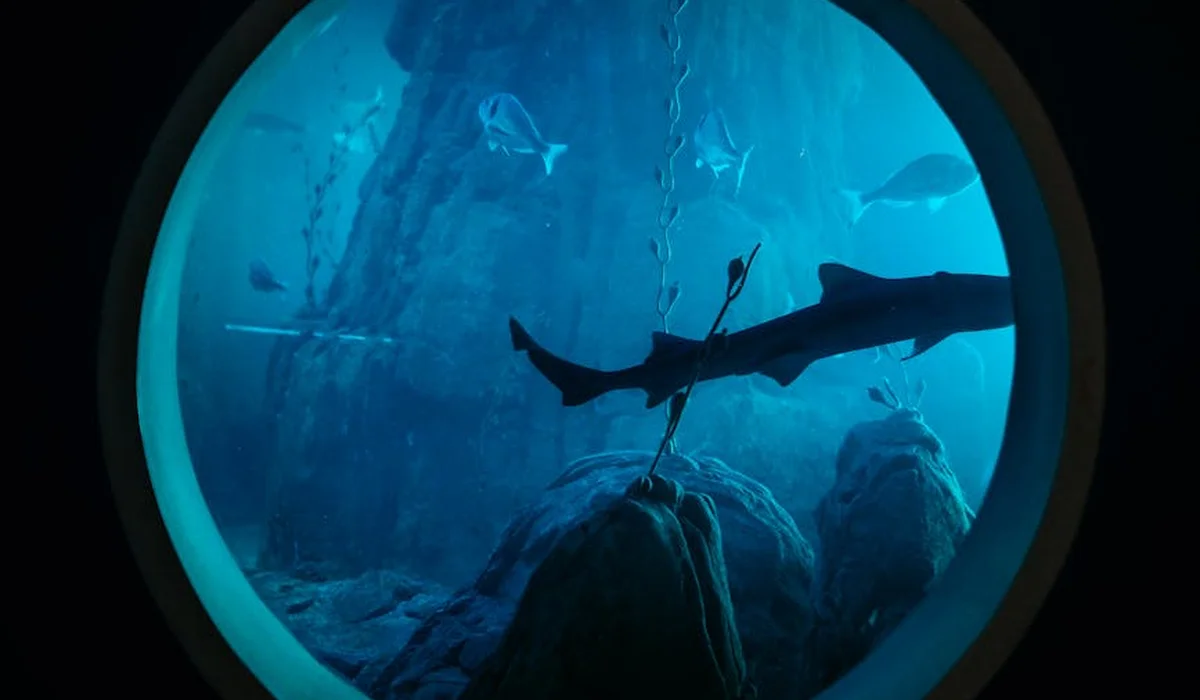
3D backgrounds transform your tank into a true underwater landscape, but their installation is a physical process that requires planning. You must install these before adding any water, substrate, or decorations to the aquarium. Never use standard household silicone to secure a 3D background, as it often contains mildew inhibitors that are toxic to fish. You must use 100% aquarium-safe silicone sealant.
- With the tank completely empty and dry, do a dry fit. Place the 3D background inside to check the fit and make any necessary trims with a handsaw.
- Remove the background and apply generous beads of aquarium silicone to the back of the panel, focusing on the edges and a few lines in the center.
- Press the background firmly into place against the rear glass. You can use painter’s tape to hold it steady while the silicone cures.
- Follow the silicone manufacturer’s instructions for full curing time, which is typically 24-48 hours. Do not rush this step.
- After the silicone is fully cured, you can begin adding your substrate and carefully filling the tank with water.
Avoiding Common Installation Problems
Even with careful work, a few issues can pop up. Most are easily fixable if you know the right tricks.
Bubbles are the most common frustration with flat backgrounds. If you spot a bubble a few days after installation, you can often fix it by pricking it gently with a pin and using your card to smooth the air out. For larger bubbles, you may need to peel back that section and re-wet the surface to re-adhere it.
Peeling edges on a vinyl backdrop mean there’s a breach in the seal. You can usually fix a peeling edge by lifting it slightly, injecting a small amount of your soapy water solution underneath with a syringe, and then re-smoothing it firmly with your squeegee.
For 3D backgrounds, the main concern is ensuring they don’t become a trap for debris or a danger to your tank. Always seal the edges of a 3D background completely with silicone to prevent fish, food, and waste from getting stuck behind it, which can severely impact your water quality. Also, double-check that it is absolutely secure before filling the tank to avoid a catastrophic collapse.
Maintaining Your Aquarium Background Over Time
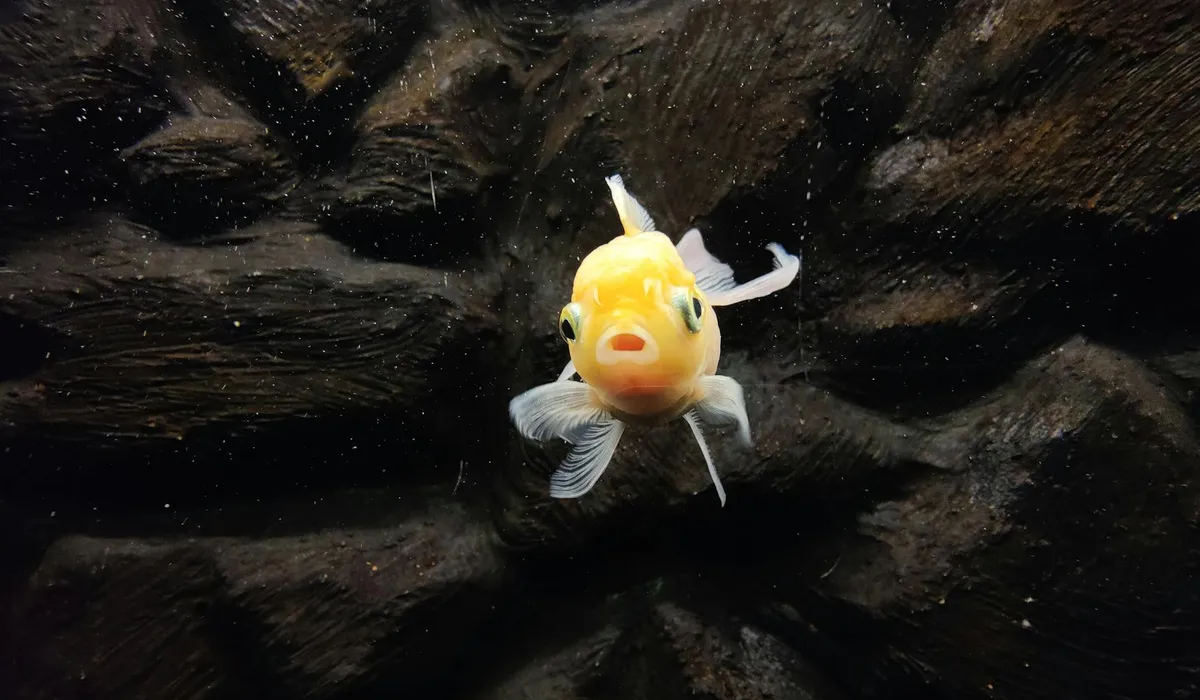
Once your background is securely in place, a little regular upkeep keeps it looking sharp and prevents issues down the line. A clean background not only enhances the visual appeal of your tank but also helps you spot any changes in your fish’s health or behavior more easily. I’ve found that dedicating just a few minutes during my weekly water change makes all the difference.
Your Simple Cleaning Routine
Algae love to cling to smooth surfaces, and your background is a prime target. For a quick clean, I use a clean, soft algae magnet or a pad designed for acrylic tanks to gently wipe the outside glass. Never use soap or household cleaners, as residue can be deadly to your fish if it seeps into the water. For stubborn spots on the outside, a splash of white vinegar on a cloth works wonders. To keep algae from sticking in the long run, make regular, gentle glass cleaning a routine. Wipe or scrape the glass weekly to maintain a clear view.
- Wipe the exterior glass weekly with an algae scraper or pad.
- For backgrounds inside the tank, gently clean during water changes with a soft brush.
- Always use tools and cleaners labeled as aquarium-safe to protect your fish.
Stopping Algae Before It Starts
Algae growth is often a sign of an imbalance in your tank’s ecosystem, usually from too much light or excess nutrients. Controlling your tank’s light cycle is the single most effective way to reduce algae on your background and throughout the aquarium. In my own tank with Goldie the goldfish, I cut the light time by two hours and saw a dramatic drop in green film. For planted aquariums, providing enough light for healthy plant growth while avoiding excess nutrients helps keep algae in check. Healthy plants outcompete algae for nutrients, making maintenance easier.
- Limit your tank lights to 6-8 hours per day.
- Perform consistent weekly water changes of 15-25%.
- Ensure your filter is properly sized and cleaned to remove excess waste.
Inspecting for Damage and Wear
Over time, backgrounds can peel, bubble, or fade, especially with fluctuating humidity and temperature. Make it a habit to visually inspect the edges and surface of your background every time you clean the glass. I once missed a small lifted corner on Shadow the Corydoras’s tank, and it slowly let moisture behind the film, creating a hazy patch.
If you notice peeling, you can often re-seal the edge with a tiny bit of aquarium-safe silicone. For painted backgrounds, a simple touch-up with non-toxic acrylic paint can fix minor scratches or chips. If the damage is widespread or the background is discolored, it might be time for a fresh start.
Integrating Background Care into Overall Tank Health
Think of your background maintenance as part of your larger aquarium ecosystem care. A well-maintained background supports a stable environment by preventing debris traps and allowing for clear observation of your fish and plants. The hum of the filter and the shimmer of your fish’s scales are best enjoyed against a pristine backdrop. Regular cleaning is part of aquarium maintenance—wipe the backdrop and remove algae to keep the view clear. Consistent upkeep helps prevent buildup and supports the long-term health of your aquarium.
- Sync background checks with your filter media cleaning schedule.
- Use a soft-bristled brush to dislodge any detritus from textured backgrounds during gravel vacuuming.
- Monitor water parameters like nitrate levels, as high readings often correlate with increased algae on all surfaces.
FAQs
How do I choose the right size when ordering an aquarium background online?
Measure the height and width of your tank’s back glass accurately, and check the product dimensions listed online to ensure a proper fit. Many online retailers offer custom sizing options, so you can input your measurements for a tailored backdrop. Always account for any trim or frames that might affect the installation area to avoid gaps or overhang. To ensure you’re measuring correctly, take all three dimensions—width, height, and depth—for a precise fit, and use interior measurements if the backdrop sits inside the rim.
What should I do if the background arrives wrinkled from shipping?
Lay the background flat on a clean surface with the image side down and gently roll it in the opposite direction to smooth out minor wrinkles. For persistent creases, you can lightly mist it with water and use a hairdryer on a low, cool setting to help relax the material before installation. Avoid using heat on adhesive-backed vinyl to prevent damaging the glue or causing bubbles during application.
Can I install a background on a tank that is already set up and stocked?
Yes, you can install most static cling or vinyl backgrounds on a stocked tank by carefully cleaning the exterior glass and working around decor. Ensure the tank is stable and move any curious fish temporarily away from the back glass to reduce stress during the process. For 3D backgrounds, however, the tank must be empty to allow for secure silicone adhesion and avoid water contamination.
How do I safely remove an old background before installing a new one?
Start by peeling off as much as possible by hand, then use a plastic scraper or credit card to gently lift any stubborn edges without scratching the glass. For adhesive residues, apply a small amount of rubbing alcohol or vinegar to a cloth and wipe the area clean, ensuring no chemicals enter the tank. Always rinse and dry the glass thoroughly before applying a new background to achieve a smooth, bubble-free finish. To prevent scratches when cleaning your fish tank, use only non-abrasive tools and apply light pressure. Avoid metal scrapers or stiff brushes that could mar the glass.
A Beautiful Backdrop for Happy Fish
For a perfect installation, always start with a clean, dry tank glass and apply the background slowly to prevent air bubbles. This is part of a step-by-step guide to creating a planted aquascape. Follow the guide to plan substrate, hardscape, and plant layout for a cohesive result. This careful approach gives you a crisp, professional look that enhances your entire aquascape.
Creating a lovely home for your fish is a rewarding part of being a pet owner. I encourage you to keep learning about their needs, because a thriving aquarium is a journey of continuous discovery and care. Consider using a month-by-month aquarium care plan—a simple full-year planner to keep your tank thriving all year long.
Further Reading & Sources
- How to Install Aquarium Vinyl Backgrounds – Aquarium Vinyl
- Aquarium Backgrounds Guide – Types, DIY Ideas, and Installation Tips
- Everything you need to know about aquarium backgrounds
- Setting Up | Aquadecor LLC
- How to Install an Aquarium Background in 10 Simple Steps
Lia is an expert in aquarium and pet fish care. Having worked in the marine industry and having cared for multiple pet fish, she has acquired first hand expertise on aquarium care, maintenance and setup. She always brings her practical expertise and science to help solve any aquarium related queries.
DIY Projects