
Your Guide to Aquascaping Styles: From Nature to Dutch & Beyond
Hello fellow aquarists! You’ve got your tank cycled and your fish are happy, but now you’re staring at that empty landscape wondering how to make it look like those breathtaking underwater gardens you see online. Moving from basic fish keeping to artistic aquascaping is an exciting leap, and it all starts with picking a style that speaks to you.
This guide will walk you through the most popular aquascaping styles so you can design a tank that is uniquely yours. We will cover:
- The Nature Aquarium style, which mimics wild landscapes.
- The vibrant and orderly Dutch aquarium approach.
- The minimalist stone art of Iwagumi layouts.
- The essential tools and plants needed to get started.
- Simple maintenance tips to keep your aquascape thriving.
I’ve spent years cultivating everything from complex Dutch streets to serene Iwagumi layouts for fish like my betta, Captain Fin, and my corydoras, Shadow.
- ✓
- ✓
- ✓
- ✓
- ✓
- ✓

What is Aquascaping and Why Start Now?
Think of aquascaping as underwater gardening for your fish tank. You are the artist, and the plants, rocks, and wood are your paints and brushes. In this step-by-step aquascape guide, you’ll learn how to plan, set up, and plant a beautiful aquascape planted aquarium. We’ll break the process into simple, actionable stages so you can create your own underwater landscape with confidence.
It’s like painting a living picture that grows and changes over time, right inside your home. The shimmer of scales against a lush green background is a sight you’ll never tire of.
Starting this hobby now brings so many rewards. Your fish become healthier and more vibrant with a natural environment that reduces their stress. You get to create a stunning visual centerpiece. And for you, it becomes a deeply relaxing and rewarding creative outlet.
What Makes an Aquascape Truly Beginner-Friendly?
A beginner-friendly aquascape is one that forgives small mistakes and doesn’t demand constant attention. It’s built on a foundation of stability and simplicity. To stay on track, beginners can sidestep the 9 common design mistakes that typically trip up new aquascapers. Keeping the design simple from the start helps maintain stability and easy maintenance.
The goal is to create a beautiful tank that thrives with a basic care routine, not one that requires a PhD in botany to maintain. This approach lets you enjoy the process without the panic.
Look for these key traits when planning your first scape:
- Slow-Growing Plants: Species like Java Fern and Anubias grow slowly, meaning less trimming and fewer nutrient demands. They are the patient, low-drama stars of the beginner’s tank.
- Simple Hardscape: Using just one or two large pieces of dragon stone or driftwood creates a powerful focal point without a complicated layout. This avoids the clutter that can trap waste and disrupt water flow.
- Stable Water Conditions: Beginner-friendly plants and scapes are more tolerant of slight fluctuations in pH and temperature, which are common as new aquarists learn the ropes of water testing.
- Low Maintenance: These tanks don’t need daily dosing of fertilizers or high-powered lighting. A simple weekly water change and a quick glass wipe are often all that’s needed to keep everything in balance.
- Forgiving Nature: If you miss a water change or the fertilizer dose, a beginner-friendly setup is resilient. The plants might grow a bit slower, but they are unlikely to melt away entirely, giving you time to correct course.
Choosing the right plants and hardscape from the start is the single biggest factor in ensuring your first aquascaping experience is a success, not a struggle. I’ve seen too many new hobbyists get discouraged by a tank that grows out of control overnight; starting simple builds confidence.

Exploring Classic Aquascaping Styles for Starters
Nature Aquarium Style
This style recreates miniature landscapes you’d find on a hike through a forest or along a riverbank. The goal is a natural, flowing layout that feels both wild and perfectly composed.
You will use driftwood and stones like Seiryu rock or Dragon stone to build the bones of your layout, creating hills, valleys, and a clear focal point. The hardscape isn’t just decoration; it’s the foundation.
For plants, stick with forgiving species that attach to your hardscape. I always recommend Java Fern and Anubias for beginners. You simply tie them onto wood or rock with cotton thread, and their roots will eventually anchor themselves.
Dutch Aquarium Style
Think of a Dutch aquarium as an underwater flower garden. This style is all about the plants themselves, with a heavy focus on dense groupings, contrasting leaf shapes, and stunning color harmony.
You arrange plants in distinct “streets” or groups, using tall stem plants in the back and shorter, colorful ones in the front to create depth. It’s a living tapestry.
Start with easy stem plants like Hornwort, Rotala rotundifolia, and Ludwigia repens. They grow quickly and let you practice the most critical part of Dutch style: regular, meticulous pruning. You’ll be trimming every week or two to maintain those crisp, defined lines.
Iwagumi Style
Iwagumi is the art of minimalism, originating from Japanese stone gardens. The layout is built around a strict, odd-numbered arrangement of rocks, with plenty of open space that creates a powerful sense of tranquility.
The main challenge here is achieving perfect visual balance with just a few elements; every stone’s placement and angle is critical. It looks simple, but it’s deceptively difficult to get right.
You’ll need a lush carpet to represent the “sea” around the rocks. Dwarf Hairgrass or Monte Carlo are great choices, but they often require high lighting and injected CO2 to thrive and spread. Be prepared for a bit more technical maintenance to keep that carpet pristine.
Other Styles to Spark Inspiration
If you’re feeling adventurous, you can look ahead to styles like the Biotope and Paludarium.
- Biotope Aquarium: This is about replicating a specific geographic location down to the last detail-the water parameters, plant species, fish, and hardscape. It’s a fascinating project for experienced hobbyists who love research and precision.
- Paludarium: This style combines an aquatic section with a dry land area, often featuring plants that grow emersed (out of the water) and sometimes even small amphibians or reptiles. The complexity of managing two different environments makes this a project best tackled after you’ve mastered a standard aquarium.
While beautiful, these styles involve a steeper learning curve and are generally better suited for aquarists who already have a few successful tanks under their belt. They are fantastic goals to work towards as your skills grow.
Essential Gear for Your First Aquascape
Assembling the right tools from the start transforms a frustrating chore into a joyful, creative process. Investing in the correct gear upfront prevents countless headaches and lays the foundation for a thriving underwater world. Let’s break down the non-negotiables.
-
The Aquarium Tank
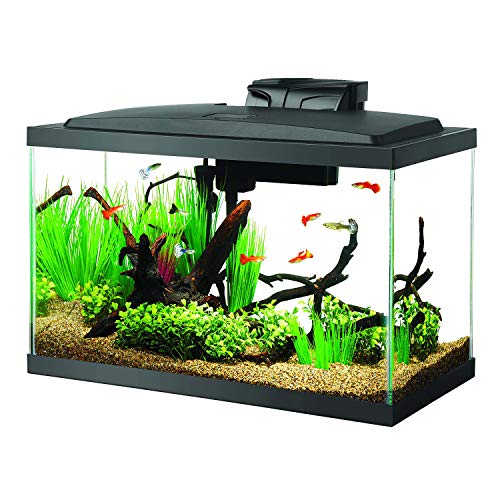
Size and stability are everything. A larger tank, think 10 to 20 gallons for your first attempt, is actually easier to manage than a tiny bowl. The greater water volume dilutes waste, preventing rapid chemistry swings that stress your fish. A standard rectangle offers more swimming space and easier scaping than a tall, narrow tank. For a budget-friendly start, a simple Aqueon or Top Fin rimmed glass tank is a durable and reliable choice.
-
Filtration System
Your filter is the lungs and waste management system of your aquascape. It houses beneficial bacteria that break down harmful ammonia from fish waste. Look for a filter rated for a tank size larger than your own to ensure powerful mechanical and biological filtration. To choose the right filter for your tank size, match the flow rate and media capacity to your tank’s volume. A correctly sized filter will keep water clear without stressing inhabitants. I’m a big fan of hang-on-back filters for beginners; they are affordable, easy to maintain, and provide excellent water flow. Sponge filters are another superb, low-cost option, especially for shrimp or fry tanks.
-
Aquarium Light
Light is food for your plants. The right spectrum and intensity dictate whether your flora thrives or merely survives. For a planted tank, you need a full-spectrum LED light designed for plant growth, not just a simple single-color bar. Many affordable LED models from brands like Nicrew or Hygger offer programmable timers and color settings perfect for low-to-medium light beginner plants. Understanding the PAR and spectrum of aquarium lights is essential before making a purchase.
-
Aquarium Substrate
This is more than just pretty gravel; it’s the foundation for your entire layout and a pantry for plant roots. Nutrient-rich substrates like aquasoils actively soften water and release fertilizers, giving root-feeding plants a massive head start. If an entire tank of specialty soil stretches your budget, you can use a base layer of organic potting soil capped with a thicker layer of sand or inert gravel. This DIY approach is incredibly effective and cost-efficient.
-
Aquascaping Tools
These are your paintbrushes and sculpting tools. Trying to position a delicate stem plant with your fingers is like trying to write with a glove on. A basic kit with long tweezers for planting and sharp scissors for trimming keeps your hands dry and your plants undamaged. You can find perfectly serviceable stainless steel tool sets online that make the planting process precise and meditative, not a messy struggle.
Step-by-Step Setup for a Thriving Aquascape

Choosing Your Substrate
Your substrate is more than just decoration; it’s the foundation for your entire planted ecosystem. You’ll mainly choose between nutrient-rich substrates and inert ones.
- Nutrient-Rich Substrates: These are like a pre-fertilized garden bed for your plants. Brands like ADA Aqua Soil or Fluval Stratum are packed with essential nutrients that root-feeding plants love. They often lower pH slightly, which is great for many tropical species.
- Inert Substrates: Sand and gravel are inert, meaning they don’t alter water parameters or provide nutrients. Plants can still grow in them, but you must provide all fertilization through root tabs and liquid fertilizers.
For a beginner, I always recommend starting with a dedicated planted tank soil; it forgives a lot of early mistakes and gives your plants a powerful head start.
Lighting for Lush Growth
The right light is the engine of photosynthesis, and getting it wrong is a fast track to algae city. You need to consider both intensity and duration.
- Intensity: Low-light plants like Anubias are fine with less, but for a carpeting plant, you’ll need high-intensity light. A good starting point is a light that provides medium intensity for about 6-8 hours a day.
- Duration: Use a simple timer! Consistency is key. I run my lights for 7 hours with a siesta period in the middle to help curb algae without stunting plant growth.
Modern full-spectrum LED lights with adjustable brightness and a built-in timer are your best bet, offering control and energy efficiency in one sleek package.
Cycling Your Tank Properly
This is the most critical step for a healthy tank. The nitrogen cycle establishes the beneficial bacteria that will process fish waste. Don’t rush it. Understanding the nitrogen cycle helps explain why it’s crucial for your aquarium. It prevents toxic ammonia spikes and keeps water safe for your fish.
- Set up your tank with substrate, hardscape, and filter. Then, introduce an ammonia source. You can use a few pinches of fish food or a dedicated liquid ammonia solution.
- Test your water every other day with a liquid test kit. You’ll first see ammonia spike, then it will fall as nitrites appear. Finally, nitrites will drop and nitrates will rise.
- The cycle is complete when your tank can process 1-2 ppm of ammonia into nitrates within 24 hours. Only then is it safe to slowly introduce your plants and, later, your fish.
Patience during the cycling process, which can take 4-8 weeks, is the ultimate act of kindness you can show your future aquatic pets.
Picking and Placing Plants
Choosing the right plants and putting them in the right spots makes all the difference between a good scape and a great one.
- Easy Beginner Plants: Start with hardy, forgiving species. My go-to list includes Java Fern, Anubias, Java Moss, Amazon Sword, and Vallisneria. These plants can handle a range of conditions and help stabilize your new tank.
- Arranging by Height: Think in three distinct layers. Use short plants like Dwarf Hairgrass or Monte Carlo in the foreground. Place medium-height plants like Cryptocoryne in the midground. Reserve tall, fast-growing plants like Hornwort or Rotala for the background to hide equipment.
Attaching epiphyte plants like Java Fern to driftwood or rocks instead of burying their rhizomes will prevent them from rotting and give you more layout flexibility.
Designing Your Layout
This is where your aquascape comes to life. A few simple design principles can create a stunning sense of depth and balance. So, what are the core principles of aquascaping design? They boil down to balance, focal points, contrast, color, and depth.
- Creating Depth: Use optical illusions! Place larger rocks and wood pieces in the foreground and gradually use smaller pieces as you move toward the back of the tank. Angling your hardscape to point towards a single focal point also draws the eye inward.
- The Rule of Thirds: Imagine your tank front is divided by two equally spaced horizontal and vertical lines. Placing your main point of interest-a beautiful piece of driftwood or a unique rock-at one of the four intersections creates a naturally pleasing and dynamic composition.
Don’t be afraid to get your hands wet and move things around multiple times; the best layouts often emerge from experimentation, not just a single perfect plan.
Daily Care to Keep Your Aquascape Beautiful
Keeping your aquascape thriving is like tending a miniature garden-it rewards daily attention. I’ve learned that consistent, simple routines prevent big problems and keep your underwater world crystal clear.
Water Testing for a Balanced Ecosystem
Test your water weekly to catch issues before they affect your fish and plants. Monitoring the essential water quality parameters—ammonia, nitrite, nitrate, pH, and hardness—lets you catch trouble early. Ammonia spikes from waste can burn gills, while high nitrates fuel algae that clouds your view. I use a liquid test kit every Sunday—it’s become a ritual that saves me from emergency water changes.
- Ammonia: Aim for 0 ppm; any reading above that signals an unbalanced tank.
- Nitrite: Keep it at 0 ppm to avoid stressing your fish.
- Nitrate: Below 20 ppm is ideal for most planted tanks.
- pH: Match it to your fish’s needs-for example, 6.5-7.5 works for many community tanks.
Liquid Fertilizers: Easy Nutrition for Your Plants
Beginners should start with liquid fertilizers-they’re simple to dose and don’t disturb your substrate. Plants need nutrients like nitrogen and iron to grow lush and vibrant. In my tanks, a weekly dose of all-in-one liquid fertilizer keeps plants like Anubias and Java Fern from turning yellow.
- Choose comprehensive formulas to avoid guessing which nutrients are missing.
- Dose after water changes for even distribution.
- Watch plant response; reduce if algae appears, as over-fertilizing can cause outbreaks.
Simple CO2 Methods for Healthier Growth
Liquid carbon is a beginner-friendly way to boost plant growth without complex equipment. It’s a liquid you add daily that plants absorb as a carbon source. I’ve found liquid carbon reduces algae by helping plants outcompete it for resources.
- Use a dropper to add the recommended dose directly into the water.
- Start with half the recommended amount to observe how your plants react.
- It’s less effective than pressurized CO2 but far easier for low-tech setups.
Pruning Techniques to Control Overgrowth
Regular pruning keeps your aquascape from becoming a jungle. Trim stem plants by cutting above a leaf node to encourage bushy growth. I use sharp aquascaping scissors to snip slowly, preserving the shape I designed months ago.
- Remove dead or yellow leaves first to prevent decay.
- Cut stem plants at an angle to promote new shoots.
- Thin out dense areas to let light reach lower plants.
- Always clean tools between uses to avoid spreading disease.
Budgeting Smart for Your Aquascaping Journey
Let’s talk about the financial side of creating your underwater masterpiece. A beautiful aquascape doesn’t have to drain your bank account. I’ve set up dozens of tanks, from high-end showpieces to stunning budget builds, and I can tell you that smart planning makes all the difference.
Breaking Down the Startup Costs
The initial investment can feel overwhelming, so let’s separate it into manageable parts. Think of it as building a house-you need a solid foundation before you decorate.
Essential Equipment
- Tank: A standard 10-gallon tank costs around $15-$20, while a larger 20-gallon “long” tank (a fantastic aquascaping shape) runs $50-$80.
- Lighting: This is non-negotiable for plant growth. A good-quality LED light for a planted tank starts at about $60 and can go well over $200 for high-tech setups.
- Filtration: A reliable hang-on-back or canister filter is key. Budget between $40 and $150. Don’t cheap out here; your filter is the heart of your tank’s ecosystem.
- Substrate: Inert gravel is cheap ($10-$20), but specialized plant substrates like aquasoil, which nourishes roots, cost more ($25-$40 per bag).
- CO2 System (Optional but Recommended): For lush, fast growth, a pressurized CO2 system is a game-changer. A basic regulator, diffuser, and tank will start around $150-$200.
Plants and Hardscape
- Beginner Plants: Species like Java Fern, Anubias, and Hornwort are affordable, often $5-$10 per bunch. They’re also incredibly hardy.
- Advanced Plants: Carpeting plants or rare stems can cost $15-$30 for a small portion. Start with easy, fast-growing plants to fill in your scape economically.
- Hardscape (Rocks & Driftwood): This is where costs can spike. A single, beautiful piece of Spiderwood or Seiryu stone might be $30-$80. You typically need multiple pieces.
Ongoing Supplies
- Fertilizers: All-in-one liquid fertilizers are simple and cost about $20 for a bottle that lasts months.
- Water Conditioners & Test Kits: A liquid test kit for pH, Ammonia, Nitrite, and Nitrate is a one-time $30 investment. Water conditioner is cheap but essential.
- Filter Media & Food: These are recurring, minimal costs, maybe $10-$15 every few months.
My Top Tips to Save Money
You can build a breathtaking aquascape without a breathtaking bill. I’ve used every one of these tricks myself.
- Buy Used Tanks and Equipment: Check local marketplaces and aquarium clubs. You can often find a full setup for half the price of buying new. Just inspect the tank for leaks before you buy!
- Propagate Your Own Plants: Instead of constantly buying new plants, learn to trim and replant your existing ones. One stem plant can become a forest in a few months.
- Source Hardscape Locally: You’d be amazed at what you can find. Safe, aquarium-suitable rocks and driftwood can often be collected from nature for free, saving you a fortune. Just research proper cleaning and preparation methods first.
- Start with a Low-Tech Tank: Skip the CO2 system initially. A low-tech tank with easy plants grows slower but is far cheaper and teaches you the fundamentals of plant care.
- Use a DIY CO2 System: As a temporary or budget solution, a yeast-based CO2 system can cost under $10 to make. It’s less consistent than a pressurized system but can give your plants a boost.
Common Beginner Mistakes and Easy Fixes

Everyone makes a few blunders when they start aquascaping; I certainly did. The good news is that these common issues have straightforward solutions that will set your tank on the path to success.
Overplanting Your Layout
It’s tempting to buy one of every beautiful plant you see, but jamming them all in creates a cluttered, chaotic look. Plants also compete fiercely for light and nutrients, stunting each other’s growth. The most effective aquascapes often use just a handful of plant species arranged in distinct groups for a powerful visual impact.
- Easy Fix: Start with a “less is more” approach. Choose one or two star plants for your focal point and build around them.
- Use fast-growing stem plants like Hornwort in the beginning to help control nutrients, and trim or remove them as your showcase plants mature.
- Always research a plant’s final size and growth speed before purchasing to avoid constant pruning battles.
Ignoring Water Flow and Circulation
You might not see it, but water movement is the silent engine of a healthy aquascape. Stagnant pockets become dead zones where waste collects and CO2 doesn’t reach your plants. Proper flow ensures nutrients and CO2 are distributed evenly to every leaf, which is absolutely vital for lush plant growth.
- Easy Fix: Observe your tank after setup. Do you see debris settling in certain corners? Are some plant leaves completely still?
- Adjust the direction of your filter outlet to create a gentle, circular current throughout the entire tank.
- For longer tanks, consider adding a small, low-flow circulation pump to eliminate dead spots and keep the water crystal clear.
Letting Algae Take Over Early
Seeing that first patch of green fuzz can feel defeating, but algae is just a sign that your tank’s balance is off. It’s not a failure, but a message. The most common triggers are too much light, excess nutrients, or unstable CO2 levels. Algae is a symptom, not the disease itself, so focus on correcting the underlying tank conditions.
- Easy Fix: Manually remove as much algae as you can during water changes by gently wiping leaves and scrubbing hardscape.
- Reduce your photoperiod to 6-8 hours a day and ensure you are not overfeeding your fish, as leftover food decays into algae fuel.
- Introduce a clean-up crew like Amano shrimp or Nerite snails; they are fantastic, natural helpers in the fight against algae.
Common Questions
What substrate is best for beginner planted tanks?
For beginners, a nutrient-rich substrate, often called aquasoil, is highly recommended. It actively buffers the water and provides essential nutrients directly to plant roots, which helps prevent early deficiencies. While inert substrates like sand or gravel are cheaper, they require you to supplement with root tabs for rooted plants to thrive.
What lighting is suitable for beginner aquascapes?
A full-spectrum LED light designed for planted tanks is ideal, as it provides the right spectrum for photosynthesis without excessive heat. Aim for a light with adjustable intensity or a timer to provide 6-8 hours of light daily, which is perfect for low-to-medium light plants. This controlled photoperiod is crucial for preventing algae outbreaks while ensuring your plants get the energy they need. Knowing how long to keep aquarium lights on for both fish and plants is essential for a healthy tank.
How do I cycle my new aquarium for plants?
Cycling establishes beneficial bacteria that process harmful fish waste. You can start the cycle by adding an ammonia source, like fish food or pure ammonia, to your set-up tank with the filter running. In a fishless ammonia cycling method, you supply ammonia directly (no fish needed) and monitor levels until the cycle completes. This approach helps establish the colony safely before introducing any fish. The cycle is complete when a test kit shows zero ammonia, zero nitrites, and the presence of nitrates, a process that typically takes 4 to 8 weeks.
What are beginner friendly aquatic plants?
Excellent beginner plants are hardy, slow-growing, and have low demands for light and CO2. Top choices include Java Fern and Anubias, which you can attach to hardscape, as well as sturdy stem plants like Hornwort. These species are very forgiving of minor fluctuations in water parameters, making them perfect for a first aquascape.
Your Aquascaping Journey Begins Now
Ultimately, the best aquascaping style for you is the one that makes you want to sit and watch your tank for hours. Let your available time, budget, and personal taste guide you toward Nature, Dutch, Iwagumi, or another style that sparks your creativity.
Remember that a beautiful aquascape is a living ecosystem, and the health of your fish and plants must always come first. Keep learning, stay curious about water chemistry and plant needs, and your skills will grow with every new aquascape you create.
Further Reading & Sources
- Aquascaping Styles: Nature Aquarium, Iwagumi, Dutch Aquarium – Aquascaping Love
- r/PlantedTank on Reddit: A neat guide to aquascaping styles
- An introduction to Aquascaping styles.
- Aquascape styles and ideas – The 2Hr Aquarist
- Aquascaping styles for beautiful aquariums [a series] – ScapeFu
Lia is an expert in aquarium and pet fish care. Having worked in the marine industry and having cared for multiple pet fish, she has acquired first hand expertise on aquarium care, maintenance and setup. She always brings her practical expertise and science to help solve any aquarium related queries.
Aquascaping