
Aquarium Feeding Schedules Decoded: How Often Your Fish Really Need to Eat
Published on: December 19, 2025 | Last Updated: December 19, 2025
Written By: Lia Annick
Hello fellow aquarists! That nagging question of “am I feeding enough?” pops up for every fish keeper, from newbies staring at a new betta to veterans managing a bustling community tank.
Getting feeding frequency right is the silent guardian of clear water and vibrant fish, and this guide is your direct line to finding that perfect rhythm.
We’ll walk through all the key factors together, including:
- How a fish’s species, age, and personal metabolism change everything
- Why your water temperature and tank setup are secret hunger drivers
- Reading your fish’s body language for true hunger versus playful begging
- Building a flexible weekly schedule that keeps your whole tank thriving
- Adjusting meals for special cases like fry, breeding pairs, or fish recovering from illness
My tips are forged from years of running complex planted systems and breeding everything from feisty Crowntail Bettas to shy Corydoras catfish. This is the ultimate guide to breeding Corydoras at home. It covers setup, water, feeding, and care.
Finding Your Fish’s Feeding Rhythm
Watch your tank for a few minutes before you drop in food. You’ll start to see patterns. Are your fish active and searching near the surface, or are they calm and hiding? Your fish’s daily behavior is the best clue for setting a meal schedule that keeps them healthy and engaged. I match feeding times to when my crew is most lively, usually in the morning and early evening.
Start with a simple routine. Feed small amounts once or twice a day at the same times. The goal is to offer only what they can finish in about two minutes. Consistency reduces stress for your fish and makes tank maintenance predictable for you. If you see food sinking uneaten, you’re giving too much.
Why Overfeeding is the #1 Problem
That extra flake or pellet seems harmless, but it decays quickly. Rotting food pollutes the water, spiking ammonia and nitrite levels. Overfeeding is the fastest way to cloud your water and compromise your filter’s ability to keep the ecosystem safe. I learned this the hard way early on, dealing with sudden algae outbreaks and sluggish fish.
Beyond water quality, overeating harms fish directly. It can lead to bloating, swim bladder disorders, and a shortened lifespan. Think of their stomach as roughly the size of their eye; that visual helps me remember how tiny their true portion needs to be. A clean tank starts with what you don’t put in it. Knowing the signs of healthy versus unhealthy fish helps guide feeding and care. Healthy fish eat well and swim normally; unhealthy fish may hide, gasp at the surface, or show a swollen belly.
- Excess waste fuels algae growth, turning walls green.
- Decomposing food lowers oxygen, stressing all inhabitants.
- Obese fish struggle to swim and fight off disease.
Tailoring the Menu: A Guide by Fish Type
Just like people, fish have specific dietary needs. Feeding everyone the same generic flake is a recipe for poor health. You’ll see brighter colors and more natural behaviors when you match food to their natural diet. The shimmer of scales under the light is a direct reflection of what’s on the menu.
Specialists: Carnivores, Herbivores, and Omnivores
Fish fall into three main dietary groups. Getting this right is a cornerstone of good care.
- Carnivores: Need meaty proteins like brine shrimp, bloodworms, or specialized pellets. Their digestive systems aren’t built for plant matter.
- Herbivores: Require algae-based foods, blanched veggies, and spirulina. A lack of fiber can cause digestion issues.
- Omnivores: Thrive on a mixed diet of both protein and plant material. Variety is key for their health.
Researching your fish’s native habitat gives you the blueprint for what to serve at home. A community tank often needs several food types to keep everyone happy. If you’re choosing between a species-only tank and a community setup, your habitat research can guide that choice. That decision then shapes feeding plans and tank design.
Carnivore Case Study: The Feisty Betta
Take Captain Fin, my iridescent blue and red Crowntail. He’s a true carnivore, built to hunt insects and larvae. I feed him a high-protein diet of betta-specific pellets, frozen daphnia, and the occasional thawed bloodworm as a treat. His feisty personality comes alive when he spots these moving foods.
He gets fed once a day, six days a week, with one fasting day to aid digestion. The portion is just 2-3 pellets per meal, which he devours in under a minute without leaving waste. Betta stomachs are small, so overfeeding is a constant risk that can lead to constipation and fin lethargy.
Omnivore Case Study: The Foraging Goldfish
Then there’s Goldie, my social Oranda. Goldfish are perpetual foragers and prolific waste producers. Their omnivorous diet must include both vegetable matter and protein, but with careful balance to prevent buoyancy problems. I offer her a base of sinking goldfish pellets to encourage natural bottom-grazing. When weighing food forms—flakes, pellets, or gels—it’s helpful to consider their nutritional breakdown and how your fish digests them. A varied approach can help balance vitamins, minerals, and buoyancy for Goldie.
She eats twice daily. Her menu rotates between quality pellets, blanched peas for fiber, and chopped earthworms for protein. Goldfish have no true stomach, so they benefit greatly from a fasting day each week to clear their digestive tract. This routine keeps her bright orange color vibrant and her foraging behavior active without muddying the water.
The What and How of Fish Food
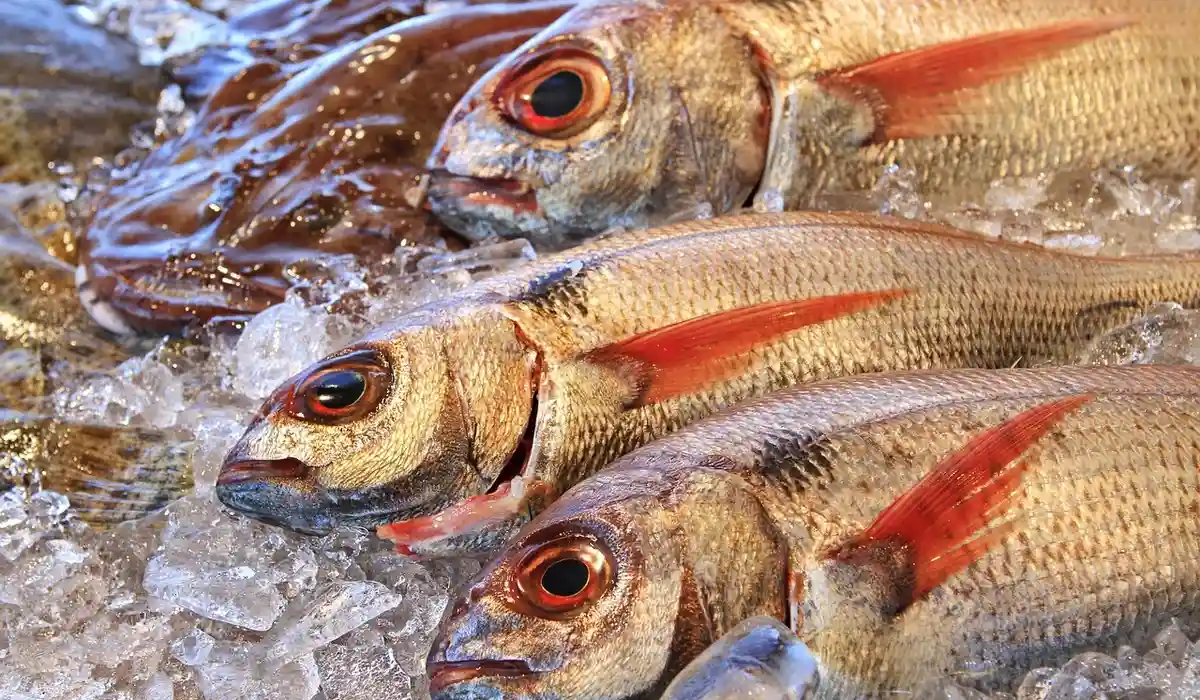
Think of fish food like a pantry for your aquatic friends-it needs variety and quality to keep everyone healthy. From my tanks, I’ve seen how Captain Fin’s colors pop with specific betta pellets, while Shadow thrives on sinking wafers. Matching the food type to your fish’s natural diet is the first step toward vibrant health and clear water. Flakes work for surface feeders, but bottom dwellers like corydoras often miss out, so I always use a mix tailored specifically for them (like this guide).
Portion Control: The Goldilocks Principle
Getting the amount right feels like a puzzle at first, but it’s all about that “just right” balance. Too much, and you’ll see uneaten food rotting; too little, and fish like Goldie become lethargic. I stick to a simple rule: feed only what your crew can finish in about two minutes, twice a day. Watch their bellies-a slight roundness is perfect, but bloating means cut back.
Here’s a quick guide based on my fish family:
| Fish Example | Food Type | Portion Tip |
|---|---|---|
| Captain Fin (Betta) | High-protein pellets or frozen brine shrimp | 2-3 small pellets per feeding; he’s feisty but has a tiny stomach. |
| Goldie (Goldfish) | Vegetable-based flakes or sinking greens | A pinch she can forage in 90 seconds; they’re messy eaters. |
| Shadow (Corydoras) | Sinking algae wafers or bloodworms | One wafer at night; shy eaters need time without competition. |
Seasoned aquarists often eyeball portions, but beginners should measure. Use a dedicated teaspoon or a pill organizer to pre-portion meals for the week-this hack saved my tank from overfeeding chaos. If food hits the substrate and lingers, you’ve gone too far; siphon it out fast to avoid ammonia spikes.
Water temperature shifts appetite. In warmer tanks around 78°F, metabolism speeds up, so fish might need a bit more. Always test your water weekly; a sudden nitrate rise often traces back to those extra crumbs. Listen to your tank: the filter’s hum should stay steady, not gurgle from debris clogging it.
- Start small: Offer a tiny pinch and observe if fish eat eagerly.
- Mix it up: Rotate between flakes, pellets, and frozen foods to prevent deficiencies.
- Fast weekly: Skip one feeding day to let fish digest and reduce waste.
I learned the hard way with Goldie-her foraging made me generous, but the algae bloom that followed was a lesson. Portion control isn’t just about fish hunger; it’s your main tool for keeping that crystal-clear water shimmering. Trust the process, and adjust based on your fish’s behavior and water tests.
Reading the Signs: Are You Feeding Correctly?
Feeding charts are a great starting point, but your fish are the ultimate guides. The clearest indicator you’re getting the portions right is your fish’s overall condition and behavior, not just an empty stomach. You need to become a keen observer of your underwater world.
Signs You Might Be Overfeeding
This is the most common mistake, and its consequences ripple through the entire tank. Watch for these red flags:
- Leftover Food: Any food sinking to the substrate and sitting there after 2-3 minutes is a major warning sign. Shadow, my corydoras, can’t clean up that much.
- Cloudy or Smelly Water: Sudden bacterial blooms (milky water) or a foul odor mean excess waste is decaying and polluting the water.
- Algae Explosions: A constant buffet of nutrients from rotting food fuels hair algae, film algae, and other unsightly growth on your glass and plants.
- Fat or Bloated Fish: A slightly rounded belly after feeding is normal. A fish that looks like a stuffed sausage, has scales that start to pinecone (a sign of dropsy), or struggles to swim is in trouble.
- Lethargy: Fish in a constant “food coma” will be less active and may just hover listlessly.
Think of overfeeding like leaving a full buffet out in the sun-it spoils the environment for everyone. I learned this the hard way with Goldie; her waste output is monumental, and even a few extra flakes forced me into more frequent water changes.
Signs You Might Be Underfeeding
While less common, underfeeding stunts growth and stresses fish, making them prone to illness. Look for these subtle cues:
- Excessive Aggression: Fish like Captain Fin may become hyper-territorial and nippy if they’re constantly competing for scarce resources.
- Pale Colors: A well-fed fish displays vibrant colors. Dull, washed-out scales can signal a poor diet or not enough food.
- Sunken Bellies: A consistently concave abdomen, especially on naturally plump fish like goldfish or cichlids, is a textbook sign of hunger.
- Overly Eager Scavenging: Fish desperately picking at plants, substrate, or the tank walls long after feeding time are telling you they’re still hungry.
- Slowed Growth: In young, growing fish, a severely limited diet will result in noticeably stunted development.
A hungry fish is a vulnerable fish, as its energy reserves and immune system are constantly depleted. My shoal of corydoras taught me this; when I underfed, they became frantic, zooming around the tank instead of their usual peaceful foraging.
The Quick-Reference Checklist
Run through this list after your next feeding to gauge your routine:
- Is all food consumed within 2 minutes?
- Is the water crystal clear 30 minutes after feeding?
- Do your fish appear active and alert, not sluggish?
- Are their bellies slightly rounded, not grossly distended or pinched?
- Are their colors bright and scales smooth?
Dialing in the perfect amount is a process of observation and gentle adjustment-don’t be afraid to tweak your routine based on what you see.
Building a Balanced, Varied Diet
Feeding the right amount is only half the battle. The type of food you offer is just as critical for vibrant fish and a stable tank. Think of your fishes’ diet like your own: eating the same meal every single day isn’t just boring, it leads to nutritional gaps and health issues over time. My betta, Captain Fin, thrives on a mix of high-quality pellets, frozen bloodworms, and the occasional live brine shrimp, which brings out his brilliant colors. Curious whether bettas can eat a complete diet? A complete feeding guide can help you balance protein, fats, and nutrients for a healthy, colorful fish.
A one-size-fits-all approach simply doesn’t work in a community tank. You must cater to the natural feeding behaviors and dietary needs of each species sharing the water. Shadow, my corydoras, would starve if I only fed floating flakes; he needs sinking wafers or pellets that reach his bottom-dwelling domain. That also means choosing compatible fish for your community tank—species with compatible temperaments and environmental needs. Do your research to pair fish that can coexist without constant aggression or competition for food.
The Water Quality Link
This is where diet and water chemistry become inseparable. Every bit of food that enters your tank becomes part of the system, for better or worse. Low-quality foods packed with fillers like wheat or corn are poorly digested, leading to more fish waste and faster ammonia spikes. I learned this the hard way with cloudier water and more frequent algae blooms.
Variety isn’t just about nutrition; it’s a direct tool for managing your ecosystem. Are live or frozen foods best for your aquarium? In most setups, a balanced approach using high-quality live or frozen options alongside dry foods supports health and digestion.
- Live and Frozen Foods: These are typically high in protein and moisture, making them easily digestible. Because they break down more efficiently, they put less strain on your bio-filter compared to some dry foods.
- High-Quality Dry Foods: Look for brands where the first ingredients are whole proteins like fish meal or krill. A good trick is to soak pellets or flakes in a small cup of tank water for a minute before feeding. This prevents them from expanding in your fish’s stomach and makes them easier to digest.
Uneaten food is a silent enemy. That single forgotten pellet doesn’t just vanish; it decays. This decomposition releases phosphate and ammonia directly into the water column, acting as a direct fertilizer for nuisance algae and taxing your nitrogen cycle. A varied diet of appropriate, appetizing foods ensures more gets eaten and less rots away.
Your Feeding Schedule Toolkit
Think of your feeding routine like a trusted recipe-it needs the right tools to come out perfectly every time. A consistent feeding toolkit prevents water quality crashes and keeps your fish vibrant, turning guesswork into a smooth, daily rhythm. My own kit includes a simple weekly calendar, a small spoon for measuring, and a digital timer for my tank lights.
You can build yours with items you likely own. Here is what I rely on:
- A dedicated, dry spoon for flakes or pellets to avoid oily residues.
- Weekly pill organizers for pre-portioned meals, ideal for varied diets.
- A notebook or app log to track feeding times and fish behavior.
- An automatic feeder for backup, which I’ll discuss in a moment.
I learned the value of this after overfeeding Shadow, my Corydoras; the resulting ammonia spike was a clear lesson. Monitoring your toolkit’s use is just as vital as the tools themselves, letting you spot issues before they harm the ecosystem.
Using a Printable Feeding Schedule
A printable schedule is your visual anchor, especially when life gets busy. This simple sheet taped near your tank eliminates the “did I feed them today?” panic and cuts down on accidental double portions. I create mine with columns for each fish’s name, food type, and a check box for morning and evening feeds.
For example, here is how I structure a day for my community tank:
- Captain Fin (Betta): 2-3 betta pellets, morning only.
- Goldie (Goldfish): A pea-sized bit of gel food, morning and evening.
- Shadow (Corydoras): 1 sinking wafer, every other evening.
You can find templates online or make your own in minutes. Fill it out while considering your tank’s total bioload; a 20-gallon tank with six fish has different needs than a 10-gallon with two. For a 20-gallon setup, consult the 20 gallon dimensions guide to pick a compatible footprint and stand height. A quick look at that guide helps you plan layout and equipment placement. Update it seasonally, as fish metabolism can slow in cooler water around 72°F versus a warmer 78°F.
Managing Breaks and Vacations
Leaving town used to stress me out, but a solid plan keeps the tank thriving. Healthy adult fish can easily handle a weekend without food, as short fasts mimic natural conditions and reduce waste. For trips longer than three days, you need a strategy.
My top methods, from simplest to most involved:
- Use an automatic feeder: Load it with dry food and test it for a week prior. Set it for 75% of the normal portion to avoid overfeeding.
- Ask a friend: Provide pre-portioned food in labeled containers. Never let them “just sprinkle some in”-show them exactly how much.
- Prepare the tank: Do a 25% water change two days before leaving, clean the filter sponge, and set lights on a timer. Avoid large feedings right before you go.
I once returned from a five-day trip to find Captain Fin just as feisty, thanks to a reliable auto-feeder. Remember, the goal is to maintain stable water chemistry; a slight hunger is far safer than a polluted tank from well-meaning but excessive feeding.
FAQs
Where can I find a free printable fish feeding schedule template?
Many aquarium websites and pet care blogs offer free downloadable PDF templates. You can often find them by searching for “aquarium feeding schedule template” or “fish care chart.” These printables provide a simple grid to note daily meals, portions, and which fish you fed, helping to prevent overfeeding and missed meals.
How do I use a fish feeding schedule template effectively?
Print the template and place it near your tank as a visual reminder. Fill in your fish’s names and standard portion sizes for each feeding time. The key is consistency-check off each meal as you feed to track your routine and make notes on your fish’s appetite or any changes in behavior for easy reference.
What is a pre-filled dates feeding schedule template?
This is a specialized template with calendar dates already printed on it, often for a full month. Instead of a blank grid, you have a specific box for each day, simplifying weekly planning. It’s excellent for busy aquarists or for managing complex tanks with multiple dietary needs, ensuring no day is accidentally overlooked.
Are digital feeding schedule templates better than printable ones?
Digital templates, like those in spreadsheet programs or note-taking apps, offer easy editing and can be shared with pet sitters. However, a printable template posted by your tank provides an immediate, at-a-glance reminder that doesn’t require opening an app. Many find using a combination of both-a digital master plan and a printed weekly sheet-to be the most effective system.
Your Fish Feeding Foundation
Stick to feeding small amounts once or twice daily, always tailoring the schedule to your specific fish’s needs and life stage. The clearest sign of a perfect feeding routine is active, healthy fish and crystal-clean water free of leftover food.
Great fish keeping is a commitment to understanding the living world in your tank, with every meal you offer being a part of that balance. Let your curiosity grow alongside your aquarium, and you’ll build a more rewarding and successful hobby for years to come. Understanding how your fish tank works is essential to achieving this balance.
Further Reading & Sources
- r/aquarium on Reddit: How often does everyone feed their fish?
- How Often Do You Feed Fish (and How Much)? | Guide to Feeding Fish – Aquarium Co-Op
- How Much (and How Often) Should I Feed My Aquarium Fish?
- Amount of Food to Feed Aquarium Fish
- How to Properly Feed Your Fish
Lia is an expert in aquarium and pet fish care. Having worked in the marine industry and having cared for multiple pet fish, she has acquired first hand expertise on aquarium care, maintenance and setup. She always brings her practical expertise and science to help solve any aquarium related queries.
Feeding Guidelines