
Aquarium Light Schedules Decoded: Find the Perfect Balance for Your Fish and Plants
Hello fellow aquarists! If you’ve ever stared at your tank wondering why the plants look pale or the fish seem lethargic, the culprit might be your light timer. Nailing the perfect photoperiod is one of the simplest yet most powerful ways to boost your aquarium’s health and beauty.
This clear, step-by-step guide will help you eliminate the guesswork. We’ll cover:
- The golden rule for daily lighting hours and why a strict schedule matters.
- How light duration directly impacts fish stress levels, colors, and sleep cycles.
- Tailoring light for plant photosynthesis without inviting nasty algae.
- Practical adjustments for low-tech versus high-tech planted tanks.
- My personal toolkit for using timers to create a consistent, hands-off routine.
You’re getting advice from someone who has spent years cultivating lush planted tanks and successfully breeding sensitive fish species.
The Heartbeat of Your Tank: Understanding Photoperiod
Photoperiod is just a fancy word for your tank’s daily light schedule. Think of it as creating a miniature sunrise and sunset inside your aquarium, a gentle rhythm that tells your fish and plants what time it is.
This daily cycle is the backbone of a balanced ecosystem. Plants rely on it for photosynthesis, the process that turns light into growth and oxygen. Fish, like my feisty betta Captain Fin, use it to set their internal clocks for sleep, feeding, and activity. Get this rhythm wrong, and you might see stressed fish, sluggish plants, or an algae party you didn’t invite.
Here is the good news: dialing in your photoperiod is a learnable skill, not a strict science. You will develop a feel for it by watching how your specific tank community responds over time.
Finding the Sweet Spot: Light Hours for Different Aquariums
Your ideal light duration depends entirely on what lives in your tank. Use this table as a starting point for common setups.
| Tank Type | Recommended Light Duration | What You Need to Know |
|---|---|---|
| Fish-Only Tanks | 8 to 10 hours | Focus is on fish health and viewing. Longer periods can promote algae without plants to compete. |
| Low-Tech Planted Tanks | 6 to 8 hours | Perfect for hardy, low-light plants like Anubias or Java Fern. A longer duration often just feeds algae. |
| High-Tech Planted Tanks | 8 to 10 hours | For demanding, high-light plants and CO2 injection. Duration and intensity must be carefully balanced. |
| Reef Tanks (a quick note) | 10 to 12 hours | Corals host photosynthetic algae. This requires very intense light and a longer, managed photoperiod. |
Duration is only half the story-light intensity (measured as PAR) matters just as much. A low-intensity light left on for 10 hours might provide less usable energy to plants than a bright light on for 6. Slow-growing Anubias needs less intense light than a lush carpet of Monte Carlo, which craves both high PAR and sufficient time under the glow.
For the Fish-Only Community
If your tank is home to fish like social Goldie and shy Shadow without live plants, your light schedule serves two masters: fish health and your enjoyment. Aim for 8 to 10 hours of light to simulate a natural day and let you enjoy their shimmering scales. For a complete setup, our set up aquarium lighting complete guide walks you through choosing the right spectrum, fixture placement, and timers. It also helps you tailor the photoperiod to your tank’s inhabitants and plant needs.
Too much light can make fish feel exposed and spur algae growth on decorations. I use a simple plug-in timer for consistency, which helps my bottom-dwelling corydoras know when the main lights dim and their foraging time begins. It’s important to manage light periods for the health of your aquarium.
For the Planted Tank Enthusiast
This is where photoperiod becomes an art. Low-light plants thrive on 6 to 8 hours of moderate light. Medium-light plants, like a vibrant Amazon Sword, often need a solid 8 hours. High-light carpeting plants are the most demanding, frequently requiring 8 to 10 hours of strong, focused light to spread.
Introducing pressurized CO2 changes everything. With CO2 injection, plants can process light far more efficiently, allowing you to safely use longer photoperiods and higher intensity to achieve explosive growth without the green algae haze. In a balanced planted tank, the relationship between light, CO2, and nutrients must be coordinated. Too much light with insufficient CO2 or nutrients can cause stress or algae, while proper CO2 enhances nutrient uptake. Start conservatively, observe your plants’ color and new leaves, and adjust slowly.
The Algae Connection: Managing Light to Keep Greenery at Bay
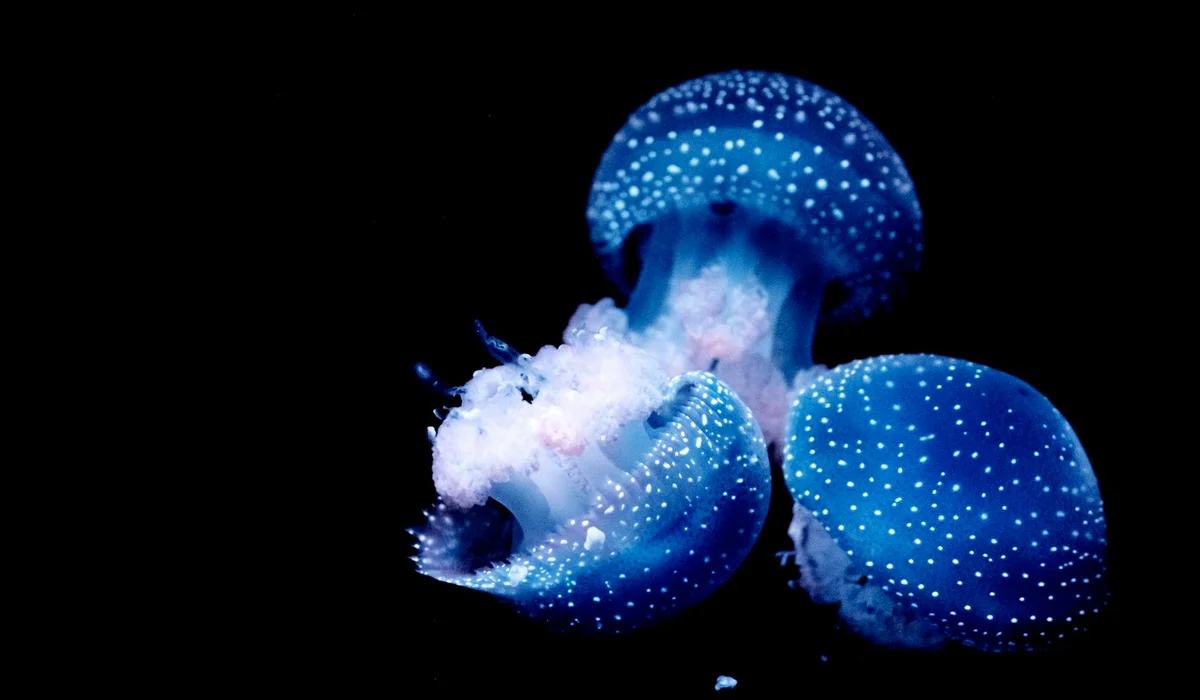
Think of light as the accelerator pedal for everything photosynthetic in your tank. Too much photoperiod is, hands down, the number one invitation for algae to throw a party on your glass and decor. Algae are simpler organisms than your prized plants; they can ramp up production with just a little excess light and nutrients, often outcompeting your slower-growing flora. In a planted aquarium, controlling photoperiod is a practical way to keep algae in check. Pair careful light scheduling with balanced nutrients and CO2 to favor your plants over algae.
My first move with any new algae fuzz is always the same. Before you reach for chemical treatments or blame your fertilizer, systematically reduce your daily light duration by two hours. Give this change a full week to show results. You’d be surprised how often this simple correction clears things up without further drama.
- Observe green film on the glass? Reduce light.
- Notice hair algae on plant leaves? Reduce light.
- Spot dusty green algae on the substrate? Reduce light first.
Beyond duration, the light spectrum itself is a powerful tool. Full-spectrum lights that lean into red and blue wavelengths tend to fuel stem plants and carpets more efficiently, helping them outpace algae. I’ve found that a spectrum promoting plant growth essentially starves algae by letting your plants use up available nutrients first. It’s a beautiful, natural competition where you want the plants to win.
Light as a Behavior Cue: Ensuring Fish Health and Happiness
For your fish, the consistent cycle of light and dark isn’t just about visibility-it’s about circadian rhythm. Providing uninterrupted, total darkness for 8-10 hours is non-negotiable for proper fish rest, which directly reduces stress and prevents colors from fading. Imagine trying to sleep with a bright overhead light on all night; your fish feel the same way. In the quiet of the tank at “night,” you’ll see Shadow the Corydoras finally venture out and Goldie the Goldfish settle into a peaceful hover.
You can use light as a subtle environmental cue for specific goals. To simulate seasonal changes or encourage breeding in egg-layers like bettas, I sometimes shorten the photoperiod to 6-8 hours for a few weeks, then gradually increase it, mimicking the arrival of the rainy season. This shift can trigger spawning behavior in responsive species. My feisty betta, Captain Fin, always becomes more attentive and builds more elaborate bubble nests when I tweak his light cycle this way.
Pay attention to the dawn and dusk in your aquarium. Notice how fish become more active as the first faint light appears, a gentle start that’s far less jarring than flipping a switch to full brightness. This gradual transition mimics nature and prevents the morning dash for cover. The shimmer of scales becomes more vivid in that soft, early light, a sure sign of a calm and healthy fish. Plants in the tank also rely on light to photosynthesize, so the right spectrum matters. Many aquariums use plant-friendly, full-spectrum LEDs to support growth.
Your Best Friend: Automating Light with a Timer
Let me be straight with you: if you’re not using a digital timer for your aquarium lights, you’re making your life harder and stressing your fish. I consider a plug-in timer as vital as a filter-it’s the silent guardian that keeps your tank’s daily rhythm flawless, even when you forget. My crowntail betta, Captain Fin, used to get visibly agitated when I’d miss his “lights out” by an hour; a timer fixed that instantly.
Setting one up is simpler than feeding Goldie her pellets. Here’s how to get it done in five minutes:
- Plug your light’s power cord directly into the timer, and then plug the timer into your wall outlet.
- Use the timer’s dial or digital interface to program your desired schedule-say, 10 AM to 7 PM.
- For modern LED units with dimming features, you can often program a gradual ramp-up and down over 30 minutes to mimic a serene sunrise and sunset, which really helps shy bottom-dwellers like my corydoras, Shadow, transition smoothly.
This tiny device is a lifesaver during busy weeks or vacations. Automation ensures your plants get their steady photon fuel and prevents accidental 24-hour marathons that turn your tank into an algae buffet. You can leave for a weekend and return to crystal-clear water, not a green soup.
When to Tweak the Schedule: Adjusting Your Aquarium’s Day
Even with a perfect schedule, your tank’s needs will change. Think of your photoperiod as a living setting, not a set-it-and-forget-it switch-it should evolve with your aquarium’s life. Watch for these specific events that signal it’s time for a change in the aquarium.
- Adding New Plants or Fish: Delicate new plants or stressed fish often appreciate a slightly shorter light period for their first week to settle in without extra pressure.
- Battling an Algae Outbreak: If you see fuzzy green patches taking over, cut your daily light duration by 2-3 hours immediately to starve the algae.
- Seasonal Shifts: A room that gets much warmer in summer might need reduced light to curb heat and algae; in darker winters, a slight increase can help plants.
Never make drastic changes overnight. I always adjust the timer by just 30 minutes every three or four days, giving the whole ecosystem a gentle nudge instead of a shock. This slow method prevents plants from melting and fish from hiding.
Your tank will tell you what it needs. If your stem plants are getting leggy and reaching for the light, or if your usually social fish are constantly seeking shade, those are clear signs your current schedule is off. These are among the most common signs of stress in aquarium fish. Recognizing them helps you address the root cause quickly. Trust your eyes – they’re your best diagnostic tool.
Common Questions
How does lighting duration impact fish resting cycles?
A consistent daily photoperiod with 8-10 hours of total darkness is crucial for healthy fish rest. This dark period regulates their circadian rhythm, reducing stress and preventing color fading. Abrupt or inconsistent lighting can disrupt sleep patterns, making fish lethargic or more prone to hiding during the day. Understanding fish sleep patterns can help you create the optimal environment for their well-being.
What is the recommended lighting duration for low light aquatic plants?
For low-tech tanks with plants like Anubias or Java Fern, 6 to 8 hours of moderate light is typically ideal. Different aquarium plants have varying light needs—from low-light to high-light growers. Longer durations often provide no extra benefit to these slow-growing plants and primarily fuel algae growth. The key is providing enough light for photosynthesis without exceeding the plants’ modest energy requirements. Choosing the right photoperiod depends on the plant mix and tank setup.
Should lighting duration vary with seasons or water temperature?
Subtly mimicking seasonal light changes can benefit both fish behavior and plant health. In warmer summer months, you might slightly reduce duration to combat increased algae potential, while a small increase in darker winters can support plant growth. This variation can also simulate natural cues for breeding in some fish species.
How can timer usage help maintain consistent lighting duration?
Using an automated timer is the most effective way to ensure a stable, hands-off photoperiod for your aquarium’s ecosystem. It prevents human error, like forgetting to turn lights off, which can lead to algae outbreaks and fish stress. A timer also allows you to easily program gradual sunrise/sunset effects for a more natural environment.
Finding Your Tank’s Perfect Rhythm
The sweet spot for most tanks starts at about 8 hours of light daily, but the real magic happens when you customize that schedule for your specific plants and the natural behavior of your fish. For beginners, understanding PAR (photosynthetically active radiation) and light spectrum helps translate those hours into real plant energy. A simple guide to PAR spectrum makes it easier to pick lights that support growth without stressing your fish. Watch your aquarium’s response—lush plant growth without algae blooms and calm, active fish are the best signs you’ve got the timing right.
Your attention to this daily cycle is a fundamental act of care, creating a stable environment where your aquatic pets can truly thrive. The journey of a great aquarist is paved with patient observation and a willingness to learn from the vibrant ecosystem you’ve built.
Further Reading & Sources
- Why is a light schedule important for my aquarium?
- r/Aquascape on Reddit: How many hours of light do you give your tank?
- When to turn on light: night or day? | The Planted Tank Forum
- How to setup light, lighting period for an aquarium? – Back Water Aquatics
- How to Balance Aquarium Lights to Grow Healthy Plants (& Avoid Algae) – Aquarium Co-Op
Lia is an expert in aquarium and pet fish care. Having worked in the marine industry and having cared for multiple pet fish, she has acquired first hand expertise on aquarium care, maintenance and setup. She always brings her practical expertise and science to help solve any aquarium related queries.
Lighting Options