
75 Gallon Fish Tank Dimensions: Your Blueprint for a Thriving Aquarium
Hello fellow fish keepers! Choosing a 75-gallon tank is an exciting step, but figuring out the exact size can feel confusing. Getting the dimensions right from the start saves you from costly mistakes and sets up your aquatic friends for a healthy life.
This guide will walk you through:
- The standard length, width, and height you can expect
- Why these measurements impact everything from fish stress to algae growth
- Smart aquascaping layouts that use every inch effectively
- Filtration and heating needs specific to this tank’s volume
With years of hands-on experience maintaining high-tech planted systems and breeding a variety of fish, I’ve learned precisely how tank dimensions influence a thriving ecosystem.
Understanding the Standard 75-Gallon Aquarium Dimensions
Key Measurements in Inches and Centimeters
The most common dimensions for a 75-gallon aquarium are 48 inches long, 18 inches wide, and 21 inches tall. This size is a sweet spot for many community tanks, offering substantial volume without overwhelming your floor space, especially when compared to standard 50 and 55-gallon tanks.
In centimeters, that translates to approximately 122 cm long, 46 cm wide, and 53 cm high. Always double-check the exact specs with the manufacturer, as some brands might have slight variations of an inch or two.
- Length: 48 inches (122 cm)
- Width: 18 inches (46 cm)
- Height: 21 inches (53 cm)
The Importance of Footprint and Surface Area
Footprint-the length multiplied by the width-is the real estate your tank occupies on its stand. A larger footprint directly translates to more horizontal swimming space, which is vital for active fish like zebra danios or schools of tetras. When considering aquarium size, it’s also essential to understand how tank shape affects fish capacity.
Surface area, the top area of the water, is where crucial gas exchange happens. The gentle ripple on the surface allows carbon dioxide to escape and life-giving oxygen to dissolve into the water for your fish to breathe. A 75-gallon tank’s surface area is about 864 square inches, which supports a healthy bio-load when filtered properly.
Breaking Down the 75-Gallon Tank Size: Length, Width, and Height
How Length and Width Create Swimming Room
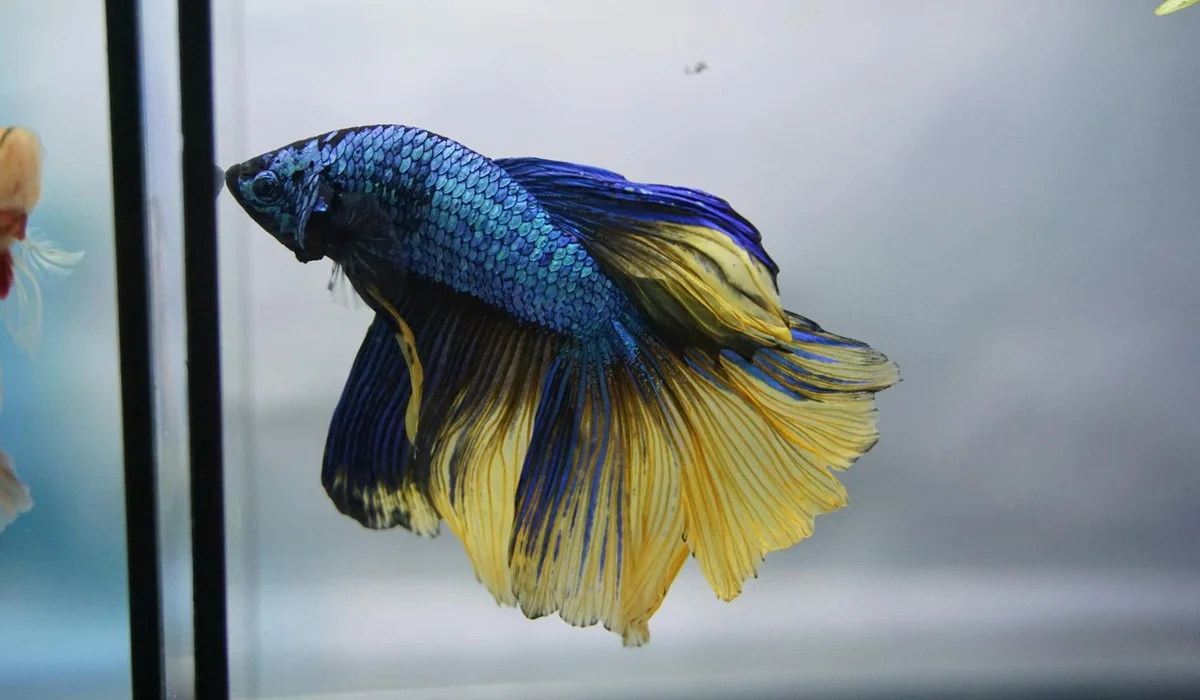
Length and width work together to create the “runway” for your fish. Fish like my feisty betta, Captain Fin, use the full 48-inch length for patrolling, while bottom dwellers like Shadow the Corydoras appreciate the 18-inch width for foraging without constant turns.
Schooling fish, such as neon tetras, need that long, open stretch to exhibit their natural shoaling behavior. I always recommend prioritizing tanks with a generous length and width over extreme height for most freshwater community setups.
Height and Depth Considerations for Your Aquarium
Height affects water pressure, light penetration, and your ability to reach the bottom. At 21 inches tall, the water pressure is manageable for standard silicone seals, but it does mean you’ll need stronger lighting for plants on the substrate.
Taller tanks can be stunning for certain aquascapes or fish like angelfish that appreciate vertical space. Just remember, every extra inch of height makes maintenance tasks like planting and gravel cleaning a bit more of a stretch for your arms.
Weight and Material Specs for a 75-Gallon Fish Tank
Calculating Total Weight When Full
An empty 75-gallon tank is surprisingly heavy, but the real challenge begins when you add water. The total weight of your setup will easily surpass 850 pounds, so you must have a stand and floor that can support this immense load. Let’s break down the math so you know exactly what you’re dealing with.
- Water: Water weighs about 8.34 pounds per gallon. For a 75-gallon tank, that’s approximately 625 pounds alone.
- Tank Weight: The empty aquarium itself, depending on glass thickness, adds another 100 to 150 pounds.
- Substrate & Decor: Gravel, rocks, and driftwood can easily contribute 75 to 150 pounds.
- Equipment: Don’t forget the stand, filter, and lid, which can add another 50+ pounds.
When you add it all up, you’re looking at a total system weight of 900 to 1,000 pounds. This is not a piece of furniture you can casually move later, so its initial placement is a permanent decision.
Glass Thickness and Tank Stability
Not all glass is created equal, and the thickness is what keeps 75 gallons of water securely contained. Most standard 75-gallon tanks use either 1/4-inch (6mm) or 3/8-inch (10mm) glass. The thicker 3/8-inch glass provides a significant margin of safety and is less prone to bowing, which I always recommend for long-term peace of mind.
You might also see tanks made from acrylic. Acrylic is much lighter and more impact-resistant than glass, but it scratches incredibly easily. For a tank of this size, the superior clarity and scratch resistance of glass often make it the more durable choice for a busy household. The silicone seams are just as important as the glass; look for even, bubble-free beads that form strong, watertight seals at every corner.
Fitting and Placing Your 75-Gallon Aquarium
Choosing the Right Stand for Your Tank
The stand is the foundation of your entire aquatic world, and a flimsy one is a recipe for disaster. You must use a stand specifically rated for a 75-gallon aquarium; never repurpose a dresser or a bookshelf not designed for this purpose, especially when constructing a DIY aquarium stand. The entire rim of the tank must be fully supported without any overhang.
You have two main types of stands to consider. Open-back stands are common and make plumbing your filter and heater cords much simpler. Solid or cabinet-style stands offer a cleaner look and tons of enclosed storage for all your fish food, test kits, and equipment. Whichever you choose, ensure it is perfectly level. Being level also helps ensure proper water distribution across the tank, so the filter and heater work evenly. It helps prevent uneven water flow, which can stress fish and create dead zones. An unlevel tank puts uneven stress on the seams and can lead to a catastrophic failure.
Measuring Your Space for a Perfect Fit
Before you even buy the tank, get out a tape measure. The standard dimensions for a 75-gallon are 48 inches long, 18 inches wide, and 21 inches tall. If you’re eyeing a 100-gallon setup, dimensions for a 100-gallon aquarium can vary by model and may demand a larger footprint. Always compare external measurements and plan for adequate clearance. You need to add at least 6 inches of clearance on every side, especially the top and back, for equipment access and maintenance.
- Measure the length and width of your intended spot.
- Add a minimum of 12 inches to the total length and width for safe clearance.
- Check for nearby heat sources like radiators or direct sunlight from a window, as these cause dangerous temperature swings.
- Ensure there is a grounded electrical outlet nearby, but not directly below the tank in case of a leak.
Walk through the path from your door to the final location. You will be shocked at how difficult it is to maneuver a 4-foot-long tank through doorways and around corners, so plan your route in advance.
Stocking Ideas Based on 75-Gallon Dimensions
Fish That Love the Horizontal Swim Space
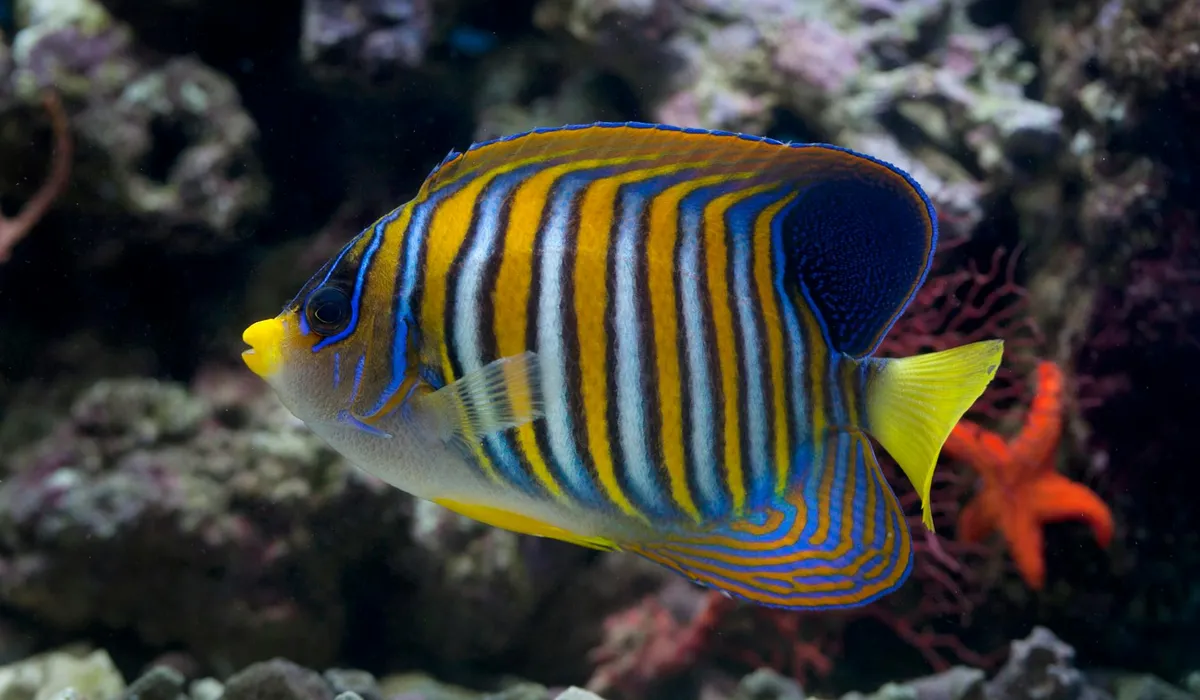
The long, wide footprint of a standard 75-gallon tank is a dream for active swimmers. These fish will use every inch of that horizontal real estate, putting on a fantastic display of natural behavior.
Active schooling fish truly shine in this environment, as they need room for their coordinated, darting movements.
- Rainbowfish: Boesemani or Turquoise Rainbows are perfect. Their shimmering colors are best seen when they cruise in a school across the tank’s length.
- Danios: Giant Danios are speed demons. Their constant, zippy activity fills the upper water column with life.
- Barbs: A large school of Cherry Barbs or Rosy Barbs creates a stunning, flowing red spectacle against green plants.
- Gouramis: A single Pearl Gourami makes a majestic, peaceful centerpiece fish that gracefully patrols the entire space.
Utilizing Depth for Bottom Dwellers and Plants
Don’t forget about the vertical dimension! That 21-inch depth from front to back creates a whole new world for creating a layered aquascape.
The generous depth allows you to build up substrate for root-feeding plants and create dramatic slopes and terraces.
- For Bottom Dwellers: A large group of Corydoras, like the peppered or panda cory, will thrive. The wide bottom area gives them ample foraging ground without overcrowding.
- For Loaches: Clown Loaches are a classic choice. They grow large and are incredibly social, needing both horizontal swim space and deep crevices to hide in.
- For Planted Tanks: You can create a true “nature aquarium” style. Use the depth to place tall background plants like Vallisneria in the back, mid-ground bushes of Cryptocorynes in the center, and a lush carpet of Dwarf Hairgrass in the front.
Setup and Maintenance Tips for Your 75-Gallon Tank
Step-by-Step Aquarium Setup Guide
Setting up a tank of this size is exciting, but a methodical approach saves you from headaches later. Here is my tried-and-true process.
- Location is Everything: Place your stand on a perfectly level, solid floor away from direct sunlight and heating/cooling vents. A full 75-gallon tank weighs over 800 pounds.
- Rinse and Layer: Thoroughly rinse your substrate (no soap!) and add it to the tank, sloping it slightly higher toward the back for a sense of depth.
- Hardscape First: Position your driftwood and rocks. Get this look right before adding water, as it’s nearly impossible to adjust afterward.
- Gentle Filling: Place a small plate or bowl on the substrate and pour water onto it to avoid disturbing your layout. Fill the tank about halfway.
- Planting Time: Now, plant your aquatic plants. The lower water level makes it easier to reach and place stems and roots precisely.
- Final Fill and Equipment: Finish filling the tank, then install your filter, heater, and air pump. Turn everything on and let the tank cycle completely before adding any fish.
Routine Care Tailored to a Larger Tank
While a 75-gallon is more stable than a small tank, it still demands consistent care. The tasks are just scaled up.
The biggest advantage of a larger volume of water is dilution; small mistakes are less likely to cause a catastrophic parameter swing.
- Water Changes: I perform a 25-30% water change weekly. This means removing about 18-20 gallons. A Python water changer or a similar gravel vacuum system is a back-saver.
- Filter Maintenance: Clean one filter media pad or sponge every 2-3 weeks in old tank water you’ve removed. Never replace all your filter media at once, as it houses your beneficial bacteria.
- Algae Control: With more glass surface, you’ll need to scrape algae about once a week. A magnetic algae cleaner makes quick work of the large front and side panels.
- Feeding: Feed only what your fish can consume in two minutes, two or three times daily. Uneaten food in a large tank can decay and be hard to find, polluting the water.
FAQs
What are the standard 75-gallon tank dimensions in feet?
The standard 75-gallon aquarium dimensions convert to approximately 4 feet in length, 1.5 feet in width, and 1.75 feet in height. This size provides a spacious yet manageable footprint for most home setups. Similarly, 30-gallon tank dimensions vary as they come in different shapes, so there isn’t a single standard dimension for that volume. Always confirm with the manufacturer, as minor variations can occur between brands.
How do I choose a stand that fits the 75-gallon tank dimensions?
Select a stand specifically designed for a 75-gallon aquarium, with a top surface that matches or exceeds the standard 48×18 inch footprint to prevent overhang. Ensure it is rated to support over 850 pounds when full and is level for stability. This guarantees safe, long-term support for your tank and equipment. Proper support goes beyond weight ratings. Ensure the stand has a solid frame, level feet, and even load distribution to protect the cabinet and tank.
Are there variations in 75-gallon tank dimensions across different manufacturers?
Yes, some brands may have slight differences, such as an inch more in length or height, so always check the product specs before buying. These variations can impact how the tank fits on stands or in your designated space. Sticking to reputable brands often ensures consistency with the common 48x18x21 inch size.
What should I consider about dimensions when looking for a 75-gallon tank for sale?
When shopping, verify that the tank’s dimensions align with your available space and stand requirements to avoid fit issues. Look for listings that explicitly state the length, width, and height in inches or feet for accurate comparisons. This helps ensure a smooth purchase and setup process for your aquarium. You can also refer to our 20-gallon fish tank dimensions and size guide for more information on standard tank sizes.
Getting Your 75-Gallon Tank Right
The standard 75-gallon tank measures 48 inches long, 18 inches wide, and 21 inches high, giving you a versatile canvas for aquascaping and fish communities. Always double-check these dimensions before purchasing a stand to ensure stability and prevent costly accidents. It’s also important to measure your fish tank dimensions properly for an accurate fit.
Responsible fish keeping means committing to regular water testing and tank maintenance from day one. I encourage you to stay curious-join online forums or local clubs to keep learning and sharing experiences that benefit your aquatic friends.
Further Reading & Sources
- Aquarium Weights & Sizes
- Aqueon Standard Glass Aquarium Tank 75 Gallon | Petco
- r/Aquariums on Reddit: 75 gallon tank measurements
- High Definition LED Ensemble Aquarium and Farmhouse Stand 75 Gallon
- Tall 75 Gallon Aquarium – Tall Glass Fish Tank – Custom Aquariums
Lia is an expert in aquarium and pet fish care. Having worked in the marine industry and having cared for multiple pet fish, she has acquired first hand expertise on aquarium care, maintenance and setup. She always brings her practical expertise and science to help solve any aquarium related queries.
Water Quality