
The Truth About Aquarium Heaters: Do You Really Need One?
Hello fellow fish keepers. That question about heaters has probably popped into your head while staring at your tank, wondering if that little glass tube is truly necessary. You’re not alone in weighing the cost and complexity against the well-being of your finned friends.
This guide will walk you through the real facts, cutting through the confusion to give you a clear, actionable answer. We’ll cover:
- Which fish absolutely require heated water and which can thrive without it.
- The hidden dangers of unstable temperatures, even in “room temperature” tanks.
- How to correctly choose and safely place a heater for your specific aquarium size.
- Practical, cost-effective alternatives if you decide to forgo a heater entirely.
I’ve spent years maintaining high-tech planted tanks and breeding sensitive fish, learning these lessons through direct, hands-on experience.
Why Stable Water Temperature is a Lifeline for Your Fish
Think of your fish as tiny athletes whose performance depends entirely on the water’s warmth. They are cold-blooded, meaning their body temperature matches their environment. A stable temperature keeps their metabolism humming, digestion smooth, and immune system strong, just like a cozy room helps you feel your best. Sudden drops or spikes? That’s like forcing you to sprint in a snowstorm or nap in a sauna—it stresses them out fast. Understanding the most common signs of stress in aquarium fish helps you spot problems early. Look for rapid breathing, clamped fins, faded color, erratic swimming, or lethargy.
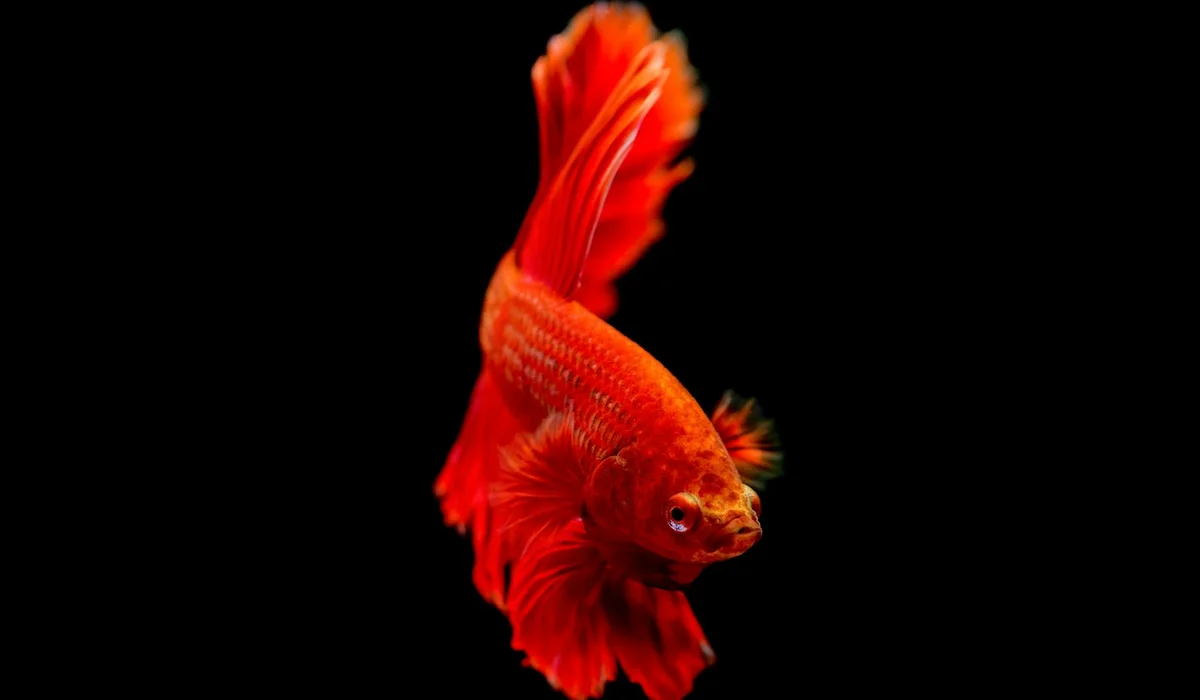
I learned this the hard way with my crowntail betta, Captain Fin. One chilly night, my heater failed, and the tank dipped to 68°F. He became sluggish, lost his vibrant color, and stopped responding to food. Fluctuations like this can lead to fin rot, ich, or worse, because stress opens the door to disease. Consistency is key; aim for a variance of no more than 2°F to keep your aquatic pals thriving.
- Metabolism control: Warmer water speeds up digestion and activity, while cooler slows it down.
- Oxygen levels: Colder water holds more oxygen, which is vital for fish like goldfish.
- Breeding triggers: Many species, such as tetras, need specific temps to spawn successfully.
- Enzyme function: Internal processes rely on narrow temperature bands to operate efficiently.
Even if your home feels comfortable, rooms can swing 10°F between day and night. An aquarium heater acts like a thermostat, providing that steady warmth fish crave for long, healthy lives. Trust me, watching Captain Fin now, with his fins flowing and colors shimmering at a steady 78°F, proves how much it matters.
Does Your Fish Family Actually Require a Heater?
Tropical Fish: The Warm-Water Lovers
If you keep fish from tropical regions, a heater isn’t optional—it’s non-negotiable. These species evolved in warm, stable waters like rivers in Southeast Asia or the Amazon Basin. For bettas, tetras, and angelfish, temperatures between 75°F and 82°F are essential for vibrant health and behavior. My Captain Fin, a betta, perks up instantly when the heater maintains his sweet spot around 78°F; without it, he’d risk lethargy and weakened immunity. Ultimately, the choice between cold-water and tropical fish hinges on your tank’s environment and temperature stability. For tropical species like these, steady warmth is essential, while cold-water fish thrive at cooler, more variable temperatures.
- Common tropical species: Bettas, guppies, mollies, discus, and corydoras like my Shadow.
- Ideal range: 75-82°F, but always check specific needs-some corydoras prefer 72-78°F.
- Why they need it: Their metabolism relies on warmth to process food and fight off infections.
- DIY tip: Use a thermometer alongside your heater; I check mine daily to catch any drift early.
In my tanks, I’ve seen neon tetras school energetically only when the water stays at 80°F. Skip the heater, and you might notice faded colors, reduced appetite, or increased hiding-all signs of temperature stress. It’s worth the small investment to mimic their natural habitat and keep them active.
Coldwater and Cooler Climate Fish
For fish like goldfish, white cloud minnows, or weather loaches, heaters are often unnecessary and can even cause harm. These species thrive in cooler temps, typically from 65°F to 72°F. My oranda goldfish, Goldie, forages happily in 68°F water, as higher temperatures can speed up their metabolism and shorten lifespans. They’re adapted to seasonal changes, but sharp swings still spell trouble.
- Popular coldwater picks: Goldfish, koi, danios, and some barbs.
- Safe range: 65-72°F; goldfish can handle dips to 60°F but avoid extremes.
- When to consider a heater: If your room drops below 60°F regularly, a low-wattage one prevents dangerous chills.
- Monitor closely: Even without a heater, use a thermometer to ensure stability-I check Goldie’s tank weekly.
Remember, “coldwater” doesn’t mean icy; it means consistent coolness. In rooms with drafts or AC blasts, a small heater set to a minimum can buffer those drops and keep your fish from shock. From my experience, Goldie’s playful antics are best when the water doesn’t yo-yo-proof that stability matters for every fish type.
Selecting the Right Heater: A Step-by-Step Guide
Heater Types Demystified: Submersible vs. Inline
Choosing a heater feels confusing, but it boils down to two main types you’ll likely consider. I’ve used both extensively in my fish room, and each has its perfect spot. If you’re unsure about which one to pick, check out this guide on picking the right aquarium heater for your setup.
Submersible heaters are the all-rounders, fully submersed in your tank water and usually mounted vertically with suction cups. I rely on these for my community tanks, like the one Captain Fin calls home, because they are incredibly versatile and easy to find. You just set it, forget it, and it quietly does its job. The main downside is they are visible inside the aquarium, which can disrupt a clean aquascape look.
Inline heaters connect to your canister filter’s tubing, heating the water as it flows back into the tank. This is my go-to for larger, showpiece aquariums where I want zero equipment visible. They provide superb, even heating because the filter’s flow constantly moves water past them. The trade-off is they require a canister filter and are generally more expensive and a bit trickier to install initially. To set up a canister filter in your aquarium, plan the tubing layout to accommodate the inline heater. Once installed, the combined system keeps water evenly heated as it circulates back into the tank.
- Submersible Heaters: Best for most hobbyists, easy installation, budget-friendly, but visible in the tank.
- Inline Heaters: Ideal for sleek, equipment-free displays, work with canister filters, but are more costly and complex to set up.
Sizing Your Heater Correctly for Your Aquarium
Getting the wattage wrong is a top reason heaters fail or can’t keep up. Too weak, and your fish get chilly; too powerful, and it could short-cycle and break.
The golden rule is to aim for 3 to 5 watts per gallon of actual water in your tank. Remember, your substrate, rocks, and decorations displace water, so a “20-gallon tank” doesn’t hold 20 gallons of water. I always calculate based on the water volume I actually put in during a water change.
For larger tanks or cold rooms, you have a better, more reliable option. Using two smaller heaters instead of one large one is a pro-level move for safety and consistency. For my 75-gallon tank, I use two 150-watt heaters placed at opposite ends. This creates redundancy; if one fails, the other prevents a total temperature crash. It also eliminates cold spots and spreads the heat more evenly, which my school of corydoras, like Shadow, absolutely appreciates. A step-by-step aquarium heater guide can help you choose wattage, placement, and safety checks. It makes duplicating this setup easier and safer.
- Calculate your tank’s actual water volume (e.g., a 20-gallon long holds about 17-18 gallons of water).
- Multiply that volume by 3 (for a warm room) to 5 (for a cold room or reef tank) to find your total wattage need.
- Choose one heater of that wattage, or better yet, split the total wattage between two smaller heaters.
Installing Your Aquarium Heater Safely and Effectively
Optimal Heater Placement for Even Heat Distribution
Where you put the heater is just as critical as which one you buy. For optimal performance, position it where water flows well—near the filter outlet or mid-tank—so heat circulates evenly. Poor placement can lead to hot and cold spots, stressing your fish and making the heater work overtime.
Always place your heater near a source of water flow, like your filter output or an internal powerhead. The moving water will carry the warmth from the heater and distribute it throughout the entire aquarium. I position mine horizontally in the back corner, right in the path of the filter’s current. This mimics how my inline heaters work and ensures Goldie enjoys the same temperature while foraging at the front as Shadow does while hiding in the back. That way, even if you’re new to temperature control for aquariums, you’re at least knowing that the heat is evenly distributed.
You must keep the heater fully submerged according to the manufacturer’s lines; exposing the heating element to air can cause it to shatter. Also, never bury it in substrate or cram it tightly between rocks. It needs water circulation around its entire body to function properly and read the temperature accurately. During water changes, always unplug the heater and wait 15-30 minutes for it to cool before turning it back on to prevent thermal shock.
Keeping Your Heater in Top Shape: Maintenance Musts
That gentle hum from your heater is the sound of a stable ecosystem, but like any hardworking appliance, it needs a little TLC. Regular maintenance isn’t just about longevity; it’s your first line of defense against a catastrophic failure that could cook your fish or leave them shivering. I make it a habit to give my heater a quick once-over every time I do a water change.
Routine Checks for Heater Safety and Performance
You don’t need to be a technician to spot potential problems. A simple visual and tactile inspection can tell you almost everything.
- Look for Micro-Bubbles: When a heater is on, a steady stream of tiny bubbles should rise from it. If you see large bubbles clinging to the glass, it often means mineral scale is building up and creating hot spots that can crack the heater.
- Check for Physical Damage: Run your fingers gently along the heater cord and glass. Feel for any nicks, cracks, or fraying. Even a hairline crack can lead to water seeping in and causing a short circuit.
- Verify the Temperature: Never trust the dial on the heater alone. I always cross-reference it with a separate, high-quality glass thermometer placed at the opposite end of the tank. A discrepancy of more than a degree or two means it’s time for a recalibration or replacement.
- Listen for Unusual Noises: A quiet click when it turns on and off is normal. Any buzzing, sizzling, or popping sounds are a red flag to unplug the unit immediately.
When you perform a water change, always unplug the heater and let it cool for at least 30 minutes before it’s exposed to air. Turning a hot heater on in cooler air is a surefire way to shatter the glass tube, and I’ve seen it happen more than once to unprepared hobbyists.
Heater Myths and When You Might Manage Without One
There’s a lot of conflicting advice floating around about aquarium heaters. Let’s clear the water on a few common misconceptions and talk about the rare scenarios where you can skip one, like using emergency heating methods.
Debunking Common Heater Misconceptions
- Myth: “The hood light and filter motor produce enough heat.” While they do generate some warmth, it’s inconsistent and unreliable. Room temperature can drop significantly at night, causing stressful fluctuations your fish feel deeply.
- Myth: “My house is always warm, so I don’t need one.” Your home’s air temperature is not your water temperature. Water holds cold much more effectively, and a 72°F room often means a 68-70°F tank-far too cold for a betta like Captain Fin.
- Myth: “Fish adapt to the temperature you keep them at.” This is a dangerous half-truth. While fish can survive a range, they thrive in their specific, ideal range. Consistently cool water suppresses their immune system, making them vulnerable to disease.
The Exceptions: Tanks That Can Go Heater-Free
While I almost always recommend a heater, there are a few specific situations where you can successfully manage without one.
- Coldwater Species Tanks: This is the most obvious exception. If you are keeping fish like Goldie, the Oranda Goldfish, who prefer temperatures between 65-72°F, and your home stays consistently in that range, a heater is unnecessary.
- Certain Outdoor Ponds: Deep, established ponds in temperate climates are buffered against rapid temperature swings and can support goldfish and koi without artificial heating.
- Specialized Biotopes: Some aquarists set up unheated tanks to mimic specific seasonal environments for native fish like White Cloud Mountain Minnows.
The bottom line is this: if you are keeping tropical fish, a heater is not an optional accessory; it is a core component of a healthy habitat. It provides the thermal stability that reduces stress, promotes vibrant colors, and supports a strong immune system. For the vast majority of us, investing in a reliable heater is one of the best decisions you can make for your aquatic pets.
Common Questions
Is an aquarium heater expensive to run?
Most modern aquarium heaters are surprisingly energy-efficient and cost very little to operate. The actual cost depends on the heater’s wattage, your local electricity rates, and how hard the unit has to work to maintain the temperature. For a standard tropical community tank, the annual cost is often comparable to running a low-wattage light bulb.
Can I keep tropical fish without a heater if my room is warm?
It is highly discouraged. The air temperature in your room can fluctuate significantly throughout the day and night, and water temperature will always be cooler and slower to change. These constant, subtle fluctuations cause chronic stress for tropical fish, weakening their immune systems and making them susceptible to disease, even if the average temperature seems acceptable.
What is the biggest risk of not using a heater for a tropical aquarium?
The greatest risk is temperature instability, which causes severe stress. A consistently low or wildly fluctuating temperature slows their metabolism, leading to lethargy, poor digestion, and a suppressed immune system. This stressed state makes fish extremely vulnerable to outbreaks of common illnesses like ich and fin rot.
Do I need to adjust my heater with the changing seasons?
Yes, you should monitor and potentially adjust your heater seasonally. As room temperatures rise in summer or fall in winter, the heater’s workload changes. You may need to slightly lower the thermostat in summer to prevent overheating or confirm it’s maintaining the correct temperature in winter. Always use a separate, reliable aquarium thermometer to verify the water temperature.
Making the Right Choice for Your Fish
For a thriving tropical aquarium, a dependable heater is non-negotiable to maintain the warm, stable water your fish require. Always select a heater rated for your tank’s volume and pair it with a separate thermometer for accurate monitoring. If you want even steadier temperatures, an aquarium temperature controller can automatically regulate the heater to maintain a precise setpoint. It helps prevent temperature swings from room fluctuations or heater malfunctions.
Providing the best home for your aquatic pets means investing in the right tools and committing to their long-term health. Your journey as a fish keeper is one of constant learning and adaptation to create a beautiful, balanced ecosystem. Understanding aquarium fish lifespan care duration helps you plan regular maintenance and feeding as your fish age. With consistent, attentive care, you can support longer, healthier lifespans for your aquatic companions.
Further Reading & Sources
- How to Choose the Right Aquarium Heater | Fish Tank Heaters 101 – Aquarium Co-Op
- Aquacadabra’s Beginner’s Guide to Aquarium Heaters
- r/Aquariums on Reddit: Do most of us really need heaters?
- Do I Really Need a Heater for an Aquarium – hygger
- Aquarium Heating Basics Part One – hygger
Lia is an expert in aquarium and pet fish care. Having worked in the marine industry and having cared for multiple pet fish, she has acquired first hand expertise on aquarium care, maintenance and setup. She always brings her practical expertise and science to help solve any aquarium related queries.
Heating Solutions