
Live Plants: The Surprising Advantages for a Thriving Aquarium
Hello fellow aquarists! If you’ve ever faced cloudy water or noticed your fish hiding more than swimming, you’re in the right place. Live plants can turn those struggles into a vibrant, self-sustaining ecosystem right before your eyes.
This guide breaks down the core perks you’ll gain. We’ll cover how live plants elevate your tank in practical, measurable ways.
- Natural water purification that stabilizes chemistry
- Algae control through nutrient competition
- Stress reduction for fish with added hiding spots
- Visual enhancement that fake decor can’t match
With years of hands-on experience maintaining high-tech planted tanks and breeding diverse fish, I’ve witnessed these benefits firsthand.
Natural Water Purification and Filtration
Live plants act like silent, hardworking filters in your tank, constantly cleaning the water as they grow. They perform biological filtration by absorbing harmful ammonia and nitrites through their leaves and roots, directly competing with algae for these nutrients. I’ve seen this firsthand in my own setups-when I added Java Moss to Shadow’s corner, the water stayed clearer for longer, and my water tests showed a noticeable drop in toxins.
Beyond that, plants are excellent at nitrate uptake, using it as a natural fertilizer to fuel their growth. This process significantly reduces the need for frequent water changes, making your maintenance routine easier and more sustainable. In Goldie’s goldfish tank, fast-growing stems like Hornwort have cut my nitrate levels in half, which is a huge relief with such a messy eater.
Phosphate removal is another hidden benefit, as plants soak up phosphates from fish waste and uneaten food that would otherwise feed pesky algae blooms. By stabilizing water chemistry, live plants help prevent sudden pH swings and create a more resilient environment for your fish. My tanks with dense plantings rarely experience the algae outbreaks that plague bare setups, and the water parameters stay rock-solid. Note that this ties into the planted tank pitfalls—8 common planted tank mistakes that can turn a thriving setup into an algae farm. Stick to proper feeding, lighting, and routine maintenance to avoid those mistakes.
Steps for Setting Up Plant-Based Filtration
- Choose fast-growing species like Water Wisteria or Anacharis, which rapidly consume nutrients and outcompete algae.
- Ensure proper lighting for at least 8 hours daily to power photosynthesis and maximize filtration efficiency.
- Monitor nutrient levels weekly with test kits, adjusting plant mass or fertilization if nitrates or phosphates rise.
Oxygenation and Balanced Gas Exchange
Through photosynthesis, plants convert carbon dioxide and light into oxygen, which diffuses into the water column and benefits your fish. This daily oxygen release creates a stable environment, preventing the dangerous dips that can stress sensitive species like bettas or corydoras. I always notice Captain Fin becoming more active and vibrant when his tank is lush with plants, as the steady oxygen flow supports his feisty nature.
The CO2 diffusion process is a natural balance-plants absorb CO2 produced by fish and bacteria, then release oxygen back during the day. This cycle fosters oxygen microhabitats in densely planted areas, giving fish like Shadow safe spots to breathe easier and explore. In my experience, corners filled with Amazon Swords or Vallisneria become oxygen-rich havens where fish congregate and thrive.
Oxygen stability is crucial, especially at night when plants respire and consume some oxygen, but a well-planted tank maintains a healthy balance. Plants known for high oxygen production, such as Hornwort and Cabomba, can supercharge this effect and keep your aquarium lively. Here are some top picks I rely on for consistent results:
- Hornwort: Fast-growing and great for floating or anchoring, it pumps out oxygen and provides cover.
- Anacharis: Easy to care for and highly efficient at oxygenating, perfect for beginners.
- Water Sprite: Its fine leaves maximize surface area for gas exchange and create ideal hiding spots.
Algae Suppression Through Competition
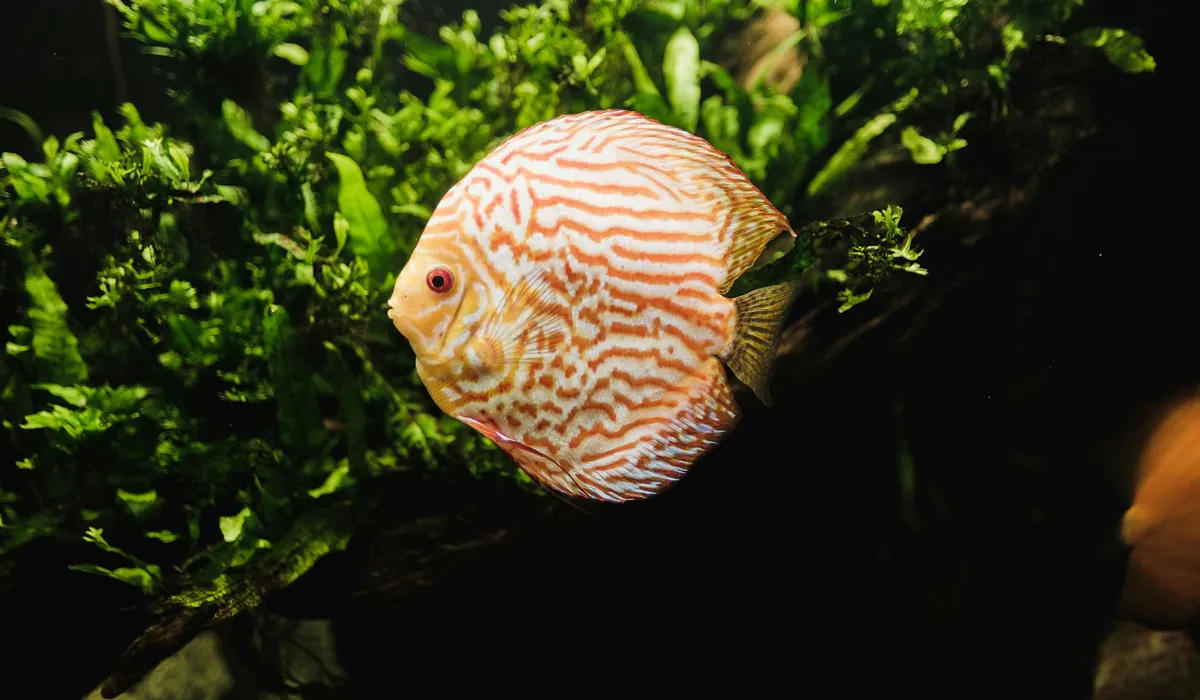
Live plants are like hungry little nutrient vacuums, and they directly compete with algae for the same food sources in your tank. When you have a thriving plant community, they absorb nitrates, phosphates, and other compounds from the water column, effectively starving out algae before it can get a foothold. That nutrient balance is key to preventing algae blooms in planted tanks, because plant uptake keeps excess nutrients in check. When nutrients are well balanced and match what the plants need, algae has little fuel to grow. I’ve watched tanks with sparse planting battle constant green water, while my heavily planted setups stay remarkably clear with minimal effort.
Beyond just nutrient uptake, plants provide a physical barrier to light. Floating plants like Frogbit or Water Lettuce create a dappled shade effect on the water’s surface, which dramatically limits the light intensity that algae needs for photosynthesis. It’s a simple, natural way to dim the lights on algae growth without fiddling with your photoperiod. In a planted tank, light, CO2, and nutrients interact: more light increases CO2 demand, so proper CO2 dosing and balanced nutrients are essential to keep plants thriving and algae at bay.
To maximize this algae control, think strategically about where you place your plants. Focus on creating layers of vegetation, from tall background plants to dense mid-ground clusters, to ensure full nutrient uptake and light filtration throughout the entire water column. Here are a few placement tips that have worked wonders in my aquariums: This strategy translates well to algae-control in a planted aquarium, where proper plant coverage helps limit light reaching algae and consumes nutrients before they fuel blooms. By aligning your plants to outcompete algae, you can maintain a healthier, clearer tank.
- Cluster fast-growing stem plants like Hornwort or Anacharis near the filter output to intercept nutrients quickly.
- Use broad-leaf plants like Amazon Swords or Java Ferns to cast shade over rocks and driftwood, common algae hotspots.
- Allow floating plants to cover up to 50% of the surface area to create optimal shading without blocking all light.
Creating Safe Habitats and Reducing Stress
The intricate structure of live plants transforms your aquarium from a simple box into a complex, three-dimensional world. For shy bottom-dwellers like my Corydoras, Shadow, dense thickets of Java Moss or clumps of Cryptocoryne provide essential hiding spots where they can retreat and feel secure. This habitat complexity is crucial for species that are naturally skittish, allowing them to exhibit their normal foraging and social behaviors without constant fear.
Plants are also indispensable for breeding and raising young fish. Fine-leaved plants such as Guppy Grass or Cabomba offer perfect shelter for fry, protecting them from adult fish that might see them as a snack. I’ve watched countless batches of baby fish survive to adulthood in my planted tanks, using the plant jungle as their personal safe house.
Ultimately, a well-planted environment is a low-stress environment. When fish have places to explore, hide, and establish territories, you’ll see a noticeable decrease in aggression and a boost in their overall vibrant health and coloration. It’s not just about aesthetics; it’s about giving your fish a home that supports their natural instincts and well-being.
Substrate and Water Parameter Stability
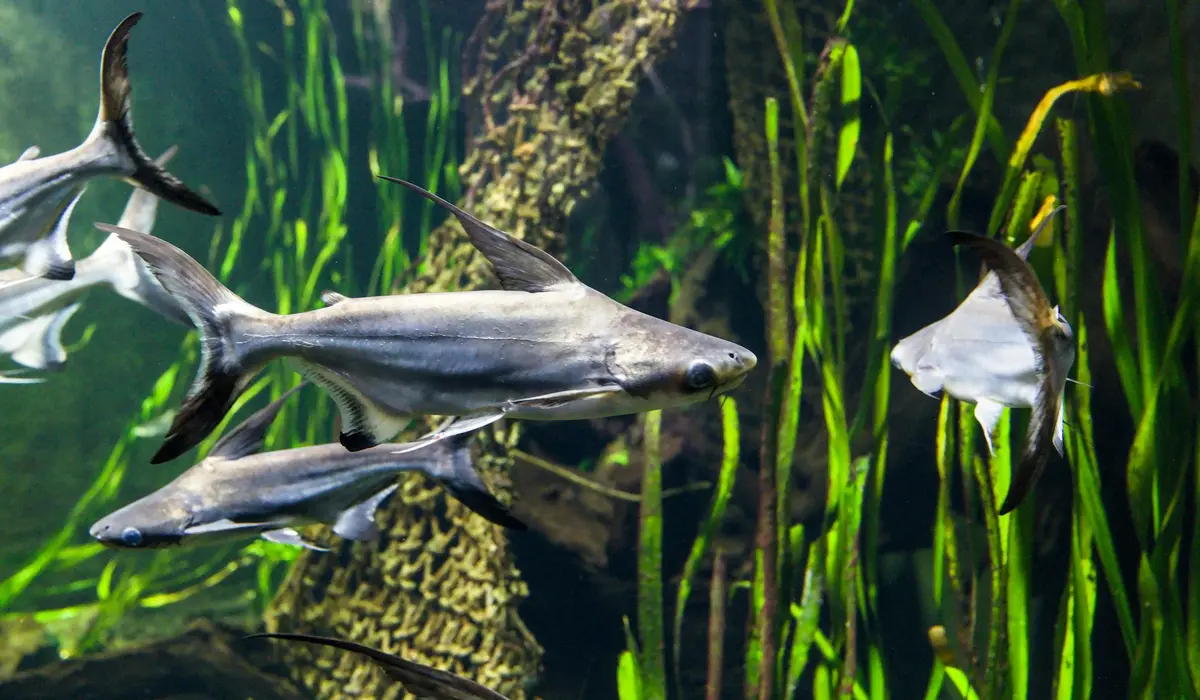
Live plants act as a natural glue for your aquarium’s foundation. Their root systems weave through the gravel or sand, creating a dense web that holds everything in place. This network drastically reduces substrate erosion, keeping your carefully arranged landscape intact even with active bottom-dwellers like my Corydoras, Shadow, who loves to forage. You won’t find unsightly bare spots or piles of sand shifted to one corner of the tank. Successful planting is key to achieving this stability.
Beyond physical stability, plants are silent custodians of your water chemistry. They engage in a subtle gas exchange, absorbing carbon dioxide and releasing oxygen during the day. This respiration process naturally counters the acidifying effects of CO2, providing a gentle buffering action that helps stabilize your pH and prevents dangerous swings. It’s a built-in safety net for your aquatic ecosystem.
Healthy roots do more than just anchor; they actively improve the substrate environment. As roots grow and decay, they create micro-channels that allow for better water flow and gas exchange within the substrate. This prevents the development of toxic anaerobic pockets and encourages the growth of beneficial bacteria right where waste tends to accumulate. A planted substrate is a living, breathing filter bed.
Supporting Microfauna and Food Sources
The surfaces of live plants are bustling metropolises for microscopic life. Leaves and stems provide immense surface area for biofilm-a slimy, protein-rich layer-to develop. This biofilm is a prime grazing ground for shrimp, snails, and fry, offering a constant, renewable food source directly in your tank. It’s like having an invisible buffet open 24/7.
For herbivorous and omnivorous fish, plants are more than just decoration; they are a salad bar. Species like certain plecos, mollies, and goldfish will happily nibble on tender leaves. Allowing your fish to graze on plants satisfies their natural foraging instincts and provides vital roughage for their digestion. My Oranda, Goldie, is far more content and active when she has java fern to pick at.
The microfauna that thrive in a planted tank directly contribute to your fishes’ health. You’ll often find:
- Copepods: Tiny crustaceans that are a nutrient-packed live food.
- Rotifers: Microscopic animals that are excellent for feeding fry.
- Infusoria: A collective term for various microorganisms that are a crucial first food for newly hatched fish.
This self-sustaining cycle of life means your fish have access to a diverse, live diet that you didn’t have to buy or culture. It turns your aquarium into a truly functional ecosystem.
Low-Maintenance Ecosystem Benefits
Live plants turn your aquarium into a mini-ecosystem that practically runs itself. They absorb harmful nitrates and phosphates, which are leftover from fish waste and uneaten food, reducing the frequency of water changes you need to do. I’ve seen my own tanks, like the one housing Goldie the goldfish, stay cleaner for longer because the plants are constantly working in the background. So, what are the planted aquarium pros and cons? It’s a topic worth weighing before you dive in.
You will find yourself using fewer bottles of chemical additives. Plants naturally outcompete algae for nutrients, so you can skip algaecides and rely less on water conditioners once the system is balanced. In my setup, the gentle hum of the filter is all I need, without extra chemicals clouding the water. This highlights the natural vs chemical algae treatments debate: when your tank is balanced with thriving plants, natural control often beats chemical fixes. For many hobbyists, the preferred approach is to lean on plants first and reserve chemicals as a last resort.
Keeping plants healthy is straightforward if you follow a few simple steps. Start with easy species like Java Fern or Anubias that don’t demand high light or CO2 injection.
- Provide 6-8 hours of light daily using a full-spectrum LED aquarium light.
- Add a liquid fertilizer weekly to supply essential nutrients like iron and potassium.
- Trim dead or overgrown leaves every couple of weeks to encourage new growth and prevent decay.
Aesthetic Enhancement and Natural Beauty
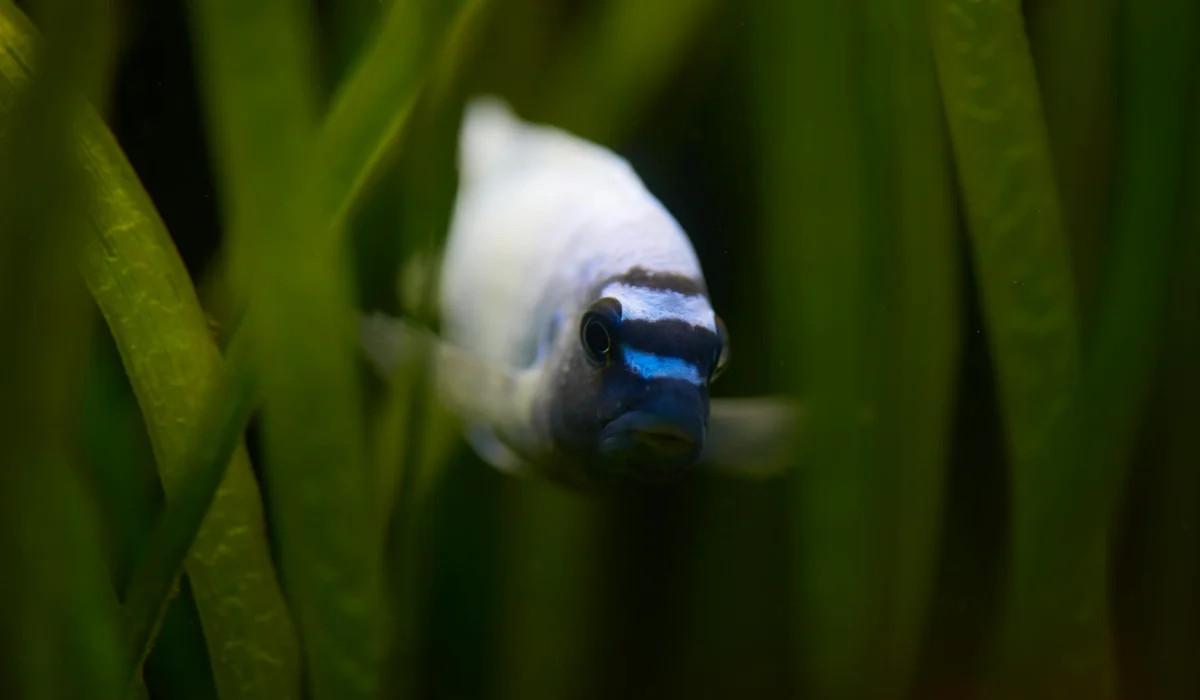
The visual transformation with live plants is immediate and stunning. You get a rich tapestry of colors, from the deep emerald of Amazon Swords to the fiery reds of Ludwigia, and textures that range from feathery Cabomba to broad, sturdy leaves. Watching Captain Fin the betta weave through them adds a dynamic shimmer that plastic plants can’t match.
Plants replicate the natural environments fish like Shadow the Corydoras come from, making them feel secure. This mimicry of rivers and streams encourages natural behaviors, like foraging and hiding, which reduces stress and promotes healthier fish. I’ve noticed Shadow is far less shy when he has dense plant cover to retreat into.
Aquascaping with live plants lets you create underwater landscapes that are uniquely yours. Try grouping tall plants like Vallisneria in the background, mid-sized species like Cryptocoryne in the middle, and carpeting plants like Dwarf Hairgrass up front for depth.
- Use driftwood or rocks as anchors for plants like Java Moss to build natural-looking structures.
- Mix leaf shapes and heights to create visual interest and hiding spots for fish.
- Experiment with color contrasts by placing red plants next to green ones for a vibrant display.
FAQs
How do live plants enhance the biological diversity in an aquarium?
Live plants create microhabitats that support a wider range of organisms, from beneficial bacteria to tiny invertebrates. This increased biodiversity helps stabilize the ecosystem by improving nutrient cycling and waste breakdown. As a result, your aquarium becomes more resilient and self-sustaining over time. Essential nutrients are the building blocks of healthy aquarium plants. When supplied in balanced levels, they promote robust growth and help plants support the tank’s ecosystem.
What are the benefits of live plants for specific fish species, such as bettas or cichlids?
For bettas, live plants provide resting spots near the water surface and reduce stress by replicating their natural, densely vegetated environments. Cichlids benefit from plants that define territories and offer cover, which can minimize aggression and encourage breeding behaviors. Choosing the right plants tailored to your fish’s needs promotes their well-being and natural instincts.
How do live plants affect the overall cost of maintaining an aquarium?
While initial setup costs for live plants can be higher, they often lead to long-term savings by reducing the frequency of water changes and the need for chemical additives. Plants help maintain water quality naturally, lowering expenses on filters, conditioners, and algae treatments. In addition, live plants can help speed up the cycling process by absorbing ammonia and nitrite as beneficial bacteria establish. This natural uptake reduces toxic spikes during startup and supports a quicker, safer cycle. Over time, a well-planted tank can be more economical and require less intensive upkeep.
Are there any situations where live plants might not be suitable for an aquarium?
Live plants may struggle in tanks with highly herbivorous fish that constantly graze on them, leading to plant loss and potential nutrient imbalances. They also require appropriate lighting and substrate conditions, which might not align with certain low-maintenance or specialized setups. However, selecting hardy species or using protective measures can often overcome these challenges.
Your Thriving Planted Tank Awaits
Focus on choosing easy beginner plants like Java Fern to naturally filter your water and provide safe hiding spots for shy fish. By adding live plants, you create a balanced ecosystem that cuts down on algae and keeps your fish healthier and less stressed.
Remember to regularly test your water parameters and adjust lighting to match your plants’ needs for long-term success. Regular testing helps you maintain proper water parameters in your aquarium, supporting healthier plants and fish. A simple, ongoing test routine makes it easier to keep pH, ammonia, nitrite, and nitrate within safe ranges. Stay curious and keep exploring new ways to enhance your aquarium, because every small step in learning makes you a better caretaker for your aquatic friends.
Further Reading & Sources
- Benefits of Live Plants in an Aquarium – Modern Aquarium
- The Green Advantage: The Benefits of Live Plants in Aquariums
- Convince Me Why I Should Have Live Plants | Aquarium Plants Forum
- 7 Benefits of Live Aquatic Plants for Your Aquarium – Natural Environment Aquatix
- Aquatic Plant Basics
Lia is an expert in aquarium and pet fish care. Having worked in the marine industry and having cared for multiple pet fish, she has acquired first hand expertise on aquarium care, maintenance and setup. She always brings her practical expertise and science to help solve any aquarium related queries.
Aquatic Plants