
The Planted Tank Emergency Checklist: Diagnose and Revive Dying Plants
Hello fellow aquarists. You’ve seen the warning signs-the yellowing leaves, the stunted growth, the slow melt that makes your heart sink. Watching your carefully curated aquascape struggle is a uniquely frustrating experience for any planted tank enthusiast.
This guide is your first-response protocol. We will cover:
How to quickly identify the root cause of plant decline
The immediate rescue steps to halt the damage
Long-term fixes for a thriving, balanced ecosystem
A simple triage method for different plant species
I’ve revived countless tanks over the years, learning what works through both success and failure.
Spotting the SOS Signals in Your Planted Tank
Your plants are talking to you. Learning their language is the first step to saving them. I’ve spent many evenings with a magnifying glass, figuring out what each wilted leaf was trying to say.
Yellowing leaves are one of the most common cries for help. When new growth turns pale or yellow, it’s often a direct sign that your plants are hungry for nitrogen or iron. Old leaves yellowing and dying back is more natural, as the plant reallocates energy.
Holes in leaves, especially with yellow edges, are a classic distress signal. This isn’t a snail problem; it’s a nutritional one. If you see perfectly formed holes, like something took a tiny punch to your plant, you’re likely dealing with a potassium deficiency. It’s one of the most common issues in a planted tank.
Plant “melting” can be terrifying. The leaves turn translucent, mushy, and dissolve away. Some melting is normal for new plants adapting to your water, but widespread melting in established plants screams unstable water conditions or a severe nutrient shortage.
Stunted growth or abnormally small new leaves tells a story of an unsatisfied plant. When your plants seem frozen in time, it’s a clear indicator that a key element-like light, CO2, or a micronutrient-is missing from the equation.
Normal Shedding vs. Emergency Distress
It’s vital to know the difference between a plant’s natural cycle and a crisis.
- Normal Shedding: Affects one or two of the oldest, bottom leaves. The plant continues to push out vibrant new growth from its center or tips. The dying leaf yellows gradually and remains intact.
- Emergency Distress: Hits new growth, multiple leaves at once, or the entire plant. You’ll see rapid decay, holes, blackening, or the plant simply stops growing altogether.
| Healthy Plant Symptom | Unhealthy Plant Symptom |
|---|---|
| Vibrant green, red, or natural-colored leaves | Pale, yellow, or white leaves, especially new growth |
| Firm, intact leaves with no holes | Holes with yellow halos or rotting, disintegrating leaves |
| Steady, visible new growth weekly | Stunted growth, small new leaves, or no growth |
| Strong roots that anchor the plant in substrate | Brown, mushy roots that easily pull away (root rot) |
Uncovering Why Your Aquarium Plants Are Struggling
Once you see the signals, it’s time to play detective. Follow these steps in order. I’ve saved countless tanks by sticking to this logical process.
-
Step 1: Check Water Parameters for Imbalances
This is always step one. Your water is the lifeblood of the tank. Test for ammonia and nitrite first-any reading above zero is an emergency that will burn plant roots and leaves. Ammonia spikes often cause sudden, widespread melting and are a primary suspect in any rapid plant decline. Next, check nitrate. Plants need it, but levels above 40-50 ppm can stunt growth. Finally, test pH and GH/KH (general and carbonate hardness). A wildly swinging pH or very soft water can lock up essential nutrients, making them unavailable to your plants.
-
Step 2: Assess Lighting Duration and Intensity
Light is plant food. Too little, and they starve. Too much, and you get an algae blanket that smothers them. Aim for a consistent 6-8 hour photoperiod; using a simple timer is the easiest way to ensure stability and prevent stress. Look at your plants: are they leaning or “reaching” desperately towards the light? That’s a sign of insufficient intensity. Are they covered in green spot algae or covered in a fuzzy beard? You might be giving them too much of a good thing.
-
Step 3: Identify Nutrient Deficiencies or CO2 Problems
If your water and light are good, the issue is likely food or CO2. Deficiencies leave specific clues. Yellowing *new* leaves point to an iron shortage. Holes mean you need potassium. CO2 is the engine of plant growth; inconsistent CO2 levels are a silent killer, causing stunted growth and opening the door for algae to take over. If you’re not injecting CO2, your plants will grow much slower, so adjust your expectations and fertilizer dosing accordingly.
-
Step 4: Look for Root Rot, Poor Substrate, or Algae Overgrowth
Finally, get your hands dirty. Gently uproot a struggling plant. Healthy roots are white or light tan and firm. If the roots are brown, black, slimy, and fall apart, you have root rot, often caused by a compacted, anaerobic substrate that chokes them out. A deep, nutrient-rich substrate is a long-term investment in plant health. Also, inspect for algae overgrowth. Thick algae on leaves blocks light and gas exchange, slowly suffocating the plant beneath.
Your First Response: Stabilizing the Crisis
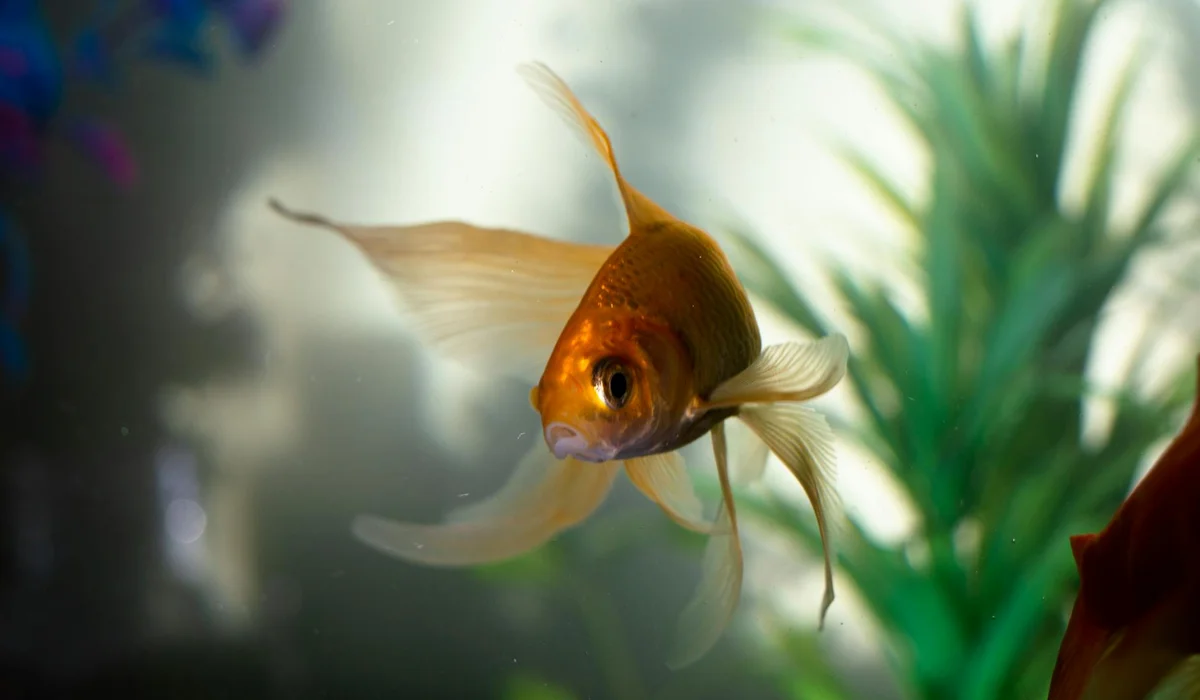
When your plants start looking sad, your first move is to stop the panic and act fast. I always start with a 50% water change to quickly dilute any harmful buildup and give the plants a fresh start. Use a gravel vacuum to gently clean the substrate without uprooting delicate roots, and match the new water’s temperature to your tank’s current setting, ideally between 72-78°F for most tropical setups.
- Perform a water change: Aim for 40-50% if you see melting leaves or algae blooms, and always use a dechlorinator to protect your beneficial bacteria.
- Test water immediately: Check for ammonia spikes above 0 ppm, nitrites over 0 ppm, and nitrates below 20 ppm to spot imbalances; a pH swing outside 6.5-7.5 can stress plants fast.
- Quarantine affected plants: Move any rotting or infected plants to a separate container with tank water and low light to prevent spread; I’ve saved many stems this way in my own betta tank.
Next, look at your filtration and flow. Adjust your filter outflow to create a gentle ripple on the surface, which boosts oxygen without blasting tender leaves. If you have a hang-on-back filter, angle the spray bar toward the tank wall, or for canister filters, add a pre-filter sponge to slow current for fish like bettas who prefer calm waters. This is especially important because understanding how a fish tank filter works can help you optimize its performance for your plants and fish.
- Safely adjust filtration: Clean or replace filter media only in old tank water to preserve bacteria, and avoid over-cleaning that can cause mini-cycles.
- Improve circulation: Use a small powerhead on low setting if dead spots exist, but ensure it doesn’t disturb substrate where corydoras like Shadow forage.
If plants show pale leaves or stunted growth, a quick nutrient boost can help. For emergency fertilizing, I dose a comprehensive liquid fertilizer every other day for one week, then scale back to twice weekly once plants perk up. Always follow the product’s instructions based on your tank size-for example, a 10-gallon tank might need 5 ml per dose-and avoid overdosing to prevent algae.
- Dosing schedule for emergency fertilizers: Start with half the recommended dose to avoid shock, and monitor for improvements in leaf color within days.
Fine-Tuning Light, CO2, and Nutrients for Recovery
Once the crisis is contained, it’s time to dial in the basics for long-term health. Reduce your photoperiod to 6-7 hours daily to lower stress and curb algae, using a timer for consistency like I do with my planted goldfish tank. If your light is too intense, raise it a few inches or add floating plants to diffuse the brightness and protect sensitive species.
- Adjust photoperiod and light intensity: Shorten light exposure if you see browning or algae, and consider LED lights with adjustable intensity for better control.
- Explain CO2 injection adjustments: Increase CO2 slowly to 20-30 ppm if plants have holes or yellowing, but watch for fish gasping-a sign to reduce it immediately.
- List key fertilizers and correct imbalances: Use root tabs for rooted plants like swords if leaves are weak, and iron supplements for red plants that lose color; in my experience, a balanced NPK (nitrogen, phosphorus, potassium) mix prevents deficiencies.
Nutrient balance is like a recipe-too much or too little of one thing throws it off. Test your water weekly for nitrates and phosphates, and add potassium if you see pinholes in leaves, which is a common fix I’ve used for anubias and ferns. Keep a log to track changes; this helps you spot patterns and adjust doses before small issues become big problems.
- Correct nutrient imbalances: Address nitrogen deficiency with a nitrate booster if leaves yellow, and use phosphate removers if levels exceed 1-2 ppm to avoid algae outbreaks.
Balancing CO2 and Oxygen Levels
Getting the gas balance right can make or break your plant comeback. Low CO2 often shows as slow growth and algae on plant edges, while oxygen deprivation causes fish to gasp at the surface and plants to look limp. In my tank with Captain Fin, I noticed his feisty behavior slowed when oxygen was low, so I added an air stone to fix it without harming the plants. Finding the right balance between CO2 and oxygen in a planted tank is the real challenge. When CO2 is in the sweet spot and oxygen levels are steady, both plants and fish thrive.
- Describe symptoms of low CO2 vs. oxygen deprivation: Look for pearling bubbles on leaves as a sign of good CO2, and cloudy water or foul smells as clues for low oxygen.
- Suggest methods to increase gas exchange safely: Install an air stone or adjust filter output to create surface agitation, but do it gradually to avoid stressing fish like goldfish who need stable conditions.
Remember, plants need CO2 for photosynthesis and oxygen at night for respiration. I run my CO2 system only during light hours and rely on surface movement at night to maintain oxygen levels, which keeps both plants and fish happy. If you’re using injected CO2, check drop checkers for color changes and adjust the bubble rate slowly-no more than 1-2 bubbles per second increase per day.
- Increase gas exchange safely: Use a surface skimmer or wavemaker on low setting to enhance oxygen without creating turbulence that uproots plants.
Testing Water Parameters to Pinpoint the Problem
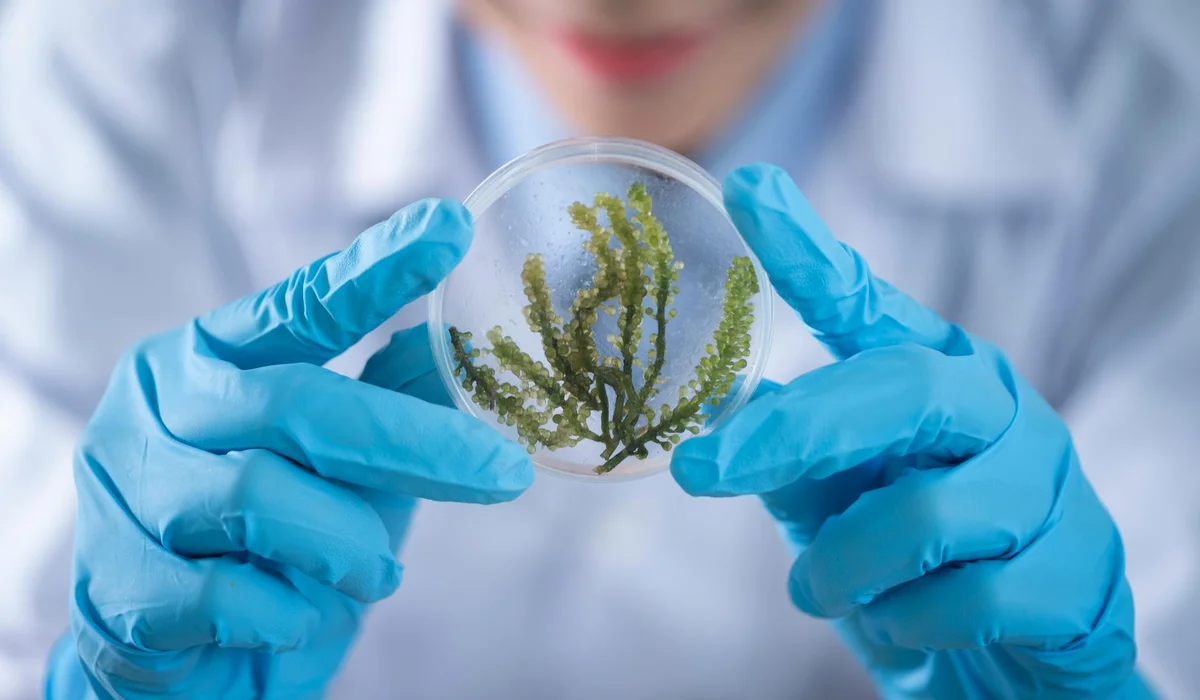
When your plants look sad, your water test kit is your best detective tool. The clues are dissolved in the water, waiting to be found.
- Step 1: Use a test kit to measure ammonia, nitrite, and nitrate
Grab a reliable liquid test kit, not the flimsy strip kind. Test for ammonia and nitrite first; in a healthy tank, both should read zero. Any amount above that signals a crashed cycle, which starves plant roots of oxygen and burns their tissues. Nitrate is plant food, but you’re aiming for a sweet spot between 10-20 ppm for most species. These tests are part of monitoring the essential water quality parameters of your aquarium. In addition to ammonia, nitrite, and nitrate, keep an eye on pH, temperature, and general hardness to keep conditions stable.
- Step 2: Check pH and hardness for stability
Plants are sensitive to pH swings. Test your pH and also your KH (carbonate hardness), which acts as a pH stabilizer. Regularly test and maintain proper water parameters in your aquarium. This habit helps prevent pH shocks and keeps plants and livestock thriving. A stable, slightly acidic to neutral pH (6.5-7.5) is usually the goal, but a stable wrong pH is better than a wildly fluctuating perfect one. A low KH means your pH can crash overnight, shocking your entire aquarium.
- Step 3: Monitor for traces of other elements like iron or potassium
This is where you play plant doctor. Yellowing new leaves often scream for iron, while holes or yellowing edges on older leaves point to a potassium deficiency. You can get specific test kits for these, or use a comprehensive liquid fertilizer that includes them and observe how your plants respond.
Interpreting Test Results Quickly
Don’t just get the numbers-understand what they mean for your green friends. Here’s a quick reference chart for a typical planted tank.
| Parameter | Ideal Range for Planted Tanks |
|---|---|
| Ammonia (NH3) | 0 ppm |
| Nitrite (NO2) | 0 ppm |
| Nitrate (NO3) | 10-20 ppm |
| pH | 6.5 – 7.5 |
| GH (General Hardness) | 4-8 dGH |
| KH (Carbonate Hardness) | 3-8 dKH |
Sudden shifts in these parameters are like unexpected weather changes for your plants. A rapid pH swing can cause nutrient lockout, where essential food is present in the water but the plants simply can’t absorb it. This is why I always test my water after a large change, like a big water change or adding new driftwood, to make sure everything has remained steady for my crew.
Nursing Your Plants Back to Health
Once you’ve identified the water issue and started fixing it, it’s time for some hands-on plant TLC. Your plants can bounce back with a little encouragement.
- Describe pruning techniques to remove dead or rotting parts
Get a pair of sharp, clean aquascaping scissors. Snip off any leaves that are translucent, covered in melt, or clearly dead. Always trim stem plants just above a healthy leaf node, as this is where new growth will sprout from. For rosette plants like Amazon Swords, remove the entire outer leaf at its base if it’s more than 50% damaged. This redirects the plant’s energy to new growth.
- Advise on replanting or refreshing substrate if needed
If your plants are floating away or the substrate looks compacted and lifeless, they need better footing. Gently replant stems deep enough to cover the roots and a bit of the stem. For nutrient-rich substrates that are over a year old, I sometimes poke root tabs into the gravel around heavy root feeders to give them a direct nutrient boost right where they need it.
- Tips for encouraging new growth and root development
Consistency is key. Ensure your lighting schedule is steady and your fertilizers are dosed regularly. I’ve found that a consistent environment, more than any single magic product, is the ultimate trigger for lush, new growth. If you’ve corrected the water parameters, you should see tiny new leaves or roots within a week or two, a sure sign your plant is on the mend.
Dealing With Algae Blooms and Pests
A struggling plant is a magnet for algae and pests. They see weakness and move in. Here’s how to evict them safely.
- List safe removal methods without harming plants or fish
For algae on leaves, a gentle wipe with a soft algae pad or even your fingers works. For a bigger bloom, a temporary blackout for 3 days (cover the tank with a blanket) can starve it out. For pests like snails, a single Assassin Snail is my go-to hitman. A squad of Amano shrimp or Otocinclus catfish are fantastic clean-up crews that will graze on soft algae without bothering your plants. Fish and shrimp are often the best natural cleaners for aquarium algae. Shrimp, in particular, excel at grazing on soft algae without disturbing plants.
- Suggest preventive measures post-recovery
Once the crisis is over, focus on balance. Algae thrives on imbalance—too much light, too many nutrients, or not enough plant growth. Keep up with regular water changes, don’t overfeed your fish, and ensure your plants are the ones using the nutrients, not the algae. In a planted tank, keeping nutrients balanced—providing the right macro- and micronutrients—helps prevent algae by letting plants outcompete it for resources. A well-fed, fast-growing plant is your best long-term defense against both algae and pests.
Keeping Your Fish Safe During the Emergency
When your plants are in crisis, your fish are living in a changing environment. Your first priority is to shield your fish from the side effects of your plant rescue mission. Rapid shifts in water chemistry are a silent threat.
If you need to use any treatments, like algae-killing chemicals or high doses of liquid carbon, consider a temporary solution. Moving sensitive fish like Captain Fin to a spare, seasoned quarantine tank can prevent chemical stress. For bottom-dwellers like Shadow, ensure any plant-related debris is gently siphoned without disturbing their hiding spots.
You might also need to adjust their routine. I often reduce feeding slightly during a tank crisis, as uneaten food can decay and worsen water quality. Watch your fish closely. If Goldie is gasping at the surface or Captain Fin is clamping his fins, your water parameters are likely swinging.
- Use an airstone to increase oxygen levels if you’ve dosed any plant treatments.
- Test your water for ammonia and nitrite daily during the recovery period.
- Perform smaller, more frequent water changes (10-15%) instead of one large, disruptive change.
Building a Routine to Avoid Future Emergencies
-
Establish a regular water change and testing schedule
Consistency is the true secret to a stable tank. I perform a 25% water change every single Sunday and test my water every Tuesday. This rhythm prevents the slow creep of nitrates and keeps mineral levels stable for both plants and fish.
-
Maintain consistent lighting and CO2 routines
Plants thrive on predictable cycles. Use a simple timer for your aquarium light to guarantee the same photoperiod each day, typically 6-8 hours for a stocked tank. If you use CO2, make sure it turns on an hour before the lights and off an hour before they go out. This simple hack mimics a natural sunrise and sunset. Learn more about the ideal lighting duration for fish and plants.
- Keep a log for tracking plant health and water quality
Do not trust your memory. Get a small notebook and jot down your test results, fertilizer doses, and any plant melt you notice. Over a few weeks, you will see patterns emerge, like new growth after a water change or algae spikes when you forget to fertilize.
-
Stock an emergency kit with test kits, fertilizers, and tools
Be prepared so you are never caught off guard. My emergency kit lives right under my tank and holds a liquid test kit, a spare bottle of dechlorinator, a set of aquascaping tools, and a small stash of root tabs and liquid fertilizer. Having these supplies on hand turns a potential disaster into a manageable weekend project.
Common Questions
What equipment is essential to have on hand for planted tank emergencies?
An emergency kit should include a reliable liquid test kit to quickly diagnose water parameter issues. You should also have a set of aquascaping tools for pruning, water conditioner for emergency water changes, and a quarantine container for isolating affected plants. Having these supplies ready allows you to act immediately without delay. Ensuring you have essential water testing equipment is crucial for maintaining healthy aquarium parameters.
How to protect fish and invertebrates during a planted tank emergency?
Your first priority is to ensure adequate oxygen levels by adding an air stone or increasing surface agitation, especially if you are dosing treatments. Monitor your fish closely for signs of stress like gasping or clamped fins, which indicate water parameter swings. Performing smaller, more frequent water changes can stabilize the environment without causing further shock to your livestock. When you perform water changes, ensure the replacement water is temperature-matched and dechlorinated to avoid shocking your fish. You can add the water gradually (e.g., drip acclimation) to minimize parameter swings.
What immediate steps should you take to stabilize a planted tank emergency?
Begin with a large, 40-50% water change to dilute toxins and refresh mineral content. Immediately test your water for ammonia, nitrite, and nitrate to identify any toxic buildups. Then, quarantine any severely melting or rotting plants in a separate container to prevent the problem from spreading to healthy plants in the main tank.
How can you prevent planted tank emergencies in the future?
Establish a consistent weekly routine for partial water changes and water testing to prevent parameter creep. Use a timer for your aquarium lights to ensure a stable photoperiod and maintain a logbook to track fertilizer dosing and plant health. This proactive approach helps you spot trends and correct small issues before they become full-blown emergencies. These are essential maintenance tasks, and their frequency matters as much as the tasks themselves. Maintaining a regular cadence helps you keep parameters stable and catch issues early.
Your Planted Tank Recovery Plan
Start by swiftly checking your water quality and lighting, as these are the most common culprits behind plant decline. Then, address any nutrient gaps with root tabs or liquid fertilizers and trim away dead growth to redirect energy to healthy leaves.
Responsible aquarium keeping means committing to ongoing education about your fish and plants’ unique needs. Embrace the learning process, connect with fellow hobbyists, and your dedication will be rewarded with a vibrant, balanced ecosystem.
Further Reading & Sources
- How to Set Up a Low Tech Planted Aquarium for Beginners – Aquarium Co-Op
- Step-by-step Guide to Setting Up a Planted Aquarium
- Step-by-Step Guide For Starting an Epic Planted Tank – DustinsFishtanks
- r/Aquascape on Reddit: A little overwhelmed😅 What is a good starter checklist of things to do or general tips when setting up a new all plant tank?
- Planted Aquarium Maintenance Guide – Aquarium Gardens
Lia is an expert in aquarium and pet fish care. Having worked in the marine industry and having cared for multiple pet fish, she has acquired first hand expertise on aquarium care, maintenance and setup. She always brings her practical expertise and science to help solve any aquarium related queries.
Aquatic Plants