
8 Aquarium ‘Hacks’ from Social Media That You Should Never Try
Hello fellow fish keepers, I know how tempting it is to see a viral aquarium hack and think it’ll solve all your tank troubles overnight. But many of these quick fixes can turn your crystal-clear water into a cloudy disaster or, worse, harm your finned friends.
In this guide, we’ll dive into the risky hacks that pop up online, covering key dangers like:
- Using household chemicals to alter water chemistry
- DIY filter modifications that crash your nitrogen cycle
- Unsafe decorations or substrates that leach toxins
With years of hands-on experience running high-tech planted tanks and breeding everything from feisty bettas to social goldfish, I’ve tested what works and what wrecks an aquarium.

- ✓
- ✓
- ✓
Dangerous Water Chemistry Adjustments
Social media trends can tempt you with quick fixes, but tampering with water chemistry is like playing with fire in a glass box. These hacks often spike ammonia or swing pH levels wildly, creating a toxic soup that harms your fish. I have lost a beloved betta to a sudden pH crash, and the memory of that cloudy water still haunts me.
Risks include rapid ammonia spikes that burn gills, nitrate overloads that weaken immune systems, and pH swings that shock fish into stress.

- Ammonia levels can rise within hours, suffocating fish
- Unstable pH causes osmotic stress, leading to organ failure
- Nitrate spikes encourage algae blooms and reduce oxygen
Safe practices rely on consistency and testing. Use a liquid test kit weekly to track ammonia, nitrite, nitrate, and pH. Regular testing helps you test and maintain proper water parameters in your aquarium. For stability, perform 25% water changes every week and keep your filter media clean. A balanced tank should hum with clarity, not reek of decay.
Using a Potato to Remove Nitrates
This hack suggests dropping a raw potato into your aquarium to absorb nitrates, but it backfires spectacularly. As the potato decomposes, it releases organic waste that bacteria break down into ammonia. I tried this years ago and watched my nitrate test kit turn dark red while Goldie the goldfish started gasping at the surface.
Decomposing potatoes leach starches and sugars, fueling bacterial blooms that cloud water and spike ammonia within a day.
Control nitrates safely with these steps:
- Perform 20-30% water changes weekly to physically remove nitrates
- Add fast-growing live plants like hornwort or java fern; they consume nitrates as fertilizer
- Test water with a reliable kit like the API Freshwater Master Test Kit to monitor levels accurately
Adding Vanilla Extract to Your Fish Tank
Some videos claim vanilla extract makes your tank smell pleasant, but it introduces alcohol, sugar, and artificial compounds. These alter water chemistry and can poison fish. I once added a drop to a small tank and saw Shadow the Corydoras dart erratically before hiding for days.
Vanilla extract contains ethanol and additives that disrupt the nitrogen cycle and may coat fish gills, reducing oxygen uptake.
For odor control, use an activated carbon filter insert—it absorbs dissolved organics without side effects. Activated carbon offers fish tank benefits by removing odors and discoloration. To enhance tank clarity, increase filtration flow or add more beneficial bacteria with a product like Seachem Stability.
Risky Fish Health Treatments
Homemade remedies might seem natural, but they lack scientific backing and precise dosing. Unverified treatments can stress fish, introduce toxins, or mask symptoms of serious diseases. I have learned through trial and error that patience and professional advice save more lives than kitchen concoctions.
Improvised treatments often worsen conditions by irritating fish skin, disrupting slime coats, or poisoning the water column.
| Unsafe Hack | Ingredients | Risky Outcomes | Vet-Approved Treatment | Ingredients | Positive Outcomes |
|---|---|---|---|---|---|
| Using Garlic Juice | Raw garlic extract | Burns fish mouths, causes bloating, alters water chemistry | Medicated food like API General Cure | Metronidazole and praziquantel | Targets parasites safely, preserves fish health |
| Concocting Homemade Melafix | Essential oils like tea tree | Respiratory distress, skin lesions, lethal to labyrinth fish | Commercial Melafix or Seachem Kanaplex | Standardized melaleuca oil or antibiotics | Reduces infection, promotes fin regrowth without toxicity |
Using Garlic Juice to Treat Fish Diseases
Garlic juice is promoted as a natural dewormer or immune booster, but its potency varies wildly. Too much can damage fish kidneys or lead to fatal bloating. I once used it on Captain Fin, and his vibrant colors faded within days from the stress.
Homemade garlic solutions lack controlled concentrations, risking overdose that paralyzes fish or crashes your biofilter.
Manage diseases safely with this approach:
- Move the sick fish to a quarantine tank with identical water parameters
- Consult an aquatic veterinarian for a precise diagnosis and treatment plan
- Use approved medications like Erythromycin or Methylene Blue, following label directions exactly
Concocting Homemade Melafix
Imitating Melafix with essential oils is a recipe for disaster. Tea tree oil, often used in DIY versions, can suffocate fish by damaging their labyrinth organ. In my experience, even a slight miscalculation in dilution caused a tank-wide scare with Goldie showing signs of labored breathing.
Essential oils are lipophilic, meaning they cling to fish gills and membranes, blocking oxygen exchange and causing slow suffocation.
Stick to commercial products like API Melafix, which uses diluted, safe melaleuca oil. Remember, pristine water quality-maintained through regular testing and changes-is your fish’s best medicine for healing minor wounds and preventing infections.
Unsafe Tank Cycling and Maintenance Hacks
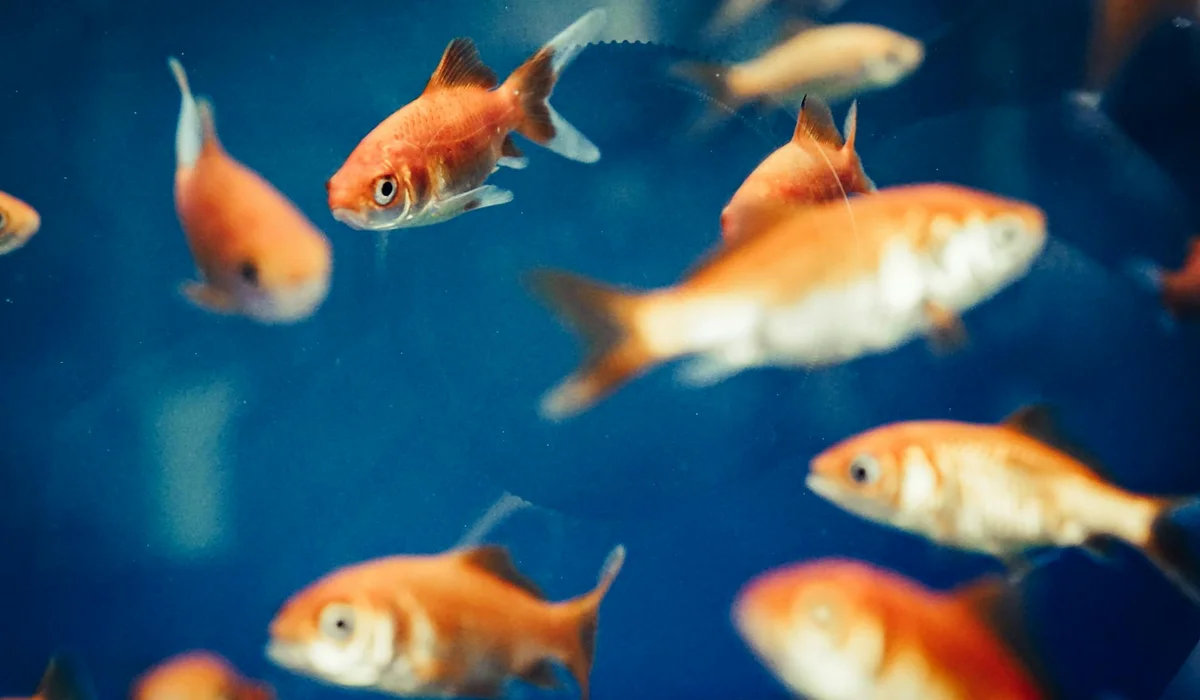
Rushing your tank’s setup is like building a house on sand-it might look fine at first, but the foundation is unstable. Shortcuts in cycling and cleaning are the fastest way to crash your nitrogen cycle, leading to dangerous ammonia spikes that can harm your fish when cycling your new tank. Let’s look at the common mistakes and the safe practices that will keep your water pristine.
- Mistake: Adding too many fish at once to a new tank.
- Safe Practice: Add fish slowly over several weeks after your cycle is complete.
- Mistake: Replacing filter media instead of rinsing it in old tank water.
- Safe Practice: Gently swish filter sponges in water you remove during a water change to preserve beneficial bacteria.
- Mistake: Performing massive, 100% water changes.
- Safe Practice: Stick to weekly changes of 25-30% to maintain stable nitrate levels.
Using Pond Water to Seed a New Aquarium
I’ve seen this one suggested as a “natural” way to jumpstart your cycle, but it’s a gamble with very high stakes. Pond water can introduce a cocktail of unseen parasites, predatory insects, and unpredictable bacterial strains that your home aquarium is not equipped to handle. You’re not just getting beneficial bacteria; you’re potentially introducing a plague to a closed system. The risks far outweigh any perceived benefits.
Follow these steps for a safe and reliable cycle every single time:
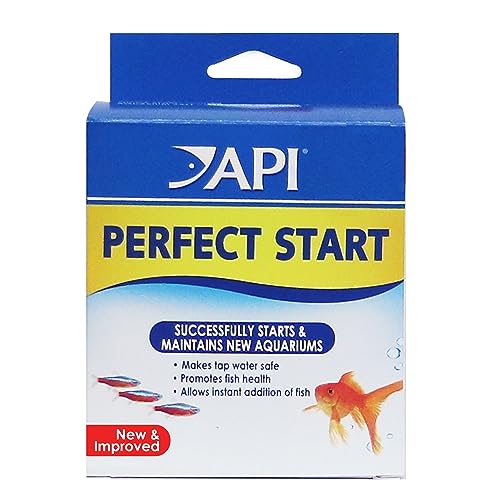
- Use a quality bottled bacterial starter from a reputable brand to introduce the right microbes.
- Monitor water parameters daily with a liquid test kit, watching for the tell-tale ammonia spike, then nitrite, and finally the rise of nitrate.
- Avoid all external water sources like ponds, streams, or even water from a friend’s established tank unless you are absolutely certain of its health history.
Dropping in Empty Fish Flake Cans to Cultivate Biofilm
The idea is that the leftover residue in the can will feed microbes, but this is a terrible idea. The thin metal lining inside these cans can corrode in water, leaching heavy metals and other chemical residues directly into your tank. In a new aquarium, some biofilm is normal as surfaces start to host microbes. However, biofilm formed from contaminants can be dangerous. That shimmering biofilm you were hoping for could be laced with toxins that are silently poisoning your fish and invertebrates.
For cultivating a safe, nutritious biofilm for creatures like shrimp and baby fish, skip the trash and use nature’s tools instead. I always use a piece of boiled driftwood or dried Indian Almond Leaves. You can also use specialized powdered foods designed to feed infusoria and other microscopic life. These methods provide a safe, controlled food source without the risk of chemical contamination. You can also grow simple live food cultures—brine shrimp, daphnia, and microworms—for your fish. Culturing these tiny foods alongside the biofilm gives fry and shrimp a varied, readily digestible diet.
Problematic Breeding and Decor Ideas
Creating a beautiful tank is an art, but some trendy ideas prioritize aesthetics over the health and safety of your fish. Improper breeding inducements and dangerous decorations can cause immense stress, physical injury, and a complete disruption of your tank’s delicate balance. A happy fish is a healthy fish, and that starts with a safe environment.
Using Cabbage to Induce a Fish Breeding Spree
This hack suggests that rotting cabbage releases compounds that trigger spawning. In reality, a decomposing vegetable is a pollution bomb. As the cabbage breaks down, it consumes oxygen and releases a surge of ammonia, crashing your water quality and stressing your fish instead of inspiring them. It can also cloud your water and fuel algae outbreaks as it decays.
If you want to encourage breeding, focus on replicating natural conditions ethically. Here’s how to do it right:
- Adjust temperature and lighting to mimic seasonal changes, such as slightly warmer water and longer daylight periods.
- Provide ample hiding spots with live plants or breeding caves so fish feel secure enough to spawn.
- Research species-specific needs; some fish need high-protein live foods, while others require specific water flow or pH levels.
Dropping Plastic Fish into Your Aquarium
I get the appeal of adding a colorful, fake fish as a joke, but it’s no laughing matter for your live inhabitants. Plastic decorations are often made with colorants and softeners that can leach toxins over time, especially in warm water. Furthermore, your real fish may see the intruder as a territorial threat, leading to constant stress, fin-nipping, and aggressive displays that exhaust them. It’s always best to opt for safe materials and decorations for your tank.
Always choose decor that enriches your fish’s life, not your Instagram feed. Opt for natural, inert materials like river rocks, driftwood, and live plants, which provide cover and improve water quality. To decorate safely, choose items and plants appropriate for your tank and species. Quarantine or rinse new decorations and live plants before adding them to the tank. When adding any new item to your tank, follow these steps for safety:
- Choose inert materials like ceramic, glass, or certain plastics labeled as aquarium-safe.
- Avoid any item with sharp edges or small holes where a fish could get trapped.
- Prioritize your fish’s natural behavior-does this item provide shade, a hiding place, or a surface for grazing?
Common Questions
Why are so many viral aquarium hacks dangerous?
Many hacks are created for quick views, not long-term fish health. They often ignore the delicate balance of the nitrogen cycle and can introduce toxins or cause rapid, harmful changes in water chemistry. A safe aquarium requires stability, which these quick fixes almost always disrupt. In home aquariums, the most common causes of fish death are poor water quality and sudden changes in water chemistry. Maintaining a stable, properly cycled tank is essential to prevent these outcomes.
What should I do instead of trying these risky shortcuts?
Always prioritize proven, gradual methods like regular water testing and partial water changes. Regularly test and monitor essential water quality parameters such as pH, ammonia, nitrite, nitrate, and temperature. For specific issues, invest in products designed for aquariums, such as water conditioners, commercial medications, and bottled beneficial bacteria. Patience and consistency are the true keys to a healthy tank.
How can I quickly tell if a “hack” has harmed my tank?
Watch for immediate signs of distress in your fish, such as gasping at the surface, lethargy, or erratic swimming. These are among the most common signs of stress in aquarium fish. Recognizing them quickly helps you intervene before they escalate. Visually, the water may become cloudy or develop a foul odor. Any sudden change in your fish’s behavior or water clarity after trying something new is a major red flag.
Where can I find reliable aquarium advice online?
Seek out established forums, reputable aquarium product websites with care sheets, and channels run by experienced hobbyists or aquatic veterinarians. Be wary of sources that prioritize entertainment over education and always cross-reference any surprising advice before applying it to your tank.
Your Fish Deserve Better
Steer clear of viral shortcuts like adding foreign substances to your tank or using household items as equipment replacements. Your aquarium’s health depends on stable, established biological processes, not quick fixes that can cause more harm than good.
Always prioritize your aquatic pets’ long-term welfare by verifying advice through reliable sources before trying anything new. The most rewarding part of the hobby comes from learning and providing consistent, quality care for your underwater ecosystem.
Further Reading & Sources
- Is there a social network for aquarium hobbyists? – Quora
- Aquarium Date Songs for Insta Story | TikTok
- [Cheat Engine] Tiny Aquarium: Social Fishkeeping – Cheat Engine Net
- Are people hacking? :: Tiny Aquarium General Discussions
- 21 Genius Aquarium Hacks to Simplify Your Fishkeeping Life
Lia is an expert in aquarium and pet fish care. Having worked in the marine industry and having cared for multiple pet fish, she has acquired first hand expertise on aquarium care, maintenance and setup. She always brings her practical expertise and science to help solve any aquarium related queries.
DIY Projects